Introduction to Indoor Solar Lighting for Contractors
Lighting contractors constantly face evolving challenges in providing efficient, cost-effective, and sustainable lighting solutions for their clients. Among the many options available, solar lamps designed for indoor use have emerged as a noteworthy contender. While traditionally associated with outdoor applications, advances in solar technology have made indoor solar lighting increasingly viable. These innovations include improved photovoltaic cells, energy storage systems, and the integration of smart technology, which allow for greater flexibility and efficiency in indoor environments.
Understanding the advantages and limitations of solar lamps compared to conventional indoor lighting alternatives is essential for contractors aiming to recommend the best solutions. This article explores the practical considerations, performance metrics, and sustainability factors lighting professionals should weigh when selecting indoor lighting systems. For instance, solar lighting systems can significantly reduce energy costs, as they harness renewable energy from the sun, which can be particularly advantageous in regions with abundant sunlight. Additionally, the installation of solar lamps can lead to lower carbon footprints, aligning with the growing demand for environmentally friendly practices in construction and renovation projects.
Moreover, the versatility of indoor solar lighting systems allows for a variety of applications, from residential spaces to commercial settings. Contractors can leverage solar lamps in areas where traditional wiring is impractical or costly, such as in historic buildings or remote locations. Furthermore, many modern solar lighting solutions come equipped with features such as motion sensors and dimming capabilities, enhancing their functionality and allowing for tailored lighting experiences. As contractors navigate the complexities of indoor solar lighting, they must also consider the aesthetic aspects, ensuring that the design of the solar fixtures complements the overall decor while providing the necessary illumination.
Understanding Solar Lamps for Indoor Use
How Indoor Solar Lamps Work
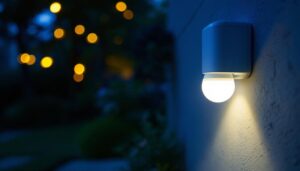
Indoor solar lamps typically incorporate photovoltaic (PV) panels, energy storage batteries, and LED light sources within a compact unit. Unlike outdoor solar lighting that relies on direct sunlight, indoor solar lamps depend on ambient light or strategically placed solar panels near windows or skylights. The PV cells convert available light into electrical energy, which charges the internal batteries to power the LEDs during periods of low light or at night.
Recent innovations have improved the efficiency of low-light solar panels, enabling better energy harvesting indoors. Additionally, integrated smart controls optimize energy use by adjusting brightness based on occupancy or ambient light conditions. Some advanced models even feature motion sensors that activate the lights only when someone enters a room, further conserving energy and extending battery life.
Key Advantages of Indoor Solar Lamps
Solar lamps offer several benefits that appeal to both contractors and end-users:
- Energy Independence: Indoor solar lamps reduce reliance on grid electricity, lowering energy costs and enhancing resilience during outages.
- Reduced Wiring and Installation Complexity: Many solar lamps are wireless and portable, simplifying installation and reducing labor costs.
- Eco-Friendly: Utilizing renewable energy aligns with growing sustainability mandates and green building certifications.
- Low Operating Costs: Minimal maintenance and no electricity bills contribute to long-term savings.
Moreover, indoor solar lamps can be particularly advantageous in remote or off-grid locations where traditional electrical installations may be impractical or prohibitively expensive. For instance, in cabins, workshops, or garden sheds, these lamps provide a reliable lighting solution without the need for extensive wiring or infrastructure. Additionally, the aesthetic versatility of solar lamps allows them to blend seamlessly into various interior designs, from modern minimalist to rustic charm, making them not just functional but also a stylish addition to any space.
Furthermore, the integration of smart technology in indoor solar lamps is paving the way for a more connected home. Many models can be controlled via smartphone apps, allowing users to adjust settings, schedule lighting times, and monitor energy usage from anywhere. This level of control not only enhances convenience but also empowers users to make informed decisions about their energy consumption, contributing to a more sustainable lifestyle. As the technology continues to evolve, we can expect even more innovative features that will further enhance the functionality and appeal of indoor solar lamps.
Comparing Solar Lamps with Traditional Indoor Lighting Alternatives
Conventional Electric Lighting Systems
Traditional indoor lighting typically involves hardwired fixtures powered by the electrical grid. These include incandescent, fluorescent, and LED lighting systems. LEDs have become the standard due to their superior energy efficiency and long lifespan compared to older technologies. The shift towards LED lighting has not only reduced energy consumption but has also significantly lowered electricity bills for households and businesses alike. This transition is crucial as it aligns with global efforts to reduce carbon footprints and promote sustainable energy practices.
Electric lighting offers consistent brightness, a wide range of color temperatures, and integration with advanced control systems such as dimmers and smart home automation. However, installation can be labor-intensive and costly, especially in retrofit scenarios requiring new wiring or modifications. Moreover, electric lighting systems are often tied to the availability and reliability of the electrical grid, which can be a limiting factor in areas prone to power outages or in remote locations where grid access is scarce.
Battery-Powered Portable Lamps
Battery-operated lamps are popular for temporary or flexible lighting needs. They offer portability and easy installation without wiring but require frequent battery replacements or recharging. Compared to solar lamps, these devices incur ongoing costs and environmental concerns related to battery disposal. The convenience of battery-powered lamps makes them ideal for camping, outdoor events, or emergency situations where traditional lighting options may not be feasible. However, users must remain vigilant about battery life, as running out of power can leave them in the dark at inopportune moments.
Additionally, the reliance on disposable batteries raises questions about sustainability. Many consumers are now seeking eco-friendly alternatives, prompting a shift towards rechargeable batteries that can be reused multiple times. Nonetheless, the environmental impact of producing and disposing of batteries remains a significant concern, leading many to explore solar-powered options that harness renewable energy.
LED Lamps with Integrated Power Supplies
Some LED lamps combine efficient lighting with integrated rechargeable batteries, often charged via USB or wall adapters. These lamps provide some flexibility but still depend on grid power for recharging, limiting their sustainability benefits. While they are a step forward in convenience, users may find themselves tethered to electrical outlets, especially in situations where prolonged use is required. The convenience of USB charging does offer a modern touch, making it easy to power these lamps using various devices, such as laptops or power banks, which can be particularly useful during travel.
Moreover, the integration of smart features in these LED lamps is becoming increasingly popular. Many models now come equipped with touch controls, color-changing capabilities, and even Bluetooth connectivity, allowing users to customize their lighting experience. This technological advancement not only enhances user experience but also opens doors for energy-saving features such as timers and motion sensors. However, as with other electric lighting solutions, the environmental implications of their production and reliance on grid electricity remain critical considerations for eco-conscious consumers.
Performance and Practicality Considerations for Lighting Contractors
Lighting Quality and Brightness
One of the primary concerns for contractors is whether solar lamps can deliver adequate illumination for indoor spaces. Modern solar LED lamps can provide sufficient brightness for ambient and task lighting, especially in smaller rooms or areas with good natural light access.
However, for large commercial spaces or areas requiring high-intensity lighting, conventional wired LED fixtures still outperform solar lamps in terms of lumen output and uniformity. Contractors should evaluate the specific lighting requirements of each project to determine suitability.
Installation and Maintenance
Solar lamps offer streamlined installation, often requiring no electrical wiring or permits. This can significantly reduce labor time and associated costs. Additionally, the absence of wiring minimizes disruption in occupied buildings.
Maintenance is generally straightforward, limited to occasional cleaning of solar panels and battery replacements after several years. In contrast, traditional lighting systems may require more frequent maintenance and troubleshooting of electrical components.
Cost Analysis
Initial costs for solar lamps can be higher per unit compared to standard LED fixtures. However, the total cost of ownership often favors solar lamps due to zero energy costs and reduced installation expenses.
Contractors should perform a lifecycle cost analysis considering factors such as energy savings, maintenance, and potential incentives for renewable energy installations. In many cases, solar lamps present a compelling financial case, especially in off-grid or low-infrastructure environments.
Sustainability and Regulatory Factors
Environmental Impact
Solar indoor lighting aligns with global efforts to reduce carbon footprints and promote renewable energy. Using solar lamps can contribute to LEED certification points and other green building standards, enhancing a contractor’s portfolio and client appeal.
Moreover, solar lamps reduce the demand on electrical grids, potentially lowering peak load pressures and contributing to broader energy resilience.
Compliance and Incentives
Lighting contractors should be aware of regional regulations and incentives related to solar energy installations. Many jurisdictions offer tax credits, rebates, or grants for renewable energy projects, which can offset upfront costs and improve project feasibility.
Ensuring that solar lamps meet relevant safety and performance standards is critical. Certifications such as UL listing, IEC compliance, and energy efficiency ratings help validate product quality and client confidence.
Best Use Cases for Indoor Solar Lamps
Remote and Off-Grid Locations
Indoor solar lamps are particularly advantageous in locations without reliable grid access, such as remote cabins, emergency shelters, or temporary work sites. They provide dependable lighting without the need for extensive electrical infrastructure.
Supplemental and Accent Lighting
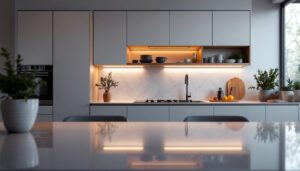
In commercial or residential settings, solar lamps can serve as supplemental lighting for hallways, staircases, or decorative purposes. Their portability allows flexible placement and quick reconfiguration.
Emergency and Backup Lighting
Solar lamps are excellent candidates for emergency lighting solutions, providing illumination during power outages. Their independent power source ensures continuous operation when grid power fails.
Challenges and Limitations
Dependence on Ambient Light
Indoor solar lamps rely on available light to recharge, which can be limited in windowless rooms or during extended periods of low natural light. This restricts their effectiveness in certain environments.
Battery Life and Replacement
Although solar lamp batteries last several years, eventual degradation requires replacement. Contractors must consider accessibility and cost implications for battery maintenance.
Brightness Constraints
While improving, solar lamps generally cannot match the brightness levels achievable by wired LED systems, limiting their use in high-demand lighting scenarios.
Conclusion: Making the Right Choice for Your Projects
For lighting contractors, the decision to specify indoor solar lamps versus traditional alternatives hinges on project-specific factors including lighting requirements, installation constraints, budget, and sustainability goals.
Solar lamps offer compelling benefits in terms of energy savings, ease of installation, and environmental impact, making them ideal for niche applications such as off-grid locations, emergency lighting, and supplemental illumination. However, for large-scale or high-performance indoor lighting needs, conventional wired LED systems remain the preferred choice.
By carefully assessing client needs and site conditions, contractors can leverage the strengths of indoor solar lighting to deliver innovative, cost-effective solutions that align with modern sustainability imperatives.
Illuminate Your Projects with LumenWholesale
Ready to elevate your lighting solutions with the efficiency and sustainability of indoor solar lamps? LumenWholesale is here to support your endeavors by providing top-quality, spec-grade lighting products at unbeatable wholesale prices. Our extensive selection is designed to meet the highest industry standards, ensuring you get reliable, high-performance lighting for every project. With free shipping on bulk purchases, you can trust that you’re getting premium lighting at the best value — without hidden fees or compromises. Make the smart choice for your lighting needs and explore our wholesale lighting options today.