As the demand for sustainable and energy-efficient lighting solutions continues to rise, solar hanging outdoor lanterns have emerged as a popular choice among homeowners and businesses alike. These versatile fixtures not only enhance the aesthetic appeal of outdoor spaces but also offer the benefits of reduced energy costs and minimal environmental impact. For lighting contractors, understanding the intricacies of solar hanging lanterns is essential for providing clients with the best possible solutions. This guide will delve into the various aspects of solar hanging outdoor lanterns, from their features and benefits to installation tips and maintenance practices.
Understanding Solar Hanging Outdoor Lanterns
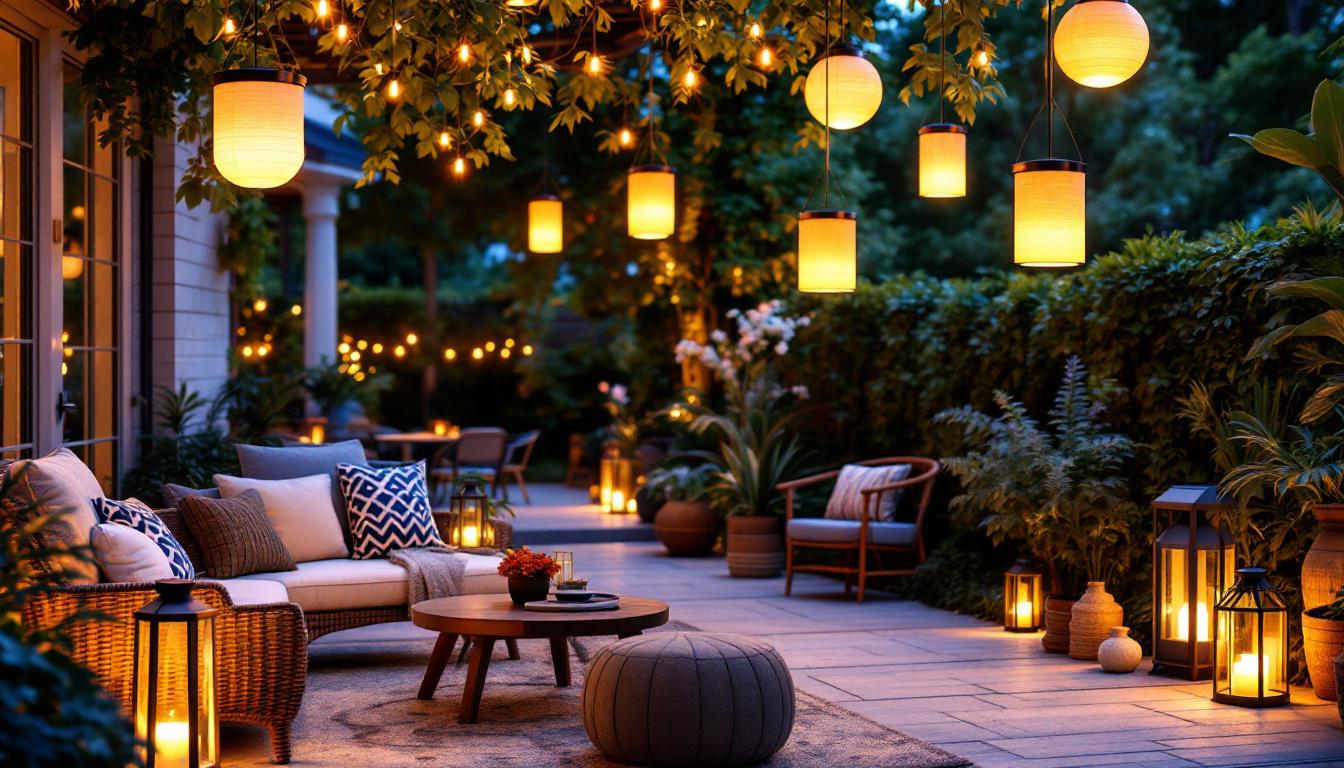
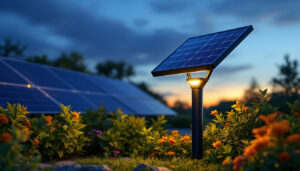
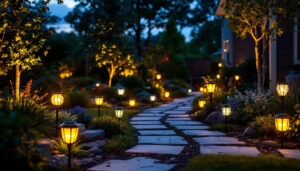
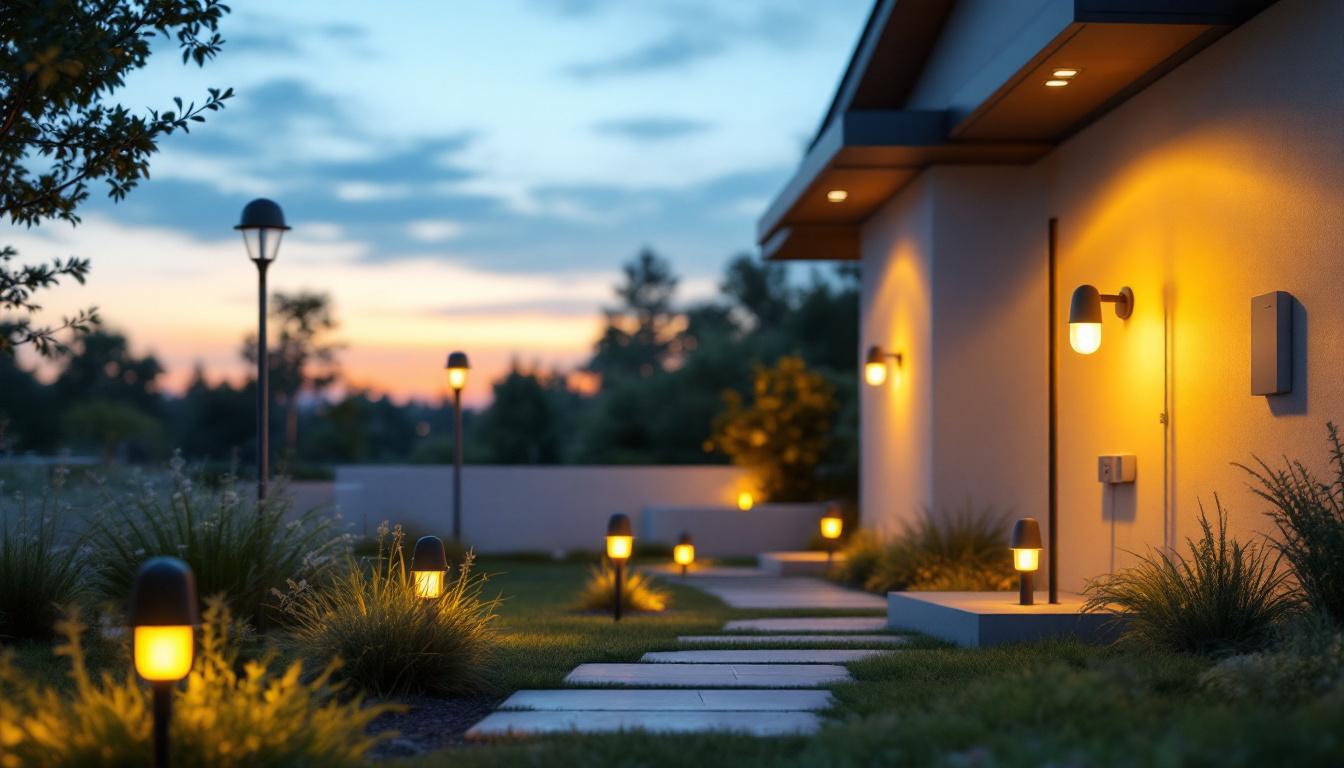
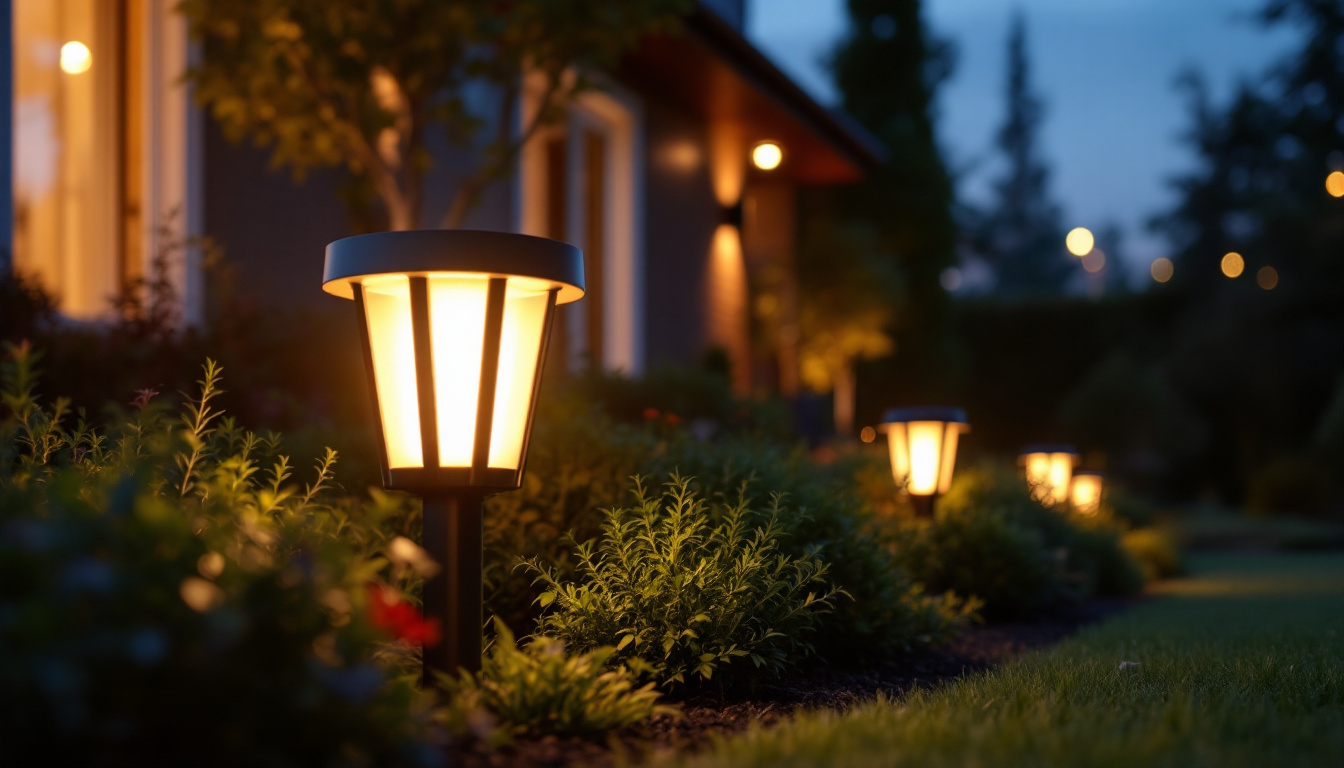
Solar hanging outdoor lanterns are decorative lighting fixtures powered by solar energy. They typically feature a solar panel that absorbs sunlight during the day, converting it into electricity to power the lantern at night. This self-sufficient design eliminates the need for traditional wiring and electricity, making them an attractive option for various outdoor settings. Not only do they provide illumination, but they also enhance the ambiance of gardens, patios, and balconies, creating a warm and inviting atmosphere for gatherings or quiet evenings under the stars.
Furthermore, the eco-friendly nature of solar lanterns appeals to environmentally conscious consumers. By utilizing renewable energy, these lanterns help reduce carbon footprints and lower electricity bills, making them a sustainable choice for outdoor lighting. As technology advances, many manufacturers are also focusing on improving the efficiency and durability of solar lanterns, ensuring they can withstand various weather conditions while providing reliable lighting throughout the seasons.
Components of Solar Hanging Lanterns
Each solar hanging lantern consists of several key components that work together to provide efficient lighting. The primary components include:
- Solar Panel: The solar panel is responsible for capturing sunlight and converting it into electrical energy. The efficiency of the solar panel directly impacts the performance of the lantern. High-quality panels can absorb more sunlight, even on overcast days, ensuring that the lantern remains functional during less-than-ideal weather conditions.
- Battery: The energy collected by the solar panel is stored in a rechargeable battery. This battery powers the lantern during the night or on cloudy days. Many modern lanterns use lithium-ion batteries, which offer a longer lifespan and better performance compared to traditional nickel-cadmium batteries.
- LED Bulbs: Most solar lanterns utilize LED bulbs due to their energy efficiency and long lifespan. These bulbs provide bright illumination while consuming minimal power. Additionally, advancements in LED technology have led to the development of color-changing options, allowing users to customize the lighting to suit different occasions.
- Light Sensor: Many models are equipped with a light sensor that automatically turns the lantern on at dusk and off at dawn, maximizing convenience for users. This feature not only saves energy but also ensures that the lantern is always ready to illuminate your outdoor space when needed.
Types of Solar Hanging Lanterns
Solar hanging lanterns come in a variety of styles and designs, catering to different aesthetic preferences and functional needs. Some popular types include:
- Traditional Lanterns: These lanterns mimic classic designs, often featuring intricate metalwork and glass panels, making them ideal for vintage or rustic settings. They can evoke a sense of nostalgia and charm, perfect for garden parties or outdoor weddings.
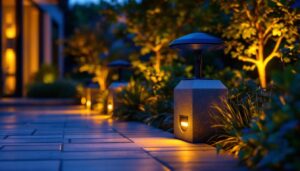
- Modern Lanterns: Sleek and minimalist, modern solar lanterns often incorporate contemporary materials such as stainless steel and plastic, appealing to modern design sensibilities. Their clean lines and understated elegance can complement contemporary architecture and landscaping.
- Decorative Lanterns: These lanterns may include unique shapes, colors, or patterns, serving as both lighting fixtures and decorative elements in outdoor spaces. Some even feature artistic designs that cast beautiful shadows, adding an enchanting touch to evenings spent outdoors.
- Multi-Function Lanterns: Some solar hanging lanterns are designed to serve multiple purposes, such as providing both lighting and charging capabilities for mobile devices. This innovative feature makes them particularly useful for camping trips or outdoor events where access to power outlets is limited.
Benefits of Solar Hanging Outdoor Lanterns
For lighting contractors, promoting the advantages of solar hanging lanterns can help clients make informed decisions. The benefits include:
Energy Efficiency
Solar hanging lanterns operate entirely on renewable energy, significantly reducing electricity consumption. This energy independence not only lowers utility bills but also contributes to a more sustainable lifestyle.
Easy Installation
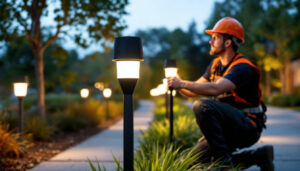
One of the most appealing aspects of solar lanterns is their ease of installation. Without the need for electrical wiring or professional installation, contractors can quickly set up these fixtures in various outdoor locations. This simplicity can lead to reduced labor costs and faster project completion times.
Versatility and Mobility
Solar hanging lanterns can be placed in numerous outdoor settings, from gardens and patios to balconies and pergolas. Their lightweight design allows for easy relocation, enabling homeowners to change their outdoor lighting arrangements as desired.
Installation Considerations for Lighting Contractors
While the installation of solar hanging lanterns is generally straightforward, several factors should be considered to ensure optimal performance and client satisfaction.
Location and Sunlight Exposure
Choosing the right location for solar lanterns is crucial. The solar panel must receive direct sunlight for a significant portion of the day to charge effectively. Contractors should assess the site for potential obstructions, such as trees or buildings, that may cast shadows on the solar panels.
Mounting Options
Solar hanging lanterns can be suspended from various structures, including trees, hooks, or pergolas. Contractors should evaluate the mounting options available at the installation site and ensure that the chosen method provides stability and security for the lanterns.
Height and Visibility
Proper height placement is essential for maximizing the visibility and effectiveness of solar lanterns. Ideally, they should be hung at a height that allows for optimal light distribution while ensuring that they are visible and aesthetically pleasing from various angles.
Maintenance of Solar Hanging Lanterns
To ensure the longevity and efficiency of solar hanging lanterns, regular maintenance is necessary. Contractors can provide valuable guidance to clients on how to care for their solar lighting systems.
Cleaning the Solar Panels
Dust, dirt, and debris can accumulate on solar panels, reducing their efficiency. Contractors should recommend periodic cleaning of the solar panels with a soft cloth and mild soap to maintain optimal performance. This simple maintenance task can significantly enhance the lantern’s ability to absorb sunlight.
Battery Replacement
Over time, the rechargeable batteries in solar lanterns may lose their ability to hold a charge. Contractors should inform clients about the typical lifespan of these batteries and recommend replacements as needed to ensure consistent lighting performance.
Seasonal Checks
Encouraging clients to perform seasonal checks on their solar lanterns can help identify any issues before they become significant problems. This includes inspecting the lanterns for physical damage, ensuring that the solar panels are unobstructed, and checking the functionality of the light sensor.
Choosing the Right Solar Hanging Lanterns
With a wide variety of solar hanging lanterns available on the market, lighting contractors must guide clients in selecting the right fixtures that align with their needs and preferences.
Assessing Client Needs
Understanding the specific requirements of each client is essential. Factors such as the intended use of the lanterns, desired aesthetic, and budget constraints should be considered when recommending products. Engaging in open discussions about preferences can lead to more tailored and satisfying outcomes.
Evaluating Quality and Performance
Not all solar hanging lanterns are created equal. Contractors should prioritize quality by researching reputable manufacturers and evaluating product reviews. Key performance indicators, such as battery life, brightness levels, and weather resistance, should be assessed to ensure that clients receive reliable products.
Design and Aesthetic Appeal
The design of solar hanging lanterns can significantly impact the overall ambiance of outdoor spaces. Contractors should consider the architectural style of the property and recommend lanterns that complement the existing design elements. This attention to detail can enhance the client’s satisfaction with the final installation.
Trends in Solar Hanging Outdoor Lanterns
The outdoor lighting industry is continuously evolving, with new trends emerging that can influence the selection and installation of solar hanging lanterns.
Smart Technology Integration
As smart home technology becomes increasingly popular, many solar hanging lanterns are now equipped with smart features. These may include remote control capabilities, smartphone app integration, and programmable lighting schedules. Contractors should stay informed about these advancements to offer clients the latest options in solar lighting.
Eco-Friendly Materials
With a growing emphasis on sustainability, many manufacturers are incorporating eco-friendly materials into their solar lantern designs. This includes recycled metals, biodegradable plastics, and non-toxic finishes. Contractors can appeal to environmentally conscious clients by highlighting these sustainable options.
Customizable Lighting Solutions
Customizable solar hanging lanterns allow clients to adjust brightness levels and color temperatures to suit their preferences. This flexibility can enhance the functionality of outdoor spaces, making them more versatile for various activities and occasions.
Conclusion
Solar hanging outdoor lanterns represent a compelling lighting solution for both residential and commercial applications. For lighting contractors, understanding the intricacies of these fixtures, from their components and benefits to installation and maintenance, is essential for delivering quality service to clients. By staying informed about trends and advancements in solar technology, contractors can position themselves as knowledgeable experts in the field, ultimately leading to greater client satisfaction and project success.
As the market for energy-efficient lighting continues to expand, solar hanging lanterns will likely play an increasingly significant role in outdoor lighting designs. By embracing this innovative technology, lighting contractors can not only meet the demands of their clients but also contribute to a more sustainable future.
Illuminate Your Projects with LumenWholesale
Ready to elevate your lighting projects with the latest in solar hanging outdoor lanterns? Look no further than LumenWholesale, where we provide lighting contractors with the highest quality, spec-grade lighting products at unbeatable wholesale prices. Our commitment to cutting out the middleman means you get superior lighting solutions without the inflated markups, ensuring every project shines with reliability and high performance. Plus, with free shipping on bulk orders, you can stock up on premium lighting at the best value — all without hidden fees or compromises. Don’t miss out on the perfect blend of quality, affordability, and convenience. Visit LumenWholesale today and discover Wholesale Lighting at the Best Value for your next installation.