Understanding Shelf Under Lighting and Its Growing Importance
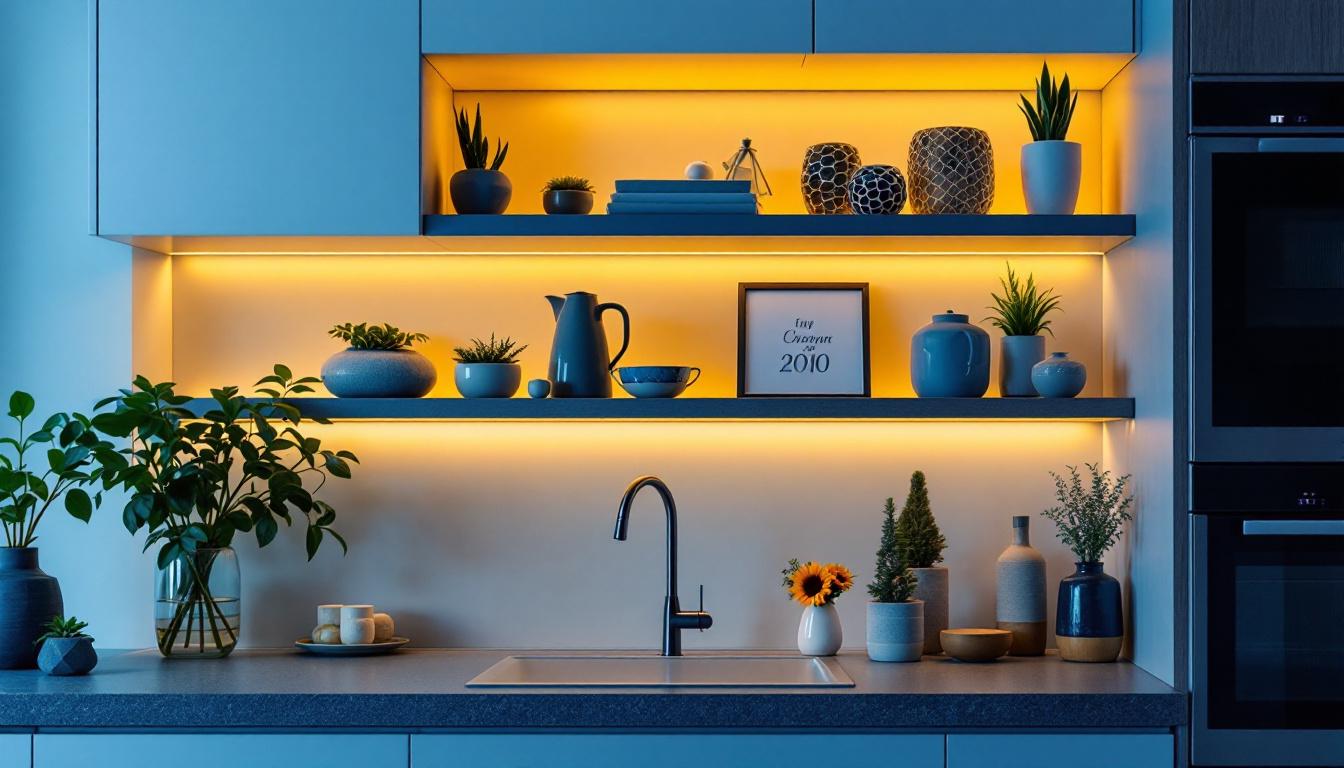
Shelf under lighting has become an essential component in modern interior design, offering both functional and aesthetic benefits. For lighting contractors, mastering the nuances of shelf lighting is critical to delivering high-quality installations that meet client expectations. This type of lighting enhances visibility on shelves, highlights decorative items, and contributes to the overall ambiance of a space.
With the rise of minimalist and contemporary design trends, integrated lighting solutions like shelf under lighting are increasingly sought after. According to industry surveys, over 60% of homeowners and commercial clients now prioritize layered lighting schemes, where accent lighting such as shelf illumination plays a pivotal role. For contractors, understanding the technical and design aspects of shelf under lighting is key to staying competitive and providing value-added services.
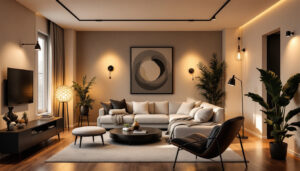
Moreover, the versatility of shelf under lighting allows it to be adapted to various settings, from residential homes to retail environments. In a home, it can create a cozy atmosphere in living rooms or provide practical illumination in kitchens and home offices. In retail spaces, strategically placed shelf lighting can draw attention to featured products, enhancing the shopping experience and encouraging purchases. This adaptability not only broadens the scope of projects for contractors but also allows them to tailor solutions to meet specific client needs and preferences.
Furthermore, advancements in LED technology have revolutionized shelf under lighting, making it more energy-efficient and longer-lasting than traditional lighting options. LEDs offer a range of color temperatures and brightness levels, enabling designers to create the perfect mood for any environment. Additionally, with the advent of smart lighting systems, clients can now control their shelf lighting remotely, adjusting brightness and color to suit their activities or preferences. This integration of technology not only enhances user experience but also positions contractors to offer cutting-edge solutions that align with the growing trend of smart home automation.
Key Types of Shelf Under Lighting for Contractors
LED Strip Lights
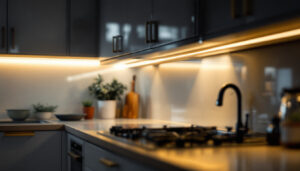
LED strip lights are the most popular choice for shelf under lighting due to their versatility, energy efficiency, and ease of installation. These flexible strips can be cut to size and mounted discreetly beneath shelves, providing uniform illumination. Their low heat emission makes them safe for use near sensitive materials, and they come in various color temperatures, from warm white to cool daylight, allowing contractors to tailor the lighting to the environment.
Furthermore, LED strips often feature dimmable options and smart controls, enabling clients to adjust brightness and color remotely. This adaptability makes LED strips a favorite among both residential and commercial projects.
Miniature Puck Lights
Miniature puck lights are small, circular fixtures that provide focused pools of light. They are ideal for highlighting specific objects or areas on shelves, such as collectibles or artwork. Puck lights can be surface-mounted or recessed, depending on the shelf design and client preferences.
While puck lights typically consume more power than LED strips per fixture, their directional nature allows for targeted lighting, which can create dramatic effects. Lighting contractors should consider the spacing and wiring complexity when planning puck light installations to ensure a clean and efficient setup.
Linear Light Bars
Linear light bars offer a rigid, sleek lighting solution that fits well with modern shelving units. They provide consistent illumination along the length of the shelf and are often used in commercial settings like retail displays or office environments. These fixtures can be surface-mounted or recessed and are available in various lengths and color temperatures.
Lighting contractors must assess the shelf material and thickness to select the appropriate mounting hardware and ensure the light bars are securely installed without damaging the structure.
Technical Considerations for Effective Shelf Under Lighting
Power Supply and Wiring
One of the most critical aspects of shelf under lighting installation is ensuring a safe and reliable power supply. Lighting contractors must evaluate the available power sources and plan wiring routes that minimize visibility and avoid interference with other electrical systems. Low-voltage DC systems are common for LED installations, requiring transformers or drivers to convert standard AC power.
Compliance with local electrical codes and standards is non-negotiable. Contractors should use UL-listed components and ensure all connections are secure and insulated. Additionally, planning for future maintenance access is vital to avoid costly repairs or replacements down the line.
Light Placement and Spacing
Proper placement and spacing of light fixtures are essential to achieving uniform illumination and avoiding shadows or glare. For LED strips, continuous runs beneath the shelf edge typically provide the best results. Puck lights should be spaced evenly, usually between 12 to 18 inches apart, depending on the desired brightness and shelf depth.
Contractors should also consider the height of the shelf and the objects displayed when determining the angle and intensity of the lighting. Testing different configurations during installation can help optimize the lighting effect.
Heat Management
Although LEDs generate less heat than traditional bulbs, heat dissipation remains a concern, especially in enclosed or tight shelving spaces. Overheating can reduce the lifespan of LED components and pose safety risks. Lighting contractors should select fixtures with built-in heat sinks or install additional ventilation if necessary.
Using aluminum profiles or channels for LED strips not only improves heat dissipation but also provides a polished finish that enhances the overall aesthetic.
Design and Aesthetic Factors in Shelf Under Lighting
Color Temperature and Mood Setting
Choosing the right color temperature is crucial for setting the mood and complementing the room’s design. Warm white light (2700K to 3000K) creates a cozy, inviting atmosphere, ideal for residential spaces like living rooms and bedrooms. Neutral white (3500K to 4100K) offers a balanced, natural look suitable for kitchens and offices, while cool white (5000K and above) provides a crisp, modern feel often favored in retail or gallery settings.
Lighting contractors should discuss color temperature options with clients and, when possible, provide samples or demonstrations to help them make informed decisions.
Integration with Other Lighting Layers
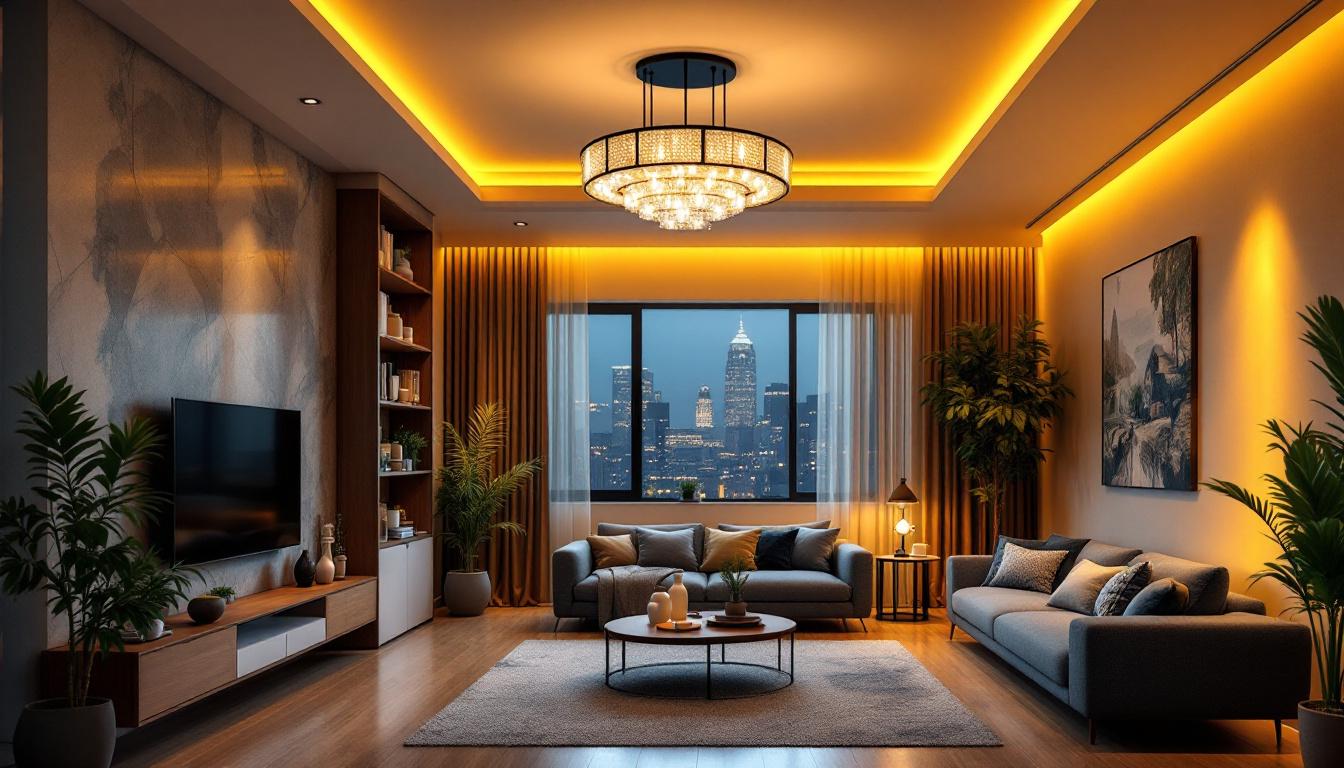
Shelf under lighting should complement other lighting layers, including ambient, task, and accent lighting. Contractors must coordinate with other trades or designers to ensure the shelf lighting enhances the overall lighting plan without causing conflicts or redundancy.
For example, in a kitchen, shelf lighting can provide focused task lighting for countertop areas, while ambient ceiling lights handle general illumination. In retail, shelf lighting highlights products, drawing customer attention while maintaining a cohesive store atmosphere.
Control Systems and Automation
Modern lighting solutions often incorporate smart controls that allow users to adjust brightness, color, and scheduling via apps or voice commands. Lighting contractors should be familiar with popular control systems such as DALI, DMX, Zigbee, and Wi-Fi-enabled platforms.
Integrating shelf under lighting with these systems adds value by offering convenience and energy savings. It also future-proofs installations, making it easier to upgrade or expand lighting setups as technology evolves.
Best Practices for Installation and Maintenance
Pre-Installation Planning
Successful shelf under lighting projects begin with thorough planning. Contractors should conduct site surveys to assess shelf dimensions, materials, and existing electrical infrastructure. Detailed measurements and sketches help prevent costly mistakes during installation.
Engaging clients early in the design process ensures their needs and preferences are understood, reducing the likelihood of revisions later. Providing clear timelines and cost estimates fosters trust and professionalism.
Installation Techniques
During installation, attention to detail is paramount. Contractors should use appropriate mounting hardware and adhesives designed for the shelf material to avoid damage or fixture detachment. Concealing wiring within walls, cabinetry, or cable channels maintains a clean look.
Testing each light fixture individually before finalizing the installation helps identify defects or connection issues early. Proper labeling of wiring and components facilitates future troubleshooting and maintenance.
Maintenance and Troubleshooting
Although LED-based shelf lighting requires minimal maintenance, contractors should educate clients on basic care practices, such as dusting fixtures and avoiding moisture exposure. Providing a maintenance schedule and contact information for service inquiries enhances customer satisfaction.
Common issues like flickering lights or dimming can often be traced to power supply problems or loose connections. Lighting contractors should be prepared to offer prompt diagnostic and repair services to uphold their reputation.
Emerging Trends and Innovations in Shelf Under Lighting
The lighting industry continues to evolve rapidly, with new technologies and design concepts shaping shelf under lighting solutions. OLED panels, for instance, offer ultra-thin, uniform light sources that can be integrated seamlessly into shelves for a futuristic look. Though currently more expensive, OLEDs represent a promising direction for high-end projects.
Additionally, advancements in tunable white and color-changing LEDs enable dynamic lighting scenes that adapt to different times of day or user moods. These features, combined with AI-driven home automation, are setting new standards for personalized lighting experiences.
Lighting contractors who stay abreast of these trends and invest in ongoing training will be well-positioned to meet the evolving demands of clients and maintain a competitive edge.
Conclusion
Shelf under lighting is a vital element in contemporary lighting design that offers both practical illumination and aesthetic enhancement. For lighting contractors, understanding the various types of fixtures, technical requirements, design considerations, and installation best practices is essential for delivering exceptional results.
By embracing emerging technologies and maintaining a client-focused approach, contractors can capitalize on the growing demand for sophisticated shelf lighting solutions. Ultimately, expertise in shelf under lighting not only elevates project quality but also strengthens professional reputation and business growth.
Illuminate Your Projects with LumenWholesale
Ready to enhance your lighting projects with the best shelf under lighting solutions on the market? Look no further than LumenWholesale, where we provide lighting contractors with spec-grade products at unbeatable wholesale prices. Our commitment to quality and affordability ensures that you have access to the most reliable and high-performance lighting for all your design needs. Say goodbye to inflated markups and hello to hassle-free bulk buying with free shipping. Elevate your lighting installations today and discover the value of wholesale lighting with LumenWholesale.