Introduction to Roof LED Lights
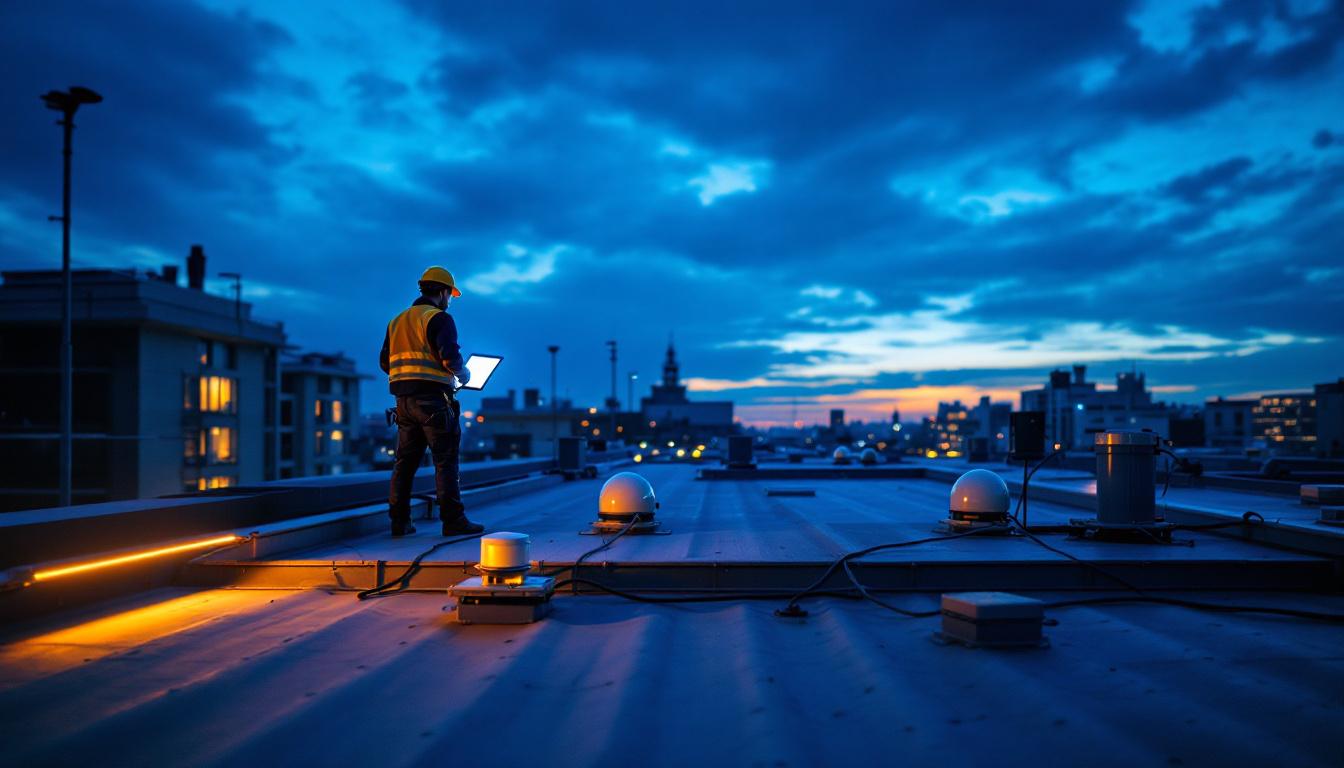
Roof LED lights have become an essential component in modern lighting design, particularly for commercial, industrial, and residential roofing applications. For lighting contractors, understanding the nuances of these lighting solutions is critical to delivering effective, energy-efficient, and aesthetically pleasing installations. This article provides a concise yet comprehensive overview of roof LED lights, highlighting their types, benefits, installation considerations, and key factors to ensure optimal performance.
LED technology has revolutionized the lighting industry by offering long-lasting, energy-efficient alternatives to traditional lighting options. Roof LED lights leverage this technology to address specific challenges associated with rooftop illumination, such as weather resistance, heat dissipation, and uniform light distribution. For contractors, mastering these aspects translates into better project outcomes and satisfied clients.
One of the most notable advantages of roof LED lights is their exceptional lifespan, often exceeding 50,000 hours compared to the 1,000 hours typical of incandescent bulbs. This longevity not only reduces the frequency of replacements but also minimizes maintenance costs, making them an attractive option for building owners. Additionally, roof LED lights are available in a variety of color temperatures, allowing for customization that can enhance the architectural features of a building while providing the necessary illumination for safety and functionality.
Moreover, the energy efficiency of LED lights contributes significantly to reducing a building’s carbon footprint. With lower energy consumption, these lights not only help in lowering utility bills but also align with sustainability goals that many organizations strive to achieve. Furthermore, advancements in smart lighting technology allow for the integration of LED roof lights with automated systems, enabling features such as dimming, scheduling, and remote control, which can further enhance energy savings and user convenience.
Types of Roof LED Lights and Their Applications
Floodlights and Area Lights
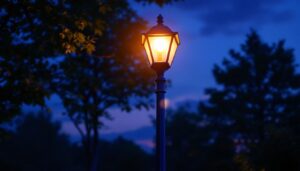
Floodlights are among the most common roof LED lights used for illuminating large outdoor areas such as parking lots, building perimeters, and sports facilities. Their wide beam angle and high lumen output make them ideal for security lighting and general area illumination. Modern LED floodlights often come with adjustable brackets and integrated sensors, allowing for versatile installations and enhanced energy savings. These features not only improve functionality but also contribute to reducing operational costs, making them a popular choice for both residential and commercial applications.
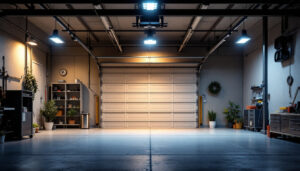
Area lights, on the other hand, are designed to provide uniform lighting over specific zones. They are frequently used in commercial roofing applications to ensure safety and visibility around HVAC units, access points, and walkways. Contractors should consider the mounting height and beam spread to avoid dark spots and glare. Additionally, many area lights now come equipped with smart technology, enabling remote control and scheduling, which can further optimize energy usage and enhance security measures during off-hours.
Strip and Linear LED Lights
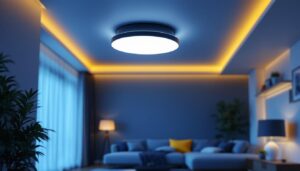
Strip and linear LED lights are increasingly popular for architectural accent lighting on roofs. These fixtures are slim, flexible, and can be installed along edges, parapets, or beneath overhangs to create dramatic visual effects. For lighting contractors, these lights offer opportunities to enhance a building’s aesthetic appeal while maintaining low energy consumption. The ability to customize lengths and colors makes them particularly appealing for unique architectural designs, allowing for seamless integration into various styles, from modern to traditional.
In addition to aesthetics, linear LEDs can also serve functional purposes such as pathway illumination or highlighting safety zones. Their versatility in color temperature and dimming capabilities allows for customized lighting solutions tailored to client needs. Furthermore, many strip lights are now available with RGB capabilities, enabling dynamic color changes that can be synchronized with events or seasons, providing an engaging visual experience that can attract attention and enhance the overall ambiance of the space.
Downlights and Recessed Roof Lights
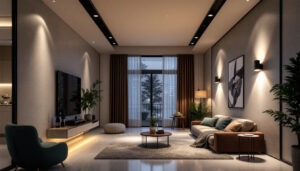
Downlights are typically installed in soffits or eaves to provide focused illumination downward from the roofline. These lights are effective for entryways, loading docks, and other areas requiring targeted lighting. Recessed roof lights, which are integrated flush with the roofing surface, provide a sleek and unobtrusive lighting option that can withstand harsh weather conditions. Their discreet design not only minimizes visual clutter but also protects the fixtures from potential damage caused by wind or debris, making them ideal for high-traffic areas.
For contractors, selecting downlights with appropriate ingress protection (IP) ratings and thermal management features is vital to ensure longevity and performance in rooftop environments. Moreover, advancements in LED technology have led to the development of downlights that offer tunable white options, allowing users to adjust the color temperature based on the time of day or specific activities, thereby enhancing comfort and functionality. This adaptability makes downlights an excellent choice for creating inviting and safe environments in both commercial and residential settings.
Benefits of Using Roof LED Lights
Energy Efficiency and Cost Savings
One of the most compelling reasons to specify roof LED lights is their superior energy efficiency compared to traditional lighting technologies such as metal halide or high-pressure sodium lamps. LEDs consume significantly less power while delivering equivalent or higher lumen output. This translates into lower electricity bills and reduced operational costs for building owners.
Moreover, LEDs have a longer lifespan, often exceeding 50,000 hours, which reduces maintenance frequency and associated labor costs. For lighting contractors, this means fewer service calls and enhanced client satisfaction due to the reliability of the installed system.
Durability and Weather Resistance
Roof environments expose lighting fixtures to extreme weather conditions including rain, snow, wind, and UV radiation. Roof LED lights are specifically designed with robust housings, corrosion-resistant materials, and sealed optics to withstand these challenges. Many fixtures carry IP65 or higher ratings, ensuring protection against dust and water ingress.
Contractors should prioritize products with proven durability to minimize the risk of premature failure and warranty claims. Additionally, LED lights generate less heat, reducing thermal stress on components and further enhancing lifespan.
Improved Safety and Security
Effective rooftop lighting enhances safety for maintenance personnel and deters unauthorized access. Bright, uniform illumination reduces trip hazards and improves visibility around rooftop equipment and access points. From a security perspective, well-lit roofs can discourage intruders and facilitate surveillance camera performance.
Lighting contractors can integrate roof LED lights with smart controls and motion sensors to optimize security lighting, activating illumination only when needed and conserving energy during low-activity periods.
Installation Considerations for Lighting Contractors
Site Assessment and Planning
Successful roof LED light installations begin with a thorough site assessment. Contractors should evaluate the roof layout, existing electrical infrastructure, and environmental conditions. Understanding the client’s lighting objectives—whether for security, aesthetics, or safety—is essential to selecting the appropriate fixtures and placement.
Mapping out the lighting zones and calculating the required lumen levels ensures compliance with local codes and standards. Utilizing lighting design software can aid in visualizing the final outcome and optimizing fixture positioning to avoid shadows and glare.
Electrical and Structural Requirements
Roof LED lights often require specific electrical considerations, including voltage compatibility, surge protection, and wiring methods suitable for outdoor exposure. Contractors must verify that the building’s electrical system can support the new fixtures without overloading circuits.
Structurally, mounting hardware must be compatible with the roofing material, whether it is metal, membrane, or tile. Proper sealing around penetrations is critical to prevent water intrusion and preserve roof integrity. Using manufacturer-recommended mounting kits and following installation guidelines minimizes risks of damage and ensures warranty compliance.
Thermal Management and Ventilation
Although LEDs produce less heat than traditional lamps, managing the heat they do generate is crucial for maintaining performance and lifespan. Roof LED fixtures are designed with heat sinks and ventilation features to dissipate thermal energy effectively.
Contractors should avoid installing fixtures in locations where airflow is restricted or where heat buildup could occur, such as enclosed spaces or near heat-reflective surfaces. Proper spacing between fixtures and adherence to manufacturer thermal specifications help prevent overheating and premature failure.
Key Factors for Ensuring Optimal Performance
Choosing the Right Color Temperature and CRI
Color temperature influences the ambiance and functionality of rooftop lighting. Cool white LEDs (4000K-5000K) are often preferred for security and industrial applications due to their brightness and clarity. Warm white options (2700K-3500K) may be selected for architectural accent lighting to create inviting atmospheres.
Color Rendering Index (CRI) is another important metric, indicating how accurately colors appear under the light source. Higher CRI values (above 80) are desirable for applications where color distinction is important, such as retail or hospitality environments.
Integration with Smart Controls and Sensors
Modern roof LED lights can be integrated with smart lighting controls, including motion sensors, daylight harvesting, and remote management systems. These technologies enhance energy efficiency by adjusting light levels based on occupancy and ambient light conditions.
For lighting contractors, offering smart solutions adds value to installations and aligns with growing client demand for sustainable and connected building technologies. Compatibility with existing building automation systems should be verified during the planning phase.
Maintenance and Warranty Considerations
Even with long-lasting LEDs, routine maintenance is necessary to ensure continued performance. Contractors should educate clients on cleaning schedules, inspection protocols, and troubleshooting common issues such as flickering or dimming.
Selecting products with comprehensive warranties and reliable manufacturer support protects both contractors and clients from unexpected costs. Documenting installation details and adhering to recommended practices helps maintain warranty validity.
Conclusion
Roof LED lights represent a vital element in contemporary lighting projects, offering energy efficiency, durability, and versatile design options. For lighting contractors, a solid understanding of the different types of roof LED lights, their benefits, and installation best practices is essential to delivering high-quality, reliable lighting solutions.
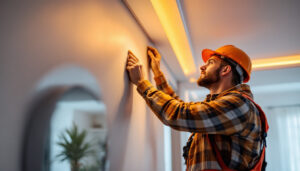
By carefully assessing site conditions, selecting appropriate fixtures, and integrating smart technologies, contractors can enhance safety, security, and aesthetics while meeting client expectations and regulatory requirements. Staying informed about advancements in LED technology and installation techniques will continue to empower lighting professionals in this evolving field.
Get Your Premium Roof LED Lights at LumenWholesale
Ready to elevate your lighting projects with the most efficient, durable, and versatile roof LED lights on the market? Look no further than LumenWholesale. Our commitment to quality and affordability ensures that you have access to spec-grade lighting products without the premium price tag. Say goodbye to local distributor markups and hello to our extensive selection that meets the highest industry standards. With free shipping on bulk orders, LumenWholesale is your go-to source for superior lighting solutions that blend quality, affordability, and convenience seamlessly. Don’t compromise on your lighting needs—Wholesale Lighting at the Best Value is just a click away.