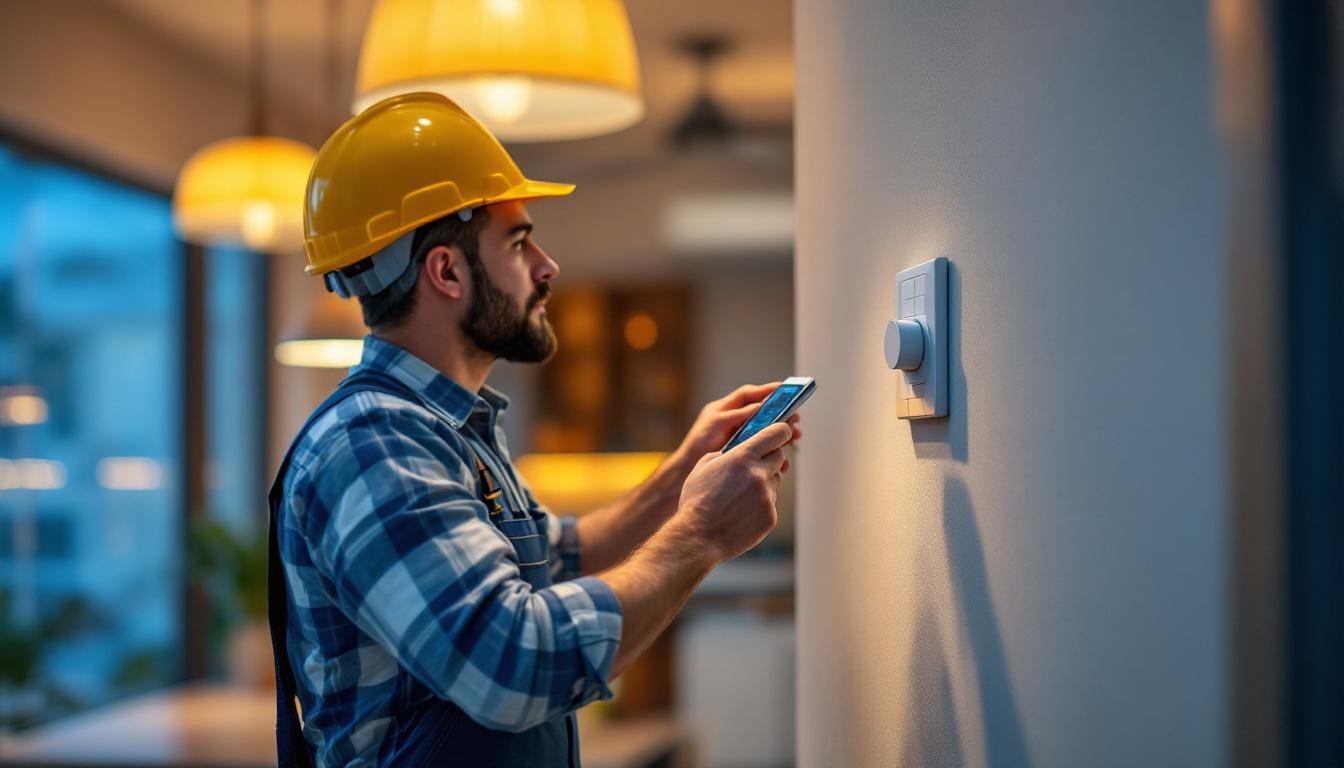
In the ever-evolving world of lighting and electrical installations, the demand for innovative solutions is at an all-time high. One such solution that has gained popularity among lighting contractors is the remote fan switch. This device not only enhances the functionality of ceiling fans but also adds a layer of convenience for homeowners. For lighting contractors aiming to stay ahead of the curve, mastering the remote fan switch is essential. This article will delve into the intricacies of remote fan switches, providing valuable tips and insights to help contractors excel in their projects.
Understanding Remote Fan Switches
Remote fan switches are devices that allow users to control ceiling fans from a distance, typically using a handheld remote or a smartphone app. These switches can operate various fan functions, including speed settings, light dimming, and even reverse operation. Understanding how these devices work is crucial for lighting contractors who want to provide comprehensive solutions to their clients.
Types of Remote Fan Switches
There are primarily two types of remote fan switches: universal and manufacturer-specific. Universal remote fan switches can be used with a wide range of fan models, making them a versatile choice for contractors. On the other hand, manufacturer-specific switches are designed to work exclusively with particular brands or models of ceiling fans. Knowing the differences between these types can help contractors make informed decisions when recommending products to clients.
Benefits of Using Remote Fan Switches
Incorporating remote fan switches into lighting projects offers numerous benefits. First and foremost, they provide convenience, allowing homeowners to adjust fan settings without needing to get up. This feature is particularly appealing in larger rooms where reaching the fan’s pull chain can be cumbersome.
Additionally, remote fan switches can enhance energy efficiency. By enabling users to easily adjust fan speeds and settings, these devices can help maintain comfortable temperatures while reducing energy consumption. This is an attractive selling point for environmentally conscious clients.
Moreover, remote fan switches can contribute to the aesthetic appeal of a room. Many modern designs come with sleek, stylish remotes or integrate seamlessly with smart home systems, allowing for a cohesive look that complements contemporary interior design. This integration can also include features such as scheduling, where users can set their fans to operate at specific times, further enhancing the convenience and functionality of their living spaces.
Furthermore, the installation of remote fan switches can increase the overall value of a home. As smart home technology becomes more prevalent, potential buyers are increasingly looking for homes equipped with modern conveniences. By offering remote control capabilities for ceiling fans, homeowners can make their properties more attractive to prospective buyers, thereby potentially increasing resale value. This added feature not only enhances the living experience but also positions the home favorably in a competitive real estate market.
Installation Tips for Lighting Contractors
Installing remote fan switches may seem straightforward, but there are several best practices that contractors should follow to ensure a successful installation. Attention to detail during the installation process can prevent future issues and enhance customer satisfaction.
Choosing the Right Location
When installing a remote fan switch, selecting the right location is crucial. The switch should be placed within easy reach of the user, ideally in a location where it can be accessed comfortably. Additionally, consider the layout of the room and the positioning of the ceiling fan to ensure optimal functionality.
It is also essential to avoid placing the switch in areas with potential interference from other electronic devices. This can help prevent connectivity issues and ensure reliable operation. For instance, placing the switch too close to a Wi-Fi router or other wireless devices can disrupt the signal, leading to inconsistent performance. Therefore, taking the time to evaluate the environment can significantly enhance the user experience.
Wiring Considerations
Proper wiring is fundamental to the successful installation of remote fan switches. Contractors should familiarize themselves with the wiring diagram provided by the manufacturer to ensure correct connections. This includes understanding the wiring for the fan, light, and remote switch itself.
Moreover, it is advisable to turn off the power at the circuit breaker before beginning any installation work. This precaution helps ensure safety and prevents accidental electrical shocks. Once the wiring is complete, double-check all connections before restoring power to the circuit. Additionally, using high-quality wiring and connectors can further prevent issues down the line, such as overheating or short circuits. It is also beneficial to label wires during installation; this practice not only aids in the current setup but can also simplify any future maintenance or troubleshooting tasks.
Furthermore, contractors should consider the potential for future upgrades or changes in technology. With the rise of smart home devices, integrating remote fan switches with home automation systems can provide added convenience for users. Planning for compatibility with smart home technology during the installation can enhance the overall value of the service provided and ensure that the installation remains relevant as technology evolves.
Programming and Configuration
After the installation is complete, the next step involves programming the remote fan switch. This process can vary depending on the model, but there are some general tips that can help contractors streamline this phase.
Syncing the Remote with the Switch
Most remote fan switches require syncing with the remote control for proper operation. This process typically involves pressing a specific button on the switch and the remote simultaneously. Contractors should refer to the user manual for detailed instructions to ensure a smooth syncing process.
Once synced, test the remote to confirm that it operates the fan as intended. This includes checking all functions, such as speed adjustments and light controls. Addressing any issues during this phase can save time and prevent callbacks from clients.
Educating Clients on Usage
After installation and programming, it is essential to educate clients on how to use their new remote fan switch effectively. Providing a brief demonstration can help clients feel more comfortable with the technology and enhance their overall experience.
Contractors should explain the various functions of the remote, including how to adjust fan speeds, turn the light on and off, and reverse the fan direction. Offering written instructions or a quick reference guide can also be beneficial for clients who may forget specific features.
Common Issues and Troubleshooting
Even with proper installation and programming, issues may arise with remote fan switches. Being prepared to troubleshoot common problems can enhance a contractor’s reputation and build client trust.
Connectivity Problems
One of the most common issues with remote fan switches is connectivity problems. If the remote is not communicating with the switch, it may be due to interference from other electronic devices or obstacles that block the signal. Contractors should advise clients to keep the area around the fan and switch clear of obstructions.
In cases where interference is suspected, testing the remote in different locations can help identify the source of the problem. If necessary, consider recommending a different model that operates on a different frequency to avoid interference.
Power Issues
Another potential issue is power-related. If the fan or light does not respond to the remote, it could be due to a tripped circuit breaker or a blown fuse. Contractors should encourage clients to check their circuit breaker panel and replace any blown fuses as a first step in troubleshooting.
If power issues persist, it may be necessary to inspect the wiring and connections to ensure everything is secure and functioning correctly. This thorough approach can prevent future problems and demonstrate a contractor’s commitment to quality work.
Advanced Features and Upgrades
As technology advances, remote fan switches are becoming increasingly sophisticated. Lighting contractors should stay informed about the latest features and upgrades available in the market to provide clients with the best options.
Smart Home Integration
Many modern remote fan switches are compatible with smart home systems, allowing users to control their fans through voice commands or smartphone apps. This integration adds a layer of convenience and can be a significant selling point for tech-savvy clients.
Contractors should explore various smart home platforms and recommend switches that seamlessly integrate with clients’ existing systems. This knowledge not only enhances the contractor’s expertise but also positions them as a valuable resource for clients looking to upgrade their homes.
Energy Monitoring Features
Some remote fan switches come equipped with energy monitoring capabilities, allowing users to track their energy consumption. This feature can be particularly appealing to environmentally conscious clients who want to reduce their carbon footprint.
Educating clients about these advanced features can help them make informed decisions and encourage them to invest in energy-efficient solutions. By highlighting the long-term savings and environmental benefits, contractors can enhance their value proposition.
Conclusion
Mastering the installation and functionality of remote fan switches is an invaluable skill for lighting contractors. By understanding the various types of switches, installation best practices, programming techniques, and troubleshooting strategies, contractors can provide exceptional service to their clients.
Moreover, staying informed about advanced features and smart home integration can set contractors apart in a competitive market. As the demand for innovative lighting solutions continues to grow, embracing technologies like remote fan switches will undoubtedly enhance a contractor’s reputation and success in the industry.
Ultimately, the goal is to create a seamless and enjoyable experience for clients, ensuring their satisfaction and fostering long-term relationships. By mastering the remote fan switch, lighting contractors can elevate their services and meet the evolving needs of modern homeowners.
Get Your Remote Fan Switches at LumenWholesale
Ready to take your lighting projects to the next level with the latest remote fan switches? Look no further than LumenWholesale, where we provide lighting contractors with the highest quality, spec-grade lighting products at unbeatable wholesale prices. Our extensive selection is designed to meet the highest industry standards, ensuring you get reliable, high-performance lighting for every project. Plus, with free shipping on bulk orders, you can stock up on the best lighting solutions without worrying about hidden fees or compromises. Elevate your service offerings and delight your clients with the perfect blend of quality, affordability, and convenience. Discover the value of wholesale lighting with LumenWholesale by visiting our extensive product range today.