In the competitive world of office design and renovation, lighting plays a pivotal role in enhancing productivity, employee satisfaction, and overall aesthetics. For lighting contractors, understanding the nuances of office lighting can not only elevate the quality of installations but also significantly boost profits. This guide delves into the essentials of recommended office lighting, offering insights that can help contractors make informed decisions and recommendations.
The Importance of Office Lighting
Effective office lighting is more than just a functional necessity; it is a critical component that influences workplace dynamics. Poor lighting can lead to fatigue, decreased productivity, and even health issues among employees. Conversely, well-designed lighting can enhance focus, creativity, and overall well-being. Studies have shown that employees working in well-lit environments report higher levels of job satisfaction and are more likely to engage in collaborative efforts, fostering a sense of community within the workplace.
As contractors, recognizing the psychological and physiological impacts of lighting can help in crafting tailored solutions for clients. The right lighting design not only improves employee morale but can also reduce absenteeism and increase efficiency, translating to higher profits for businesses. Furthermore, the integration of natural light into office spaces has been linked to improved mood and cognitive function, making it a vital consideration in modern office design.
Types of Office Lighting
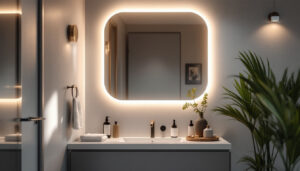
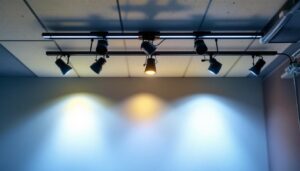
Understanding the various types of office lighting is essential for lighting contractors. Broadly, office lighting can be categorized into three types: ambient, task, and accent lighting. Each serves a distinct purpose and can be combined to create a harmonious lighting environment. Ambient lighting, often provided by overhead fixtures, creates a uniform light level throughout the space, ensuring that no area is overly dark or harshly illuminated. Task lighting, on the other hand, is focused lighting that aids specific activities, such as reading or working on a computer. This type of lighting can be achieved through desk lamps or adjustable fixtures that allow employees to direct light where it is needed most. Accent lighting is used to highlight particular areas or features, adding visual interest and depth to the overall design, such as illuminating artwork or architectural details that contribute to the office’s character.
Moreover, the choice of light color temperature can greatly influence the atmosphere of the office. Warmer tones can create a cozy and inviting environment, while cooler tones are often associated with alertness and concentration. This understanding allows contractors to tailor the lighting to match the company culture and the specific tasks performed within different areas of the office.
Key Considerations for Office Lighting Design
When designing office lighting, several factors must be taken into account. These include the layout of the office, the nature of the work being performed, and the preferences of the employees. A well-thought-out lighting plan can significantly enhance the functionality and aesthetics of the workspace. For instance, open-plan offices may benefit from a combination of ambient and task lighting to accommodate various work styles, while private offices might require more focused lighting solutions to support individual productivity.
Additionally, energy efficiency should be a priority. With the increasing emphasis on sustainability, using LED lighting and smart controls can reduce energy consumption and lower costs, making it an attractive option for clients. Smart lighting systems can adjust automatically based on the time of day or occupancy, ensuring that energy is not wasted in unoccupied areas. This not only aligns with corporate sustainability goals but also appeals to environmentally conscious employees, creating a workplace that reflects modern values and priorities.
Lighting Technologies and Trends
The lighting industry is continually evolving, with new technologies and trends emerging regularly. Staying updated on these advancements is crucial for contractors looking to provide the best solutions to their clients.
LED Lighting
LED technology has revolutionized the lighting industry, offering numerous advantages over traditional lighting options. LEDs are energy-efficient, have a longer lifespan, and produce less heat, making them an ideal choice for office environments.
Furthermore, the versatility of LED lights allows for various applications, from overhead fixtures to task lighting. Their ability to be dimmed or controlled via smart systems also enhances their appeal, allowing for customized lighting experiences that can adapt to different tasks and moods. Additionally, the color rendering index (CRI) of LED lights has improved significantly, ensuring that colors appear more vibrant and true to life. This is particularly beneficial in retail spaces or design studios, where accurate color perception is essential.
Smart Lighting Solutions
Smart lighting systems are becoming increasingly popular in modern office designs. These systems allow for remote control and automation of lighting, enabling users to adjust brightness and color temperature according to their needs.
Integrating smart lighting not only improves energy efficiency but also enhances the user experience. For contractors, offering smart lighting solutions can differentiate their services and attract tech-savvy clients looking for innovative office designs. Moreover, many smart lighting systems can be programmed to sync with other smart devices, such as thermostats and security systems, creating a cohesive smart environment. This interconnectedness not only streamlines the user experience but also contributes to a more sustainable approach to energy consumption, as lighting can be optimized based on occupancy and natural light availability.
Biophilic Lighting Design
Another emerging trend in lighting is biophilic design, which seeks to connect occupants with nature through the use of natural light and organic materials. Incorporating elements like daylight simulation and fixtures that mimic natural forms can enhance well-being and productivity in office spaces.
Research has shown that exposure to natural light can significantly improve mood and reduce stress levels, making biophilic lighting an attractive option for employers looking to create healthier work environments. By utilizing adjustable skylights or light tubes, contractors can bring more daylight into interior spaces, reducing reliance on artificial lighting and fostering a more inviting atmosphere. This trend not only appeals to employees but also aligns with sustainability goals, as it encourages the use of renewable resources and reduces energy consumption.
Creating a Balanced Lighting Scheme
A balanced lighting scheme is essential for creating a comfortable and productive office environment. This involves a careful combination of ambient, task, and accent lighting to ensure that all areas of the office are adequately illuminated.
Layering Light
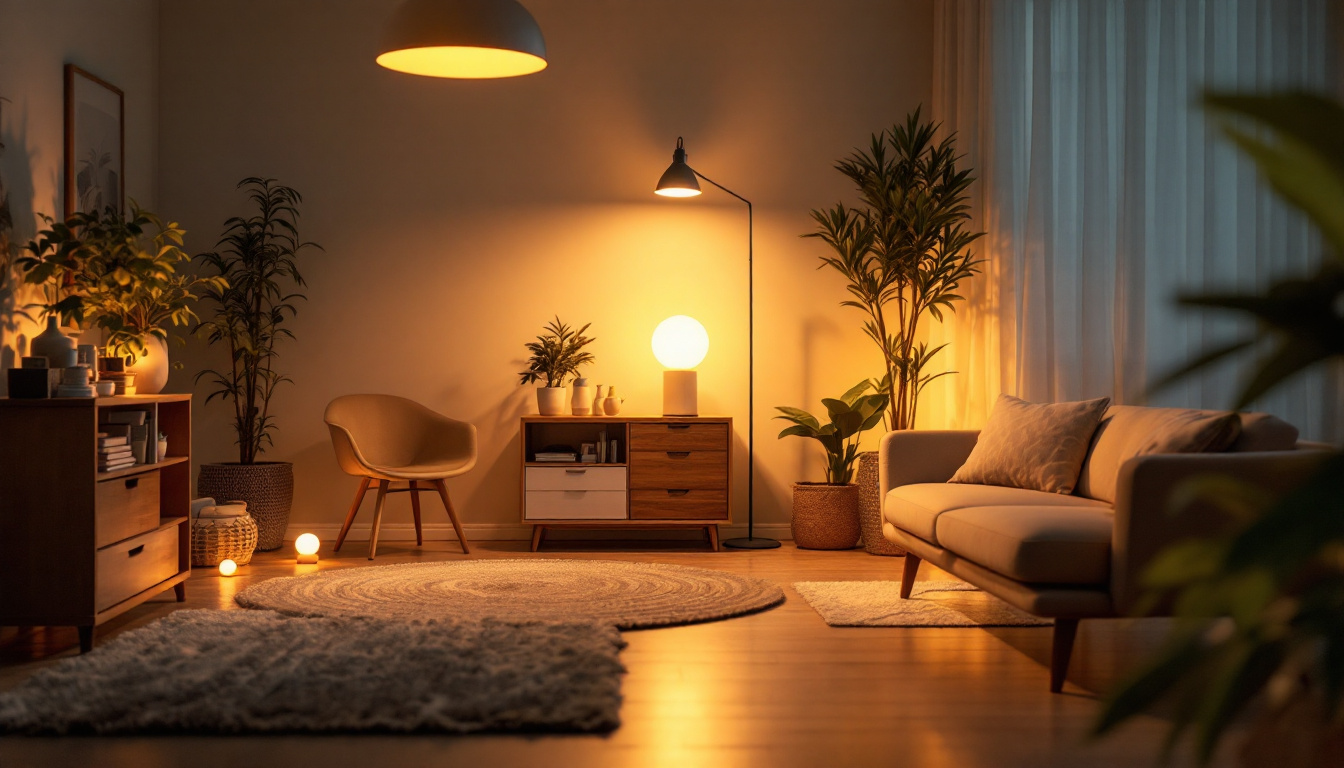
Layering light is a technique that involves using multiple sources of light to achieve a balanced and dynamic lighting environment. By combining different types of lighting, contractors can create a more visually interesting space that caters to various activities.
For example, combining overhead ambient lighting with task lighting at individual workstations allows employees to have control over their immediate environment, promoting comfort and productivity. Accent lighting can be added to highlight artwork or architectural features, further enhancing the overall aesthetic.
Consideration of Color Temperature
Color temperature plays a significant role in the perception of a space. Warmer light (around 2700K to 3000K) creates a cozy and inviting atmosphere, ideal for collaborative spaces and lounges. In contrast, cooler light (above 4000K) promotes alertness and focus, making it suitable for workstations and meeting rooms.
Contractors should consider the specific functions of different areas within the office when selecting color temperatures. A thoughtful approach can lead to improved employee satisfaction and productivity.
Health and Well-being in Office Lighting
With increasing awareness of the impact of workplace environments on health, lighting contractors must prioritize well-being in their designs. Research has shown that proper lighting can reduce eye strain, headaches, and fatigue, contributing to a healthier workplace.
Natural Light Integration
Integrating natural light into office spaces has numerous benefits. Exposure to natural light has been linked to improved mood, increased productivity, and enhanced overall well-being. Contractors should aim to maximize natural light through the strategic placement of windows and skylights.
In situations where natural light is limited, using full-spectrum LED lights can mimic the effects of daylight, providing a similar boost to employee morale and productivity.
Lighting Control Systems
Implementing lighting control systems can empower employees to adjust their lighting according to their preferences and tasks. These systems can include dimmers, timers, and occupancy sensors, allowing for greater flexibility and energy efficiency.
By providing employees with control over their environment, contractors can enhance comfort and satisfaction, leading to a more engaged workforce.
Cost Considerations and ROI
For lighting contractors, understanding the cost implications of different lighting solutions is essential. While initial investments in high-quality lighting systems may be higher, the long-term benefits often outweigh these costs.
Energy Savings
Energy-efficient lighting solutions, such as LEDs and smart lighting systems, can lead to significant savings on energy bills. Over time, these savings can contribute to a positive return on investment (ROI) for clients, making energy-efficient options more appealing.
Contractors should provide clients with estimates of potential energy savings and payback periods, helping them make informed decisions about their lighting investments.
Enhanced Productivity
Investing in quality office lighting can lead to enhanced productivity, which is often a more significant factor in ROI than direct cost savings. By improving employee well-being and satisfaction through effective lighting design, businesses can see increased output and reduced turnover.
Contractors should emphasize the long-term benefits of quality lighting solutions, helping clients understand that the initial investment can lead to greater profitability over time.
Conclusion: The Future of Office Lighting
The landscape of office lighting is continually evolving, with new technologies and trends shaping the way spaces are illuminated. For lighting contractors, staying informed and adapting to these changes is crucial for success.
By focusing on the principles of effective lighting design, understanding the latest technologies, and emphasizing health and productivity, contractors can provide exceptional value to their clients. As the demand for innovative and efficient office lighting solutions grows, the opportunities for contractors to boost profits and enhance their services will continue to expand.
Ultimately, the goal of any lighting contractor should be to create spaces that not only meet the functional needs of clients but also enrich the lives of the employees who work within those spaces. By prioritizing quality, efficiency, and well-being, contractors can position themselves as leaders in the industry, driving both client satisfaction and business success.
Illuminate Your Projects with LumenWholesale
Ready to elevate your lighting installations and drive your business success? At LumenWholesale, we provide lighting contractors with the highest quality, spec-grade lighting products at the most competitive wholesale prices. Say goodbye to local distributor markups and hello to a vast selection of reliable, high-performance lighting that meets rigorous industry standards. With the added benefits of free shipping and bulk buying convenience, LumenWholesale is your go-to source for premium lighting solutions that blend quality, affordability, and ease. Don’t compromise on your lighting needs—choose Wholesale Lighting at the Best Value and light up your projects with confidence.