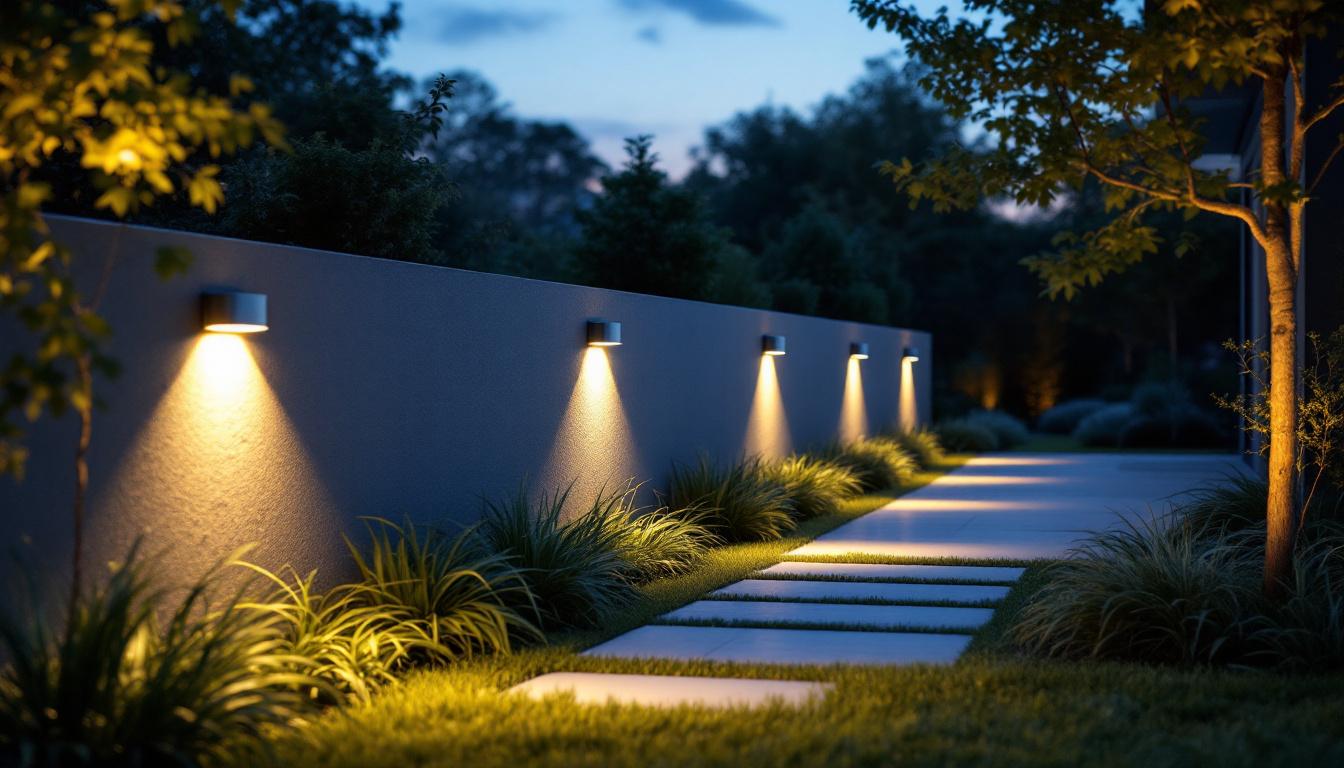
Understanding Recessed Garden Wall Lights
Recessed garden wall lights have become a staple in outdoor lighting design, offering a sleek, subtle way to illuminate pathways, patios, and garden features. Unlike traditional fixtures that protrude from walls, recessed lights are installed flush with the surface, creating a clean, minimalist look that blends seamlessly with the architecture.
For lighting contractors, mastering the nuances of recessed garden wall lights is essential. These fixtures not only enhance safety and aesthetics but also require specific installation techniques to ensure durability and performance in outdoor environments. Proper installation is critical, as it can significantly impact the longevity of the fixtures and their ability to withstand various weather conditions. Using high-quality materials and ensuring proper sealing against moisture can prevent issues like corrosion and electrical failures.
What Makes Recessed Wall Lights Different?
The primary distinction lies in their installation method. Recessed lights are embedded into walls, often requiring cutting into masonry or wood surfaces. This integration demands precision to maintain structural integrity and weatherproofing. Additionally, recessed fixtures typically have a narrower beam angle, focusing light downward or outward to highlight pathways or architectural details without causing glare. The design of these fixtures often includes adjustable features, allowing for customization of light direction, which can enhance the overall ambiance of the space.
Common Applications in Garden Settings
Pathway illumination is a frequent use case. Recessed lights embedded along garden walls or steps help prevent trips and falls after dark. They also serve as accent lighting, drawing attention to textured walls, plants, or water features. In commercial landscapes, recessed garden wall lights contribute to ambiance while meeting safety codes. Beyond pathways, these lights can be strategically placed near seating areas to create inviting spots for relaxation and social gatherings. When paired with timers or smart home systems, recessed lights can be programmed to adjust automatically with the changing seasons, ensuring that outdoor spaces are always welcoming and safe.
Moreover, the aesthetic versatility of recessed garden wall lights allows them to complement various design styles, from contemporary to rustic. Homeowners can choose from a range of finishes and light temperatures, ensuring that the lighting harmonizes with the overall design scheme of their outdoor spaces. Additionally, integrating energy-efficient LED options not only reduces electricity costs but also minimizes environmental impact, making recessed lights a sustainable choice for eco-conscious consumers.
Technical Considerations for Installation
Installing recessed garden wall lights involves more than just cutting holes and wiring fixtures. Contractors must account for the environment, electrical requirements, and fixture specifications to ensure long-lasting, effective lighting.
Material Compatibility and Wall Construction
Understanding the wall material is crucial. Masonry walls require different cutting tools and mounting hardware compared to wooden fences or composite panels. For example, coring into concrete or brick demands a diamond-tipped drill bit and careful sealing around the fixture to prevent moisture ingress.
Wooden walls, on the other hand, allow for easier installation but necessitate weather-resistant fixtures and proper sealing to avoid water damage. Contractors should also verify the wall’s thickness and structural soundness before embedding fixtures to prevent compromising stability. Additionally, the choice of mounting hardware is essential; stainless steel or galvanized screws are recommended to resist rust and degradation over time, especially in humid or coastal environments.
Waterproofing and Weather Resistance
Outdoor lighting faces constant exposure to elements. Recessed garden wall lights must have an appropriate Ingress Protection (IP) rating—typically IP65 or higher—to withstand rain, dust, and temperature fluctuations. Proper sealing around the fixture is equally important; silicone gaskets and waterproof back boxes are common solutions.
Failing to address waterproofing can lead to electrical shorts, corrosion, and fixture failure, which not only increases maintenance costs but also poses safety risks. Furthermore, it is advisable to consider the installation of drainage holes or channels in the fixture design to allow any trapped water to escape, thereby extending the lifespan of the lighting system. This proactive approach can significantly mitigate the risks associated with prolonged exposure to moisture.
Electrical Wiring and Power Supply
Low-voltage systems (12V or 24V) are popular for garden lighting due to their safety and energy efficiency. Lighting contractors should plan wiring routes carefully to minimize voltage drop, especially when running long cable lengths along walls. Using appropriately gauged wire and quality transformers ensures consistent illumination.
For recessed fixtures, wiring must be concealed within the wall or conduit, requiring precise planning during installation. Additionally, adherence to local electrical codes and standards is mandatory to guarantee safe operation. It is also beneficial to incorporate smart technology into the lighting system, allowing for remote control and automation. This can enhance user experience and energy efficiency, enabling homeowners to adjust lighting levels or schedules according to their preferences or seasonal changes. Moreover, integrating motion sensors can further optimize energy use by ensuring lights are only activated when needed, adding an extra layer of convenience and security to outdoor spaces.
Choosing the Right Fixtures and Bulbs
The market offers a wide variety of recessed garden wall lights, each with unique features tailored to different applications. Selecting the right fixture involves balancing aesthetics, functionality, and durability.
Fixture Styles and Finishes
Fixtures come in various shapes-round, square, linear-and finishes like stainless steel, bronze, or powder-coated aluminum. The choice depends on the garden’s design theme and the surrounding materials. For instance, stainless steel complements modern landscapes, while bronze blends well with traditional or rustic settings.
Contractors should also consider fixture size relative to wall dimensions to maintain proportion and visual harmony.
Light Source Options: LEDs vs. Others
LED technology dominates the outdoor lighting sector due to its longevity, energy efficiency, and low heat output. LEDs also offer a range of color temperatures, from warm white to cool daylight, allowing for tailored ambiance.
While halogen or incandescent bulbs are less common now, some projects may still specify them for particular effects. However, LEDs generally provide better performance and lower maintenance, making them the preferred choice for recessed garden wall lights.
Beam Angle and Light Distribution
Beam angle affects how light spreads across the garden wall or pathway. Narrow beams (15°–30°) create focused accents, ideal for highlighting architectural details or plants. Wider beams (60°–120°) offer broader illumination for safety and general lighting.
Understanding the intended lighting effect helps contractors recommend fixtures with appropriate optics, ensuring client satisfaction and functional success.
Installation Best Practices and Tips
Proper installation is critical to the performance and longevity of recessed garden wall lights. Lighting contractors should follow best practices to avoid common pitfalls.
Pre-Installation Planning
Start with a detailed site survey to assess wall materials, electrical access points, and lighting goals. Mapping out fixture locations ensures balanced illumination and efficient wiring runs.
Consulting with landscape architects or clients during this phase helps align expectations and design intent.
Cutting and Mounting Techniques
Use the correct tools for cutting into walls-masonry saws for brick or concrete, jigsaws or hole saws for wood. Precision is key to avoid uneven edges or damage.
Mount fixtures securely with corrosion-resistant screws and anchors. Ensure the fixture sits flush with the wall surface to maintain the recessed effect.
Sealing and Weatherproofing
After installation, apply waterproof sealant around the fixture edges. Check gaskets and back boxes for proper fit before finalizing.
Perform a water test if possible, spraying the fixture to verify no leaks occur.
Electrical Connections and Testing
Make all electrical connections according to manufacturer instructions and code requirements. Use waterproof connectors and junction boxes designed for outdoor use.
Test the lighting system thoroughly before closing up walls or backfilling trenches. Verify brightness, beam angles, and switch functionality.
Maintenance and Troubleshooting
Even the best-installed recessed garden wall lights require periodic maintenance to keep them performing optimally.
Routine Cleaning
Outdoor fixtures accumulate dirt, leaves, and moisture residue. Cleaning lenses and housings every few months prevents light dimming and corrosion.
Use non-abrasive cloths and mild detergents to avoid damaging finishes.
Inspecting for Damage and Moisture
Check for cracks, loose fittings, or signs of water ingress regularly. Early detection of issues can prevent costly repairs or replacements.
Replacing Bulbs and Components
LED modules typically last many years, but when replacement is necessary, ensure compatibility with existing fixtures. For non-LED lamps, keep spare bulbs on hand matching the original specifications.
Troubleshooting Common Issues
Flickering lights often indicate loose wiring or voltage fluctuations. Dim illumination might result from dirty lenses or voltage drop due to undersized wiring. Address these promptly to maintain safety and aesthetic quality.
Why Lighting Contractors Should Prioritize Recessed Garden Wall Lights
Recessed garden wall lights offer a combination of subtlety and functionality that few other outdoor fixtures can match. For contractors, they represent an opportunity to showcase technical skill and design sensibility.
Clients increasingly seek outdoor lighting that complements their landscape without overwhelming it. Recessed fixtures meet this demand by providing effective illumination while preserving clean lines and unobtrusive profiles.
Moreover, the durability and energy efficiency of modern recessed lights translate to satisfied clients and fewer callbacks, enhancing a contractor’s reputation and profitability.
Staying Ahead with Knowledge and Skill
Mastering the installation and maintenance of recessed garden wall lights positions contractors as experts in outdoor lighting. This expertise opens doors to more complex projects and higher-end clientele.
Investing time in understanding the latest fixture technologies, waterproofing methods, and wiring techniques pays dividends in project success and client trust.
Conclusion
Recessed garden wall lights are more than just decorative elements; they are integral to safe, stylish, and sustainable outdoor lighting design. Lighting contractors who understand their intricacies-from selection and installation to maintenance-can deliver superior results that stand the test of time.
By focusing on quality workmanship and informed choices, contractors not only enhance outdoor spaces but also build lasting client relationships and professional credibility.
Illuminate Your Projects with LumenWholesale
Ready to elevate your outdoor lighting projects with the sleek sophistication of recessed garden wall lights? Look no further than LumenWholesale, where we provide lighting contractors with the highest quality, spec-grade lighting solutions at unbeatable wholesale prices. Our commitment to cutting out the middleman means you get the best value for your investment. With our extensive selection, free shipping on bulk orders, and no hidden fees, you can trust that you’re getting premium lighting that meets the highest industry standards. Don’t compromise on quality or affordability. Discover wholesale lighting at the best value today and bring your garden lighting designs to life with LumenWholesale.