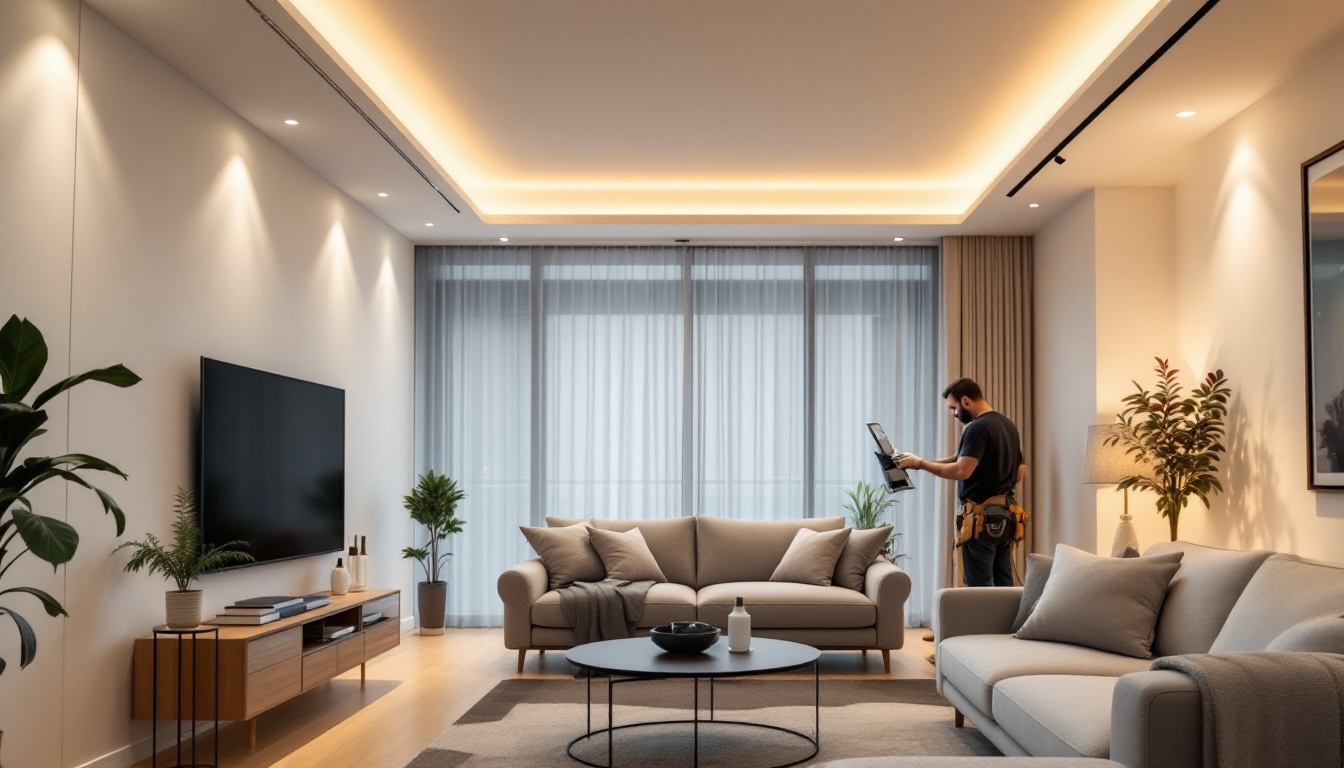
Understanding Recessed Lighting
recessed lighting, often referred to as can lighting or downlighting, has become a popular choice among homeowners and commercial spaces alike. This type of lighting is installed into the ceiling, creating a sleek, unobtrusive look that enhances the aesthetic appeal of any room. For lighting contractors, understanding the nuances of recessed fixtures is essential for delivering quality installations that meet client expectations. The installation process involves careful planning and consideration of the ceiling structure, insulation, and electrical wiring, ensuring that the final result is both functional and visually appealing.
Recessed fixtures come in various designs and functionalities, allowing for versatility in different environments. From adjustable trims to fixed options, the choice of recessed lighting can significantly influence the ambiance and functionality of a space. For contractors, staying updated on the latest trends and technologies in recessed lighting is crucial for maintaining a competitive edge. Innovations such as LED technology have revolutionized the market, offering energy-efficient solutions that not only reduce electricity bills but also have a longer lifespan compared to traditional bulbs. This shift towards sustainability is becoming increasingly important for clients who are conscious of their environmental footprint.
Benefits of Recessed Lighting
One of the primary advantages of recessed lighting is its ability to provide a clean and modern look. Unlike traditional light fixtures that can disrupt the visual flow of a room, recessed lights blend seamlessly into the ceiling. This makes them particularly appealing for contemporary designs where minimalism is key. Moreover, recessed lighting can be strategically placed to enhance the architectural features of a space, creating a sense of depth and dimension that can make a room feel larger and more inviting.
Additionally, recessed lighting is highly versatile. It can be used for general illumination, task lighting, or accent lighting, depending on the needs of the space. This adaptability allows contractors to tailor their lighting solutions to meet specific client requirements, enhancing customer satisfaction. For example, in a kitchen, recessed lights can be installed above countertops for task lighting while also providing ambient light throughout the room. In living areas, they can be used to create a cozy atmosphere by dimming the lights during movie nights or gatherings, showcasing their multifunctional capabilities.
Types of Recessed Fixtures
There are several types of recessed fixtures available, each designed for specific applications. The most common types include adjustable, fixed, and wall wash fixtures. Adjustable fixtures offer the ability to direct light where it is needed most, making them ideal for highlighting artwork or architectural features. These fixtures can be particularly useful in galleries or homes with unique design elements that deserve attention.
Fixed fixtures, on the other hand, provide a consistent beam of light and are often used for general illumination. Wall wash fixtures are designed to cast light evenly across a wall, creating a soft glow that enhances the texture and color of the surface. Understanding these options allows contractors to recommend the best solutions for their clients’ needs. Furthermore, there are also specialized fixtures such as shower lights, which are designed to withstand moisture, making them suitable for bathrooms. By offering a variety of choices, contractors can ensure that each installation not only meets the functional requirements but also aligns with the aesthetic vision of the client, ultimately leading to a more satisfying result.
Installation Techniques for Recessed Fixtures
Proper installation of recessed fixtures is critical to achieving optimal performance and aesthetics. Lighting contractors must be well-versed in the various techniques and best practices to ensure a successful installation. This not only includes the physical installation but also understanding the electrical requirements and safety standards.
Planning the Layout
Before installation begins, careful planning of the layout is essential. Contractors should assess the space, taking into consideration the ceiling height, room dimensions, and the intended use of the area. A well-planned layout will ensure even light distribution and prevent dark spots or overly bright areas.
It is also important to consider the placement of furniture and other elements in the room. For instance, recessed lighting should be positioned to avoid casting shadows on work surfaces or seating areas. By mapping out the layout in advance, contractors can create a lighting design that enhances the functionality and aesthetics of the space.
Electrical Considerations
Electrical safety is paramount when installing recessed fixtures. Contractors must ensure that all wiring and connections comply with local codes and regulations. This includes using the appropriate gauge of wire and ensuring that the fixtures are rated for the intended use, especially in areas with moisture, such as kitchens and bathrooms.
Additionally, incorporating dimmers and smart controls can enhance the functionality of recessed lighting. These features allow homeowners to adjust the brightness and create different moods, further increasing the appeal of the installation. Contractors should be familiar with the latest technologies to offer clients the best solutions available.
Choosing the Right Recessed Fixtures
With a plethora of options available, selecting the right recessed fixtures can be daunting. Lighting contractors must consider various factors, including the purpose of the lighting, the style of the space, and energy efficiency. Making informed choices will not only satisfy clients but also contribute to the overall success of the project.
Purpose and Functionality
Understanding the purpose of the recessed lighting is crucial in the selection process. For example, if the goal is to provide general illumination, a wider beam angle may be more suitable. Conversely, for task lighting, a more focused beam may be necessary. Contractors should engage in discussions with clients to clarify their needs and preferences, ensuring that the selected fixtures align with their vision.
Furthermore, contractors should consider the color temperature of the fixtures. Warmer tones can create a cozy atmosphere, while cooler tones are often preferred for workspaces. By offering a range of options, contractors can help clients achieve the desired ambiance in their spaces.
Energy Efficiency and Sustainability
In today’s environmentally conscious world, energy efficiency is a significant consideration for both contractors and clients. LED recessed fixtures have gained popularity due to their longevity and reduced energy consumption compared to traditional incandescent bulbs. By recommending energy-efficient options, contractors can not only help clients save on energy bills but also contribute to a more sustainable future.
Additionally, many LED fixtures come with integrated smart technology, allowing for remote control and automation. This feature not only enhances convenience but also promotes energy conservation by allowing users to schedule lighting based on their habits.
Common Challenges in Recessed Lighting Installation
Despite the many benefits of recessed lighting, contractors may encounter challenges during installation. Being aware of these potential issues and having strategies to address them can lead to smoother projects and happier clients.
Dealing with Ceiling Joists
One of the most common challenges in installing recessed fixtures is navigating ceiling joists. In some cases, the placement of joists may restrict the ability to install fixtures in desired locations. Contractors must be skilled in determining the best placement while adhering to structural integrity.
Using adjustable brackets or remodeling cans can help mitigate this issue, allowing for flexibility in placement. Additionally, contractors should communicate with clients about potential limitations and provide alternative solutions that still meet their lighting needs.
Ensuring Proper Insulation
Another challenge is ensuring that recessed fixtures are properly insulated, particularly in attics or areas where heat loss is a concern. Contractors should be familiar with insulation requirements and ensure that fixtures are rated for contact with insulation, or use IC-rated fixtures that are designed for such applications.
Proper insulation not only improves energy efficiency but also prevents potential fire hazards. Contractors should emphasize the importance of this aspect to clients, ensuring that all installations are safe and compliant with regulations.
Future Trends in Recessed Lighting
The world of recessed lighting is continually evolving, with new technologies and design trends emerging regularly. Staying informed about these trends is essential for lighting contractors who want to remain competitive and provide cutting-edge solutions to clients.
Smart Lighting Integration
Smart lighting is one of the most significant trends shaping the future of recessed fixtures. With advancements in technology, homeowners can now control their lighting through smartphones and voice-activated devices. This integration not only offers convenience but also allows for customizable lighting experiences.
Contractors should familiarize themselves with various smart lighting systems and be prepared to offer clients options that align with their preferences. This may include programmable schedules, remote dimming, and color-changing capabilities, all of which enhance the overall user experience.
Design Innovations
Design innovations are also impacting the recessed lighting market. Sleeker, more compact fixtures are being developed, allowing for greater design flexibility. Additionally, customizable trims and finishes enable contractors to match fixtures with existing decor, creating a cohesive look throughout the space.
As design trends shift towards more organic and natural aesthetics, recessed lighting is evolving to complement these styles. Contractors should keep an eye on emerging designs to offer clients the latest and most visually appealing options.
Conclusion
Recessed lighting offers a versatile and modern solution for both residential and commercial spaces. For lighting contractors, understanding the intricacies of recessed fixtures, installation techniques, and emerging trends is essential for delivering quality service and meeting client expectations. By staying informed and adapting to the evolving landscape of recessed lighting, contractors can ensure successful projects and satisfied clients.
Ultimately, the key to success in the recessed lighting market lies in a combination of technical knowledge, design awareness, and a commitment to providing energy-efficient solutions. As the demand for smart and sustainable lighting continues to grow, contractors who embrace these changes will be well-positioned for success in the industry.
Illuminate Your Projects with LumenWholesale
Ready to elevate your lighting installations with the latest in recessed fixtures? Look no further than LumenWholesale, where we provide contractors with exceptional, spec-grade lighting products at the best wholesale value. Our commitment to quality and affordability ensures that you can access a wide range of reliable, high-performance lighting options for every project. Plus, with the convenience of free shipping on bulk orders, you can save more without sacrificing quality. Discover how LumenWholesale can enhance your lighting solutions by visiting our selection at Wholesale Lighting at the Best Value.