Why Recessed Lighting is a Top Choice for Bathrooms
Bathrooms demand lighting solutions that are both functional and stylish. Recessed ceiling lights have become a go-to option for many lighting contractors working on bathroom projects. Their sleek, unobtrusive design allows them to blend seamlessly into the ceiling, providing a clean and modern look that complements a wide range of bathroom styles.
Unlike traditional fixtures that hang or protrude, recessed lights sit flush with the ceiling, creating an even distribution of light without clutter. This is especially important in bathrooms, where space can be limited and moisture levels high. Proper lighting enhances safety, highlights design features, and improves the overall ambiance.
For contractors, recessed lighting offers flexibility. They can be arranged to highlight specific areas such as the vanity, shower, or bathtub, or used to provide general illumination. This adaptability, combined with their aesthetic appeal, makes recessed lights a practical and popular choice.
Moreover, the energy efficiency of recessed lighting cannot be overlooked. Many modern recessed fixtures utilize LED technology, which not only consumes less power but also has a longer lifespan compared to traditional incandescent bulbs. This means fewer replacements and lower energy bills, making them an economical choice for homeowners who want to maintain a stylish yet sustainable bathroom environment. Additionally, with the ability to choose from various color temperatures, homeowners can create the perfect mood, whether they desire a bright, invigorating light for morning routines or a softer, warmer glow for relaxing baths.
Another significant advantage of recessed lighting is its ability to enhance the perceived size of a bathroom. By providing a uniform spread of light, these fixtures can eliminate shadows and dark corners, making the space feel larger and more inviting. When strategically placed, recessed lights can draw attention to architectural details such as tiled walls or decorative fixtures, elevating the overall design. The combination of functionality and aesthetics makes recessed lighting an essential element in modern bathroom design, appealing to both homeowners and designers alike.
Key Considerations When Installing Recessed Bathroom Lights
Moisture Resistance and Safety Ratings
Bathrooms are high-humidity environments, which means lighting fixtures must be rated for damp or wet locations. Not all recessed lights are created equal in this regard. Choosing fixtures with the appropriate IP (Ingress Protection) rating is critical to ensure longevity and safety.
For areas directly exposed to water, such as over the shower or tub, wet-rated fixtures are necessary. Damp-rated fixtures may suffice for other bathroom zones where moisture is present but direct water contact is unlikely. Installing the right rating prevents electrical hazards and fixture damage. Additionally, it’s essential to consider the materials used in the fixtures. Corrosion-resistant materials, such as stainless steel or certain plastics, can further enhance durability in a moisture-rich environment, ensuring that your investment stands the test of time.
Choosing the Right Size and Trim
The size of recessed fixtures affects both the quality and spread of light. Common sizes range from 3 to 6 inches in diameter, with 4-inch fixtures often striking a good balance between brightness and subtlety. Larger fixtures can provide more light but may dominate the ceiling visually.
Trim options also influence the light’s character. Baffle trims reduce glare and soften light, ideal for creating a relaxing atmosphere. Reflector trims increase brightness and are suitable for task lighting near mirrors. Adjustable trims allow directional lighting, useful for highlighting artwork or architectural details. Furthermore, consider the color temperature of the bulbs used in these fixtures. Warmer tones (2700K-3000K) can create a cozy and inviting space, while cooler tones (4000K-5000K) can enhance visibility and make the bathroom feel more spacious and clean.
Spacing and Layout for Optimal Illumination
Proper spacing of recessed lights ensures even coverage without dark spots or excessive brightness. A common rule is to space fixtures about 4 to 6 feet apart, but this depends on ceiling height, fixture wattage, and the desired lighting effect.
For bathrooms with standard 8-foot ceilings, placing lights approximately 4 feet apart typically provides balanced illumination. Higher ceilings may require wider spacing or higher wattage bulbs. Incorporating dimmers can add control over light intensity, enhancing comfort and functionality. Additionally, consider the layout of your bathroom when planning the placement of recessed lights. For instance, placing fixtures strategically over vanities or in shower areas can enhance both aesthetics and practicality, ensuring that every corner of the room is well-lit and inviting. Utilizing a combination of recessed lights with other types of lighting, such as sconces or pendant lights, can create a layered lighting effect that adds depth and warmth to the overall design.
Lighting Types and Bulb Options for Recessed Bathroom Fixtures
LED vs. Halogen vs. CFL
LED bulbs have become the standard choice for recessed bathroom lighting due to their energy efficiency, long lifespan, and low heat output. They consume significantly less power than halogen or CFL bulbs, reducing operational costs and environmental impact. Additionally, the lifespan of LED bulbs can exceed 25,000 hours, which means less frequent replacements and less waste in landfills. This longevity makes them a practical choice for busy bathrooms where lighting is frequently used.
Halogen bulbs offer excellent color rendering and brightness but generate more heat and use more energy. They are often favored for their warm light quality, which can create a more inviting atmosphere in a bathroom setting. However, their shorter lifespan—typically around 2,000 hours—means they require more frequent changes. CFLs are more energy-efficient than halogens but contain mercury, which poses disposal challenges. While they can last up to 10,000 hours, the environmental concerns associated with their disposal may deter some homeowners. LEDs provide the best balance of performance and sustainability, making them the go-to option for modern bathroom designs.
Color Temperature and CRI
Color temperature affects the mood and functionality of bathroom lighting. Warm white (2700K-3000K) creates a cozy, inviting atmosphere, while cool white (3500K-4100K) or daylight (5000K-6500K) promotes alertness and clarity, ideal for grooming tasks. Choosing the right color temperature can significantly impact how you perceive your space; for instance, warm light can enhance the appearance of natural wood finishes, while cooler tones can make a small bathroom feel more spacious and airy. It’s essential to consider the overall design and color scheme of your bathroom when selecting the appropriate lighting temperature.
Color Rendering Index (CRI) measures how accurately a light source reveals colors. A CRI of 80 or above is recommended for bathrooms to ensure skin tones and makeup colors appear natural. High CRI LEDs are widely available and preferred for this reason, as they help eliminate any unflattering shadows or distortions that can occur under lower-quality lighting. Additionally, combining different color temperatures and CRI ratings in various areas of the bathroom can create a layered lighting effect, enhancing both functionality and aesthetics. For instance, using cooler lights near mirrors for grooming tasks while incorporating warmer lights in other areas can create a balanced and inviting environment.
Installation Tips and Best Practices for Contractors
Planning and Electrical Considerations
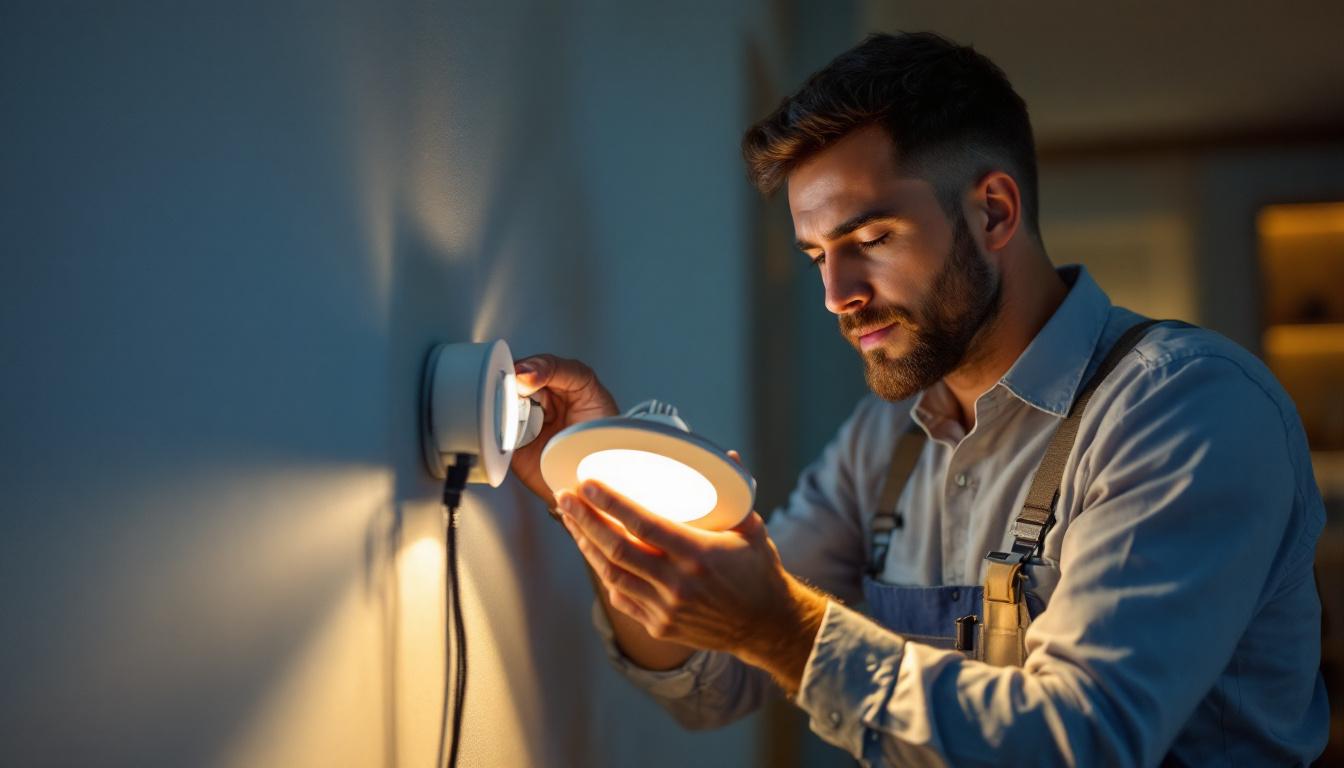
Before installation, assess the bathroom layout and electrical infrastructure. Recessed lights require adequate ceiling clearance and proper junction boxes. Confirm that wiring meets local electrical codes and that circuits can handle the additional load.
Contractors should plan fixture placement to avoid joists, plumbing, or ductwork. Using adjustable housings can help navigate structural obstacles. Incorporating GFCI protection adds a layer of safety in wet environments.
Ensuring Proper Ventilation and Heat Dissipation
Though LEDs produce minimal heat, older fixtures or halogen bulbs can generate significant warmth. Proper ventilation around recessed fixtures prevents overheating, which can damage insulation or create fire hazards.
Use IC-rated (Insulation Contact) housings when fixtures are installed near or in contact with ceiling insulation. This rating ensures the fixture is safe to use in insulated ceilings without risk of overheating.
Sealing and Moisture Barriers
To prevent moisture infiltration and maintain energy efficiency, use airtight housings and proper sealing around fixtures. This also helps reduce drafts and improves overall bathroom comfort.
Contractors should consider vapor barriers and moisture-resistant materials when cutting into ceilings. Proper sealing extends fixture life and protects the building envelope.
Enhancing Bathroom Lighting with Layered Approaches
Combining Recessed Lights with Vanity and Accent Lighting
Recessed ceiling lights provide excellent general illumination but often need to be paired with other lighting types for a well-rounded scheme. Vanity lights around mirrors reduce shadows on the face, essential for grooming tasks.
Accent lighting, such as LED strips under cabinets or around mirrors, adds depth and ambiance. Combining these layers creates a versatile lighting environment that adapts to different needs and moods.
Using Dimmers and Smart Controls
Installing dimmers allows users to adjust light levels, enhancing comfort and energy savings. Smart lighting controls can automate lighting schedules, integrate with voice assistants, and customize scenes for different times of day.
For contractors, recommending and installing compatible dimmers and smart switches adds value to the project and meets growing consumer demand for smart home features.
Common Challenges and How to Overcome Them
Dealing with Limited Ceiling Space
Bathrooms often have limited ceiling depth due to plumbing or ductwork. Low-profile or shallow recessed housings are designed for these situations, allowing installation without major structural changes.
Contractors should measure carefully and select fixtures rated for shallow ceilings, ensuring compliance with safety standards.
Preventing Glare and Uneven Lighting
Glare can cause discomfort and reduce the effectiveness of bathroom lighting. Using baffle trims and positioning lights thoughtfully helps minimize glare. Also, avoid placing fixtures directly in front of mirrors to prevent reflections that cause eye strain.
Testing light placement before finalizing installation can identify and correct uneven lighting issues early.
Ensuring Longevity in Moist Environments
Moisture and humidity can shorten the lifespan of lighting fixtures. Using high-quality, moisture-rated products and ensuring proper sealing and ventilation are key to durability.
Regular maintenance checks help identify any issues early, preventing costly repairs or replacements.
Final Thoughts for Lighting Contractors
Recessed bathroom ceiling lights offer a blend of functionality, aesthetics, and flexibility that few other fixtures can match. Understanding the nuances of moisture ratings, fixture sizing, bulb selection, and installation techniques is essential for delivering high-quality results.
By carefully planning layouts, selecting appropriate products, and integrating layered lighting strategies, contractors can create bathrooms that are both beautiful and practical. Attention to detail in installation and adherence to safety standards not only ensures client satisfaction but also builds a reputation for excellence in bathroom lighting solutions.
Illuminate Your Projects with LumenWholesale
Ready to elevate your bathroom lighting projects with the finest recessed ceiling lights? At LumenWholesale, we provide lighting contractors with an exceptional range of spec-grade lighting solutions that combine functionality, aesthetics, and affordability. Say goodbye to inflated markups and hello to premium quality at wholesale prices, complete with the convenience of free shipping on bulk orders. Don’t compromise on quality or cost. Choose LumenWholesale for your lighting needs and make every bathroom shine with excellence. Discover our extensive selection and take advantage of the best value in wholesale lighting by visiting Wholesale Lighting at the Best Value today.