Introduction to Protective Cages for Lighting Fixtures
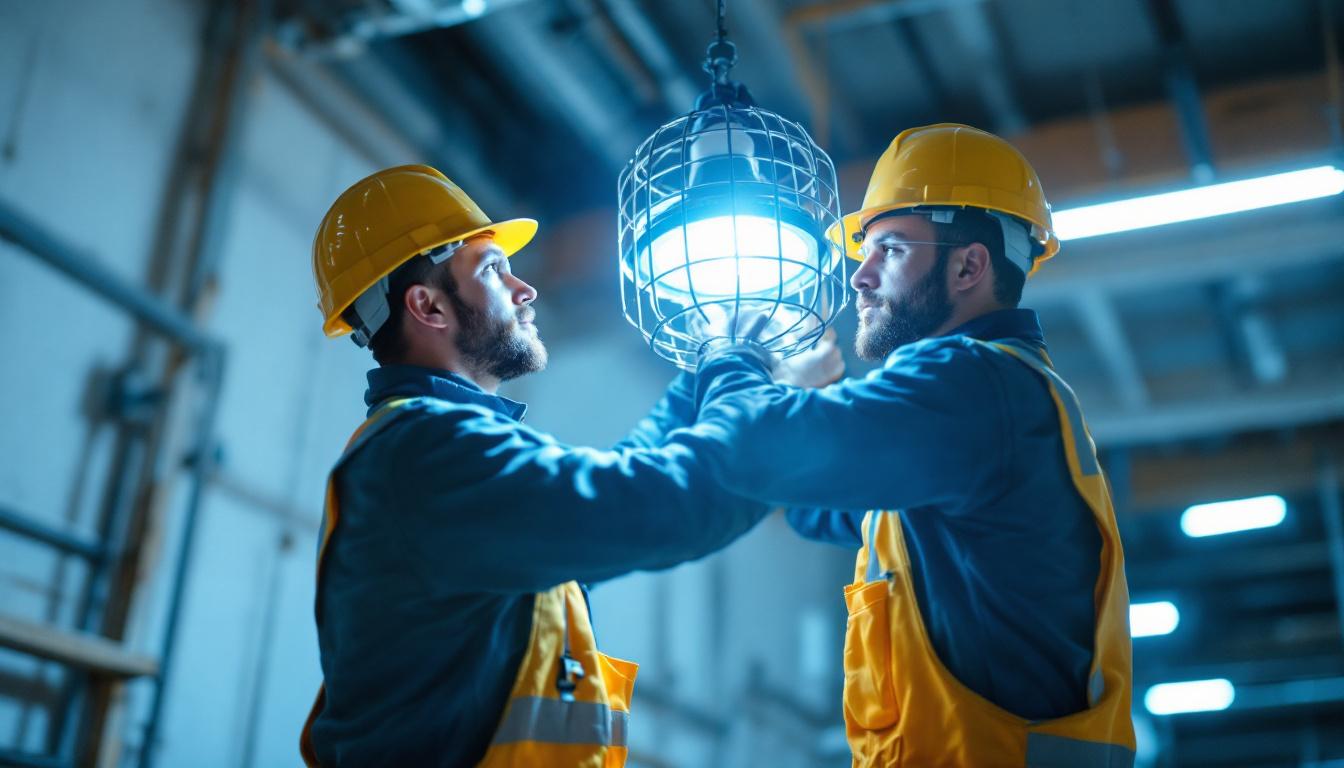
Lighting contractors operate in environments where durability, safety, and efficiency are paramount. One essential accessory that often goes overlooked but significantly enhances these factors is the protective cage for lights. These cages are designed to shield lighting fixtures from physical damage, environmental hazards, and accidental impacts, thereby extending the lifespan of the equipment and ensuring consistent performance.
Understanding the role and benefits of protective cages is crucial for lighting contractors who aim to deliver reliable, high-quality installations. This article explores the top advantages of using protective cages, providing insights into why they are a valuable investment for professionals in the lighting industry.
Protective cages come in various materials, including steel, aluminum, and polycarbonate, each offering unique advantages depending on the application. For instance, steel cages are particularly effective in high-impact environments, such as construction sites or industrial settings, where the risk of physical damage is elevated. On the other hand, lightweight aluminum options are ideal for portable lighting setups, allowing for easy transport without sacrificing durability. Polycarbonate cages, known for their high impact resistance and transparency, are often used in settings where visibility is essential, such as in outdoor lighting applications. This variety ensures that lighting contractors can select the most suitable option for their specific needs, enhancing both safety and functionality.
Moreover, the installation of protective cages can significantly reduce maintenance costs over time. By preventing damage from falling debris, weather elements, and even vandalism, these cages minimize the frequency of repairs or replacements needed for lighting fixtures. This not only saves money but also reduces downtime, allowing lighting contractors to maintain a steady workflow and meet project deadlines more effectively. Additionally, many protective cages are designed with easy access features, enabling quick bulb changes and maintenance checks without the need for extensive disassembly, thus streamlining the overall upkeep process.
Enhancing Durability and Longevity of Lighting Fixtures
Protection Against Physical Damage
One of the primary benefits of protective cages is their ability to safeguard lighting fixtures from physical impacts. Construction sites, industrial facilities, and outdoor installations expose lights to risks such as falling debris, accidental bumps from equipment, and harsh handling during maintenance. Protective cages act as a barrier, absorbing shocks and preventing direct contact with the light bulbs or housings.
For lighting contractors, this means fewer replacements and repairs, which translates into cost savings and reduced downtime. A well-protected fixture can withstand the rigors of demanding environments, maintaining functionality without frequent interruptions. Furthermore, the use of protective cages can enhance safety on the job site by minimizing the risk of broken glass or electrical hazards that could arise from damaged fixtures. This added layer of security not only protects the equipment but also ensures the safety of workers and visitors in the vicinity.
Resistance to Environmental Elements
Exposure to weather conditions like rain, dust, and extreme temperatures can degrade lighting equipment over time. Protective cages, often made from corrosion-resistant materials such as stainless steel or powder-coated metals, provide an additional layer of defense against these elements. This is particularly important for outdoor lighting installations, where environmental stressors are constant.
By preventing direct exposure, cages help maintain the integrity of the lighting fixture’s electrical components and finishes, ensuring consistent illumination and reducing the risk of premature failure. Additionally, these protective measures can significantly extend the lifespan of the fixtures, allowing for longer intervals between maintenance checks and replacements. In regions with harsh climates, such as coastal areas where saltwater corrosion is a concern, investing in high-quality protective cages can be a vital decision for ensuring the longevity of lighting systems. The durability of these cages not only enhances the aesthetic appeal of the fixtures but also contributes to a more sustainable approach by reducing waste and resource consumption associated with frequent replacements.
Improving Safety on Job Sites
Minimizing Electrical Hazards
Safety is a top priority for lighting contractors, especially when working with electrical equipment in potentially hazardous environments. Protective cages reduce the risk of accidental contact with live parts of the lighting fixture. This is critical in preventing electrical shocks or short circuits, protecting both workers and the equipment.
Additionally, cages can help contain broken glass in case of bulb breakage, minimizing injury risks and facilitating safer cleanup processes. The use of durable materials in these protective cages not only enhances their effectiveness but also extends their lifespan, making them a cost-effective solution for ongoing safety needs. Furthermore, the visibility of these cages can serve as a visual reminder for workers to maintain a safe distance from electrical hazards, reinforcing a culture of safety on the job site.
Compliance with Safety Regulations
Many industries and job sites have strict safety regulations that include requirements for protective measures around lighting fixtures. Using protective cages can help lighting contractors ensure compliance with these standards, avoiding penalties and enhancing their reputation for professionalism and safety-consciousness.
Adhering to safety codes also contributes to a safer working environment, reducing the likelihood of accidents that could lead to project delays or legal complications. In addition to protective cages, regular safety training sessions for employees can further bolster compliance efforts. These sessions can cover the proper use of equipment, emergency response procedures, and the importance of maintaining a clutter-free workspace, all of which play a crucial role in upholding safety standards. By fostering an environment where safety is prioritized, contractors can not only protect their workforce but also improve overall project efficiency and morale.
Facilitating Versatility and Ease of Maintenance
Adaptability to Various Lighting Types and Settings
Protective cages come in a range of sizes and designs, making them suitable for different types of lighting fixtures such as LED work lights, floodlights, and industrial lamps. This versatility allows lighting contractors to standardize protective solutions across diverse projects, simplifying inventory and installation processes.
Whether working indoors in warehouses or outdoors on construction sites, contractors can select cages that meet specific requirements for size, shape, and durability, ensuring optimal protection without compromising light output. The ability to choose from materials like steel, aluminum, or even high-impact plastics means that contractors can tailor their selections based on the environmental conditions they face, such as exposure to moisture, dust, or extreme temperatures. This adaptability not only enhances the longevity of the lighting fixtures but also contributes to overall safety by preventing potential hazards associated with damaged lights.
Streamlining Maintenance and Repairs
Protective cages are designed to be easily removable or adjustable, which facilitates quick access to the lighting fixtures for routine maintenance or repairs. This feature is particularly beneficial in environments where downtime must be minimized.
By enabling swift bulb replacements or cleaning without dismantling the entire fixture, cages help lighting contractors maintain high operational efficiency and reduce labor costs associated with maintenance tasks. Additionally, many modern protective cages incorporate features such as tool-less installation or integrated locking mechanisms, which further enhance their usability. This means that even in high-traffic areas where lighting is critical, maintenance can be performed swiftly and safely, ensuring that work can continue uninterrupted. The design of these cages also often includes ventilation features that help dissipate heat, thereby prolonging the lifespan of the bulbs and reducing the frequency of maintenance visits.
Cost Efficiency and Return on Investment
Reducing Replacement and Repair Expenses
Investing in protective cages can lead to significant cost savings over time. By preventing damage and extending the service life of lighting fixtures, contractors can avoid frequent purchases of new equipment and costly repairs. This is especially relevant in high-risk environments where lights are prone to damage.
Moreover, the durability of cages themselves means they require minimal maintenance and replacement, further enhancing their cost-effectiveness.
Enhancing Project Reputation and Client Satisfaction
Delivering lighting solutions that are robust and reliable reflects positively on a contractor’s professionalism and attention to detail. Clients value installations that require less frequent service calls and demonstrate longevity, which can lead to repeat business and referrals.
Protective cages contribute to this perception by ensuring that lighting systems remain functional and safe, reinforcing the contractor’s commitment to quality and durability.
Environmental and Sustainability Considerations
Supporting Sustainable Practices
Incorporating protective cages into lighting installations aligns with sustainable practices by reducing waste associated with damaged or prematurely discarded fixtures. Extending the lifespan of lighting equipment means fewer resources are consumed in manufacturing replacements, contributing to environmental conservation.
Lighting contractors who prioritize sustainability can leverage the use of protective cages as part of their green initiatives, appealing to environmentally conscious clients and stakeholders.
Material Choices and Environmental Impact
Many protective cages are now manufactured using recyclable or eco-friendly materials, minimizing their environmental footprint. Contractors can choose products that balance durability with sustainability, ensuring that protective measures do not come at the expense of ecological responsibility.
By selecting cages made from materials such as recycled metals or those with low-impact coatings, lighting contractors can further enhance their environmental credentials.
Conclusion: Why Protective Cages Are Essential for Lighting Contractors
Protective cages for lights offer a multitude of benefits that directly impact the efficiency, safety, and cost-effectiveness of lighting installations. For lighting contractors, these cages are not just accessories but essential components that safeguard investments, enhance workplace safety, and contribute to sustainable practices.
By integrating protective cages into their projects, contractors can deliver superior lighting solutions that stand the test of time and environmental challenges, ultimately fostering client trust and business growth. The combination of durability, safety compliance, maintenance ease, and environmental responsibility makes protective cages a smart choice for any lighting professional.
Get Your Protective Cages at LumenWholesale
Ready to enhance the durability, safety, and sustainability of your lighting installations? Look no further than LumenWholesale for the highest quality protective cages. Our spec-grade lighting products are designed to meet the rigorous demands of any project, ensuring you deliver reliable solutions to your clients. With unbeatable wholesale prices and the convenience of free shipping on bulk orders, you can secure the best value without any hidden costs. Elevate your lighting game and explore our collection of protective cages today, where quality meets affordability and efficiency.