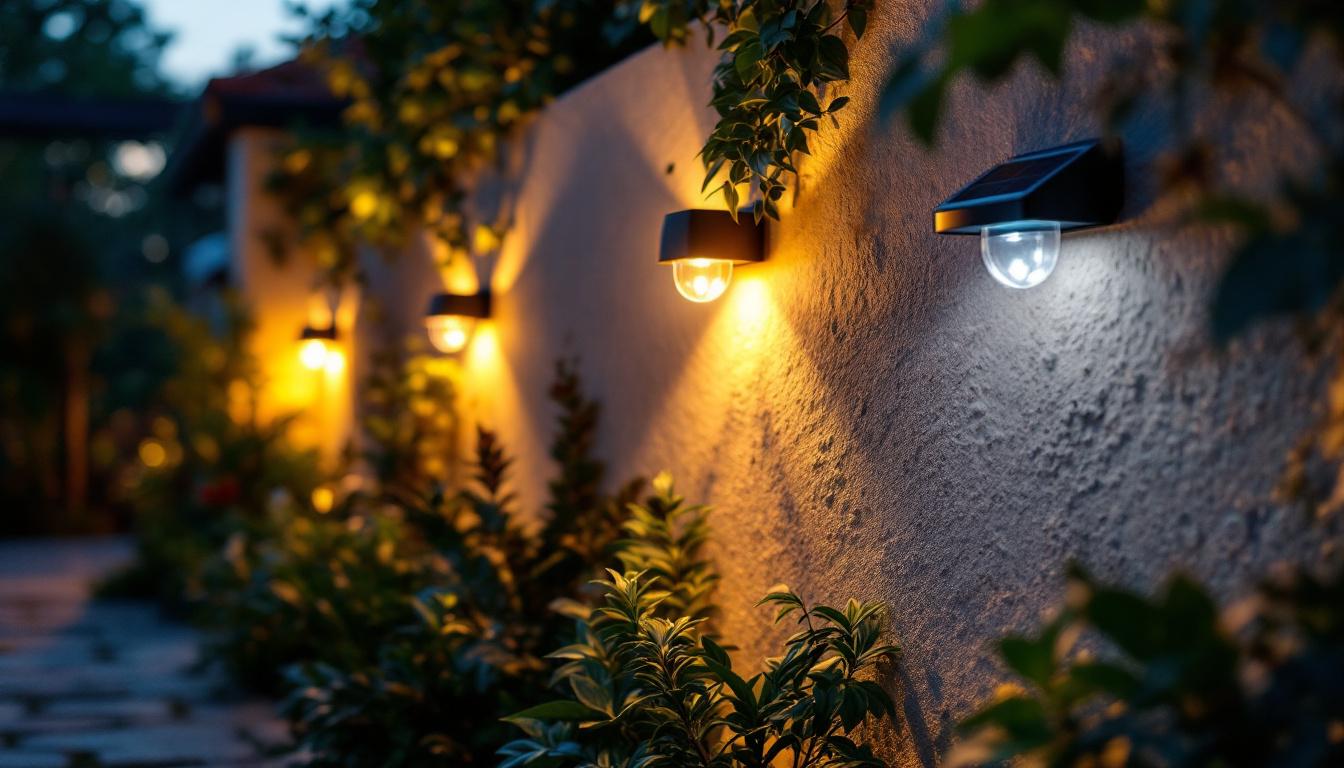
In the world of interior lighting, pot lights, also known as recessed lights, have become a popular choice for many residential and commercial spaces. Their sleek design and ability to blend seamlessly into a suspended ceiling make them an ideal option for achieving a modern aesthetic. However, installing pot lights effectively requires a well-trained team that understands both the technical and aesthetic aspects of lighting. This article will explore how to train your team in the nuances of pot lights for suspended ceilings, ensuring that they can deliver high-quality installations that meet client expectations.
Understanding Pot Lights and Their Benefits
Before diving into training methods, it’s essential for your team to have a solid understanding of what pot lights are and the advantages they offer. Pot lights are typically installed above the ceiling line, providing a clean and unobtrusive lighting solution. This section will outline the key benefits of using pot lights in suspended ceilings.
Space Efficiency
One of the most significant advantages of pot lights is their space-saving design. Unlike traditional light fixtures that protrude from the ceiling, pot lights are recessed, allowing for a more streamlined look. This can be particularly beneficial in rooms with low ceilings or in spaces where maximizing headroom is crucial.
Additionally, the minimalistic appearance of pot lights contributes to a more open and airy feel in a room, making them an excellent choice for modern design aesthetics. Your team should understand how to leverage this aspect when discussing options with clients. The unobtrusive nature of pot lights also allows for creative ceiling designs, such as coffered or tray ceilings, where the lighting can enhance architectural features without overwhelming the space.
Versatility in Design
Pot lights come in various sizes, colors, and styles, making them suitable for different applications. Whether it’s for general lighting, accent lighting, or task lighting, pot lights can be strategically placed to achieve the desired effect. Training your team to recognize the various types of pot lights and their applications will enhance their ability to provide tailored solutions to clients.
Encourage your team to explore different design possibilities, including the use of dimmers and smart lighting controls, to further enhance the versatility of pot lights in a suspended ceiling. The ability to adjust brightness levels not only allows for mood setting but also contributes to energy savings, as lower light levels consume less power. Additionally, pot lights can be used in conjunction with other lighting elements, such as wall sconces or pendant lights, to create a layered lighting scheme that adds depth and dimension to any room.
Energy Efficiency
With the growing emphasis on sustainability, energy efficiency has become a crucial consideration in lighting design. Pot lights, especially those using LED technology, consume significantly less energy compared to traditional incandescent bulbs. Educating your team on the benefits of energy-efficient lighting will not only help them make informed recommendations but also align with clients’ sustainability goals.
Furthermore, understanding the long-term cost savings associated with energy-efficient lighting can strengthen your team’s sales pitch and build trust with clients. Many clients may not realize that LED pot lights can last up to 25,000 hours or more, drastically reducing the frequency of replacements and maintenance costs. This longevity, combined with lower energy consumption, makes pot lights an attractive option for both residential and commercial spaces, reinforcing the idea that investing in quality lighting can lead to significant savings over time.
Essential Training Components
Training your team effectively requires a structured approach that encompasses both theoretical knowledge and practical skills. Here are the essential components to include in your training program.
Technical Knowledge
First and foremost, your team must possess a solid understanding of the technical aspects of pot lights. This includes knowledge of electrical systems, wiring, and installation techniques. Providing comprehensive training on electrical safety standards and local building codes is essential to ensure compliance and safety during installations.
Incorporating hands-on training sessions where team members can practice installation techniques will reinforce their learning. This practical experience will help them feel more confident when working on actual projects.
Design Principles
Understanding design principles is equally important for your team. They should be trained to assess a space and determine the best placement and type of pot lights to achieve the desired lighting effect. This includes understanding concepts such as color temperature, brightness, and the impact of light on mood and functionality.
Encourage your team to study different lighting scenarios and how they can influence the perception of space. This knowledge will empower them to make informed recommendations to clients, enhancing their overall service quality.
Client Communication Skills
Technical skills alone are not enough. Your team must also excel in client communication. Training should include strategies for effectively discussing lighting options with clients, understanding their needs, and addressing any concerns they may have. Role-playing scenarios can be a useful tool in this regard, allowing team members to practice their communication skills in a safe environment.
Moreover, fostering a culture of active listening will enable your team to better understand client preferences and tailor their recommendations accordingly. This personalized approach can significantly enhance client satisfaction and lead to repeat business.
Hands-On Training Techniques
To ensure that your team retains the knowledge and skills acquired during training, incorporating hands-on techniques is vital. Here are some effective methods to consider.
Workshops and Demonstrations
Organizing workshops and live demonstrations can be an engaging way to train your team. Invite experienced professionals to showcase installation techniques and design principles in real-time. This interactive format allows team members to ask questions and gain insights from experts in the field.
Additionally, hands-on workshops can be supplemented with visual aids, such as diagrams and videos, to cater to different learning styles. This multi-faceted approach will help reinforce key concepts and improve retention.
On-the-Job Training
Pairing less experienced team members with seasoned professionals during actual installations can provide invaluable on-the-job training. This mentorship approach allows new team members to learn directly from their peers while gaining practical experience in a real-world setting.
Encourage mentors to provide feedback and share their insights, fostering a collaborative learning environment. This not only enhances the skills of the new team members but also reinforces the knowledge of the mentors.
Regular Assessments and Feedback
Implementing regular assessments can help gauge the effectiveness of your training program. Quizzes, practical tests, and performance evaluations can provide insight into areas where team members excel and where further training may be needed.
Additionally, creating a feedback loop where team members can share their experiences and suggestions for improvement can foster a culture of continuous learning. This approach not only enhances skills but also boosts team morale and engagement.
Staying Updated with Industry Trends
The lighting industry is constantly evolving, with new technologies and design trends emerging regularly. To maintain a competitive edge, it’s essential for your team to stay informed about the latest developments in pot lighting and suspended ceiling design.
Continuous Education Opportunities
Encourage your team to pursue continuous education opportunities, such as online courses, webinars, and industry conferences. These platforms offer valuable insights into emerging technologies, design trends, and best practices in lighting.
Additionally, subscribing to industry publications and following influential lighting designers and manufacturers on social media can help your team stay updated on the latest innovations and trends.
Networking with Industry Professionals
Networking with other lighting professionals can also provide valuable learning opportunities. Encourage your team to join local lighting associations or attend industry events to connect with peers and share knowledge.
These interactions can lead to collaborative projects, partnerships, and the exchange of ideas that can enhance your team’s skills and knowledge base.
Creating a Culture of Excellence
Ultimately, the goal of training your team in pot lights for suspended ceilings is to create a culture of excellence within your organization. This involves not only enhancing technical skills but also fostering a mindset of continuous improvement and customer-centric service.
Recognizing and Rewarding Achievement
Recognizing and rewarding team members for their achievements can motivate them to strive for excellence. Consider implementing a recognition program that celebrates outstanding performance, innovative ideas, and exceptional customer service.
By fostering a supportive and encouraging environment, team members will feel valued and motivated to excel in their roles, ultimately benefiting your organization and clients.
Encouraging Collaboration and Teamwork
Encouraging collaboration and teamwork is essential for creating a cohesive and efficient team. Organize team-building activities that promote communication and collaboration among team members. This can enhance their ability to work together effectively on projects, leading to improved outcomes.
Additionally, fostering a culture of open communication will allow team members to share ideas, ask questions, and support one another in their professional development.
Conclusion
Training your team in the effective installation and design of pot lights for suspended ceilings is an investment that can pay significant dividends in terms of client satisfaction and project success. By providing comprehensive training that encompasses technical knowledge, design principles, and client communication skills, your team will be well-equipped to deliver high-quality lighting solutions.
Incorporating hands-on training techniques, staying updated with industry trends, and fostering a culture of excellence will further enhance your team’s capabilities. As the lighting industry continues to evolve, a well-trained team will be your greatest asset in navigating the challenges and opportunities that lie ahead.
Ultimately, the goal is to empower your team to not only meet but exceed client expectations, establishing your organization as a leader in the field of lighting design and installation.
Equip Your Team with the Best Lighting Solutions
Ready to elevate your lighting projects with the highest quality pot lights for suspended ceilings? Look no further than LumenWholesale, where we provide contractors with spec-grade lighting products at unbeatable wholesale prices. Our extensive selection is designed to meet the highest industry standards, ensuring your installations shine with reliability and performance. Plus, with free shipping on bulk orders, you can stock up on premium lighting without worrying about hidden fees or compromises. Don’t let inflated markups dim your project’s potential. Choose LumenWholesale for the perfect blend of quality, affordability, and convenience. Wholesale Lighting at the Best Value is just a click away.