Understanding Photocell Technology in Porch Lighting
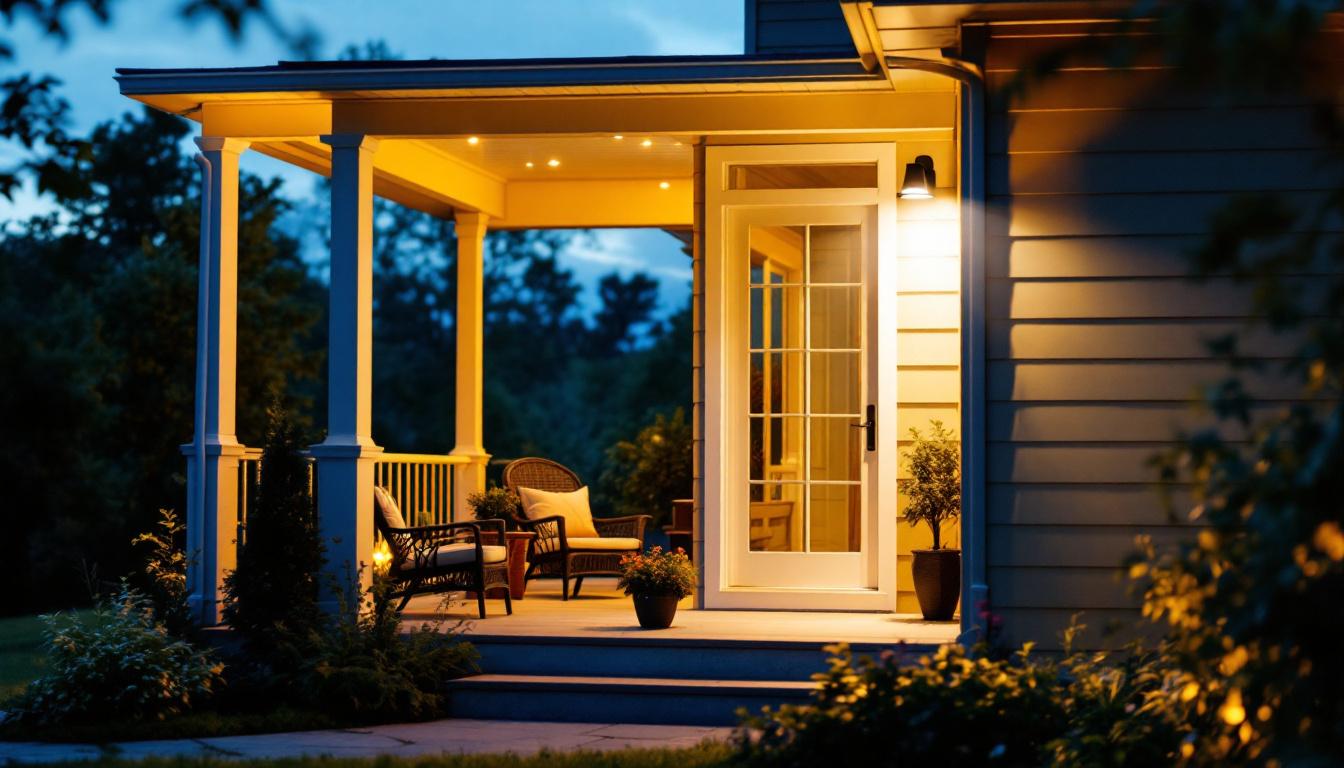
Lighting contractors are continually seeking efficient, reliable solutions to enhance their installation projects. One such innovation that has gained widespread adoption is the photocell porch light. Photocell technology leverages ambient light detection to automate lighting control, offering numerous advantages over traditional manual or timer-based systems.
At its core, a photocell is a light-sensitive sensor that detects natural light levels. When ambient light falls below a certain threshold—such as at dusk—the photocell triggers the porch light to switch on. Conversely, when daylight returns, the sensor signals the light to turn off. This automatic operation ensures that lighting is only active when needed, optimizing energy consumption and improving user convenience. By eliminating the need for constant manual adjustments, homeowners can enjoy a seamless experience, enhancing both safety and aesthetic appeal during the evening hours.
How Photocells Work
Photocells typically use a photoresistor or photodiode to measure light intensity. These components react to changes in illumination by varying electrical resistance or current flow. The sensor’s output is processed by a control circuit that activates or deactivates the connected lighting fixture accordingly. This simple yet effective mechanism eliminates the need for manual switches or preset timers, which can be inconvenient or inaccurate. Furthermore, many modern photocells are designed to withstand various weather conditions, ensuring reliable performance in rain, snow, or extreme temperatures, making them a durable choice for outdoor lighting solutions.
Types of Photocell Sensors
Photocell sensors come in various forms, including integrated units within light fixtures and standalone modules that can be retrofitted. Some advanced photocells incorporate adjustable sensitivity settings, allowing contractors to customize activation thresholds based on specific site conditions. Additionally, certain models combine photocell functionality with motion detection to further enhance security and energy efficiency. These hybrid systems not only activate lights when darkness falls but also respond to movement, providing an extra layer of security for homes and businesses alike. This dual functionality is particularly beneficial in areas with high foot traffic or where security is a primary concern, as it can deter potential intruders while also illuminating pathways for residents and guests.
Benefits of Using Photocell Porch Lights in Installation Projects
Incorporating photocell porch lights into lighting installations offers multiple benefits that align with the priorities of lighting contractors and their clients.
Energy Efficiency and Cost Savings
One of the most compelling advantages is energy conservation. Photocell-controlled lighting ensures that porch lights operate only during low-light conditions, preventing unnecessary energy consumption during daylight hours. According to energy studies, automated lighting controls can reduce electricity usage by up to 40% compared to manual operation.
For contractors, this translates to a strong selling point when proposing lighting solutions to clients focused on sustainability and cost reduction. Over time, the energy savings can offset the initial investment in photocell-equipped fixtures, delivering long-term value. Additionally, many local governments and utility companies offer incentives or rebates for energy-efficient installations, further enhancing the financial appeal of using photocell technology in residential projects.
Enhanced Convenience and User Experience
Photocell porch lights eliminate the need for occupants to remember to turn lights on or off, enhancing convenience and safety. Automated lighting activation at dusk ensures that entryways and walkways are always illuminated when needed, reducing the risk of accidents and deterring potential intruders.
From a contractor’s perspective, offering automated lighting solutions can differentiate their services by providing modern, user-friendly installations that meet contemporary expectations for smart home features. Moreover, the integration of photocell technology can be seamlessly paired with other smart home systems, allowing homeowners to control their lighting remotely through mobile applications, enhancing their overall experience and satisfaction with the installation.
Improved Durability and Reduced Maintenance
Because photocell porch lights operate only during appropriate times, the bulbs experience less wear and tear compared to lights left on continuously. This reduced operational time can extend bulb lifespan, decreasing maintenance frequency and associated labor costs.
Furthermore, many photocell fixtures are designed with weather-resistant housings and robust components, making them well-suited for outdoor environments. Contractors can therefore recommend these fixtures for reliable, low-maintenance installations. In addition to durability, the use of LED bulbs in conjunction with photocell technology can further enhance longevity, as LEDs are known for their exceptional lifespan and energy efficiency. This combination not only minimizes the need for replacements but also contributes to a more sustainable approach to outdoor lighting, aligning with the growing trend towards eco-friendly home improvements.
Installation Considerations for Photocell Porch Lights
Successful integration of photocell porch lights requires attention to several key installation factors to ensure optimal performance and client satisfaction.
Placement and Orientation of the Photocell Sensor
Proper positioning of the photocell sensor is critical. It should be installed in a location where it can accurately detect ambient light without interference from artificial sources such as street lamps or nearby lighting fixtures. Misplaced sensors may cause premature activation or delayed shutoff, undermining energy savings and user experience.
Contractors should assess the site’s lighting environment during installation planning and select sensor locations that maximize exposure to natural light while minimizing false triggers. It is also advisable to consider the potential for seasonal changes in light exposure, as trees or shrubs may grow and cast shadows on the sensor. Regular maintenance checks can help ensure that the sensor remains unobstructed and functional throughout the year, providing consistent performance regardless of environmental changes.
Compatibility with Existing Electrical Systems
Photocell units must be compatible with the voltage and wiring configurations of the existing porch lighting system. Most photocells are designed for standard residential voltages, but verifying specifications is essential to avoid electrical issues or fixture damage.
In some cases, upgrading to LED fixtures in conjunction with photocell sensors can further improve energy efficiency and lighting quality. Contractors should evaluate the client’s current setup and recommend appropriate upgrades when beneficial. Additionally, understanding the client’s lifestyle and usage patterns can inform decisions about the type of photocell to install, such as those with adjustable sensitivity settings or timers, which can enhance convenience and energy savings tailored to specific needs.
Weatherproofing and Durability
Outdoor lighting installations are exposed to varying weather conditions, including rain, snow, and temperature fluctuations. Photocell sensors and associated fixtures should have appropriate ingress protection (IP) ratings to withstand these elements.
Ensuring robust weatherproofing during installation helps prevent premature failures and reduces maintenance calls, enhancing the contractor’s reputation for quality workmanship. Furthermore, selecting materials that resist corrosion and UV degradation can prolong the lifespan of the installation. Contractors should also educate clients on the importance of periodic inspections and maintenance, such as cleaning the sensor lens to remove dirt and debris that can impede functionality, ensuring that the lighting system operates efficiently and effectively over time.
Common Challenges and Solutions in Photocell Porch Light Installations
While photocell porch lights offer many advantages, contractors may encounter challenges during installation or operation. Awareness of these issues and their solutions can improve project outcomes.
False Activation Due to Artificial Light Sources
One common issue is false triggering caused by nearby artificial lights reflecting onto the photocell sensor. This can cause the porch light to turn off prematurely or remain on unnecessarily.
To mitigate this, contractors can install shields or reposition sensors away from direct exposure to artificial light. Selecting photocells with adjustable sensitivity settings also allows fine-tuning to local conditions.
Sensor Malfunction from Dirt or Obstructions
Accumulation of dirt, dust, or debris on the photocell sensor can impair its ability to detect ambient light accurately. Similarly, obstructions like overgrown vegetation can block light exposure.
Regular maintenance recommendations should be provided to clients, emphasizing periodic cleaning and inspection. During installation, contractors can advise on sensor placement that minimizes exposure to potential obstructions.
Compatibility Issues with Certain Lighting Types
Some photocell sensors may not work optimally with specific lighting technologies, such as certain LED drivers or low-voltage systems. This can result in flickering, delayed activation, or failure to switch off.
Contractors should verify compatibility between photocell units and lighting fixtures before installation. Consulting manufacturer guidelines and opting for tested combinations reduces the risk of operational problems.
Future Trends and Innovations in Photocell Lighting
As lighting technology evolves, photocell systems are integrating with broader smart home and IoT ecosystems, offering enhanced functionality and control.
Integration with Smart Lighting Controls
Modern photocell sensors can be combined with wireless communication protocols, enabling remote monitoring and control via smartphones or building management systems. This integration allows users to override automatic settings, schedule lighting patterns, and receive maintenance alerts.
For contractors, offering smart-enabled photocell porch lights can open new market opportunities and meet growing demand for connected home solutions.
Advanced Sensor Technologies
Emerging sensor technologies incorporate multi-spectral detection, combining ambient light sensing with motion detection, temperature monitoring, and environmental data collection. These multifunctional sensors enable more sophisticated lighting control strategies, improving energy efficiency and occupant comfort.
Staying informed about these innovations allows contractors to recommend cutting-edge solutions that future-proof their installations.
Conclusion: Maximizing Project Success with Photocell Porch Lights
Photocell porch lights represent a valuable enhancement for lighting contractors aiming to deliver efficient, user-friendly, and durable outdoor lighting installations. By automating light activation based on ambient conditions, these systems reduce energy consumption, improve safety, and minimize maintenance needs.
Successful implementation requires careful sensor placement, compatibility verification, and consideration of environmental factors. Addressing common challenges proactively and staying abreast of technological advancements further ensures optimal performance and client satisfaction.
Ultimately, integrating photocell technology into porch lighting projects not only elevates the quality of installations but also aligns with broader trends toward sustainable, smart lighting solutions—positioning contractors at the forefront of industry innovation.
Illuminate Your Projects with LumenWholesale
Ready to elevate your lighting installations with the efficiency and innovation of photocell porch lights? At LumenWholesale, we provide contractors with the highest quality spec-grade lighting products at unbeatable wholesale prices. Say goodbye to inflated markups and hello to superior lighting that meets the strictest industry standards. With our hassle-free bulk buying and free shipping, you can ensure your projects shine with premium lighting at the best value. Don’t compromise on quality or cost—choose LumenWholesale for a seamless blend of excellence and convenience. Wholesale Lighting at the Best Value is just a click away!