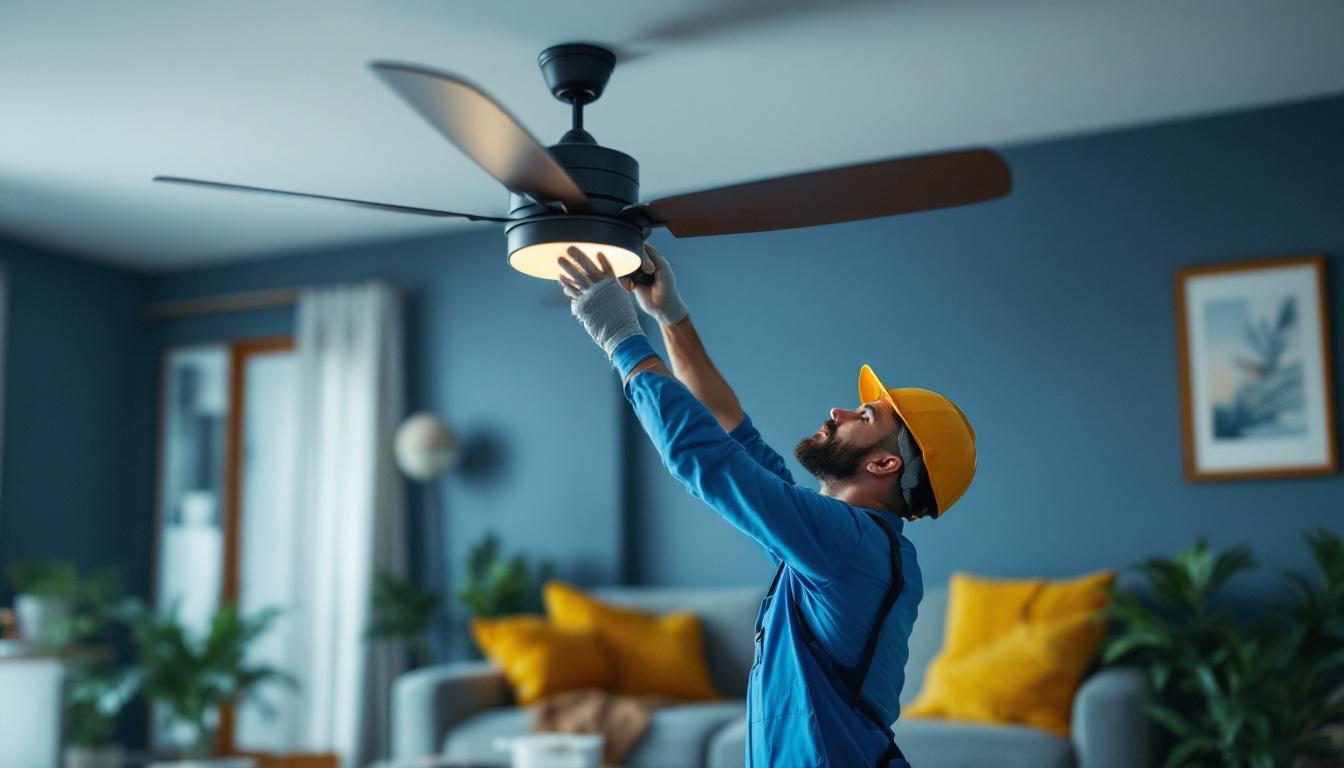
As the demand for energy-efficient and aesthetically pleasing home solutions continues to rise, paddle ceiling fans have become a popular choice for homeowners. For lighting contractors, understanding the nuances of paddle ceiling fan installation and the common pitfalls to avoid can be crucial for delivering exceptional service. This guide outlines the key mistakes to avoid when working with paddle ceiling fans, ensuring that projects run smoothly and clients remain satisfied.
Understanding Paddle Ceiling Fans
Paddle ceiling fans, often referred to as ceiling fans with blades, are designed not only to circulate air but also to enhance the overall aesthetic of a room. They come in various styles, sizes, and finishes, making them versatile for different interior designs. However, their installation requires careful consideration to maximize efficiency and functionality. The choice of fan can significantly impact the comfort level in a space, as well as the energy consumption of a household. Choosing the right fan involves looking at factors such as blade pitch, motor size, and even the height at which the fan will be installed, ensuring optimal airflow and performance.
Types of Paddle Ceiling Fans
There are several types of paddle ceiling fans available in the market, each catering to different needs. Standard ceiling fans are most common, featuring a central motor with blades attached. However, there are also hugger fans, which are designed for low ceilings, and outdoor fans, built to withstand weather conditions. Additionally, there are smart ceiling fans that can be controlled via smartphone apps or voice commands, integrating seamlessly into modern smart home systems. Understanding these types will help contractors make informed decisions during installation, ensuring that they select the best fan for the specific environment and customer preferences.
Benefits of Paddle Ceiling Fans
Beyond aesthetics, paddle ceiling fans offer numerous benefits. They can help reduce energy costs by circulating air efficiently, allowing homeowners to rely less on air conditioning. Additionally, many models come equipped with lighting options, providing dual functionality. This versatility can be a selling point for lighting contractors looking to enhance their service offerings. Furthermore, paddle ceiling fans can improve indoor air quality by promoting better air circulation, which helps to prevent the stagnation of air and the buildup of allergens. In rooms where humidity is a concern, such as bathrooms or kitchens, the airflow generated by these fans can also help in reducing moisture levels, contributing to a healthier living environment.
Common Mistakes to Avoid
While paddle ceiling fans can be a great addition to any home, there are several common mistakes that lighting contractors should be aware of to ensure successful installations. Avoiding these pitfalls can lead to better performance and increased customer satisfaction.
1. Incorrect Size Selection
One of the most critical mistakes is selecting the wrong size fan for the space. A fan that is too small will struggle to circulate air effectively, while one that is too large can overwhelm a room’s design. It is essential to measure the room’s dimensions and choose a fan that is appropriately sized. Generally, a fan with a blade span of 42 to 48 inches is suitable for rooms up to 225 square feet, while larger spaces may require fans with a span of 52 inches or more. Additionally, contractors should consider the layout of the room; for instance, an open-concept space may benefit from multiple fans to ensure even airflow throughout the area, enhancing comfort and ambiance.
2. Improper Mounting Height
Mounting height plays a significant role in the performance of a paddle ceiling fan. Ideally, the fan should be installed 7 to 9 feet above the floor for optimal airflow. Installing it too high can reduce its effectiveness, while too low can pose safety hazards. Contractors should also consider the ceiling height and the fan’s design when determining the best mounting height. In rooms with vaulted ceilings, it may be necessary to use a downrod to lower the fan to the ideal height. This adjustment not only improves airflow but also creates a more visually appealing focal point in the room, allowing the fan to blend seamlessly with the overall decor.
3. Ignoring Blade Pitch
The pitch of the fan blades is another crucial factor that can impact performance. A blade pitch of 12 to 15 degrees is generally considered optimal for airflow. Contractors should ensure that the fan selected has an appropriate blade pitch to maximize air circulation. Fans with a lower pitch may not move air effectively, leading to dissatisfaction from homeowners. Furthermore, it’s important to note that the material and shape of the blades can also influence airflow. For example, wooden blades may provide a different aesthetic and performance compared to metal blades, which can be more efficient in certain environments. Understanding these nuances can help contractors recommend the best options tailored to their clients’ specific needs.
Electrical Considerations
Electrical considerations are vital when installing paddle ceiling fans. A thorough understanding of electrical requirements can prevent installation issues and ensure safety.
1. Inadequate Electrical Support
Many homeowners may not realize that ceiling fans require specific electrical support. It is essential to ensure that the electrical box used for mounting the fan is rated for ceiling fan support. Standard electrical boxes may not be able to handle the weight and movement of a fan, leading to potential hazards. Contractors should always verify that the electrical box is appropriately rated before installation. Additionally, it is advisable to use a fan-rated box that is securely anchored to a ceiling joist or beam, as this will provide the necessary stability and reduce the risk of the fan wobbling or falling over time. For those considering upgrading their ceiling fan, it’s also worth noting that some modern fans come equipped with integrated lighting, which may require additional wiring considerations, such as a separate switch for light control.
2. Wiring Issues
Wiring is another critical aspect of paddle ceiling fan installation. Incorrect wiring can lead to malfunctioning fans or even electrical fires. Contractors should familiarize themselves with the wiring requirements of the specific fan model being installed. Additionally, ensuring that the power is turned off before starting any electrical work is crucial for safety. In many cases, a ceiling fan will require a three-wire setup: one for the fan, one for the light, and one for the ground. Understanding how to properly connect these wires is essential to avoid issues like flickering lights or fans that do not operate at the desired speed. Furthermore, it’s important to consider the circuit load; if multiple devices are connected to the same circuit, it may exceed the amperage limit, leading to tripped breakers or worse. Homeowners should consult with a licensed electrician if they are unsure about their home’s electrical capacity or if they plan to install multiple fans or additional lighting fixtures in the same area.
Lighting Integration
Paddle ceiling fans often come with integrated lighting options, which can enhance the functionality of a space. However, integrating lighting into the fan installation requires careful planning. The combination of airflow and illumination can create a harmonious environment, making it essential to approach the installation with a clear understanding of both aesthetic and practical considerations.
1. Choosing the Right Bulbs
When selecting bulbs for a ceiling fan’s integrated lighting, it is essential to consider the type of bulbs compatible with the fan. LED bulbs are energy-efficient and have a long lifespan, making them a popular choice. However, not all fans are compatible with dimmable bulbs, so contractors should verify compatibility to avoid issues post-installation. Additionally, the color temperature of the bulbs can significantly impact the ambiance of the room. Warm white bulbs can create a cozy atmosphere, while cooler white bulbs are better suited for task-oriented spaces, such as kitchens or home offices. Therefore, understanding the intended use of the room can guide the selection process and enhance the overall experience.
2. Balancing Light and Airflow
Another common mistake is neglecting the balance between light and airflow. While the fan’s primary purpose is air circulation, the lighting should also be effective for the room’s needs. Contractors should consider the placement of the fan in relation to existing light sources to ensure that the room is well-lit and comfortable. Moreover, the design of the fan blades can influence how light is distributed throughout the space. For instance, fans with opaque light shades may cast a softer glow, while clear shades can create more direct lighting. It’s also important to think about the height at which the fan is installed; too low can obstruct light, while too high may not provide adequate illumination. By carefully considering these factors, homeowners can achieve a well-balanced environment that meets both their lighting and airflow needs.
Maintenance and Care
Proper maintenance of paddle ceiling fans is crucial for longevity and performance. Educating homeowners on maintenance practices can enhance satisfaction and reduce service calls.
1. Regular Cleaning
Dust and debris can accumulate on fan blades, affecting performance and air quality. Contractors should advise homeowners to clean their fans regularly, ideally every few months. A simple dusting with a microfiber cloth can help maintain optimal airflow and aesthetics.
2. Seasonal Adjustments
Paddle ceiling fans can be used year-round, but they should be adjusted seasonally for maximum efficiency. During the summer, fans should rotate counterclockwise to create a cooling breeze, while in winter, they should rotate clockwise to circulate warm air. Contractors should educate homeowners on how to switch the fan’s direction to optimize comfort throughout the year.
Conclusion
Paddle ceiling fans are a valuable addition to any home, providing both aesthetic appeal and functional benefits. For lighting contractors, understanding the common mistakes associated with their installation is crucial for delivering high-quality service. By avoiding pitfalls such as incorrect size selection, improper mounting height, and inadequate electrical support, contractors can ensure successful installations that meet client expectations.
Furthermore, integrating lighting effectively and educating homeowners on maintenance and seasonal adjustments can enhance the overall experience. By following these guidelines, lighting contractors can position themselves as experts in paddle ceiling fan installations, leading to satisfied clients and repeat business.
Get Your Premium Paddle Ceiling Fans at LumenWholesale
Ready to elevate your lighting projects with the best paddle ceiling fans on the market? Look no further than LumenWholesale, where we provide contractors with exceptional, spec-grade lighting products at unbeatable wholesale prices. Say goodbye to local distributor markups and hello to our extensive selection that meets the highest industry standards. With LumenWholesale, you can trust that you’re getting reliable, high-performance lighting for every project. Plus, with the convenience of free shipping on bulk orders, you can enjoy premium lighting at the best value — without any hidden fees. Make the smart choice for your business and experience the perfect blend of quality, affordability, and convenience with LumenWholesale.