Understanding the Importance of Outside Lighting in Residential Projects
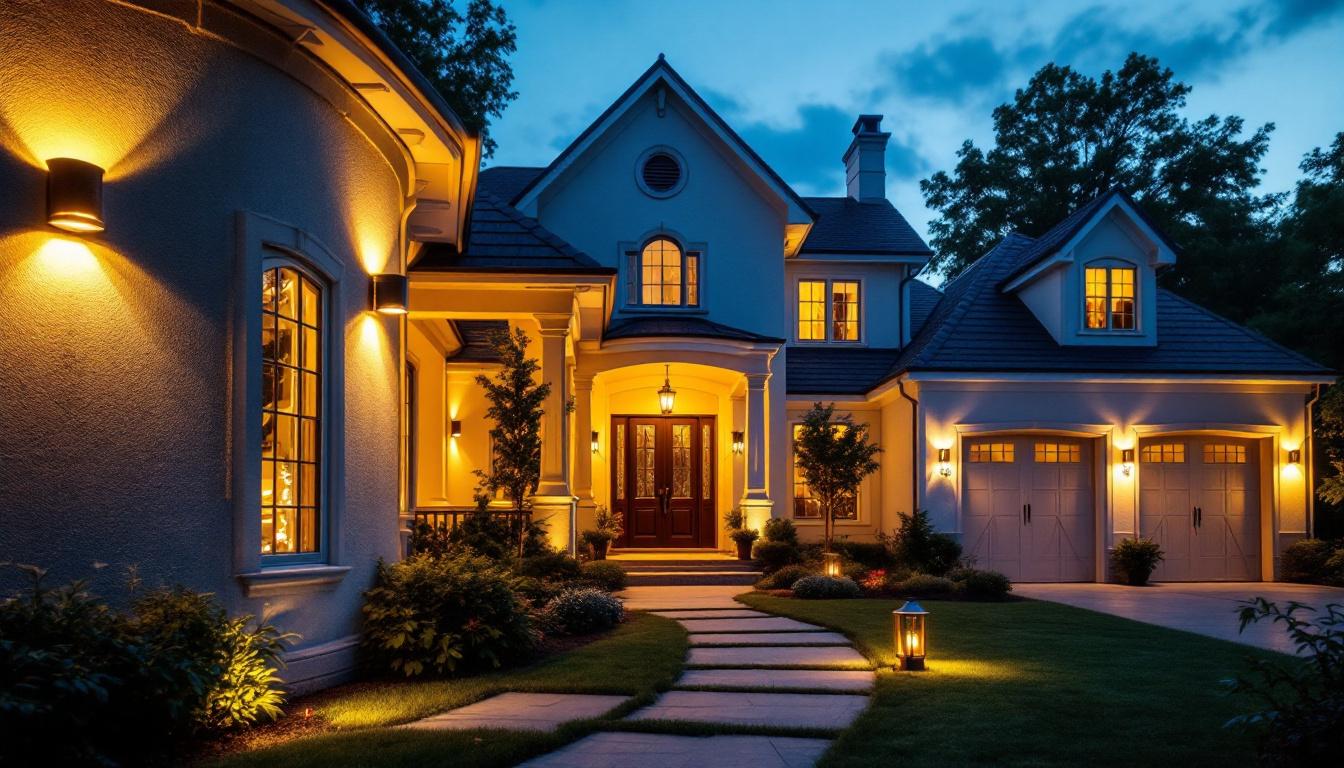
For lighting contractors, outside lighting is not just about illuminating a space; it’s about enhancing safety, security, aesthetics, and functionality. Homeowners increasingly recognize the value of well-designed exterior lighting, making it a critical component of residential projects. Proper outside lighting can increase property value, deter intruders, and create inviting outdoor environments.
Statistics show that well-lit homes are significantly less likely to be targeted for burglary, with some studies indicating a reduction in break-ins by up to 30%. Beyond security, exterior lighting improves visibility for nighttime activities and highlights architectural features, landscaping, and outdoor living spaces. As a contractor, understanding these multifaceted benefits helps you guide clients toward solutions that meet their needs and expectations.
Moreover, the strategic placement of outdoor lights can transform a mundane backyard into a vibrant social hub. By using a combination of path lights, spotlights, and ambient lighting, contractors can create a layered lighting scheme that enhances the usability of outdoor areas after dark. This not only encourages homeowners to spend more time outside but also fosters a sense of community when entertaining guests. Additionally, the right lighting can accentuate the beauty of seasonal plants and flowers, allowing homeowners to enjoy their gardens even in the evening hours.
Another important aspect to consider is the energy efficiency of outdoor lighting solutions. With advancements in LED technology, homeowners can now enjoy bright, effective lighting while minimizing their energy consumption. Solar-powered lights are also gaining popularity, providing an eco-friendly alternative that requires no wiring and can be easily installed in various locations. By educating clients on these sustainable options, contractors can help them make informed decisions that align with their environmental values while still achieving the desired aesthetic and functional outcomes.
Key Types of Outside Lighting and Their Applications
Security Lighting
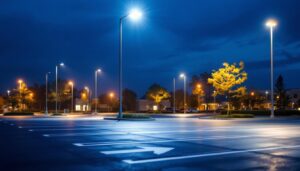
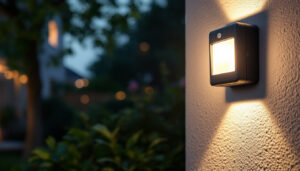
Security lighting is designed to deter crime and increase safety around the home’s perimeter. Typically, this includes floodlights, motion-activated lights, and pathway illumination. Floodlights with wide beam angles provide broad coverage, illuminating large areas such as driveways and backyards. Motion sensors add an element of automation, turning lights on only when movement is detected, which conserves energy and startles potential intruders.
When installing security lighting, contractors should consider the placement to avoid glare that might blind residents or neighbors. Using fixtures with adjustable heads and shields can help direct light precisely where it’s needed. Additionally, integrating smart technology can enhance security; homeowners can control their lighting remotely through apps, allowing them to simulate occupancy even when they are away. This not only deters potential intruders but also provides peace of mind, knowing that the home is well-lit and monitored.
Accent and Landscape Lighting
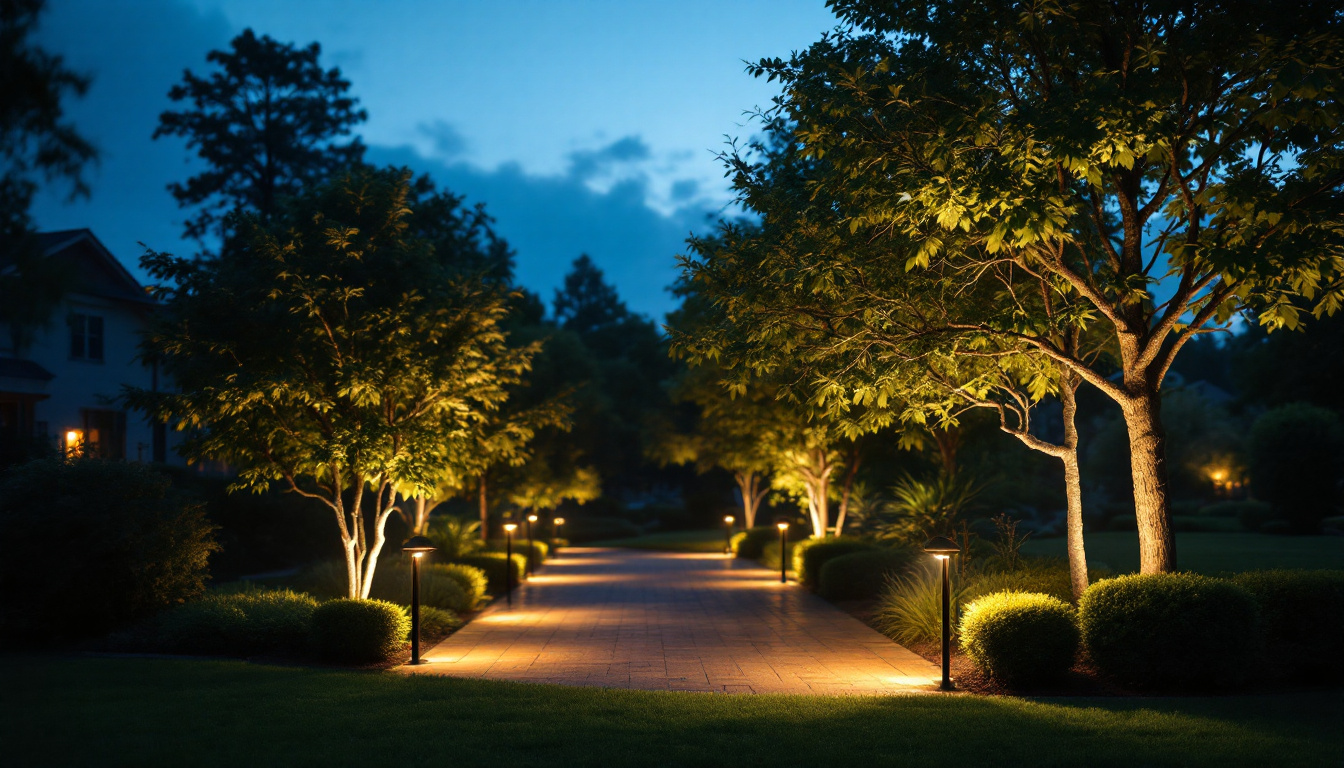
Accent lighting focuses on highlighting architectural details, garden features, trees, and water elements. This type of lighting adds depth and dimension to outdoor spaces, creating a visually appealing environment after dark. Low-voltage LED fixtures are popular for landscape lighting due to their energy efficiency and long lifespan.
Contractors should collaborate with landscape designers or homeowners to identify focal points that warrant illumination. Techniques such as uplighting, downlighting, and silhouetting can dramatically enhance curb appeal and outdoor ambiance. Furthermore, the use of colored LED lights can create seasonal themes or highlight specific features, such as a beautiful tree or a water fountain, adding an artistic touch to the landscape. The strategic placement of lighting can also create a sense of safety and warmth, inviting guests to explore the outdoor space.
Path and Step Lighting
Pathway and step lighting serve both functional and decorative purposes. They improve safety by illuminating walkways, stairs, and entry points, reducing the risk of trips and falls. These lights are usually low-level and subtle, designed to blend seamlessly with the environment.
Options include recessed lights, bollard fixtures, and solar-powered stakes. When selecting fixtures, consider durability and weather resistance, as these lights are exposed to the elements. Additionally, incorporating smart lighting solutions can allow for automatic adjustments based on ambient light levels, ensuring paths are always well-lit without wasting energy. The aesthetic appeal of these lights can also be enhanced by choosing fixtures that complement the home’s architecture, creating a cohesive look that enhances the overall landscape design.
Deck and Patio Lighting
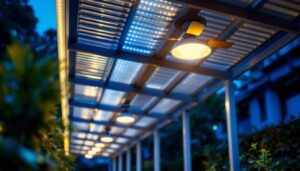
Outdoor living spaces like decks and patios benefit from layered lighting that supports various activities, from dining to entertaining. Contractors can integrate overhead string lights, wall sconces, recessed deck lights, and portable lamps to create a versatile lighting scheme.
Energy-efficient LEDs and dimmable controls allow homeowners to adjust brightness according to mood and occasion. Ensuring proper wiring and waterproof fixtures is crucial for safety and longevity in these areas. Furthermore, incorporating smart lighting systems can allow homeowners to set schedules or control lighting through voice commands, adding convenience to outdoor gatherings. The choice of warm-toned lights can create a cozy atmosphere, making the deck or patio a welcoming space for family and friends to enjoy evening meals or late-night conversations under the stars.
Technical Considerations for Lighting Contractors
Power Sources and Wiring
Understanding the electrical requirements and power sources for outside lighting is fundamental. Options include hardwired systems connected to the home’s electrical panel, low-voltage systems powered by transformers, and solar-powered fixtures. Each has distinct advantages and limitations.
Hardwired systems offer reliability and consistent performance but require professional installation and adherence to local electrical codes. Low-voltage systems are easier to install and safer to handle but may have limited range. Solar lighting is energy-efficient and simple to deploy but depends on sufficient sunlight exposure and may not provide consistent brightness.
Lighting Controls and Automation
Modern outside lighting increasingly incorporates smart controls, timers, dimmers, and motion sensors. These features enhance energy efficiency and convenience. For example, motion sensors reduce energy consumption by activating lights only when needed, while timers ensure lights operate during specific hours.
Lighting contractors should be familiar with integrating these controls into residential systems and advising clients on user-friendly interfaces, including smartphone apps and voice control compatibility.
Compliance and Safety Standards
Compliance with local building codes, electrical standards, and safety regulations is non-negotiable. Contractors must ensure that all fixtures are rated for outdoor use, with appropriate ingress protection (IP) ratings to withstand moisture and dust. Ground-fault circuit interrupters (GFCIs) are essential for outdoor electrical circuits to prevent shock hazards.
Additionally, lighting installations should avoid light pollution issues by minimizing glare and spill light, respecting neighborhood lighting ordinances, and using fixtures that direct light downward.
Design Tips to Enhance Residential Outdoor Lighting Projects
Balancing Functionality and Aesthetics
Effective outside lighting balances practical needs with visual appeal. Contractors should assess the client’s lifestyle, property layout, and architectural style before recommending lighting solutions. Layered lighting—combining ambient, task, and accent lighting—creates a dynamic and adaptable outdoor environment.
For example, a well-lit pathway ensures safety, while accent lights highlight garden sculptures or textured walls. Adjustable fixtures allow homeowners to modify the lighting scheme as their needs evolve.
Color Temperature and Light Quality
The choice of color temperature significantly impacts the atmosphere created by outdoor lighting. Warm white (2700K-3000K) tones are popular for residential settings as they produce a cozy, inviting glow. Cooler temperatures can appear harsh and are generally reserved for security lighting.
Contractors should also consider the Color Rendering Index (CRI) of fixtures to ensure colors appear natural and vibrant under artificial light. High CRI LEDs are preferable for accent and landscape lighting to showcase plants and architectural details authentically.
Energy Efficiency and Sustainability
Energy-efficient lighting solutions are increasingly important to homeowners concerned about utility costs and environmental impact. LEDs dominate the market due to their low power consumption, long lifespan, and minimal maintenance requirements.
Incorporating solar-powered fixtures where feasible, along with smart controls, can further reduce energy usage. Contractors can differentiate themselves by offering sustainable lighting options and educating clients on the benefits of energy-efficient designs.
Common Challenges and How to Overcome Them
Dealing with Harsh Weather Conditions
Outdoor lighting fixtures must endure rain, snow, wind, and temperature fluctuations. Selecting weather-resistant materials such as stainless steel, brass, or durable plastics is essential. Proper sealing and installation techniques prevent water ingress and corrosion.
Contractors should also advise clients on routine maintenance to prolong fixture lifespan, including cleaning lenses and checking for damage after severe weather events.
Minimizing Light Pollution and Neighbor Complaints
Excessive or poorly directed outdoor lighting can cause glare and light trespass, leading to neighbor disputes and regulatory issues. Using shielded fixtures and downward-directed lighting helps contain illumination within the property boundaries.
Consulting local lighting ordinances and incorporating adjustable fixtures can ensure compliance and maintain good community relations.
Managing Installation Complexity and Client Expectations
Some exterior lighting projects involve complex wiring, integration with smart home systems, and customized designs. Clear communication with clients about timelines, costs, and technical limitations is critical to avoid misunderstandings.
Providing detailed proposals, including lighting plans and fixture samples, helps clients visualize the end result and sets realistic expectations. Training on system operation and maintenance also enhances client satisfaction.
Conclusion: Elevating Residential Outdoor Lighting Expertise
For lighting contractors, mastering the nuances of outside lighting for homes is essential to delivering value and satisfaction. By understanding the diverse types of lighting, technical requirements, design principles, and common challenges, contractors can create safe, beautiful, and energy-efficient outdoor environments that delight homeowners.
Staying current with advancements in LED technology, smart controls, and sustainable practices will position contractors as trusted experts in the competitive residential lighting market. Ultimately, thoughtful outside lighting transforms homes into welcoming and secure spaces that shine long after the sun sets.
Illuminate with Excellence at LumenWholesale
Ready to elevate your outdoor lighting projects with the finest products on the market? Look no further than LumenWholesale, where we specialize in providing contractors with spec-grade lighting solutions at unbeatable wholesale prices. Our commitment to quality and affordability means you can deliver safe, beautiful, and energy-efficient lighting to your clients without compromise. With free shipping on bulk orders, you can trust that you’re getting the best value with no hidden fees. Make your next project shine with confidence and convenience. Explore our extensive selection and experience the LumenWholesale advantage today by visiting Wholesale Lighting at the Best Value.