Understanding LED Ceiling Strip Lighting
LED ceiling strip lighting has become a cornerstone in modern lighting design, offering versatility, energy efficiency, and aesthetic appeal. For lighting contractors, understanding the nuances of LED ceiling strips is essential to delivering high-quality installations that meet client expectations and comply with industry standards.
LED ceiling strips are flexible circuit boards populated with light-emitting diodes (LEDs) that can be mounted on ceilings to provide continuous, uniform illumination. Unlike traditional lighting fixtures, these strips can be customized in length, color temperature, and brightness, making them ideal for a variety of commercial, residential, and industrial applications.
Key Features and Benefits
LED ceiling strips offer several advantages over conventional lighting solutions. Their low power consumption significantly reduces energy costs, which is a critical selling point for clients focused on sustainability. Additionally, LED strips generate minimal heat, enhancing safety and reducing HVAC loads.
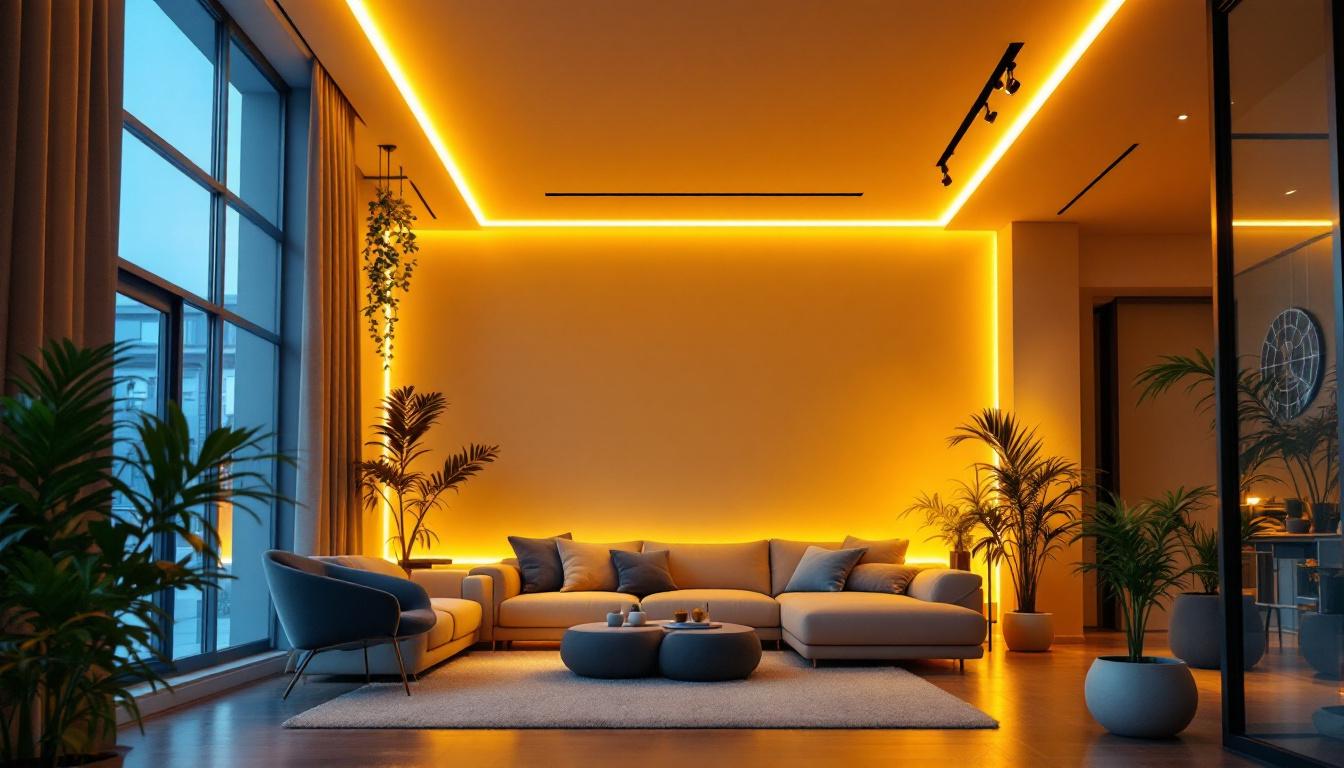
From a design perspective, the slim profile and flexibility of LED strips allow contractors to create seamless lighting effects, such as cove lighting, backlighting, and accent illumination. These features enable creative freedom while maintaining functionality. Moreover, the ability to dim LED strips or change their color dynamically adds another layer of versatility, allowing spaces to be transformed for different moods or purposes, from vibrant and energetic to calm and relaxing.
Another important aspect of LED ceiling strip lighting is its longevity. With a lifespan that can exceed 50,000 hours, LED strips significantly reduce the need for frequent replacements, which not only saves money in the long run but also minimizes waste—a key consideration in today’s environmentally conscious market. Furthermore, many LED strips are now available with smart technology integration, allowing users to control their lighting through mobile apps or voice commands, enhancing convenience and user experience.
Technical Considerations for Installation
Successful installation of LED ceiling strips requires a thorough understanding of electrical and structural factors. Lighting contractors must consider power requirements, mounting surfaces, and environmental conditions to ensure optimal performance and longevity.
Power Supply and Voltage Compatibility
LED strips typically operate on low voltage DC power, commonly 12V or 24V. Selecting the correct power supply is crucial to prevent voltage drop, which can cause uneven lighting or premature failure. Contractors should calculate the total wattage of the LED strips and choose a power supply with a capacity that exceeds this by at least 20% to accommodate potential surges.
Additionally, using constant voltage drivers ensures consistent brightness across the entire length of the strip. For longer runs, voltage drop can be mitigated by using thicker gauge wiring or injecting power at multiple points. It’s also important to consider the type of dimmer switch used, as not all dimmers are compatible with LED technology. A compatible dimmer can enhance the functionality of the LED strips, allowing for adjustable lighting levels that can set the mood for any occasion.
Mounting and Surface Preparation
Proper mounting is vital for both aesthetics and durability. Most LED ceiling strips come with adhesive backing, but this may not be sufficient for all ceiling types or environments. For example, in humid or dusty areas, mechanical fasteners or mounting channels provide more secure attachment.
Surface preparation includes cleaning and drying the mounting area to ensure strong adhesion. Contractors should also verify that the ceiling material can support the weight and heat dissipation requirements of the LED strips. In cases where the ceiling surface is uneven or textured, using a mounting strip can create a level platform for installation, ensuring that the LED strips are aligned properly and provide uniform light distribution. Furthermore, considering the direction of the light output is essential; angled installations can enhance the lighting effect and create interesting visual dynamics in the space.
Thermal Management
Although LEDs produce less heat than traditional bulbs, heat buildup can still affect performance and lifespan. Installing LED strips on heat-dissipating surfaces such as aluminum channels or heat sinks is recommended. This approach helps maintain optimal operating temperatures and prevents premature degradation.
Moreover, incorporating thermal management strategies like spacing the strips appropriately and ensuring adequate airflow around the installation area can further enhance performance. In environments where temperature fluctuations are common, such as garages or attics, additional measures such as using temperature-rated materials can help maintain the integrity of the installation. By prioritizing thermal management, contractors can significantly extend the life of the LED strips while ensuring they operate at peak efficiency, providing consistent and reliable lighting for years to come.
Design and Application Strategies
Lighting contractors must balance technical requirements with aesthetic goals when designing LED ceiling strip installations. Understanding client needs and space characteristics is essential to delivering effective lighting solutions. This involves not only assessing the physical dimensions and layout of the space but also considering the intended use and the emotional response that the lighting should evoke. By engaging in thorough discussions with clients, contractors can uncover preferences and expectations that may not be immediately apparent, ensuring that the final design aligns with their vision.
Choosing Color Temperature and Brightness
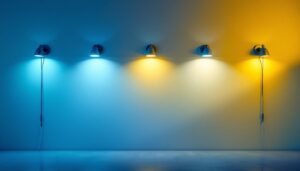
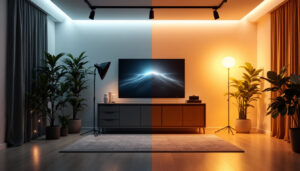
Color temperature, measured in Kelvins (K), influences the mood and functionality of a space. Warm white (2700K–3000K) creates a cozy atmosphere suitable for residential or hospitality settings, while cool white (4000K–5000K) enhances focus and visibility, ideal for offices and retail environments. It’s also important to note that the perception of color temperature can be affected by surrounding colors and materials, so contractors should consider the overall color palette of the space when making recommendations.
Brightness levels should be tailored to the room’s purpose and size. Contractors can select LED strips with adjustable dimming capabilities to provide flexibility and energy savings. Additionally, utilizing layers of light—such as combining ambient, task, and accent lighting—can further enhance the functionality and aesthetic appeal of a space. This layered approach not only improves visibility but also allows for a more dynamic lighting experience that can adapt to different activities and times of day.
Integration with Smart Lighting Systems
Smart lighting integration is increasingly popular, allowing users to control lighting remotely, adjust color temperature, and create dynamic scenes. Lighting contractors should be familiar with compatible controllers and communication protocols such as Zigbee, Z-Wave, or Wi-Fi. This knowledge enables them to recommend systems that best fit the client’s needs, whether they prefer a simple app-based control or a more complex automation setup that integrates with other smart home devices.
Incorporating smart controls adds value to installations and meets growing client demand for connected home and building technologies. Moreover, the ability to program lighting schedules or respond to environmental changes—such as adjusting brightness based on natural light levels—can significantly enhance energy efficiency and user comfort. As the market for smart lighting continues to expand, staying updated on the latest technologies and trends will be crucial for contractors looking to offer cutting-edge solutions.
Common Applications
LED ceiling strips are widely used in various settings:
- Commercial Spaces: Retail stores use LED strips for product highlighting and ambiance, while offices benefit from uniform task lighting. In addition, the use of color-changing LED strips can create engaging displays that draw customers’ attention and enhance the shopping experience.
- Residential: Cove lighting in living rooms, kitchens, and bedrooms enhances architectural features and creates inviting environments. Homeowners can also use LED strips to illuminate shelves, artwork, or even staircases, adding a touch of elegance and safety.
- Hospitality: Hotels and restaurants utilize LED strips for mood lighting and wayfinding. The ability to adjust lighting based on the time of day or special events can create a memorable experience for guests, encouraging longer stays and repeat visits.
- Industrial: Warehouses and manufacturing facilities employ LED strips for energy-efficient, high-visibility illumination. These installations not only improve safety for workers but also contribute to lower energy costs and reduced maintenance needs, making them an attractive option for businesses looking to optimize operations.
Compliance, Safety, and Maintenance
Ensuring compliance with electrical codes and safety standards is a fundamental responsibility for lighting contractors. Proper installation not only protects users but also preserves the contractor’s reputation and liability coverage.
Regulatory Standards
LED ceiling strip installations must adhere to local electrical codes and standards such as the National Electrical Code (NEC) or equivalent regional regulations. This includes correct wiring practices, grounding, and use of certified components.
Contractors should verify that all products have appropriate certifications, such as UL or CE marks, to ensure safety and quality.
Fire Safety and Environmental Considerations
Using fire-retardant materials and ensuring adequate ventilation around LED strips reduces fire risks. In environments with moisture or dust, IP-rated LED strips provide protection against ingress, enhancing durability and safety.
Additionally, LED technology aligns with environmental sustainability goals by reducing energy consumption and minimizing hazardous waste compared to traditional lighting.
Maintenance and Troubleshooting
LED ceiling strips generally require minimal maintenance, but contractors should educate clients on best practices, such as avoiding physical damage and cleaning with non-abrasive materials.
Common issues include flickering, dimming, or complete failure, often caused by power supply problems, loose connections, or voltage drop. Systematic troubleshooting involves checking power sources, wiring integrity, and LED strip condition.
Best Practices for Lighting Contractors
To excel in LED ceiling strip installations, contractors should adopt a comprehensive approach encompassing planning, execution, and client communication.
Detailed Site Assessment
Before installation, conducting a thorough site assessment helps identify potential challenges such as uneven surfaces, power accessibility, and environmental factors. This preparation enables accurate material estimation and reduces costly adjustments.
Collaboration with Designers and Clients
Engaging with interior designers and clients during the planning phase ensures that the lighting solution aligns with aesthetic and functional requirements. Providing samples and mock-ups can facilitate decision-making and satisfaction.
Documentation and Quality Assurance
Maintaining detailed records of product specifications, wiring diagrams, and installation procedures supports future maintenance and warranty claims. Implementing quality checks during and after installation ensures reliability and performance.
Continuous Education and Industry Awareness
The LED lighting industry evolves rapidly, with new technologies and standards emerging regularly. Lighting contractors should invest in ongoing training and stay informed about market trends to offer cutting-edge solutions and maintain competitive advantage.
Conclusion
LED ceiling strip lighting represents a dynamic and efficient option for modern lighting projects. For lighting contractors, mastering the technical, design, and regulatory aspects is critical to delivering superior installations that satisfy client needs and stand the test of time.
By focusing on proper power management, mounting techniques, and integration with smart systems, contractors can unlock the full potential of LED ceiling strips. Coupled with adherence to safety standards and proactive maintenance guidance, these practices ensure successful outcomes and long-term client trust.
Get Your Premium LED Ceiling Strips at LumenWholesale
Ready to elevate your lighting projects with the highest quality LED ceiling strips? Look no further than LumenWholesale, where we provide contractors with spec-grade lighting products at unbeatable wholesale prices. Say goodbye to local distributor markups and hello to superior lighting that meets rigorous industry standards. Plus, with free shipping on bulk orders, you can stock up on premium lighting solutions without worrying about hidden fees. Don’t compromise on quality or value—choose LumenWholesale for the perfect blend of affordability and convenience. Start transforming your lighting installations today by visiting Wholesale Lighting at the Best Value.