Introduction to Outdoor Lighting Solutions for Contractors
Lighting contractors face a critical decision when selecting fixtures for outdoor applications. The choice of lighting not only impacts the aesthetic appeal of a property but also its safety, energy efficiency, and long-term maintenance costs. Among the myriad options available, outdoor LED sconces have emerged as a popular choice. However, traditional alternatives such as incandescent, halogen, and fluorescent fixtures remain in use. This article explores the advantages and disadvantages of outdoor LED sconces compared to their alternatives, providing lighting contractors with a comprehensive understanding to make informed decisions.
Understanding the nuances of each lighting type is essential for contractors tasked with recommending and installing outdoor lighting solutions. Factors such as energy consumption, durability, light quality, and installation complexity play pivotal roles in determining the most suitable option for various projects. For instance, while incandescent bulbs may provide a warm, inviting glow, they are notoriously inefficient, consuming more energy and having a shorter lifespan compared to LEDs. In contrast, LED sconces not only offer a range of color temperatures to suit different aesthetics but also boast a lifespan that can exceed 25,000 hours, significantly reducing replacement frequency and associated costs.
Moreover, the versatility of outdoor LED sconces allows them to be integrated into various architectural styles and landscapes, enhancing the overall design of a property. Many modern LED fixtures come with smart technology features, enabling remote control and programmable settings that can optimize lighting based on time of day or occupancy. This adaptability not only improves energy efficiency but also provides an added layer of security, as well-lit areas deter potential intruders. Additionally, contractors must consider the environmental impact of their lighting choices; LEDs are more eco-friendly, containing no hazardous materials like mercury, which is found in some fluorescent bulbs. This aspect is becoming increasingly important as sustainability becomes a priority in construction and renovation projects.
Energy Efficiency and Cost Considerations
LED Sconces: Superior Energy Savings
One of the most compelling reasons lighting contractors favor outdoor LED sconces is their exceptional energy efficiency. LEDs consume significantly less power than incandescent or halogen bulbs—often up to 75% less energy. This translates into substantial cost savings for property owners over the lifespan of the fixture.
Moreover, LED technology has advanced to provide high lumen output with minimal wattage, allowing for bright, effective illumination without excessive energy use. For contractors, this means the ability to meet client demands for eco-friendly and cost-effective lighting solutions. The longevity of LED sconces, often exceeding 25,000 hours, further enhances their appeal, as property owners can enjoy years of reliable lighting without the hassle of frequent bulb changes. This durability not only reduces maintenance costs but also contributes to a lower environmental impact by decreasing the number of discarded bulbs.
Alternatives: Higher Operational Costs
Traditional incandescent and halogen fixtures, while initially less expensive, have a higher operational cost due to their energy consumption. Fluorescent options offer better efficiency than incandescent but typically fall short of LEDs in terms of energy savings and longevity. The increased power draw and shorter lifespan of these alternatives can lead to more frequent replacements and higher electricity bills, which may not align with modern sustainability goals.
Additionally, the environmental implications of using less efficient lighting cannot be overlooked. Incandescent bulbs, for instance, convert a significant portion of energy into heat rather than light, which not only wastes energy but can also contribute to higher cooling costs in warmer months. As energy prices continue to rise and the push for greener technologies intensifies, the long-term financial and ecological benefits of switching to LED sconces become increasingly apparent. This shift not only supports individual property owners in reducing their carbon footprint but also aligns with broader community efforts to promote sustainable practices and energy conservation.
Durability and Maintenance Requirements
Longevity of LED Outdoor Sconces
Outdoor environments expose lighting fixtures to harsh weather conditions, including rain, snow, wind, and temperature fluctuations. LED sconces are designed with robust materials and sealed housings that resist moisture and corrosion, making them highly durable for exterior use.
The average lifespan of LED fixtures can exceed 25,000 to 50,000 hours, drastically reducing the frequency of replacements. For lighting contractors, this durability translates into fewer service calls and enhanced client satisfaction due to the reliability of the installed fixtures.
Maintenance Challenges with Alternatives
In contrast, incandescent and halogen bulbs have much shorter lifespans, often requiring replacement every 1,000 to 2,000 hours. Fluorescent fixtures, while longer-lasting than incandescent, still fall short of LED longevity and may suffer from issues like flickering or color shift over time.
Maintenance for these alternatives can be more labor-intensive and costly, especially in hard-to-reach outdoor locations. Lighting contractors must weigh these factors when advising clients on the total cost of ownership.
Light Quality and Aesthetic Flexibility
LED Sconces: Versatile Color Temperatures and Designs
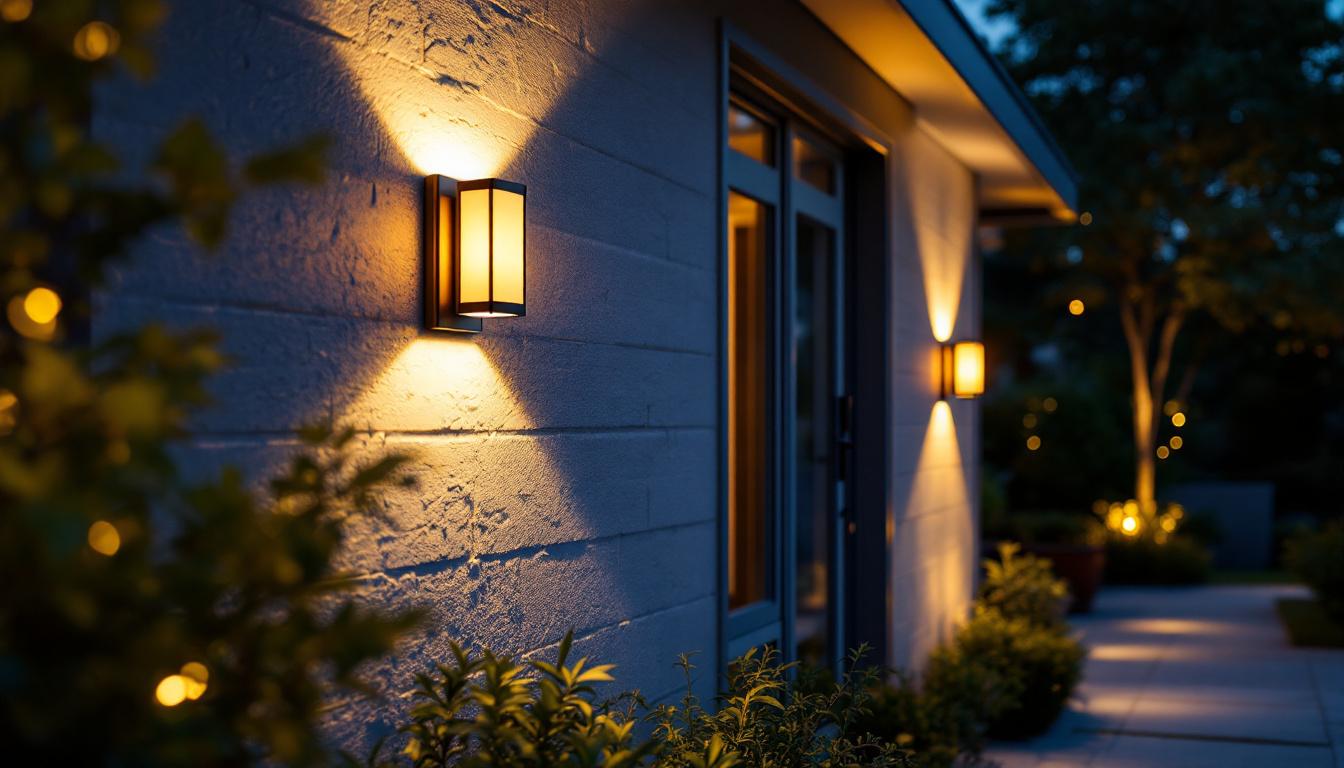
Modern LED outdoor sconces offer a wide range of color temperatures, from warm white to cool daylight, enabling lighting contractors to tailor the ambiance to client preferences and architectural styles. This versatility enhances curb appeal and can highlight landscaping or building features effectively.
Additionally, LED technology supports dimming capabilities and smart controls, allowing for dynamic lighting scenes and energy management. The compact size of LEDs also permits innovative and sleek fixture designs that blend seamlessly with various outdoor decors.
Limitations of Traditional Lighting Alternatives
Incandescent and halogen bulbs typically emit a warm light but lack the flexibility in color temperature options. Fluorescent lights can offer different color temperatures but often suffer from lower color rendering index (CRI), which affects the natural appearance of illuminated objects.
Furthermore, traditional fixtures tend to have bulkier designs due to the size of their bulbs and ballasts, limiting aesthetic choices for contractors aiming for modern or minimalist looks.
Installation and Compatibility Considerations
Ease of Installation with LED Fixtures
LED outdoor sconces are generally designed for straightforward installation. Many models come with integrated LED modules, eliminating the need for bulb replacements and simplifying wiring requirements. This can reduce labor time and potential errors during installation.
Additionally, LEDs operate on low voltage in many cases, increasing safety during installation and allowing compatibility with solar power systems or battery backups, which are increasingly popular in sustainable building projects.
Challenges with Alternative Fixtures
Incandescent and halogen fixtures often require compatible dimmers and transformers, complicating the installation process. Fluorescent fixtures need ballasts, which add to the complexity and potential points of failure.
These factors can increase installation time and costs, which contractors must consider when planning projects and quoting clients.
Environmental Impact and Regulatory Compliance
LEDs and Sustainability
Environmental considerations are becoming paramount in construction and renovation projects. LED outdoor sconces align well with green building certifications and energy codes due to their low energy consumption and reduced carbon footprint.
Additionally, LEDs do not contain hazardous substances like mercury, which is present in fluorescent lamps, making disposal safer and more environmentally friendly. This aspect is increasingly important as regulations tighten around waste management and environmental protection.
Alternatives and Environmental Concerns
Fluorescent fixtures, while energy-efficient compared to incandescent, pose environmental challenges due to their mercury content. Proper disposal and recycling are mandatory, requiring additional effort and cost.
Incandescent and halogen lamps are less energy-efficient and contribute more to greenhouse gas emissions over time, which may conflict with client sustainability goals and local regulations.
Cost Analysis: Initial Investment vs. Long-Term Value
Upfront Costs of LED Outdoor Sconces
LED sconces typically have a higher initial purchase price compared to traditional fixtures. This can be a sticking point for clients focused on upfront budget constraints. However, the total cost of ownership must be considered.
Lighting contractors should emphasize the long-term savings from reduced energy consumption, lower maintenance costs, and extended lifespan, which often offset the initial investment within a few years.
Cost Implications of Alternatives
While incandescent and halogen fixtures may be less expensive initially, their higher energy usage and frequent replacements increase lifetime costs. Fluorescent fixtures fall somewhere in between but still do not match the overall value proposition of LEDs.
Contractors can assist clients in understanding these financial dynamics through detailed cost-benefit analyses and lifecycle assessments.
Case Studies and Industry Trends
Successful LED Sconce Installations
Numerous commercial and residential projects have demonstrated the benefits of outdoor LED sconces. For example, multi-family housing developments have reported energy savings exceeding 50% after retrofitting traditional exterior lighting with LED sconces, alongside improved tenant satisfaction due to better lighting quality.
Similarly, hospitality venues have leveraged LED sconces to create inviting outdoor atmospheres while reducing operational costs, showcasing the practical advantages for lighting contractors and their clients.
Emerging Trends Favoring LEDs
The lighting industry continues to innovate, with LED technology advancing rapidly in efficiency, color rendering, and smart integration. Trends such as IoT-enabled lighting controls and solar-powered LED sconces are gaining traction, offering contractors new opportunities to deliver cutting-edge solutions.
As building codes evolve to mandate higher energy efficiency standards, LEDs are poised to become the default choice for outdoor lighting installations.
Conclusion: Making the Optimal Choice for Outdoor Lighting
For lighting contractors, the decision between outdoor LED sconces and traditional alternatives involves balancing multiple factors: energy efficiency, durability, light quality, installation ease, environmental impact, and cost. While traditional lighting options may offer lower upfront costs, the comprehensive benefits of LED sconces make them the superior choice for most outdoor applications.
By embracing LED technology, contractors can provide clients with sustainable, cost-effective, and aesthetically versatile lighting solutions that meet modern demands and regulatory requirements. Staying informed about technological advancements and industry trends will ensure contractors remain competitive and deliver exceptional value in their outdoor lighting projects.
Illuminate Your Projects with LumenWholesale
Ready to elevate your outdoor lighting projects with the best in LED technology? Look no further than LumenWholesale, where we provide lighting contractors with superior, spec-grade lighting products at prices that can’t be beaten. Our commitment to quality and affordability means you can confidently install outdoor LED sconces that offer unparalleled energy efficiency, durability, and aesthetic appeal. Say goodbye to middleman markups and hello to hassle-free bulk buying with free shipping. Don’t compromise on quality or value—Wholesale Lighting at the Best Value is just a click away. Choose LumenWholesale for your lighting needs and make a bright investment in your projects today.