Introduction to Outdoor Lighting Posts
Outdoor lighting posts are fundamental components in any exterior illumination project. For lighting contractors, understanding the nuances of selecting, installing, and maintaining these posts is crucial to delivering high-quality, durable, and aesthetically pleasing lighting solutions. Posts not only support fixtures but also influence the overall lighting effect, safety, and longevity of the installation.
Whether working on residential landscapes, commercial properties, or public spaces, contractors must balance functionality with design, ensuring posts meet technical requirements while complementing the environment. This article explores best practices that lighting contractors should adopt when working with outdoor lighting posts, from material selection to installation techniques and maintenance considerations.
When selecting outdoor lighting posts, contractors should consider various materials such as aluminum, steel, and fiberglass, each offering unique benefits. Aluminum posts, for instance, are lightweight and resistant to corrosion, making them ideal for coastal areas where saltwater can be a concern. On the other hand, steel posts provide exceptional strength and durability, suitable for high-traffic areas or locations prone to vandalism. Fiberglass posts, while slightly more expensive, offer a blend of aesthetic appeal and resilience, often mimicking the look of traditional materials without the associated maintenance issues.
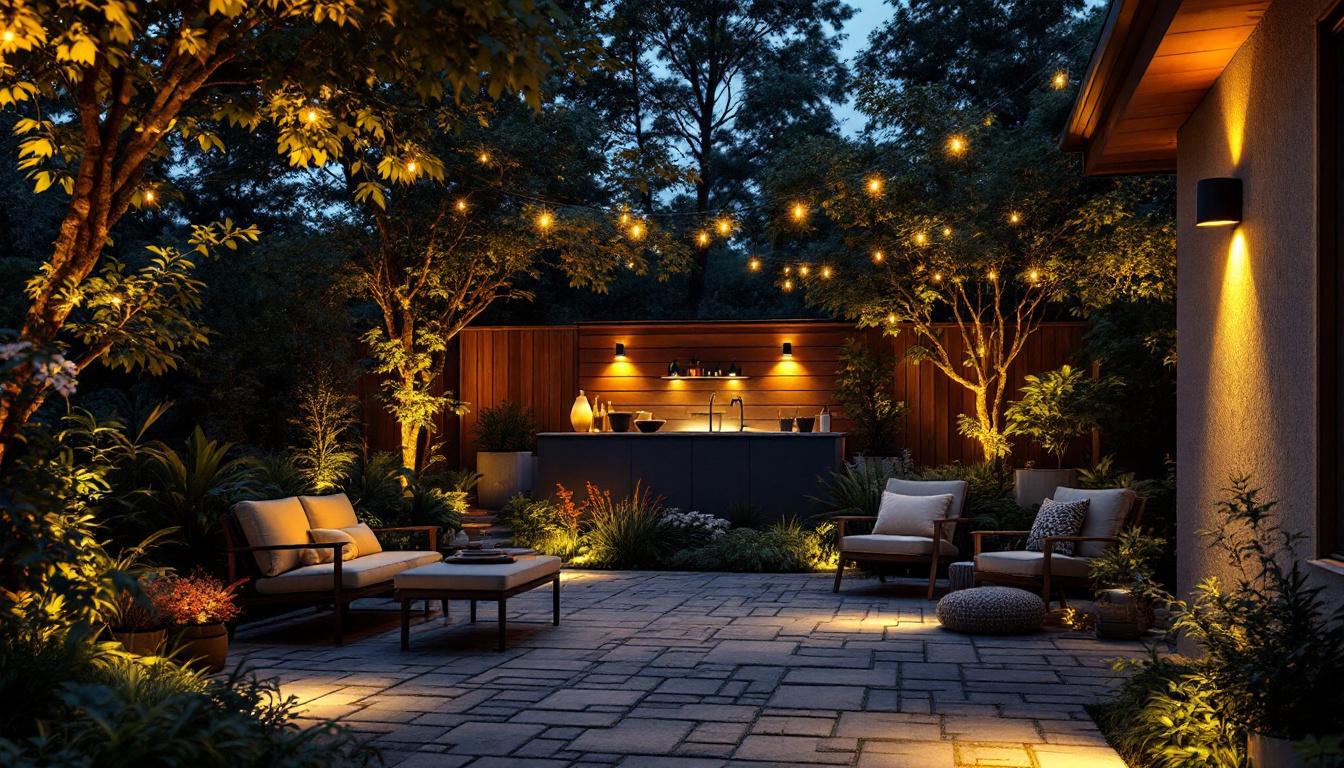
Moreover, the height and design of the posts play a significant role in the overall effectiveness of the lighting scheme. Taller posts can illuminate larger areas and create a dramatic effect, while shorter posts may be more appropriate for intimate settings, such as garden paths or patios. Additionally, the choice of light fixtures, whether they are LED, incandescent, or solar-powered, should align with the post design to create a cohesive look. Understanding these elements not only enhances the visual appeal but also ensures that the lighting meets safety standards and provides adequate illumination for its intended purpose.
Choosing the Right Material for Outdoor Lighting Posts
Common Materials and Their Benefits
Outdoor lighting posts come in various materials, each offering distinct advantages and challenges. The most commonly used materials include aluminum, steel, wood, and fiberglass.
Aluminum is highly favored for its lightweight nature, corrosion resistance, and ease of installation. It requires minimal maintenance and is suitable for coastal or humid environments where rust is a concern. Aluminum posts can be powder-coated in various finishes, enhancing their aesthetic appeal and durability. Additionally, the lightweight nature of aluminum makes it easier to transport and install, reducing labor costs and time on site. Its versatility allows for a wide range of designs, from sleek modern styles to more ornate traditional looks, making it a popular choice among homeowners and landscape architects alike.
Steel offers superior strength and is ideal for heavy fixtures or locations exposed to harsh weather conditions. However, steel posts need proper galvanization or coating to prevent rust and corrosion. Contractors should ensure that steel posts meet relevant industry standards for outdoor use. The resilience of steel also means that it can withstand impacts better than lighter materials, making it suitable for areas with high foot traffic or potential accidental damage. Furthermore, steel can be easily customized with various finishes, allowing it to blend seamlessly into different architectural styles.
Wood provides a natural, rustic look that blends well with garden landscapes and traditional designs. Treated wood posts resist decay and insect damage but require regular maintenance to prolong their lifespan. Wood is less common in commercial projects due to its susceptibility to weathering. However, for residential settings, wood can add warmth and charm, creating an inviting atmosphere. The ability to stain or paint wood allows homeowners to match their lighting posts with other outdoor elements, such as fences or furniture, enhancing the overall aesthetic cohesion of the space.
Fiberglass is a versatile, weather-resistant option that combines strength with low maintenance. It is non-conductive, making it a safer choice in certain applications. Fiberglass posts can be molded into various shapes and finishes, allowing for creative design options. This adaptability makes fiberglass an excellent choice for custom projects or unique installations where traditional materials may fall short. Additionally, fiberglass is resistant to fading and discoloration from UV exposure, ensuring that the posts maintain their appearance over time, even in sunny climates.
Factors Influencing Material Selection
When selecting materials, contractors must consider environmental conditions, fixture weight, aesthetic goals, and budget constraints. Coastal areas with salty air demand corrosion-resistant materials like aluminum or fiberglass. Urban or industrial zones may require robust steel posts to withstand potential impacts or vandalism. Furthermore, the choice of material can also influence the overall lighting performance; for instance, reflective surfaces may enhance the distribution of light, while darker materials could absorb more heat and affect the fixture’s efficiency.
Additionally, the post’s height and diameter should align with the lighting design and fixture specifications. Heavier or larger fixtures necessitate sturdier posts with adequate structural integrity. Budget considerations also play a role; while aluminum and fiberglass may have higher upfront costs, their longevity and low maintenance can offer better value over time. It’s also essential to factor in the installation costs, as some materials may require specialized skills or tools for proper setup. Ultimately, a thorough assessment of all these elements will lead to a more informed decision that balances aesthetics, functionality, and cost-effectiveness.
Design and Placement Best Practices
Optimizing Post Height and Spacing
Proper post height and spacing are critical to achieving uniform illumination and avoiding dark spots or glare. The height of the post influences the light distribution pattern, intensity, and coverage area. For pathway lighting, posts typically range from 2 to 4 feet, providing subtle illumination without overwhelming brightness.
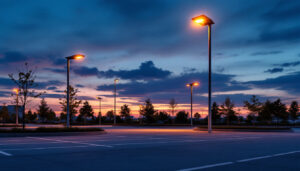
In larger areas such as parking lots or parks, posts may extend from 10 to 20 feet or more to accommodate high-intensity fixtures and broader coverage. Contractors should consult photometric data and lighting design plans to determine optimal post heights and spacing, ensuring compliance with local lighting ordinances and safety standards.
Strategic Placement for Safety and Aesthetics
Lighting posts should be positioned to enhance visibility while minimizing light pollution and energy waste. Strategic placement near walkways, entrances, and landscape features improves safety and guides pedestrian traffic effectively. Avoiding direct line-of-sight to neighbors’ windows or sensitive wildlife habitats reduces complaints and environmental impact.
Contractors should also consider the integration of posts with existing landscape elements. Posts can double as decorative features when coordinated with garden beds, fences, or architectural details. Using adjustable fixtures allows for fine-tuning light angles, reducing glare, and highlighting focal points.
Installation Techniques and Electrical Considerations
Ensuring Structural Stability
Proper installation is essential for the longevity and safety of outdoor lighting posts. Posts must be anchored securely to withstand wind loads, vibrations, and potential impacts. Common anchoring methods include concrete footings, ground spikes, or base plates bolted to existing surfaces.
For concrete footings, contractors should follow local building codes regarding depth and diameter, typically ensuring the footing extends below the frost line to prevent shifting. The use of galvanized or stainless steel anchors prevents corrosion and maintains structural integrity over time.
Electrical Wiring and Safety Protocols
Electrical wiring for outdoor lighting posts must comply with the National Electrical Code (NEC) and local regulations. Using weather-resistant conduit and connectors protects wiring from moisture, UV exposure, and physical damage. Underground wiring should be buried at appropriate depths, typically 18 to 24 inches, and marked with warning tape to avoid accidental damage during future excavation.
Grounding is a critical safety measure, preventing electrical shock hazards. Posts and fixtures should be properly grounded using grounding rods or grounding conductors as specified by code. Contractors must also install ground-fault circuit interrupters (GFCIs) on outdoor circuits to enhance safety.
Maintenance and Longevity of Outdoor Lighting Posts
Routine Inspection and Cleaning
Regular maintenance extends the life of outdoor lighting posts and ensures consistent performance. Contractors should advise clients to inspect posts periodically for signs of corrosion, structural damage, or loose fixtures. Cleaning posts with mild detergents removes dirt, mold, and debris that can degrade finishes and obscure light output.
For metal posts, checking for rust spots and applying touch-up paint or protective coatings prevents further deterioration. Wooden posts require inspection for rot, insect damage, and moisture intrusion, with treatments applied as necessary.
Addressing Environmental and Wear Factors
Environmental factors such as extreme temperatures, humidity, and exposure to chemicals or salt can accelerate wear on lighting posts. Contractors should recommend materials and finishes suited to the specific site conditions and educate clients on protective measures.
Seasonal adjustments, such as repositioning fixtures or trimming nearby vegetation, help maintain optimal light distribution and reduce damage risks. Prompt repair of damaged posts or fixtures prevents safety hazards and costly replacements.
Emerging Trends and Technologies in Outdoor Lighting Posts
Smart Lighting Integration
The rise of smart lighting systems has transformed outdoor lighting design and functionality. Posts equipped with integrated sensors, wireless controls, and energy-efficient LED fixtures allow for adaptive lighting that responds to occupancy, daylight levels, and user preferences.
Lighting contractors can leverage these technologies to offer clients enhanced control, energy savings, and improved security. Posts designed to accommodate smart components must include provisions for wiring, sensor placement, and weatherproof enclosures.
Sustainable and Eco-Friendly Solutions
Environmental sustainability is increasingly important in outdoor lighting projects. Utilizing posts made from recycled or recyclable materials, combined with solar-powered fixtures, reduces carbon footprints and operational costs. Solar posts eliminate the need for extensive wiring and are ideal for remote or off-grid locations.
Contractors should stay informed about evolving standards and certifications related to energy efficiency and environmental impact, enabling them to recommend solutions that align with clients’ sustainability goals.
Conclusion: Delivering Excellence with Outdoor Lighting Posts
For lighting contractors, mastery of outdoor lighting posts encompasses material knowledge, design acumen, installation expertise, and maintenance proficiency. By adhering to best practices and staying current with industry advancements, contractors can create lighting installations that are safe, durable, visually appealing, and environmentally responsible.
Successful projects begin with thoughtful planning and material selection, followed by precise installation and ongoing care. Embracing innovations such as smart controls and sustainable materials further enhances the value delivered to clients. Ultimately, well-executed outdoor lighting posts illuminate spaces effectively while elevating the overall landscape experience.
Illuminate Your Projects with LumenWholesale
Ready to elevate your outdoor lighting projects with the best materials and designs? Look no further than LumenWholesale for all your lighting needs. We provide contractors with high-grade, spec-compliant lighting products at prices that can’t be beaten. Say goodbye to unnecessary markups and hello to a vast selection of premium lighting options that meet the most stringent industry standards. With free shipping on bulk orders, LumenWholesale is your go-to source for quality, affordability, and convenience. Don’t compromise on your lighting installations—choose Wholesale Lighting at the Best Value and make every outdoor space shine with LumenWholesale.