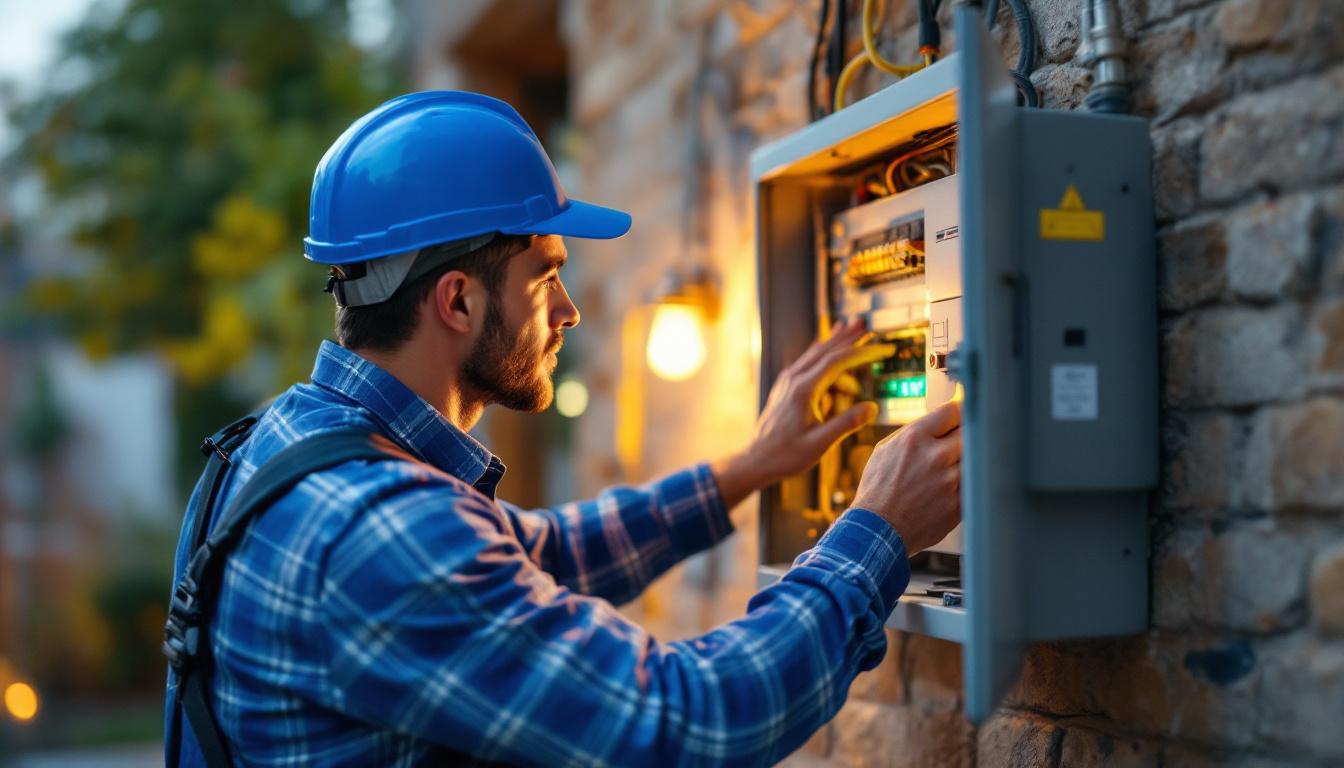
As a lighting contractor, understanding the best practices for outdoor electrical panel covers is essential. These covers not only protect electrical components from the elements but also ensure safety and compliance with local codes. This article outlines the do’s and don’ts that every lighting contractor should be aware of when working with outdoor electrical panel covers.
Understanding the Importance of Outdoor Electrical Panel Covers
Outdoor electrical panel covers serve a critical function in safeguarding electrical systems from environmental factors such as moisture, dust, and temperature fluctuations. Without proper protection, electrical panels can malfunction, leading to costly repairs and potential safety hazards. The role of these covers extends beyond mere protection; they also contribute to the overall efficiency of the electrical system by ensuring that all components function optimally without interference from external elements.
Moreover, using an appropriate cover is vital for maintaining compliance with regulations. Many jurisdictions have specific codes that dictate the types of materials and installation methods that must be used for outdoor electrical installations. Failure to adhere to these regulations can result in fines and unsafe working conditions. In addition to legal repercussions, non-compliance can also void warranties on electrical equipment, further complicating any future repairs or replacements.
Protection Against Elements
Moisture is one of the most significant threats to outdoor electrical panels. Rain, snow, and humidity can lead to corrosion and short circuits. A well-fitted cover shields the panel from these elements, ensuring longevity and reliability. Furthermore, in areas prone to severe weather conditions, such as hurricanes or heavy snowfalls, investing in high-quality, weather-resistant covers becomes even more crucial. These robust covers are designed to withstand extreme conditions, providing peace of mind to homeowners and contractors alike.
Additionally, dust and debris can accumulate in open panels, causing overheating and electrical failures. A proper cover prevents these materials from entering the panel, maintaining optimal performance. In urban environments, where pollution and particulate matter are prevalent, the risk of contamination increases significantly. Therefore, selecting covers with filters or self-cleaning features can further enhance the protection of electrical panels, ensuring they remain functional and safe for extended periods.
Compliance with Local Codes
Each region has its own electrical codes that dictate how outdoor electrical installations should be conducted. Understanding these codes is crucial for any lighting contractor. Non-compliance can not only lead to legal issues but also endanger the safety of the installation. Additionally, local codes often reflect the unique environmental challenges faced in specific areas, such as seismic activity or flooding risks, making it essential to choose covers that address these factors effectively.
It is advisable to familiarize oneself with the National Electrical Code (NEC) and any local amendments. This knowledge will help ensure that the chosen outdoor electrical panel cover meets all necessary requirements. Consulting with local electrical inspectors or experienced contractors can provide valuable insights into the best practices for compliance. By doing so, contractors can not only avoid potential pitfalls but also enhance their reputation in the industry by demonstrating a commitment to safety and quality workmanship.
The Do’s of Outdoor Electrical Panel Covers
When selecting and installing outdoor electrical panel covers, there are several best practices to follow. These do’s will help ensure safety, compliance, and functionality.
Choose the Right Material
One of the most critical decisions is selecting the appropriate material for the electrical panel cover. Options include plastic, metal, and fiberglass, each with its own advantages and disadvantages.
Plastic covers are lightweight and resistant to corrosion, making them an excellent choice for humid environments. Metal covers, while more durable, can rust if not properly coated. Fiberglass offers a balance between strength and resistance to environmental factors, making it a popular option for many contractors. Additionally, consider the aesthetic appeal of the material; some homeowners prefer the sleek look of metal, while others may opt for the versatility of plastic in various colors and finishes.
Ensure Proper Sealing
Sealing is essential to prevent moisture ingress. A well-sealed cover will protect the electrical components from rain and humidity. Use gaskets or silicone sealants to create a watertight seal between the cover and the panel.
Regularly inspect the seals for wear and tear, especially after severe weather events. Replacing worn seals promptly can prevent significant damage and costly repairs. Furthermore, consider the use of additional protective measures such as weatherproofing sprays or coatings that can enhance the longevity of the seals and provide an extra layer of protection against the elements.
Install at the Correct Height
Installation height is another critical factor. Electrical panels should be installed at a height that allows for easy access while also being above potential flooding levels. This is particularly important in areas prone to heavy rainfall or flooding.
Consult local codes for specific height requirements, as these can vary significantly depending on the region. It’s also wise to think about accessibility for maintenance; ensuring that the panel is installed at a comfortable height can facilitate quicker inspections and repairs. Additionally, consider the surrounding landscape; if you plan to add landscaping or hardscaping features, ensure they won’t obstruct access to the panel in the future.
The Don’ts of Outdoor Electrical Panel Covers
While there are many best practices to follow, there are also common pitfalls to avoid. The following don’ts will help prevent mistakes that could jeopardize the safety and functionality of outdoor electrical installations.
Don’t Skimp on Quality
Choosing low-quality materials may seem like a cost-saving measure, but it can lead to significant issues down the line. Inferior covers may not provide adequate protection against the elements, leading to corrosion and electrical failures.
Investing in high-quality materials will pay off in the long run by reducing maintenance costs and ensuring the safety of the installation.
Don’t Ignore Ventilation Needs
Proper ventilation is crucial for outdoor electrical panels, especially in areas with high humidity. Failing to provide adequate ventilation can lead to overheating and damage to electrical components.
Ensure that the cover allows for sufficient airflow while still providing protection from the elements. Some covers come with built-in vents that can help maintain an optimal temperature within the panel.
Don’t Overlook Accessibility
While it’s essential to protect electrical panels, it’s equally important to ensure that they remain accessible for maintenance and inspections. Covers that are too difficult to remove can lead to frustration and potential safety hazards.
Design the installation in a way that allows for easy access without compromising safety. Consider using locks or latches that can be easily manipulated by authorized personnel.
Best Practices for Installation
Proper installation of outdoor electrical panel covers is crucial for ensuring their effectiveness and longevity. Following best practices during installation can prevent many common issues.
Follow Manufacturer Instructions
Every electrical panel cover comes with specific installation instructions provided by the manufacturer. Following these guidelines is essential for ensuring that the cover functions as intended.
Take the time to read and understand these instructions before beginning the installation process. This can help avoid mistakes that could compromise the integrity of the installation.
Use the Right Tools
Using the appropriate tools for the job is vital for a successful installation. Ensure that all tools are in good working condition and are suitable for the materials being used.
Having the right tools on hand not only makes the installation process smoother but also enhances safety. For instance, using insulated tools can help prevent electrical shocks during installation.
Conduct a Final Inspection
Once the installation is complete, conducting a thorough inspection is crucial. Check for any gaps or areas where moisture could potentially enter. Ensure that all seals are intact and that the cover is securely fastened.
A final inspection can help identify any issues before they become significant problems. It’s always better to catch potential issues early than to deal with the consequences later on.
Common Mistakes to Avoid
Even experienced lighting contractors can make mistakes when it comes to outdoor electrical panel covers. Being aware of common pitfalls can help prevent these errors.
Neglecting Regular Maintenance
Once the outdoor electrical panel cover is installed, it’s easy to forget about it. However, regular maintenance is essential for ensuring its continued effectiveness. Schedule periodic inspections to check for signs of wear and tear, such as rust or damage to seals.
Addressing minor issues promptly can prevent more significant problems down the line, saving time and money.
Failing to Document Installations
Documentation is often overlooked but is crucial for future reference. Keeping records of installations, including materials used and installation dates, can be beneficial for both contractors and clients.
This documentation can help track maintenance schedules and provide valuable information for future upgrades or repairs.
Overcomplicating the Installation
Sometimes, contractors may overthink the installation process, leading to unnecessary complications. Stick to straightforward solutions that effectively address the needs of the installation.
Remember, simplicity often leads to better results. A well-designed, uncomplicated installation will be easier to maintain and less prone to issues.
Conclusion
Outdoor electrical panel covers play a vital role in protecting electrical systems from environmental factors and ensuring safety. By following the do’s and don’ts outlined in this article, lighting contractors can enhance their installations’ effectiveness and longevity.
Understanding the importance of proper material selection, sealing, and installation practices is essential for any contractor. Regular maintenance and documentation further contribute to the success of outdoor electrical installations.
By adhering to these guidelines, lighting contractors can provide reliable and safe electrical solutions that meet the needs of their clients while ensuring compliance with local regulations.
Get Your Premium Outdoor Electrical Panel Covers at LumenWholesale
Ready to elevate your lighting projects with the highest quality outdoor electrical panel covers? Look no further than LumenWholesale, where we provide contractors with spec-grade lighting products at unbeatable wholesale prices. Our selection is designed to meet the most rigorous industry standards, ensuring you deliver reliable and high-performance lighting solutions to your clients. Plus, with free shipping on bulk orders, you can secure the best value without the hassle of hidden fees. Don’t compromise on quality or affordability. Wholesale Lighting at the Best Value is just a click away. Experience the LumenWholesale difference today!