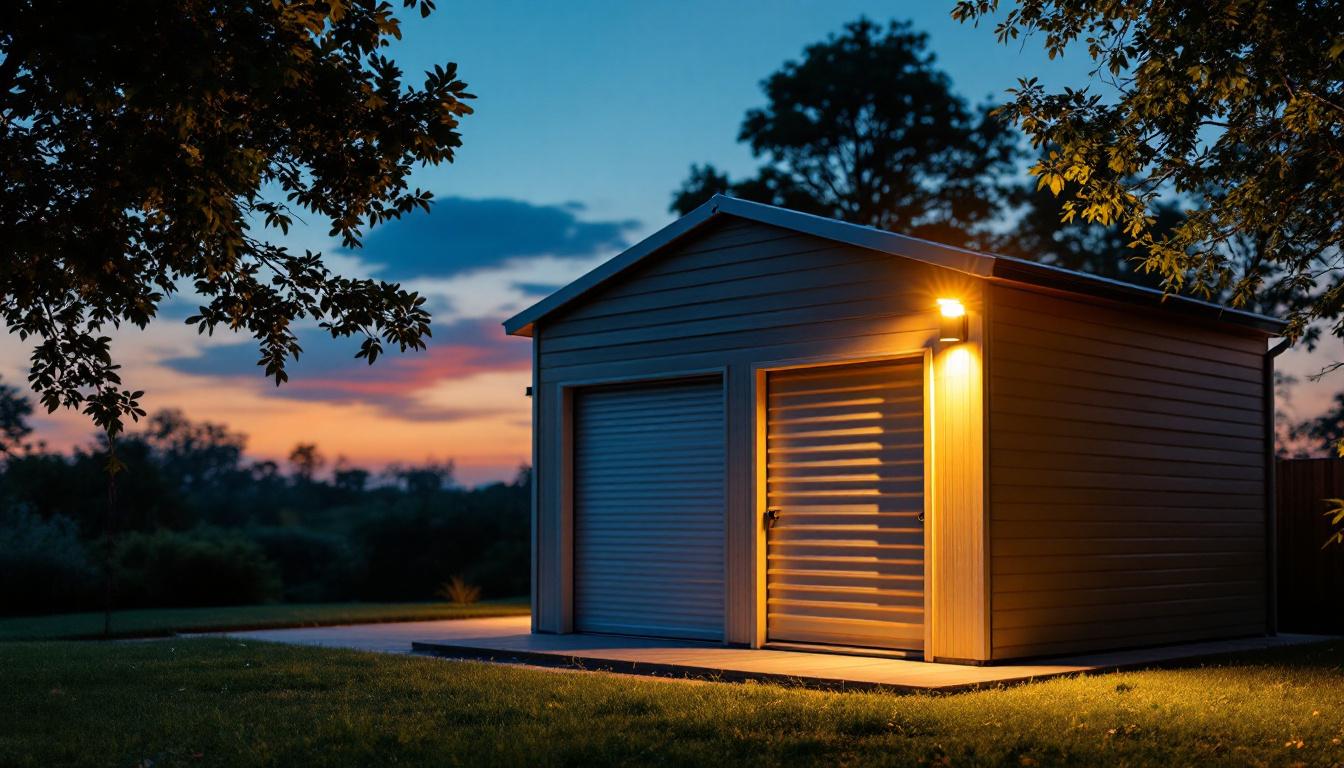
Understanding the Importance of Outdoor Commercial Lighting
Outdoor commercial lighting serves a critical role beyond mere illumination. For businesses, it enhances security, improves aesthetic appeal, and supports operational efficiency during nighttime hours. As lighting contractors, recognizing these multifaceted benefits is essential to designing and installing systems that meet client expectations and comply with regulatory standards.
Effective outdoor lighting can reduce crime rates by deterring potential intruders and increasing visibility around commercial properties. Studies have shown that well-lit areas experience fewer incidents of theft and vandalism, which can save businesses significant costs related to security breaches. Furthermore, strategic lighting enhances the customer experience by creating inviting atmospheres for retail spaces, hospitality venues, and office complexes.
Moreover, outdoor commercial lighting plays a pivotal role in highlighting architectural features and landscaping, effectively transforming the nighttime appearance of a business. Thoughtfully placed fixtures can accentuate unique design elements, making a property stand out in the competitive marketplace. This not only attracts potential customers but also fosters a sense of community pride, as well-lit public spaces can encourage social interactions and gatherings. Additionally, incorporating energy-efficient lighting solutions, such as LED fixtures, not only reduces electricity costs but also aligns with sustainability goals, appealing to environmentally-conscious consumers.
In the context of operational efficiency, outdoor lighting can facilitate extended business hours, allowing companies to maximize their revenue potential. For example, restaurants and retail stores can benefit from well-lit outdoor seating areas or display windows, drawing in foot traffic even after sunset. Furthermore, adequate lighting ensures that employees can perform their duties safely and effectively, whether they are managing deliveries, conducting maintenance, or providing customer service. By investing in high-quality outdoor lighting, businesses not only enhance their immediate environment but also contribute to a safer and more vibrant community overall.
Key Considerations When Designing Outdoor Commercial Lighting
Assessing Site Requirements and Environmental Factors
Before selecting fixtures and layouts, contractors must conduct thorough site assessments. This includes understanding the property’s size, layout, and primary use. Environmental factors such as local climate, surrounding natural features, and potential sources of light pollution also influence design decisions.
For example, coastal areas may require corrosion-resistant fixtures due to salt air exposure, while urban settings might demand lighting solutions that minimize glare and prevent light trespass onto neighboring properties. Additionally, considering seasonal changes and vegetation growth helps ensure consistent performance throughout the year. It’s also essential to evaluate the existing infrastructure, such as power sources and potential obstructions, which could affect the placement and effectiveness of lighting installations. By taking a comprehensive approach to site assessment, contractors can develop customized lighting solutions that enhance both functionality and aesthetic appeal.
Compliance with Codes and Standards
Adhering to local, state, and national lighting codes is non-negotiable. The Illuminating Engineering Society (IES) provides widely accepted guidelines on recommended illumination levels, uniformity ratios, and fixture placement. Moreover, many municipalities have ordinances governing light pollution, energy efficiency, and safety requirements.
Lighting contractors must stay updated on these regulations to avoid costly redesigns or legal complications. Incorporating energy-efficient technologies such as LED lighting can also assist clients in meeting sustainability goals and qualifying for rebates or incentives. Furthermore, understanding the implications of zoning laws and neighborhood covenants can help prevent conflicts with local residents and ensure that the lighting design aligns with community standards. By proactively addressing these compliance issues, contractors not only safeguard their projects but also contribute to the broader goal of responsible urban development, fostering a harmonious balance between illumination and environmental stewardship.
Choosing the Right Fixtures and Technologies
LED Lighting: The Industry Standard
LED technology has revolutionized outdoor commercial lighting due to its longevity, energy efficiency, and versatility. LEDs consume significantly less power compared to traditional metal halide or high-pressure sodium lamps, reducing operational costs and environmental impact.
Furthermore, LEDs offer superior color rendering and instant-on capabilities, which enhance visibility and safety. Their compact size allows for flexible fixture designs, enabling contractors to tailor lighting solutions to specific architectural and landscape features. This adaptability is particularly beneficial in urban environments where space is at a premium, allowing for innovative installations that blend seamlessly with the surroundings.
Another advantage of LED lighting is its low heat emission, which not only contributes to energy savings but also minimizes the risk of heat-related damage to nearby plants or structures. Additionally, the lifespan of LED fixtures often exceeds 50,000 hours, significantly reducing the frequency of replacements and maintenance. As a result, businesses can allocate resources more effectively, focusing on other areas of improvement while enjoying the long-term benefits of this cutting-edge technology.
Smart Lighting Controls and Automation
Integrating smart controls into outdoor lighting systems is becoming increasingly important. Motion sensors, photocells, and programmable timers enable dynamic lighting that adjusts based on occupancy, daylight availability, and time of day. This not only conserves energy but also extends fixture lifespan.
Advanced systems can be managed remotely via mobile apps or centralized management platforms, providing clients with real-time monitoring and maintenance alerts. Lighting contractors should familiarize themselves with these technologies to offer cutting-edge solutions that meet modern commercial demands. The ability to customize lighting settings based on specific needs—such as dimming lights during off-peak hours or increasing brightness for special events—adds a layer of flexibility that traditional systems simply cannot match.
Moreover, smart lighting can be integrated with other building management systems, creating a cohesive environment that enhances overall efficiency. For instance, coordinating outdoor lighting with security systems can improve safety, as lights can automatically brighten in response to detected movement. This interconnected approach not only enhances user experience but also supports sustainability goals by optimizing energy use across multiple systems. As businesses increasingly prioritize smart technology, understanding these integrations will be key for contractors looking to stay ahead in the competitive landscape of commercial lighting solutions.
Installation Best Practices for Outdoor Commercial Lighting
Proper Fixture Placement and Mounting
Accurate positioning of fixtures is crucial to achieving uniform illumination and minimizing shadows or glare. Contractors should use photometric studies and lighting design software to simulate lighting patterns before installation. This ensures compliance with recommended foot-candle levels and avoids over-lighting.
Mounting height and angle must be carefully selected to optimize coverage while preventing light spillover onto adjacent properties or roadways. Using adjustable brackets and aiming tools can facilitate precise alignment during installation. Additionally, it is important to consider the surrounding landscape and architectural features, as these can influence how light is distributed. For example, trees, signage, and building facades can all create varying levels of shadow, which may necessitate adjustments in fixture placement to achieve the desired effect. A well-planned layout not only enhances visibility but also contributes to the aesthetic appeal of the outdoor space.
Ensuring Electrical Safety and Durability
Outdoor lighting installations must withstand harsh environmental conditions, including moisture, temperature fluctuations, and physical impacts. Using weatherproof enclosures, corrosion-resistant materials, and proper sealing techniques protects electrical components from damage.
Contractors should also follow National Electrical Code (NEC) requirements for grounding, wiring methods, and circuit protection. Employing surge protectors and ground-fault circuit interrupters (GFCIs) enhances system reliability and safety. Furthermore, regular maintenance checks are essential to ensure that all components remain in good working condition. This includes inspecting fixtures for signs of wear, checking connections for corrosion, and ensuring that any protective measures are intact. By proactively addressing potential issues, contractors can extend the lifespan of the lighting system and maintain optimal performance, ultimately leading to a safer and more inviting environment for patrons and employees alike.
Maintenance and Troubleshooting Strategies
Routine Inspection and Cleaning
Regular maintenance is essential to preserve lighting performance and extend fixture life. This includes cleaning lenses and reflectors to remove dirt and debris that can reduce light output. Inspecting wiring connections and mounting hardware helps identify potential issues before they lead to failures. Additionally, checking for corrosion or wear on fixtures, especially in coastal or humid environments, is crucial, as these conditions can accelerate deterioration. Implementing a thorough cleaning protocol, which may involve using specific cleaning agents or techniques suitable for different materials, can further enhance the longevity and efficiency of the lighting systems.
Establishing a maintenance schedule tailored to the specific environment and fixture types ensures consistent illumination and client satisfaction. This schedule should consider seasonal changes, as factors like falling leaves in autumn or snow accumulation in winter can affect lighting performance. Furthermore, documenting each maintenance visit can provide valuable insights for future assessments and help in tracking the overall health of the lighting system over time.
Diagnosing Common Problems
Lighting contractors should be adept at troubleshooting issues such as flickering, dimming, or complete outages. Common causes include loose connections, damaged wiring, faulty drivers, or sensor malfunctions. Utilizing diagnostic tools like multimeters and thermal cameras can expedite problem identification. In addition to these tools, having a systematic approach to troubleshooting—such as checking power sources, testing individual components, and reviewing system settings—can streamline the process and lead to quicker resolutions. Understanding the specific technology used in the fixtures, whether LED, halogen, or fluorescent, can also inform the troubleshooting process and lead to more effective solutions.
Prompt repairs or replacements minimize downtime and maintain the safety and security benefits of outdoor lighting systems. Moreover, being proactive in addressing minor issues can prevent them from escalating into more significant problems that could require extensive repairs or replacements. Regular training for maintenance staff on the latest technologies and troubleshooting techniques can enhance their effectiveness and ensure that they are well-equipped to handle a variety of scenarios, ultimately leading to improved service quality and client trust.
Enhancing Client Relationships Through Education and Support
Beyond technical expertise, lighting contractors can differentiate themselves by educating clients on the benefits and proper use of their outdoor lighting systems. Providing clear documentation, user manuals, and training on smart control interfaces empowers clients to maximize system efficiency.
Offering ongoing support services such as scheduled maintenance contracts and emergency response builds trust and encourages long-term partnerships. Demonstrating a commitment to client success ultimately drives referrals and business growth.
Conclusion
Outdoor commercial lighting is a complex yet rewarding specialty that demands a comprehensive understanding of design principles, technology, installation techniques, and maintenance protocols. By adhering to best practices, lighting contractors can deliver solutions that enhance safety, aesthetics, and energy efficiency for their commercial clients.
Staying informed about evolving technologies and regulatory requirements ensures that contractors remain competitive and capable of addressing diverse project needs. Ultimately, excellence in outdoor commercial lighting translates into safer, more attractive, and sustainable commercial environments.
Illuminate Your Projects with LumenWholesale
Ready to elevate your outdoor commercial lighting projects with superior quality and value? Look no further than LumenWholesale, where we provide spec-grade lighting products designed to meet the rigorous demands of any commercial environment. Our commitment to cutting out the middleman means you enjoy unbeatable wholesale prices without sacrificing performance. With free shipping on bulk orders, LumenWholesale is your go-to source for reliable, high-performance lighting solutions that blend quality, affordability, and convenience seamlessly. Don’t compromise on your lighting needs—choose LumenWholesale for Wholesale Lighting at the Best Value and make your next project shine.