Understanding the Appeal of Retro Bulb Lighting
Retro bulb lighting has surged in popularity, blending nostalgic aesthetics with modern functionality. For lighting contractors, mastering this style is not just about installing bulbs but creating an ambiance that resonates with clients seeking warmth, character, and timeless design. Retro bulbs—often characterized by their filament designs, warm color temperatures, and vintage shapes—offer a unique opportunity to transform spaces into inviting environments. They evoke memories of a bygone era, making them particularly appealing in settings where storytelling through design is paramount.
The appeal lies in the balance between form and function. Unlike standard bulbs, retro bulbs serve as both a light source and a design element. Their exposed filaments and amber glow evoke a sense of craftsmanship and history, making them ideal for hospitality venues, residential projects, and retail spaces aiming for a cozy, authentic feel. Furthermore, the versatility of retro bulbs allows them to be used in a variety of fixtures—from pendant lights to chandeliers—enabling designers to incorporate them into diverse design schemes while still maintaining a cohesive aesthetic.
Why Clients Choose Retro Bulb Lighting
Clients are increasingly drawn to retro bulb lighting because it complements a variety of interior styles, from industrial lofts to rustic farmhouses. The warm light temperature, typically around 2200K to 2700K, enhances textures and colors in a room, creating an inviting atmosphere that standard LEDs often fail to replicate. Additionally, retro bulbs are often associated with energy efficiency improvements compared to traditional incandescent bulbs, especially when utilizing LED filament technology. This combination of energy savings and aesthetic appeal makes retro bulbs an attractive option for environmentally conscious clients who do not want to compromise on style.
Moreover, the emotional connection that retro lighting can evoke is a significant factor in its popularity. Many clients appreciate the nostalgia associated with vintage designs, as they remind them of cherished memories or family gatherings. This emotional resonance can be a powerful selling point for contractors, who can highlight how retro lighting can enhance the overall experience of a space, making it feel more personal and inviting. As clients seek to create unique environments that reflect their personalities, retro bulbs provide an ideal solution that marries functionality with emotional appeal.
The Contractor’s Role in Delivering Retro Lighting Solutions
Lighting contractors play a pivotal role in guiding clients through the selection, installation, and optimization of retro bulb lighting. Understanding the nuances of bulb types, fixture compatibility, and dimming capabilities is essential for delivering a seamless experience. Contractors must also consider electrical safety standards and energy codes, ensuring that retro lighting installations meet both aesthetic and regulatory requirements. This expertise not only ensures safety and compliance but also enhances the overall satisfaction of the client, who can trust that their vision is being realized with professionalism.
In addition to technical knowledge, effective communication is vital for contractors working with clients interested in retro lighting. Engaging clients in discussions about their design preferences, lifestyle needs, and the intended use of the space can lead to more tailored solutions. By offering insights into the latest trends and advancements in retro lighting, contractors can help clients make informed decisions that align with their aesthetic goals while also addressing practical considerations such as maintenance and longevity. This collaborative approach not only fosters trust but also positions contractors as valuable partners in the design process, ensuring that the final outcome is both beautiful and functional.
Types of Retro Bulbs and Their Applications
Not all retro bulbs are created equal. Lighting contractors must familiarize themselves with the various types available to tailor solutions to project needs effectively.
Classic Edison Bulbs
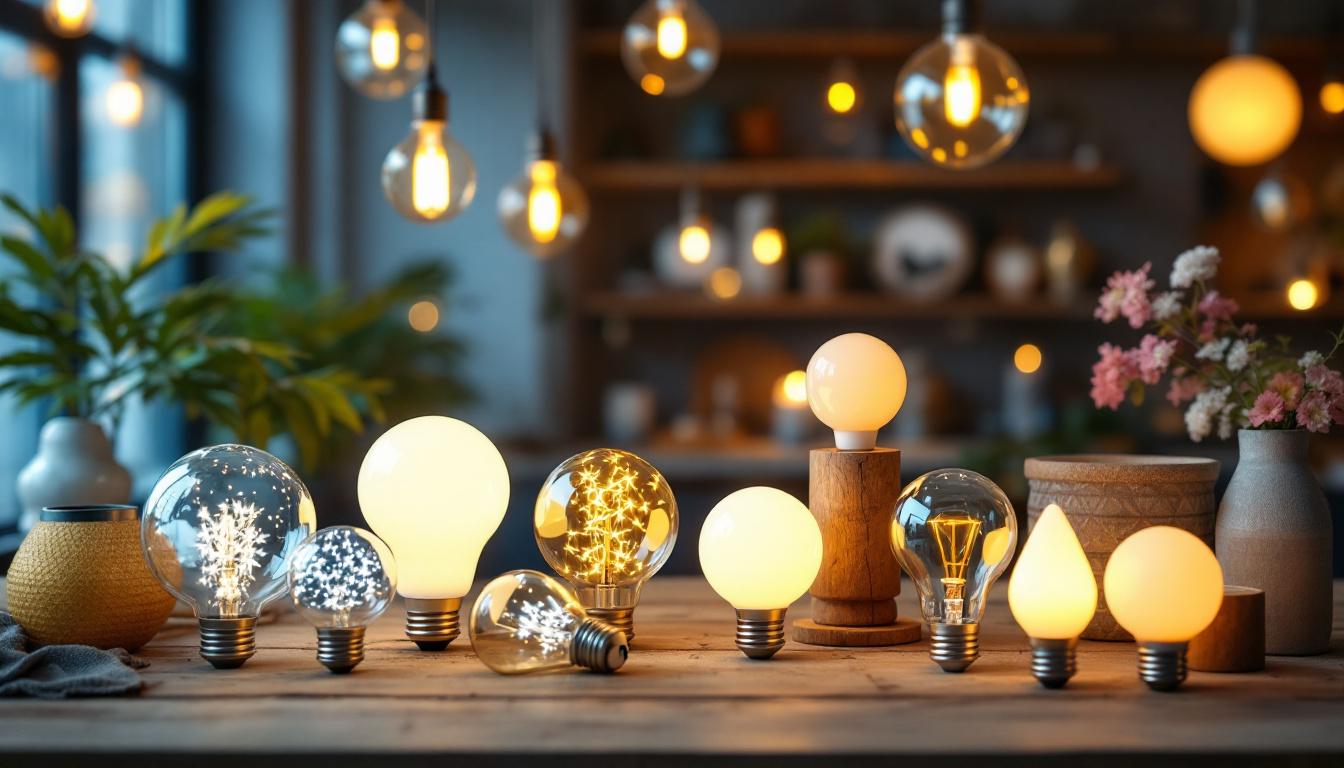
Classic Edison bulbs are the quintessential retro bulb, featuring long, looping filaments and a teardrop shape. Their amber-tinted glass and warm glow make them perfect for decorative fixtures where the bulb is visible. These bulbs are often used in pendant lights, chandeliers, and wall sconces to create a vintage ambiance. Beyond aesthetics, these bulbs evoke a sense of nostalgia, often reminding people of the early 20th century when they first became popular. This emotional connection can be a powerful selling point in residential settings, particularly in homes designed with a rustic or industrial theme.
Globe and ST64 Bulbs
Globe bulbs offer a rounder shape, providing a softer light distribution, while ST64 bulbs have a slender, tubular form with intricate filament designs. Both types are popular in retro and mid-century modern interiors. Globe bulbs are especially favored in vanity lighting and open fixtures, whereas ST64 bulbs add flair to exposed bulb installations. The versatility of these bulbs allows them to be used in various settings, from chic cafes to trendy boutiques, where they can enhance the overall design aesthetic. Additionally, their unique shapes can serve as conversation starters, drawing attention to the lighting design as an integral part of the space rather than just a functional element.
LED Filament Bulbs: The Modern Twist
LED filament bulbs combine the retro aesthetic with modern energy efficiency. They mimic the look of traditional filaments but consume significantly less power and have longer lifespans. For contractors, these bulbs offer the advantage of meeting client demands for sustainability without compromising style. However, compatibility with dimmers and fixture types must be carefully assessed to avoid flickering or reduced performance. The growing popularity of LED filament bulbs also aligns with current trends in eco-friendly design, making them an attractive option for environmentally conscious consumers. Moreover, advancements in LED technology continue to improve the quality of light emitted, ensuring that the warm tones and brightness levels closely resemble those of their incandescent counterparts, thus preserving the desired ambiance in any space.
Installation Best Practices for Retro Bulb Lighting
Proper installation is critical to achieving the desired aesthetic and functional outcomes with retro bulb lighting. Contractors should adhere to best practices that ensure safety, performance, and client satisfaction.
Fixture Selection and Compatibility
Choosing the right fixture is as important as selecting the bulb itself. Retro bulbs are often larger or shaped differently than standard bulbs, so fixtures must accommodate their dimensions and heat output. Open fixtures or those with clear glass shades are preferred to showcase the bulb’s design. Additionally, contractors should verify that the fixture’s socket type matches the bulb base, commonly E26 or E27.
Wiring and Electrical Considerations
Since retro bulbs can draw more power than some modern LEDs, especially incandescent types, ensuring that wiring and circuit breakers can handle the load is essential. Contractors should also consider the use of compatible dimmer switches designed for LED or incandescent bulbs, depending on the bulb type, to provide smooth dimming without flicker.
Positioning and Layering of Light
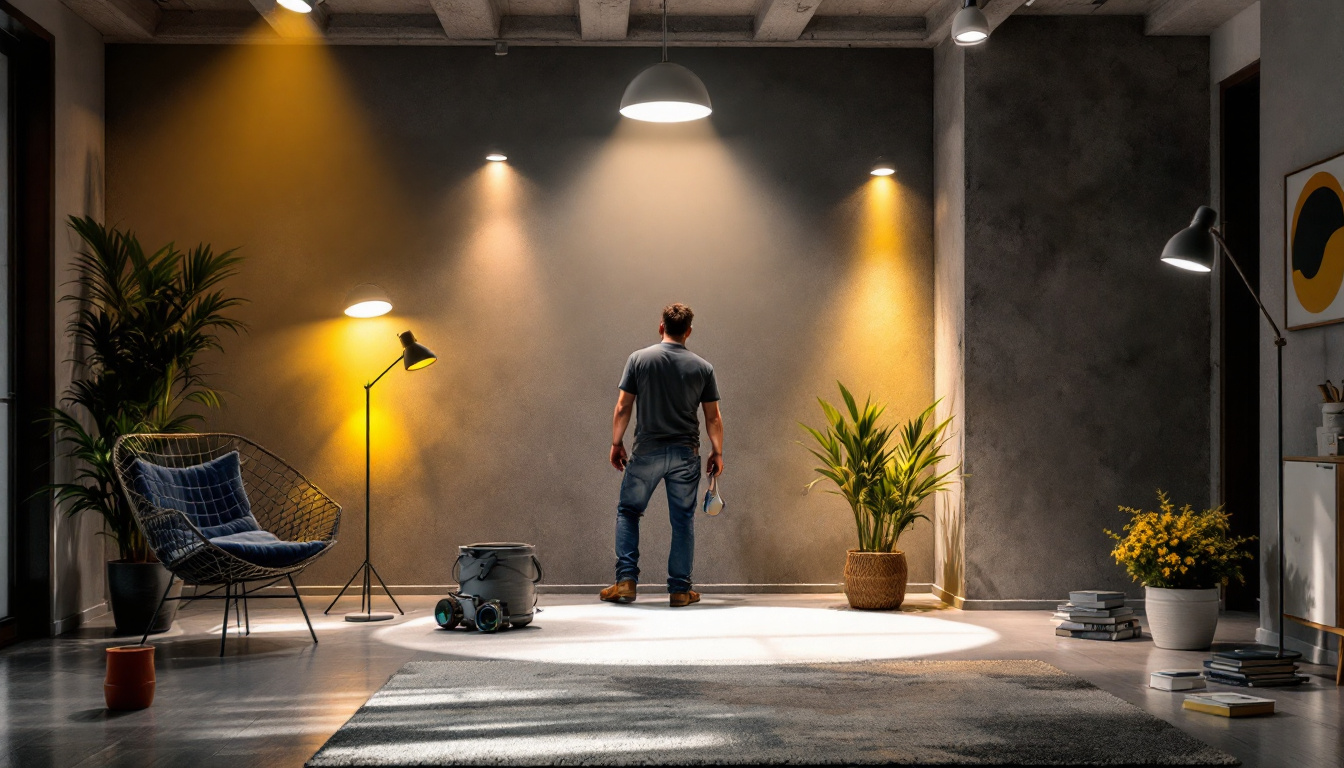
Effective retro lighting design involves layering light sources to create depth and interest. Contractors should work with designers or clients to position bulbs at varying heights and locations, combining ambient, task, and accent lighting. This approach enhances the overall ambiance and highlights architectural features or décor elements.
Common Challenges and How to Overcome Them
While retro bulb lighting offers many benefits, contractors often encounter challenges that require expertise and problem-solving skills.
Heat Management
Traditional incandescent retro bulbs generate significant heat, which can affect fixture longevity and safety. Contractors should advise clients on the benefits of LED filament bulbs to mitigate heat issues. When incandescent bulbs are used, ensuring adequate ventilation and selecting fixtures rated for higher temperatures is crucial.
Flickering and Dimming Issues
Flickering is a common complaint with retro bulbs, especially when paired with incompatible dimmers. Contractors must specify dimmers that support the bulb technology in use. For LED filament bulbs, selecting dimmers designed for LED loads prevents flickering and extends bulb life.
Balancing Aesthetics and Energy Efficiency
Clients may desire the vintage look but also want energy savings. Contractors can educate clients on the advantages of LED filament bulbs, which provide the same warm glow with a fraction of the energy consumption. Demonstrating cost savings over time can help clients make informed decisions that align with both style and sustainability goals.
Enhancing Client Satisfaction Through Education and Service
Lighting contractors who excel in retro bulb lighting distinguish themselves by offering comprehensive education and attentive service.
Guiding Clients Through Selection
Many clients are unfamiliar with the technical aspects of retro bulbs. Contractors should provide clear explanations about bulb types, color temperatures, wattage equivalents, and fixture compatibility. Offering samples or mock-ups can help clients visualize the final effect and make confident choices.
Maintenance and Longevity Advice
Informing clients about the expected lifespan of different bulb types and proper maintenance practices enhances satisfaction and reduces service calls. For example, LED filament bulbs typically last tens of thousands of hours, whereas incandescent bulbs may require more frequent replacement.
Aftercare and Support
Providing follow-up support, whether through check-ins or readily available consultation, fosters trust and encourages repeat business. Contractors who position themselves as knowledgeable partners in lighting solutions create long-term client relationships that benefit both parties.
Conclusion: Mastering Retro Bulb Lighting as a Competitive Advantage
Retro bulb lighting is more than a trend; it is a versatile design element that lighting contractors can leverage to enhance their service offerings. By understanding the nuances of bulb types, installation techniques, and client preferences, contractors can deliver lighting solutions that combine beauty, function, and efficiency.
Staying informed about the latest technologies, such as LED filament advancements, and adhering to best practices ensures that retro lighting installations are safe, reliable, and visually stunning. Ultimately, mastering retro bulb lighting empowers contractors to meet diverse client needs and stand out in a competitive market.
Illuminate Your Projects with LumenWholesale
Ready to elevate your lighting projects with the timeless charm of retro bulb lighting? Look no further than LumenWholesale for an unparalleled selection of spec-grade lighting products at wholesale prices. Our commitment to quality and affordability ensures that you can bring the warm, inviting glow of retro lighting to your clients without compromise. With free shipping on bulk orders, LumenWholesale is your go-to source for premium lighting solutions that blend seamlessly with your design vision. Don’t let inflated markups dim your creative potential. Discover the perfect fusion of style, efficiency, and value at Wholesale Lighting at the Best Value and make your next project shine.