Understanding OSHA’s Emergency Lighting Standards
Emergency lighting is not just a regulatory checkbox; it’s a critical safety feature that can save lives during power outages or emergencies. For lighting contractors, understanding OSHA’s requirements is essential to ensure that installations meet legal standards and provide reliable illumination when it matters most.
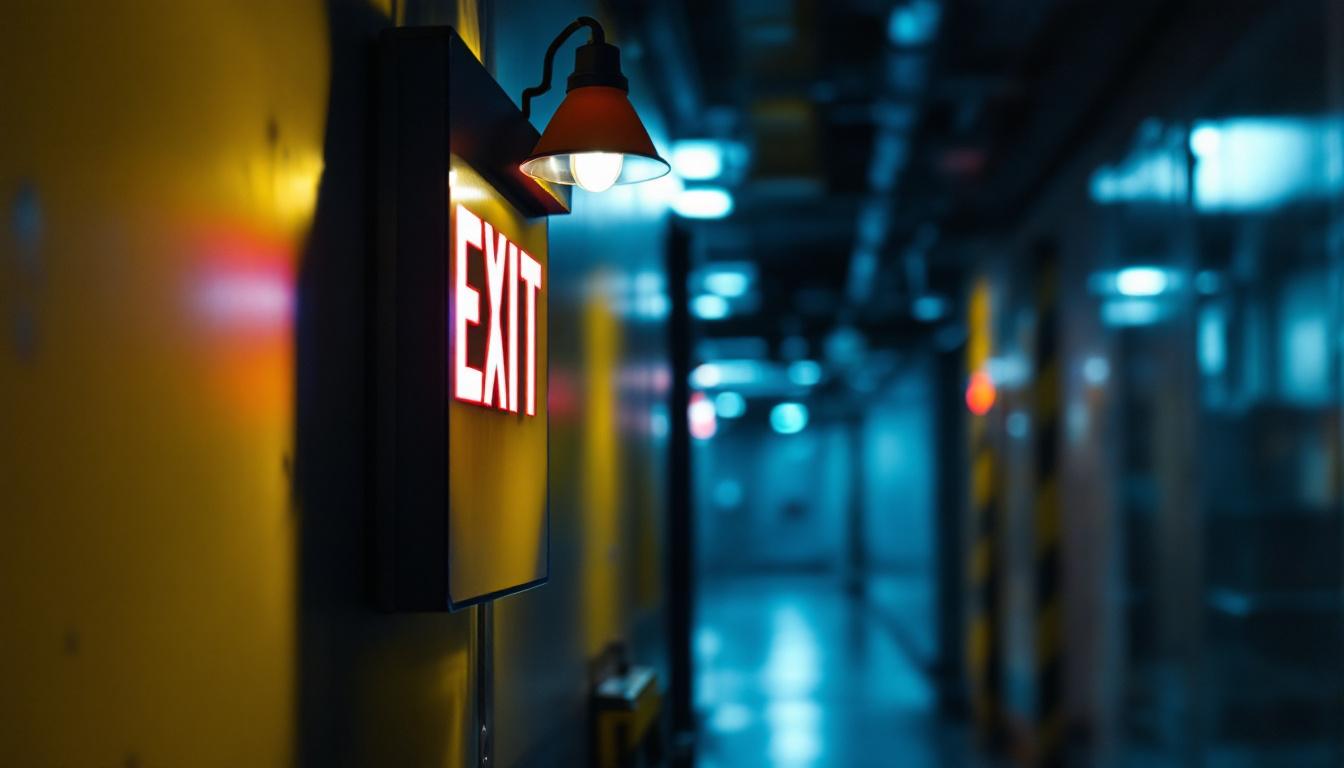
OSHA’s emergency lighting regulations are primarily designed to guarantee safe egress from buildings during emergencies. These requirements apply to a wide range of workplaces, from manufacturing plants and warehouses to office buildings and retail spaces. The focus is on maintaining adequate illumination along exit routes, stairways, and other critical areas to prevent accidents and facilitate evacuation.
Compliance with OSHA standards means more than just installing emergency lights; it involves selecting the right equipment, proper placement, and ensuring ongoing maintenance and testing. Failure to meet these standards can lead to severe penalties, increased liability, and most importantly, compromised safety.
In addition to the basic requirements, OSHA emphasizes the importance of conducting regular inspections and testing of emergency lighting systems. This ensures that all lights are functional and capable of providing the necessary illumination during an emergency. Regular drills and training for employees on how to respond during power failures or other emergencies are also crucial. By familiarizing staff with the layout of emergency exits and the operation of emergency lighting, organizations can enhance the overall safety culture within the workplace.
Furthermore, the integration of modern technology into emergency lighting systems is becoming increasingly common. Many facilities are now opting for LED emergency lights, which not only consume less energy but also have longer lifespans and lower maintenance costs compared to traditional lighting options. Some systems are even equipped with smart technology that allows for real-time monitoring and alerts when maintenance is required. This proactive approach not only ensures compliance with OSHA standards but also enhances the safety and efficiency of emergency preparedness plans.
Key OSHA Emergency Lighting Requirements Contractors Must Follow
Illumination Levels and Placement
OSHA mandates that exit routes must be illuminated to a minimum of 1 foot-candle (approximately 10.8 lux) at floor level. This standard ensures that occupants can clearly see the path to safety, even in low visibility conditions. Lighting contractors must carefully calculate the spacing and positioning of emergency fixtures to maintain this consistent illumination. In addition to the basic illumination requirements, contractors should also consider the color temperature of the lighting. Warmer light can be less harsh on the eyes and may help reduce panic, while cooler light can enhance visibility. Selecting the right color temperature can contribute significantly to a smoother evacuation process.
Placement is critical. Emergency lighting must cover all exit access routes, exit discharge paths, and exit stairways. This includes corridors, aisles, ramps, and any other areas that occupants might use to evacuate. Lighting should be mounted at heights and angles that minimize shadows and glare, which can hinder visibility during an emergency. Furthermore, contractors should evaluate the potential for obstructions that could block light, such as furniture or equipment, and plan accordingly. By conducting a thorough site assessment, contractors can ensure that every exit route is adequately illuminated, providing peace of mind for both employers and employees.
Power Supply and Duration
One of the most important requirements is that emergency lighting must operate on an independent power source separate from the normal lighting circuit. This is typically achieved through battery-powered units or connection to an emergency generator. The goal is to ensure that emergency lights remain operational even if the main power supply fails. In addition to battery backups, some systems may incorporate renewable energy sources, such as solar panels, to enhance reliability and sustainability. This approach not only meets OSHA standards but also aligns with modern energy efficiency practices.
OSHA requires emergency lighting to provide illumination for at least 90 minutes after power loss. Lighting contractors must specify and install systems with batteries or power sources capable of sustaining this duration. Regular testing of battery capacity and system functionality is essential to maintain compliance. Moreover, contractors should consider recommending advanced monitoring systems that can alert facility managers to any potential issues with battery performance or power supply, allowing for proactive maintenance before a failure occurs.
Testing and Maintenance Obligations
OSHA expects employers to maintain emergency lighting systems in proper working order. This includes routine inspections, testing, and maintenance. Lighting contractors can assist by offering service plans that include monthly or quarterly functional tests and annual full-duration tests. These service plans can be tailored to the specific needs of the facility, ensuring that all emergency lighting systems are regularly evaluated and updated as necessary to meet evolving safety standards.
Documenting these tests is crucial. OSHA inspectors often request records to verify compliance. Contractors should educate clients on the importance of keeping detailed logs and provide guidance on how to conduct tests without disrupting business operations. Additionally, contractors might suggest implementing a digital tracking system that allows for easier documentation and access to maintenance records, helping to streamline compliance efforts and enhance overall safety management within the workplace.
Common Challenges Lighting Contractors Face with OSHA Compliance
Balancing Code Requirements with Client Expectations
Clients often want emergency lighting solutions that are cost-effective and visually unobtrusive. However, meeting OSHA’s illumination and power requirements can sometimes conflict with aesthetic preferences or budget constraints. Contractors must communicate clearly about why certain specifications are non-negotiable for safety and compliance.
Offering a range of product options, including LED fixtures with slim profiles and energy-efficient batteries, can help bridge this gap. Educating clients on the long-term benefits of investing in quality emergency lighting—such as reduced liability and enhanced safety—can also ease concerns. Additionally, showcasing case studies or testimonials from previous clients who have benefited from compliant systems can help reinforce the importance of adhering to safety standards. By demonstrating how proper emergency lighting can enhance the overall safety of their facilities, contractors can foster a more collaborative approach to finding solutions that meet both regulatory and aesthetic needs.
Integrating Emergency Lighting with Existing Systems
Retrofitting emergency lighting into older buildings can be complex. Existing electrical infrastructure may not support the independent power sources required by OSHA. Contractors often need to design custom solutions, such as installing dedicated circuits or upgrading panels, to ensure compliance.
Coordination with other trades, such as electricians and facility managers, is vital during these projects. Detailed planning helps avoid costly delays and ensures that emergency lighting systems integrate seamlessly with fire alarms, exit signs, and other safety features. Moreover, understanding the layout and historical context of older buildings can provide insights into potential challenges and solutions. For instance, navigating around architectural features or historical preservation requirements may necessitate innovative approaches, such as utilizing wireless technology to minimize invasive installations. This proactive strategy not only enhances compliance but also respects the integrity of the building’s design.
Keeping Up with Evolving Standards and Technologies
While OSHA’s core emergency lighting requirements remain consistent, advances in lighting technology and updates to related codes (like the National Fire Protection Association standards) influence best practices. Contractors must stay informed about emerging products, such as smart emergency lighting systems that offer remote monitoring and diagnostics.
Continuing education and participation in industry groups can help contractors maintain expertise. This knowledge not only improves compliance outcomes but also positions contractors as trusted advisors to their clients. Engaging in workshops, webinars, and certification programs can provide valuable insights into the latest technologies and regulatory changes. Furthermore, networking with peers can lead to sharing best practices and innovative solutions that enhance operational efficiency. By fostering a culture of continuous learning, contractors can ensure they remain at the forefront of the industry, ready to tackle the challenges of tomorrow while delivering exceptional service to their clients.
Best Practices for Ensuring OSHA Emergency Lighting Compliance
Conduct Thorough Site Assessments
Before recommending or installing emergency lighting, contractors should perform comprehensive site evaluations. This includes measuring existing light levels, identifying all exit routes, and assessing power sources. Understanding the unique layout and usage patterns of a facility enables tailored solutions that meet OSHA standards precisely.
Choose Quality Products with Proven Reliability
Not all emergency lighting products are created equal. Selecting fixtures and batteries from reputable manufacturers with UL listings and compliance certifications reduces the risk of system failure. Contractors should prioritize products with long battery life, easy maintenance features, and robust warranties.
Implement a Maintenance and Testing Schedule
Ongoing maintenance is critical to compliance. Establishing a clear schedule for functional and full-duration testing helps identify issues before emergencies occur. Contractors can offer maintenance contracts that include inspections, battery replacements, and repairs, providing clients with peace of mind and regulatory assurance.
Educate Clients on Their Responsibilities
Contractors play a key role in helping clients understand their legal obligations under OSHA. Providing training materials, test logs, and guidance on emergency lighting upkeep empowers building owners and managers to maintain compliance over time.
Conclusion: Why Compliance Matters Beyond Regulations
Emergency lighting is a cornerstone of workplace safety. For lighting contractors, mastering OSHA’s requirements is not just about avoiding fines-it’s about protecting lives and enhancing the reputation of their business. Accurate installations, reliable products, and proactive maintenance create safer environments and build client trust.
By staying informed, communicating clearly, and delivering quality solutions, lighting contractors can navigate the complexities of OSHA emergency lighting standards with confidence. The result is a safer workplace and a stronger foundation for future projects.
Get Your OSHA-Compliant Emergency Lighting from LumenWholesale
Ready to ensure your emergency lighting installations are OSHA-compliant and built to last? Look no further than LumenWholesale for all your lighting needs. Our spec-grade lighting products are designed to meet the highest industry standards, providing you with the confidence that you’re installing reliable, high-performance lighting. Take advantage of our unbeatable wholesale prices, free shipping, and the convenience of cutting out the middleman. Make your next project a success and give your clients the safety and quality they deserve. Wholesale Lighting at the Best Value is just a click away.