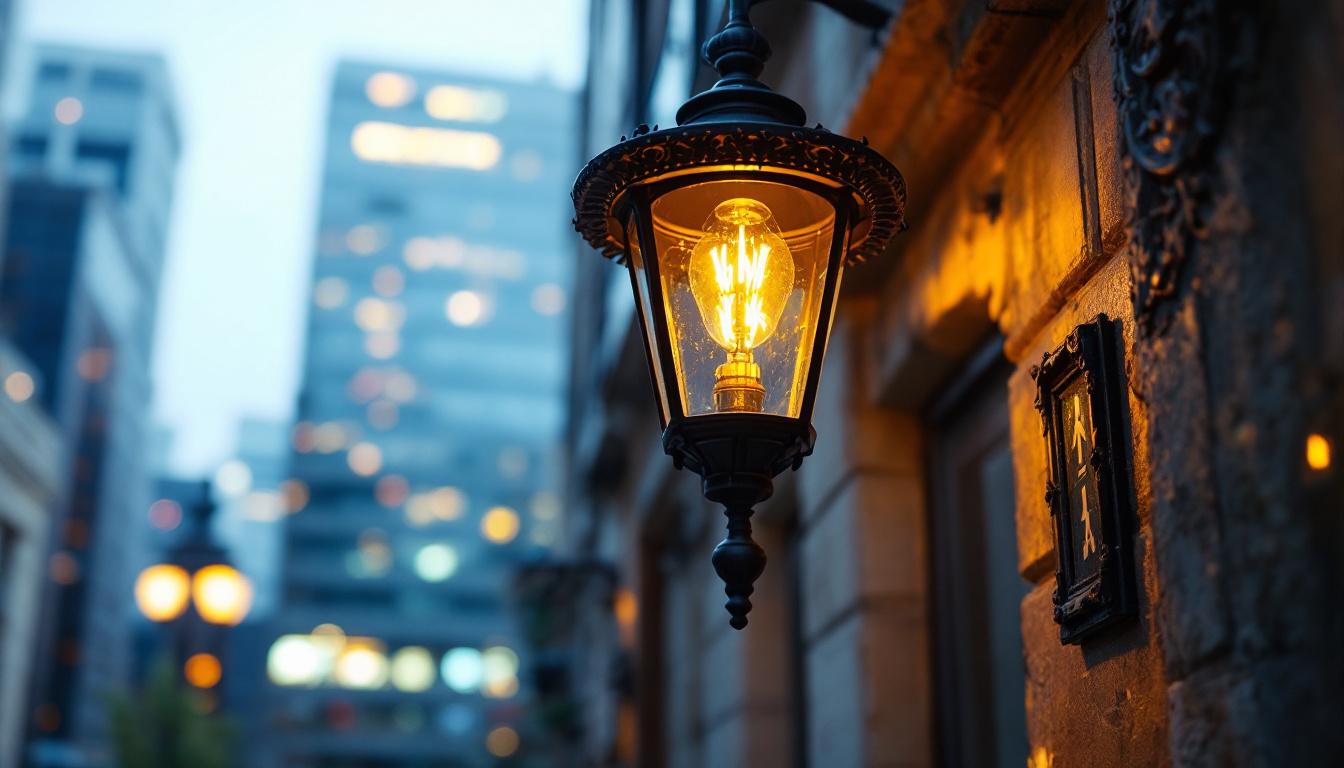
The Historical Significance of Gas Lighting
Gas lighting was a revolutionary technology that transformed urban environments and public spaces. Its introduction marked a pivotal shift from candle and oil-based illumination to a more reliable and brighter source of light. Cities around the world rapidly adopted gas lamps for streets, homes, and businesses, enhancing safety, extending productive hours, and contributing to the aesthetic appeal of urban landscapes.
For lighting contractors, understanding the origins and evolution of gas lighting offers valuable insights into the foundations of modern lighting design. Gas lamps were among the first to demonstrate how lighting could influence human behavior, social interaction, and city planning. This historical context enriches contemporary approaches to lighting solutions, blending tradition with innovation.
The advent of gas lighting in the early 19th century not only illuminated the streets but also sparked a cultural renaissance. The glow of gas lamps became synonymous with the vibrancy of city life, inspiring artists, writers, and musicians. Notable figures such as Charles Dickens captured the essence of gas-lit streets in their works, portraying the interplay of light and shadow as a backdrop to the human experience. The aesthetic quality of gas lighting, with its warm hues and flickering flames, created an enchanting atmosphere that drew people out of their homes and into the bustling nightlife of the city.
Moreover, the infrastructure required for gas lighting led to significant advancements in urban engineering. The installation of gas lines necessitated the development of new technologies and systems for gas production and distribution, paving the way for modern utilities. This transformation was not without its challenges; cities had to grapple with issues such as safety regulations and the management of gas leaks. Nevertheless, the successful implementation of gas lighting laid the groundwork for future innovations in electric lighting, showcasing the importance of adaptability and progress in the face of emerging technologies.
Technical Aspects of Old Gas Lighting Systems
Mechanics and Components
Old gas lighting systems typically consisted of a network of pipes supplying gas—usually coal gas or natural gas—to individual lamps. The lamps themselves featured mantles or burners that converted the gas into a steady flame, producing a warm, flickering light. The infrastructure required careful installation and maintenance, including gas meters, regulators, and valves to control flow and pressure. Each lamp was often equipped with a glass globe to protect the flame from the elements while enhancing the aesthetic appeal of the light source. These globes came in various designs, from simple clear glass to intricately etched patterns that added a decorative touch to the fixtures.
For contractors, familiarity with these components is essential when restoring or integrating gas lighting with modern systems. Many historic buildings and districts still maintain original gas fixtures, requiring specialized knowledge to ensure safety and functionality while preserving authenticity. The restoration process often involves sourcing period-appropriate materials and techniques, which can be a challenge in itself. Additionally, understanding the historical context of these systems can provide insight into the architectural styles of the time, as gas lighting played a significant role in the design and ambiance of public spaces and private homes alike.
Challenges and Limitations
Despite their benefits, gas lighting systems had inherent limitations. They consumed significant amounts of gas, which could be costly and environmentally taxing. The open flames posed fire hazards, and the light quality, while atmospheric, was less controllable compared to electric lighting. Additionally, maintenance demands were high, with frequent cleaning and repairs necessary to keep lamps operational. The soot and residue from burning gas often required regular attention, as neglecting this upkeep could lead to diminished light output and increased risk of malfunction. Furthermore, the reliance on gas meant that any interruptions in supply could leave entire streets or buildings in darkness, highlighting the vulnerability of these systems.
Recognizing these challenges helps lighting contractors appreciate the advancements in modern lighting technologies and the reasons behind the gradual transition away from gas lighting in most applications. The advent of electric lighting not only provided a more stable and efficient source of illumination but also allowed for greater versatility in design and installation. Innovations such as dimmers, smart controls, and energy-efficient LED options have transformed the landscape of lighting, making it easier to create tailored atmospheres for various settings. However, the charm of gas lighting still captivates many, leading to a niche market for those who seek to blend the old-world appeal with contemporary functionality, often resulting in hybrid systems that pay homage to the past while embracing the future.
Gas Lighting’s Influence on Modern Lighting Design
Inspiration for Aesthetic and Functional Elements
The distinctive glow and design of old gas lamps continue to inspire contemporary lighting fixtures. Many modern outdoor and indoor lights emulate the classic lantern style, combining vintage charm with modern efficiency. This fusion appeals to clients seeking to preserve historical character while benefiting from advanced lighting technology. Designers often incorporate materials such as wrought iron and glass, reminiscent of the craftsmanship found in gas lamps, to evoke a sense of nostalgia while ensuring durability and functionality in their products.
Lighting contractors often encounter projects where integrating traditional aesthetics with LED or smart lighting solutions is desirable. Understanding the visual and atmospheric qualities of gas light enables professionals to create environments that honor the past while embracing the future. For instance, the warm color temperature of gas lighting can be replicated using modern LEDs, allowing spaces to maintain a cozy ambiance without sacrificing energy efficiency. Additionally, the use of smart controls can enhance the user experience, enabling homeowners to adjust brightness and color settings to suit various occasions, further bridging the gap between historical design and contemporary needs.
Lessons in Urban Lighting Planning
Gas lighting was among the first large-scale urban lighting implementations, setting precedents for spacing, intensity, and coverage. These early systems highlighted the importance of uniform illumination for safety and navigation, principles that remain central to modern lighting design. Contemporary urban planners and contractors build on these lessons, employing sophisticated tools to optimize light distribution and minimize glare and light pollution. The legacy of gas lighting also informs the placement of fixtures in public spaces, ensuring that pathways, parks, and streets are adequately illuminated to promote safety and enhance the overall aesthetic of the urban landscape.
Moreover, the historical context of gas lighting serves as a reminder of the social implications of urban illumination. Gas lamps were not just functional; they transformed city life by extending hours of activity and fostering a sense of community. Today, urban lighting design continues to reflect this ethos, with an increasing focus on creating inviting public spaces that encourage social interaction. Planners are now more attuned to the psychological effects of lighting, using it as a tool to enhance the livability of cities, promote pedestrian safety, and create vibrant environments that resonate with both residents and visitors alike.
Modern Applications of Gas Lighting
Heritage and Restoration Projects
One of the most prominent roles of old gas lighting today is in heritage conservation. Many historic districts and landmarks retain original gas lamps as functional elements or decorative features. Lighting contractors specializing in restoration must balance preserving these artifacts with meeting current safety codes and energy standards.
Modern adaptations often involve retrofitting gas lamps with LED technology that mimics the warm glow of gas flames while reducing energy consumption and maintenance needs. This approach maintains historical ambiance without compromising efficiency or safety.
Hybrid Lighting Systems
Some innovative projects incorporate hybrid systems that combine gas lighting with modern electric fixtures. These systems can switch between gas and electric modes or use gas lighting primarily for aesthetic purposes while relying on electric lighting for functional illumination. Such solutions appeal to clients who value both tradition and cutting-edge technology.
For contractors, hybrid systems present unique challenges and opportunities, requiring expertise in both gas and electrical installations, as well as an understanding of control systems and energy management.
Environmental and Safety Considerations
Energy Efficiency and Emissions
Traditional gas lighting is less energy-efficient compared to modern electric alternatives, producing higher carbon emissions and contributing to air pollution. However, advances in cleaner gas sources and improved burner designs have mitigated some environmental impacts. Additionally, integrating gas lighting with renewable energy systems can further reduce its carbon footprint.
Lighting contractors must weigh these factors when recommending lighting solutions, particularly in environmentally sensitive or regulated areas. Offering clients options that balance heritage preservation with sustainability is increasingly important.
Safety Protocols and Regulations
Gas lighting installations require strict adherence to safety standards to prevent leaks, fires, and explosions. Modern codes mandate regular inspections, proper ventilation, and the use of approved materials and components. Contractors working with gas lighting must stay current with these regulations and employ best practices to ensure safe operation.
Training and certification in gas system installation and maintenance are critical for professionals in this niche, reinforcing the importance of specialized knowledge in delivering reliable and safe lighting solutions.
The Future of Gas Lighting in the Lighting Industry
While electric lighting dominates the market, gas lighting maintains a niche role, especially in heritage and specialty applications. Emerging technologies such as gas flame-effect LEDs and smart control systems are expanding the possibilities for integrating gas lighting aesthetics with modern functionality.
Lighting contractors who invest in understanding both traditional and contemporary lighting technologies position themselves to serve a diverse clientele, from historic preservationists to innovative designers. The enduring appeal of gas lighting’s warm ambiance ensures it will remain a valued element in the evolving landscape of lighting solutions.
Embracing Innovation While Honoring Tradition
The lighting industry continues to evolve rapidly, driven by advancements in materials, controls, and energy sources. Gas lighting’s legacy offers a rich source of inspiration and practical knowledge. By blending old and new, lighting contractors can create environments that respect history while meeting contemporary demands for efficiency, safety, and aesthetics.
Ultimately, the role of old gas lighting in modern solutions exemplifies how technology and tradition can coexist, enriching the built environment and enhancing human experience through thoughtful illumination.
Illuminate Your Projects with LumenWholesale
As you embrace the heritage of gas lighting and integrate it into modern lighting solutions, LumenWholesale is here to support your endeavors. We provide lighting contractors with an extensive selection of top-quality, spec-grade lighting products at unbeatable wholesale prices. Our commitment to cutting out the middleman means you get superior products without inflated markups, ensuring every project shines with reliability and high performance. With free shipping on bulk orders, LumenWholesale is your go-to source for premium lighting at the best value. Enhance your lighting projects by visiting Wholesale Lighting at the Best Value and experience the perfect blend of quality, affordability, and convenience.