Understanding Pot Lights in New Construction
Pot lights, also known as recessed lights or downlights, have become a staple in modern lighting design, particularly in new construction projects. These fixtures are installed into the ceiling, providing a sleek and unobtrusive lighting solution that enhances the aesthetic appeal of any space. For lighting contractors, understanding the significance of pot lights in new constructions is essential for delivering high-quality installations that meet both functional and design needs.
The growing popularity of pot lights can be attributed to their versatility. They can be used in various settings, from residential homes to commercial spaces, and can be tailored to suit different styles and preferences. This adaptability makes them an attractive option for contractors looking to offer clients innovative and effective lighting solutions.
Benefits of Pot Lights
One of the primary advantages of pot lights is their ability to provide even illumination without taking up valuable space. Unlike traditional light fixtures that hang from the ceiling, pot lights are recessed, which allows for a clean and modern look. This is particularly beneficial in rooms with low ceilings, where hanging fixtures can create a cramped atmosphere.
Additionally, pot lights can be strategically placed to highlight specific areas or features within a room. For instance, they can be used to accentuate artwork, architectural details, or even to create ambient lighting in living spaces. This targeted lighting capability enhances the overall design and functionality of a room, making it a popular choice among homeowners and designers alike.
Moreover, pot lights are highly energy-efficient, especially with the advent of LED technology. LED pot lights consume significantly less energy compared to traditional incandescent bulbs, reducing electricity bills and contributing to a more sustainable environment. Many homeowners are now opting for LED pot lights not only for their longevity but also for their ability to provide bright, high-quality light that can be dimmed to create the desired ambiance. This energy efficiency, combined with the aesthetic appeal, makes pot lights a smart investment for any new construction project.
Furthermore, the installation of pot lights can be seamlessly integrated with smart home technology. Many modern pot lights are compatible with smart systems, allowing homeowners to control their lighting through mobile apps or voice commands. This feature not only enhances convenience but also provides an opportunity for energy management, as users can easily adjust lighting based on their needs and preferences. As smart home technology continues to evolve, the integration of pot lights into these systems will likely become even more prevalent, making them an essential component of contemporary home design.
Installation Considerations for Pot Lights
When it comes to installing pot lights in new construction, several factors must be taken into account to ensure a successful outcome. Proper planning and execution are crucial for achieving optimal lighting results while adhering to safety standards and building codes.
Choosing the Right Location
One of the first steps in installing pot lights is determining their placement. The location of each fixture should be carefully considered to maximize light distribution and minimize shadows. For example, placing pot lights too close together can lead to over-illumination in certain areas, while spacing them too far apart can result in dark spots.
Contractors should also consider the purpose of the room when deciding on fixture placement. In a kitchen, for instance, pot lights can be installed over countertops for task lighting, while in a living room, they may be used to create ambient lighting. Understanding the specific needs of each space will guide the installation process and ensure that the lighting is both functional and aesthetically pleasing.
Wiring and Electrical Considerations
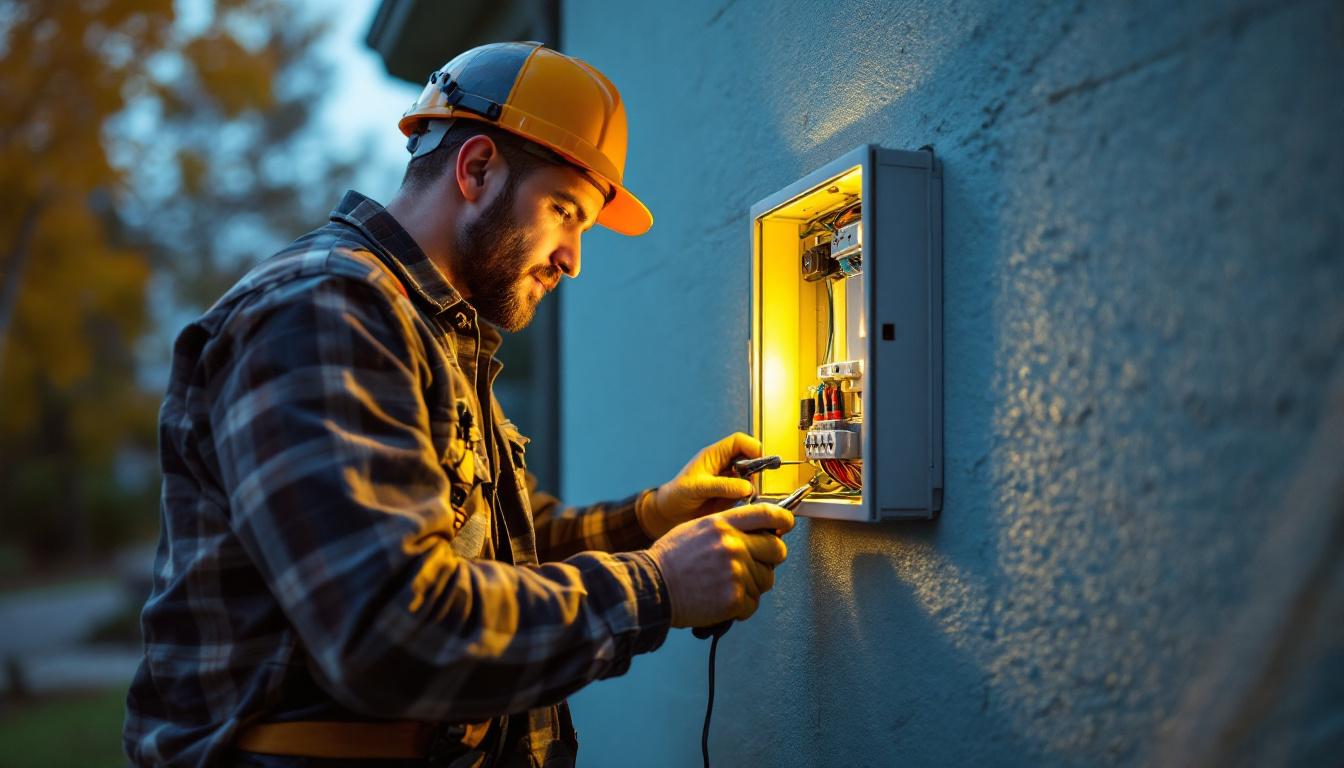
Another critical aspect of pot light installation is the wiring and electrical setup. Ensuring that the electrical system can support the additional load of pot lights is essential. This includes verifying that the circuit can handle the wattage of the fixtures and that proper wiring methods are used to prevent any safety hazards.
Additionally, contractors should consider using LED pot lights, which are energy-efficient and have a longer lifespan compared to traditional incandescent bulbs. This not only reduces energy costs for homeowners but also minimizes the need for frequent replacements, making it a practical choice for new construction projects.
Designing with Pot Lights
The design possibilities with pot lights are virtually limitless. They can be used to create various lighting effects, from soft ambient lighting to bright task lighting. Understanding how to effectively incorporate pot lights into a design scheme is crucial for lighting contractors aiming to meet client expectations.
Layering Light for Optimal Effect
Layering different types of lighting is a fundamental principle in creating a well-lit space. Pot lights can be combined with other lighting sources, such as pendant lights, wall sconces, and natural light, to achieve a balanced and inviting atmosphere. This approach allows for flexibility in lighting design and can enhance the overall functionality of a space.
For example, in a dining area, pot lights can provide general illumination, while a decorative pendant light can serve as a focal point above the dining table. By thoughtfully layering light, contractors can create a harmonious environment that caters to various activities and moods.
Color Temperature and Dimming Options
Another important consideration in pot light design is the color temperature of the bulbs. Different color temperatures can evoke various feelings and atmospheres within a space. Warmer tones (2700K-3000K) are often preferred for living areas, as they create a cozy and inviting ambiance, while cooler tones (3500K-4000K) may be more suitable for workspaces, providing clarity and focus.
Dimming options are also essential for enhancing the versatility of pot lights. Installing dimmer switches allows homeowners to adjust the brightness according to their needs, whether they are hosting a dinner party or enjoying a quiet evening at home. This flexibility adds value to the installation and can significantly improve the user experience.
Common Challenges in Pot Light Installations
While pot lights offer numerous benefits, there are also challenges that lighting contractors may encounter during installation. Being aware of these potential issues can help contractors prepare and implement effective solutions.
Ceiling Joists and Structural Limitations
One common challenge in pot light installation is navigating ceiling joists and other structural elements. In some cases, the location of joists may limit where pot lights can be installed, making it necessary to adjust the layout or use alternative mounting methods. Contractors must be adept at reading blueprints and understanding the structural layout to ensure that pot lights are installed correctly and safely.
Additionally, contractors should be mindful of the depth of the pot lights, as some fixtures require more space than others. Ensuring that there is adequate clearance for the fixtures is crucial to avoid any complications during installation.
Heat Management
Heat management is another critical consideration when installing pot lights. Traditional incandescent bulbs can generate significant heat, which can pose a fire hazard if not properly ventilated. This is particularly important in insulated ceilings, where heat buildup can occur. Using LED fixtures can mitigate this risk, as they produce significantly less heat and are often designed with built-in heat management features.
Contractors should also ensure that the pot lights are rated for the specific environment in which they are installed. For instance, damp-rated fixtures are necessary for areas exposed to moisture, such as bathrooms or kitchens, to prevent any electrical hazards.
Future Trends in Pot Light Technology
The lighting industry is constantly evolving, and pot lights are no exception. Staying informed about the latest trends and advancements in technology is essential for lighting contractors who wish to remain competitive and offer cutting-edge solutions to their clients.
Smart Lighting Integration
One of the most significant trends in lighting technology is the integration of smart lighting systems. Smart pot lights can be controlled remotely via smartphones or voice-activated devices, allowing homeowners to adjust their lighting settings with ease. This technology not only enhances convenience but also allows for greater customization of lighting scenes to suit different activities and moods.
As smart home technology continues to gain popularity, contractors who offer smart pot light solutions will be better positioned to meet the demands of tech-savvy clients. Incorporating these systems into new construction projects can add significant value and appeal.
Energy Efficiency and Sustainability
With a growing emphasis on sustainability, energy-efficient lighting solutions are becoming increasingly important. Pot lights that utilize LED technology not only consume less energy but also have a longer lifespan, reducing waste and maintenance costs. Contractors should prioritize energy-efficient options when recommending lighting solutions to clients, as this aligns with current trends in environmental responsibility.
Furthermore, incorporating sustainable practices into the installation process, such as using recyclable materials and minimizing waste, can enhance a contractor’s reputation and appeal to environmentally conscious clients.
Conclusion
In summary, pot lights play a critical role in modern lighting installations, particularly in new construction projects. Their versatility, aesthetic appeal, and ability to provide effective illumination make them a popular choice among homeowners and designers alike. For lighting contractors, understanding the intricacies of pot light installation, including design considerations, common challenges, and emerging trends, is essential for delivering successful projects that exceed client expectations.
As the demand for innovative and energy-efficient lighting solutions continues to grow, contractors who stay informed and adapt to changing technologies will be well-positioned to thrive in the competitive lighting industry. Embracing the potential of pot lights not only enhances the quality of installations but also contributes to the overall satisfaction of clients, ensuring long-term success in the field.
Illuminate Your Projects with LumenWholesale
Ready to elevate your lighting installations with the superior quality and value of pot lights? Look no further than LumenWholesale, where we specialize in providing contractors with spec-grade lighting products at unbeatable wholesale prices. Say goodbye to inflated markups and hello to our extensive selection that meets the highest industry standards. With LumenWholesale, you can count on reliable, high-performance lighting for every new construction project. Plus, enjoy the convenience of bulk buying with free shipping, ensuring you get the premium lighting you need at the best price — without hidden fees. Don’t compromise on quality or affordability; choose LumenWholesale for your lighting solutions. Wholesale Lighting at the Best Value is just a click away.