In the realm of modern lighting solutions, motion detector light switches stand out as an innovative and efficient option. For lighting contractors, understanding the science behind these devices is crucial for effective installation and client education. This article delves into the technology, benefits, and practical applications of motion detector light switches, providing valuable insights for professionals in the field.
What Are Motion Detector Light Switches?
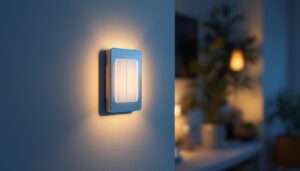
Motion detector light switches are devices that automatically turn lights on or off based on the presence of movement in a designated area. These switches utilize various technologies to detect motion, making them an essential component in both residential and commercial lighting systems.
Typically, these switches can be installed in place of standard light switches, providing a seamless integration into existing electrical systems. Their ability to enhance energy efficiency and security makes them increasingly popular among homeowners and businesses alike.
Types of Motion Detection Technologies
Understanding the different types of motion detection technologies is vital for lighting contractors. The primary types include passive infrared (PIR), ultrasonic, and dual technology sensors. Each type has its unique characteristics and applications.
Passive Infrared (PIR) Sensors
PIR sensors detect infrared radiation emitted by objects in their field of view, primarily human bodies. When a person enters the detection zone, the sensor registers the change in infrared levels and activates the light. These sensors are ideal for areas with predictable movement patterns, such as hallways and staircases.
Ultrasonic Sensors
Ultrasonic sensors emit high-frequency sound waves that bounce off objects in their vicinity. When movement occurs, the reflected sound waves change, prompting the sensor to activate the light. These sensors are particularly effective in larger spaces and can detect motion even through obstacles, making them suitable for rooms with furniture or partitions.
Dual Technology Sensors
Combining both PIR and ultrasonic technologies, dual technology sensors offer enhanced reliability. They require detection from both sensing methods before activating the light, reducing the likelihood of false triggers. This makes them an excellent choice for high-traffic areas or locations where precision is essential.
The Benefits of Motion Detector Light Switches
Motion detector light switches offer numerous advantages that appeal to both contractors and clients. Understanding these benefits can help lighting professionals advocate for their use in various projects.
Energy Efficiency
One of the most significant benefits of motion detector light switches is their energy efficiency. By automatically turning lights off when no motion is detected, these devices significantly reduce energy consumption. This feature is especially beneficial in commercial settings, where lights may be left on for extended periods.
In residential applications, homeowners can enjoy lower electricity bills while contributing to environmental sustainability. As energy efficiency becomes a priority for many clients, incorporating motion detector switches into lighting designs can enhance the overall appeal of a project.
Enhanced Security
Motion detector light switches also play a crucial role in enhancing security. By illuminating areas when movement is detected, they deter potential intruders and provide peace of mind for homeowners and business owners. This feature is particularly valuable for outdoor lighting, where bright lights can discourage trespassers.
For contractors, promoting the security benefits of these switches can lead to increased sales and satisfied clients. Installing motion-activated lights around entry points can create a safer environment and add value to the property.
Convenience and Accessibility
Another advantage of motion detector light switches is the convenience they offer. Clients no longer need to fumble for light switches in dark areas; the lights turn on automatically when someone enters the room. This feature is particularly beneficial for individuals with mobility challenges or those carrying items who may find it difficult to reach for a switch.
In commercial settings, this convenience can streamline operations, allowing employees to focus on their tasks without interruptions. By emphasizing these practical benefits, lighting contractors can better address the needs of their clients.
Installation Considerations for Lighting Contractors
Installing motion detector light switches requires careful planning and consideration. Lighting contractors must take into account various factors to ensure optimal performance and client satisfaction.
Location and Placement
The placement of motion detector switches is critical for their effectiveness. Contractors should assess the area where the switch will be installed, considering factors such as the detection range and potential obstacles. For instance, PIR sensors should be installed with an unobstructed view of the area to maximize their effectiveness.
Additionally, the height at which the sensor is mounted can influence its performance. Generally, mounting the sensor at a height of 6 to 8 feet provides optimal coverage. Contractors should also consider the angle of detection, ensuring that the sensor’s field of view aligns with the expected movement patterns of users.
Wiring and Compatibility
When installing motion detector light switches, compatibility with existing wiring is essential. Most motion detectors can replace standard light switches, but contractors must verify that the device is compatible with the electrical system in place. This includes checking the voltage and ensuring that the wiring meets safety standards.
Furthermore, understanding the load capacity of the motion detector is crucial. Contractors should ensure that the switch can handle the wattage of the connected lights to prevent overheating or damage to the device.
Testing and Calibration
After installation, testing and calibrating the motion detector light switch is vital for optimal performance. Contractors should verify that the sensor accurately detects motion within the intended range and that the lights turn on and off as expected.
Many motion detectors come with adjustable settings, allowing contractors to customize the sensitivity and duration of light activation. Proper calibration ensures that the device meets the specific needs of the client while minimizing false triggers and maximizing energy efficiency.
Common Challenges and Solutions
While motion detector light switches offer numerous benefits, they can also present challenges during installation and use. Understanding these challenges allows lighting contractors to provide better service and solutions to their clients.
False Triggers
One common issue with motion detector switches is false triggers, where lights activate without any actual movement. This can occur due to environmental factors such as pets, passing vehicles, or even changes in temperature. To mitigate this, contractors can recommend dual technology sensors that require confirmation from both PIR and ultrasonic detection methods.
Additionally, adjusting the sensitivity settings on the sensor can help minimize false triggers. Contractors should educate clients on the importance of proper placement and environmental considerations to reduce the likelihood of this issue.
Limited Detection Range
Another challenge is the limited detection range of some motion sensors. If the sensor is not positioned correctly or if there are obstacles in the way, it may fail to detect movement effectively. To address this, contractors should conduct a thorough assessment of the area before installation, ensuring that the sensor’s field of view is unobstructed.
In cases where a larger coverage area is needed, contractors can consider using multiple sensors or selecting models with a broader detection range. This approach ensures that clients receive comprehensive coverage and functionality.
Client Education
Educating clients about the functionality and limitations of motion detector light switches is essential for their satisfaction. Many clients may have misconceptions about how these devices work, leading to frustration if expectations are not met. Contractors should take the time to explain the technology, installation process, and maintenance requirements.
Providing clear instructions on how to use and adjust the settings of the motion detector can empower clients to make the most of their new lighting system. This proactive approach can enhance client relationships and lead to positive referrals.
Future Trends in Motion Detection Technology
The field of motion detection technology is continually evolving, with new advancements on the horizon. Staying informed about these trends can help lighting contractors remain competitive and offer cutting-edge solutions to clients.
Smart Home Integration
As the smart home market continues to grow, integrating motion detector light switches with smart home systems is becoming increasingly common. This integration allows homeowners to control their lighting remotely, set schedules, and receive notifications when motion is detected.
Contractors should familiarize themselves with popular smart home platforms and the compatibility of motion detector devices. This knowledge enables them to offer comprehensive solutions that meet the demands of tech-savvy clients.
Advanced Sensor Technologies
Emerging sensor technologies, such as machine learning algorithms, are enhancing the capabilities of motion detectors. These advanced systems can learn user patterns and adjust their sensitivity accordingly, providing a more tailored experience for users.
Contractors who stay updated on these advancements can offer clients innovative solutions that improve energy efficiency and convenience. Understanding the potential of these technologies allows contractors to position themselves as industry leaders.
Conclusion
Motion detector light switches represent a significant advancement in lighting technology, offering energy efficiency, enhanced security, and convenience. For lighting contractors, understanding the science behind these devices is essential for successful installation and client satisfaction.
By familiarizing themselves with the various types of motion detection technologies, installation considerations, and common challenges, contractors can provide valuable services to their clients. As the industry continues to evolve, staying informed about future trends will ensure that lighting professionals remain at the forefront of innovation.
Incorporating motion detector light switches into lighting designs not only meets the demands of modern clients but also contributes to a more sustainable and secure environment. As the market for these devices grows, so too does the opportunity for lighting contractors to expand their offerings and enhance their expertise.
Get Your Motion Detector Light Switches at LumenWholesale
Ready to elevate your lighting projects with the latest in motion detector technology? Look no further than LumenWholesale for all your lighting needs. We provide contractors with high-quality, specification-grade lighting products, including a wide range of motion detector light switches, at unbeatable wholesale prices. With LumenWholesale, you can say goodbye to inflated markups and hello to superior products that meet the highest industry standards. Plus, with free shipping on bulk orders, you can stock up on premium lighting solutions without worrying about hidden fees. Don’t compromise on quality or value—choose LumenWholesale for the perfect blend of affordability and convenience. Wholesale Lighting at the Best Value is just a click away.