Modern Recessed Ceiling Lights: vs. Alternatives, What Lighting Contractors Should Choose
In the ever-evolving world of interior design and architecture, lighting plays a pivotal role in creating the right atmosphere and functionality in a space. Among the various lighting options available, modern recessed ceiling lights have gained significant popularity. However, they are not the only choice available to lighting contractors. This article delves into the advantages of recessed ceiling lights compared to alternative lighting solutions, helping contractors make informed decisions for their projects.
Understanding Recessed Ceiling Lights
Recessed ceiling lights, often referred to as can lights or downlights, are fixtures installed above the ceiling line, providing a sleek and unobtrusive lighting solution. They are designed to blend seamlessly into the ceiling, offering a clean aesthetic that is particularly appealing in modern interiors.
Design Versatility
One of the most significant advantages of recessed lighting is its design versatility. These fixtures can be used in various settings, from residential homes to commercial spaces. Their unobtrusive nature allows them to complement any design style, whether contemporary, traditional, or minimalist. Contractors can choose from different trim styles, sizes, and finishes to match the specific requirements of each project.
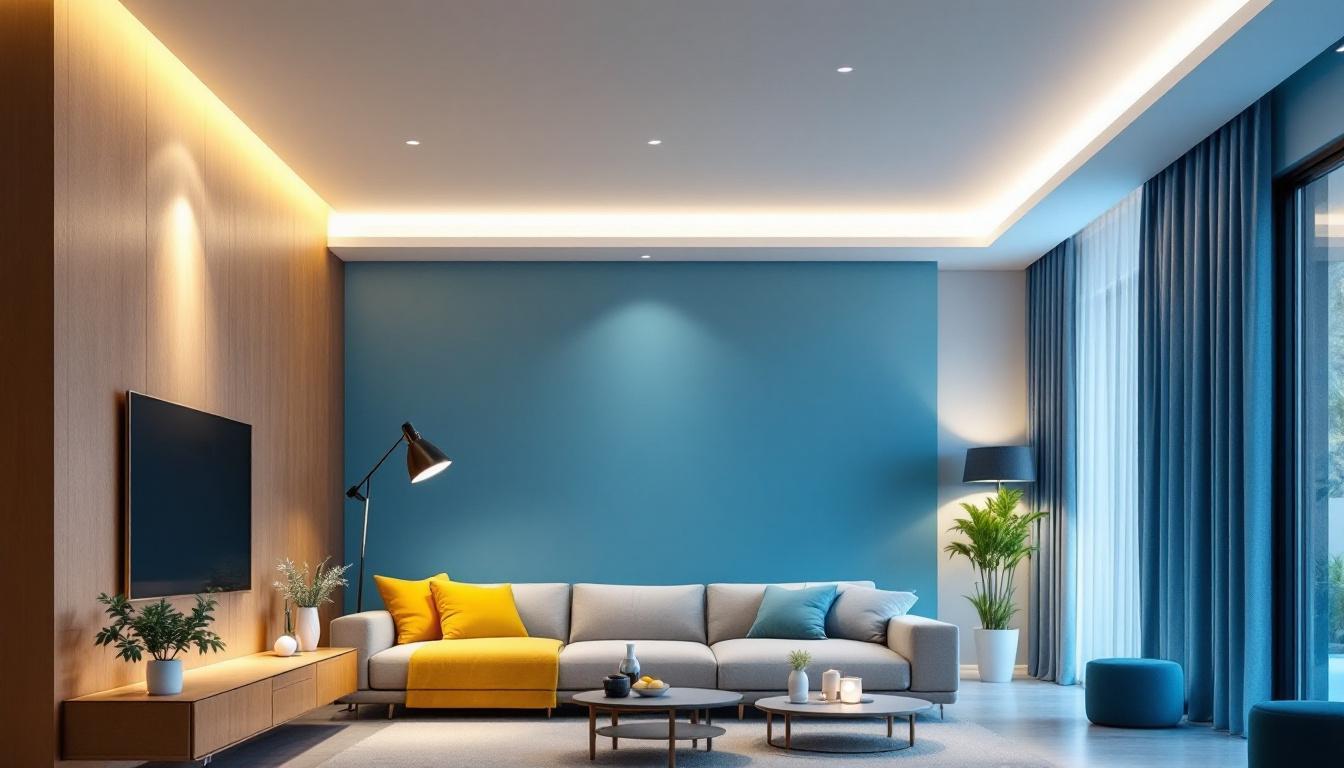
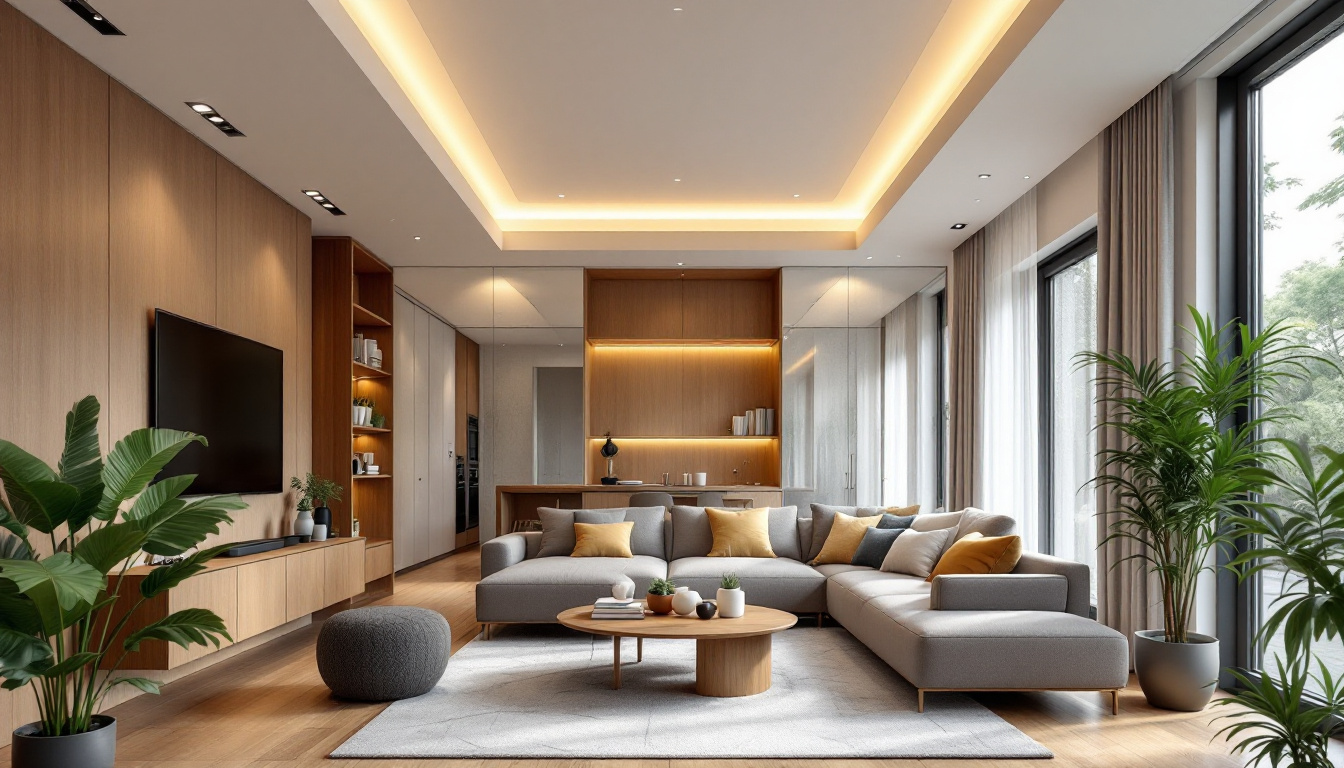
Furthermore, recessed lights can be installed in various configurations, including single fixtures or in clusters, allowing for creative lighting designs that enhance the overall aesthetic of a room. This adaptability makes them a favored choice among designers and contractors alike. For instance, in a living room, a series of recessed lights can create a warm and inviting atmosphere, while in a gallery or showroom, they can be strategically placed to highlight artwork or products, showcasing them in the best possible light.
Space Optimization
Recessed ceiling lights are ideal for spaces with low ceilings, where traditional light fixtures may obstruct movement or create a cramped feeling. By installing lights flush with the ceiling, contractors can maximize headroom while still providing ample illumination. This feature is particularly beneficial in urban settings where space is at a premium.
Additionally, the ability to direct light downward allows for effective task lighting, making recessed lights suitable for kitchens, workspaces, and reading areas. This focus on functionality without sacrificing style is a compelling reason for contractors to consider recessed options. In open-concept homes, recessed lighting can help delineate different areas without the need for physical barriers, maintaining an airy feel while ensuring that each zone is well-lit and inviting.
Energy Efficiency
Modern recessed ceiling lights often utilize LED technology, which offers significant energy savings compared to traditional incandescent or fluorescent bulbs. LEDs consume less power, have a longer lifespan, and produce less heat, making them an environmentally friendly choice. For contractors, recommending energy-efficient solutions not only meets client demands for sustainability but can also lead to cost savings for homeowners in the long run.
Moreover, many LED recessed lights come with dimming capabilities, allowing homeowners to adjust the brightness according to their needs and preferences. This feature not only enhances the ambiance of a space but also contributes to further energy savings, as lower light levels consume even less power. As smart home technology continues to evolve, integrating recessed lighting with smart controls can provide users with the ability to manage their lighting remotely, adding convenience and efficiency to their daily routines.
Alternatives to Recessed Ceiling Lights
While recessed ceiling lights offer numerous benefits, it is crucial to explore alternative lighting options that may better suit specific project requirements. Understanding these alternatives allows contractors to provide a comprehensive range of solutions to their clients.
Pendant Lights
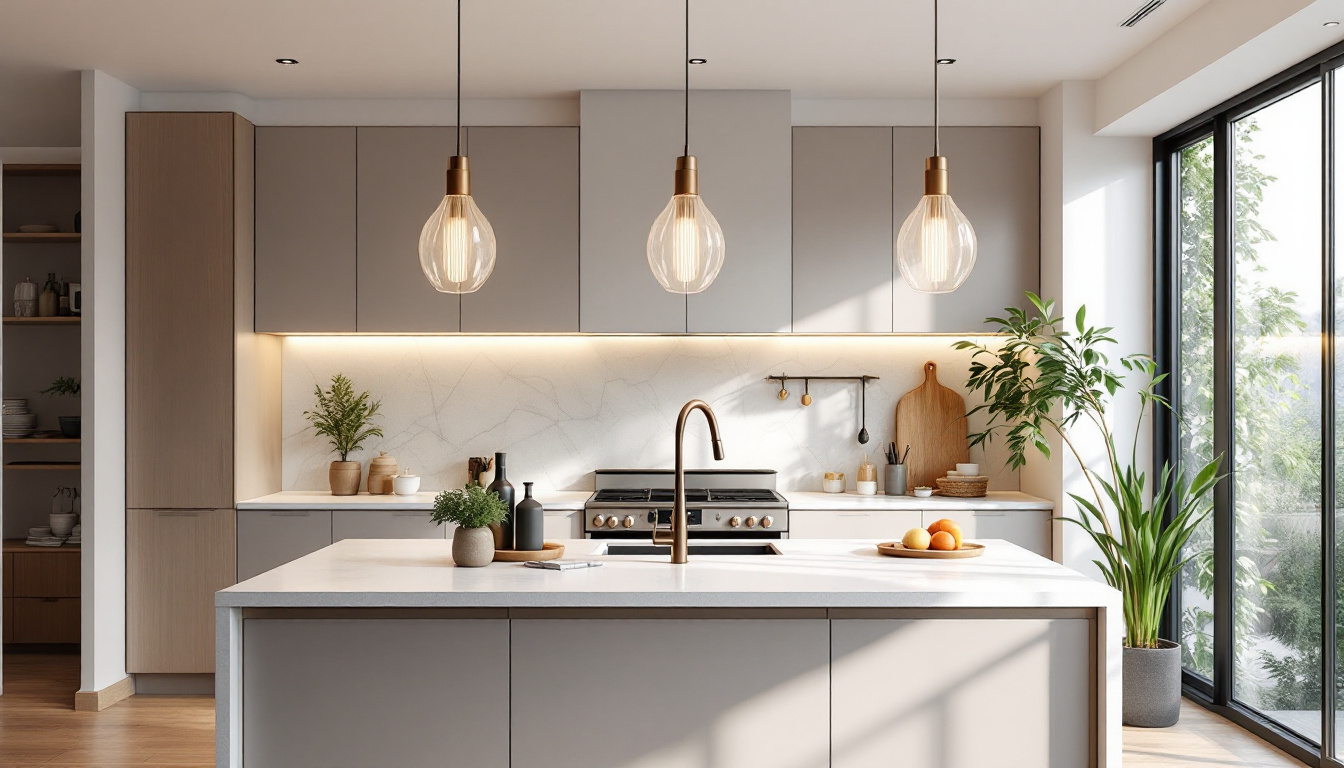
Pendant lights are a popular alternative to recessed lighting, particularly in spaces where a statement piece is desired. These fixtures hang from the ceiling and come in various styles, shapes, and sizes, allowing for creative expression in design. They can serve as focal points in dining areas, kitchens, or entryways, adding character and charm to a space.
However, pendant lights require adequate ceiling height to avoid obstructing views or movement. Contractors should consider the scale of the room and the height of the ceiling when recommending pendant fixtures. Additionally, they may need to install multiple pendants to achieve the desired level of illumination, which can affect overall project costs and complexity.
Track Lighting
Track lighting is another alternative that offers flexibility and versatility. This system consists of a track that can hold multiple light fixtures, allowing for adjustable positioning and direction of light. Track lighting is particularly effective in spaces that require adjustable illumination, such as galleries, retail stores, or home offices.
One of the main advantages of track lighting is its ability to highlight specific areas or features within a room. Contractors can recommend track lighting for spaces where accent lighting is essential, such as showcasing artwork or architectural details. However, the visible hardware may not appeal to those seeking a minimalist aesthetic.
Wall Sconces
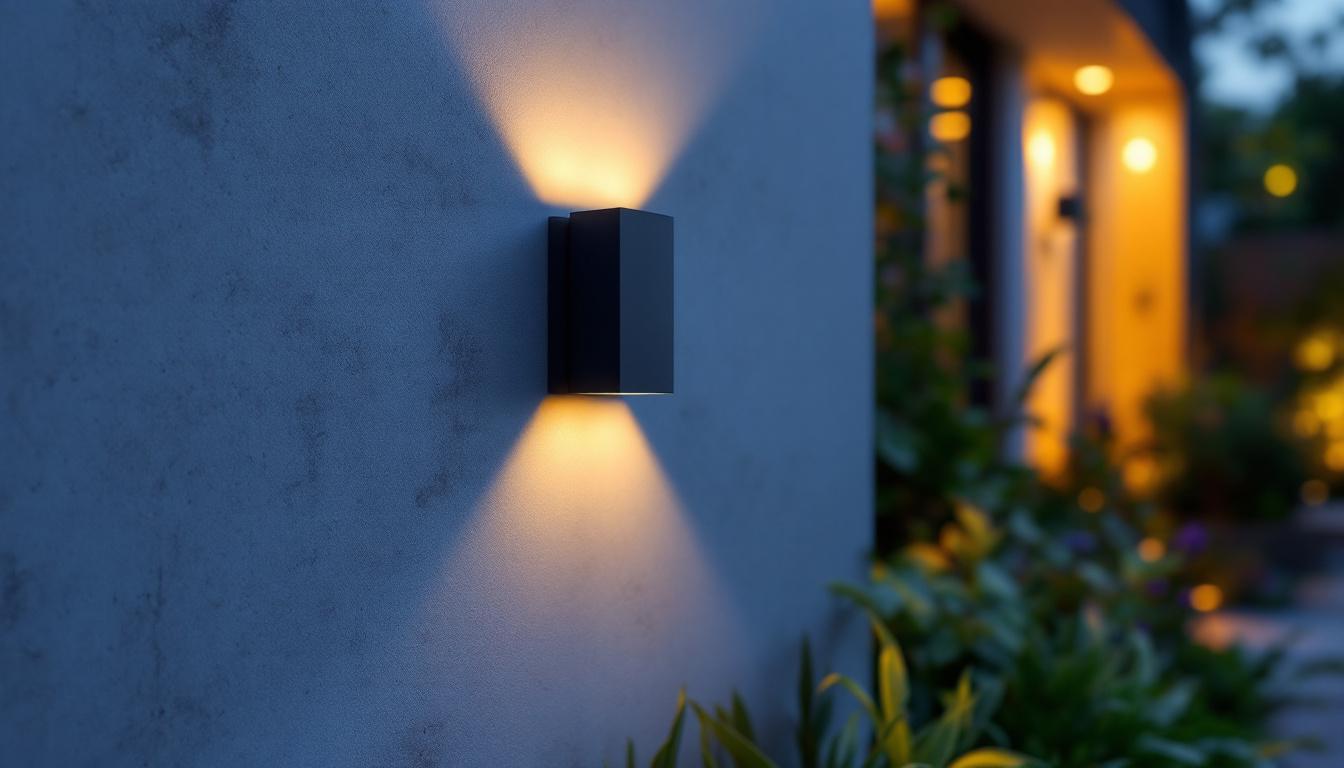
Wall sconces provide another alternative to recessed lighting, offering both functional and decorative benefits. These fixtures are mounted on walls and can create ambient, task, or accent lighting, depending on their placement and design. Sconces can enhance the overall atmosphere of a room, adding warmth and character.
While sconces can be an excellent choice for hallways, living rooms, or bedrooms, they may not provide sufficient illumination for larger spaces when used alone. Contractors should consider the overall lighting plan and ensure that sconces are complemented by other light sources to achieve a balanced effect.
Factors to Consider When Choosing Lighting Solutions
When deciding between recessed ceiling lights and their alternatives, several factors should be taken into account. Understanding the unique needs of each project will help contractors make informed recommendations to their clients.
Client Preferences
Every client has unique preferences and requirements when it comes to lighting. Some may prioritize aesthetics, while others may focus on functionality or energy efficiency. Engaging in open discussions with clients about their vision for the space can guide contractors in selecting the most suitable lighting solutions.
Additionally, understanding the intended use of each area is crucial. For instance, a cozy reading nook may benefit from warm, ambient lighting, while a kitchen may require bright, task-oriented illumination. Tailoring recommendations to meet these specific needs can enhance client satisfaction and lead to successful project outcomes.
Budget Considerations
Budget constraints often play a significant role in the decision-making process. Recessed lighting can involve higher installation costs due to the need for ceiling modifications and electrical work. However, the long-term energy savings associated with LED recessed lights may offset these initial expenses.
On the other hand, alternatives like pendant lights or wall sconces may have lower installation costs but could require additional fixtures to achieve the desired brightness. Contractors should provide clients with a clear understanding of the costs associated with each option, including installation and maintenance, to facilitate informed decision-making.
Installation Complexity
The complexity of installation is another critical factor to consider. Recessed ceiling lights typically require more extensive electrical work, including cutting holes in the ceiling and ensuring proper insulation. This can lead to longer installation times and increased labor costs.
In contrast, alternatives like pendant lights or wall sconces may offer simpler installation processes, making them more appealing for contractors working on tight deadlines. Assessing the installation requirements and timelines for each lighting solution can help contractors choose the best option for their projects.
Combining Lighting Solutions for Optimal Results
In many cases, a combination of recessed ceiling lights and alternative fixtures can provide the best lighting solution for a space. By layering different types of lighting, contractors can create a dynamic and versatile environment that meets both functional and aesthetic needs.
Layering Techniques
Layering lighting involves using multiple sources to achieve a balanced and well-lit space. For example, a kitchen may benefit from recessed lights for general illumination, pendant lights over the island for task lighting, and wall sconces to create ambiance. This approach not only enhances the functionality of the space but also adds depth and visual interest.
Contractors should consider the three primary types of lighting: ambient, task, and accent. Ambient lighting provides overall illumination, task lighting focuses on specific areas, and accent lighting highlights architectural features or artwork. By combining these elements, contractors can create a cohesive and inviting atmosphere.
Flexibility and Adaptability
Flexibility is another advantage of combining lighting solutions. Spaces can evolve over time, and the needs of the occupants may change. By incorporating a variety of lighting options, contractors can offer clients the ability to adjust their lighting schemes as needed. For instance, dimmable recessed lights can provide versatility in creating different moods, while adjustable track lighting can highlight various aspects of a room.
Enhancing Aesthetics
Combining different lighting solutions can also enhance the overall aesthetics of a space. By strategically placing fixtures, contractors can draw attention to specific design elements or create visual focal points. This thoughtful approach to lighting design can elevate the overall appeal of a project, leaving a lasting impression on clients and visitors alike.
Conclusion: Making the Right Choice for Clients
Modern recessed ceiling lights offer numerous advantages, including design versatility, space optimization, and energy efficiency. However, alternatives such as pendant lights, track lighting, and wall sconces also have their unique benefits and can be suitable for various applications. Understanding the specific needs of each project, considering client preferences, budget constraints, and installation complexities will empower lighting contractors to make informed decisions.
Ultimately, the best lighting solution may involve a combination of recessed lights and alternative fixtures, creating a layered approach that enhances both functionality and aesthetics. By staying informed about the latest trends and technologies in lighting, contractors can provide clients with exceptional service and innovative solutions that meet their diverse needs.
Illuminate Your Projects with LumenWholesale
Ready to elevate your lighting game? At LumenWholesale, we provide lighting contractors with an unparalleled selection of modern recessed ceiling lights and alternative fixtures to meet any project’s needs. Our commitment to quality and affordability ensures that you can offer your clients the best value in lighting solutions. Say goodbye to middleman markups and hello to spec-grade lighting at wholesale prices, with the added convenience of free shipping on bulk orders. Don’t compromise on quality or cost—choose LumenWholesale for your next project. Wholesale Lighting at the Best Value.