Choosing the Right Fluorescent Light Bar for Your Project
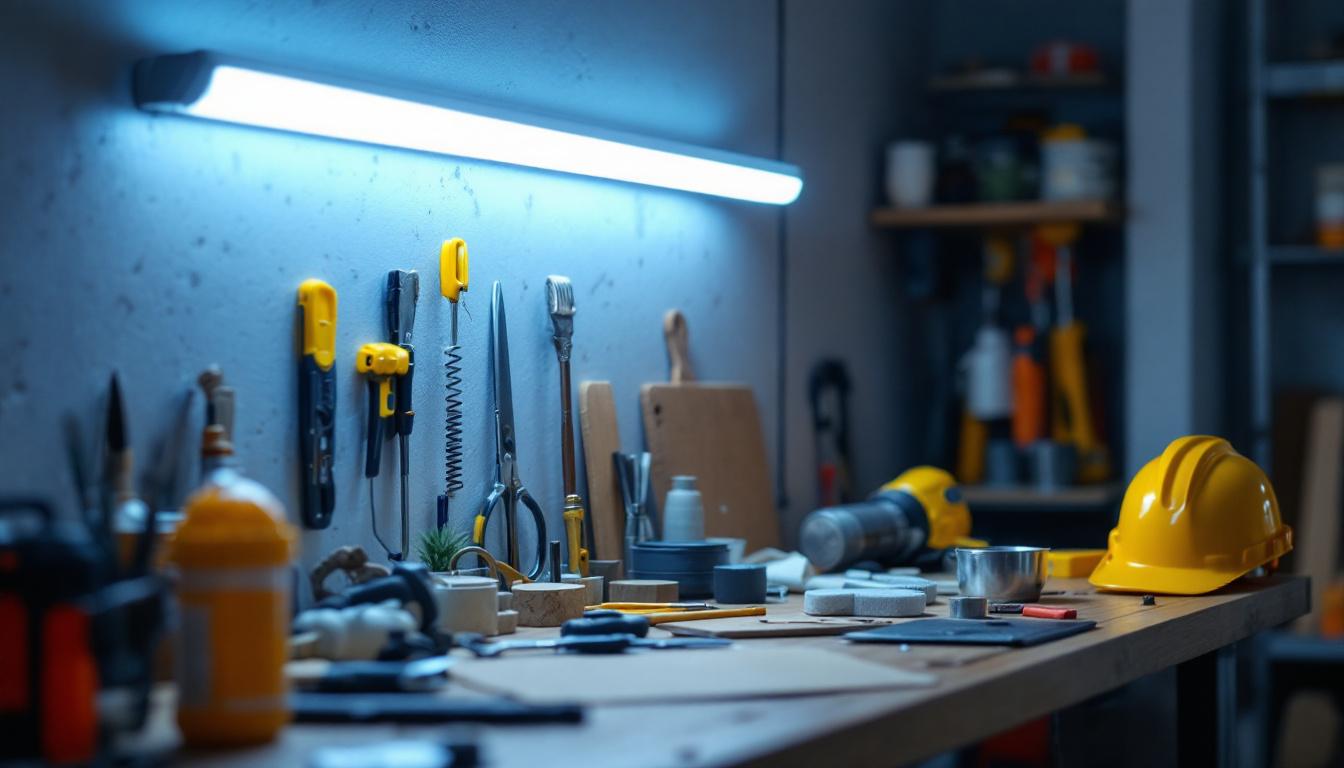
Fluorescent light bars remain a staple in commercial and industrial lighting due to their efficiency and broad light distribution. However, selecting the right fixture can be tricky. The first consideration is the space’s purpose. Is it a warehouse, office, or retail environment? Each setting demands different light intensity and color temperature.
Light output, measured in lumens, should match the task requirements. For instance, warehouses typically need higher lumens to illuminate large areas, while offices benefit from softer, more diffused lighting to reduce eye strain. Color temperature also plays a crucial role. Cooler temperatures (4000K to 5000K) are preferred in workspaces for alertness, while warmer tones (2700K to 3500K) create a comfortable atmosphere in retail or hospitality settings.
Another factor is the fixture size and mounting style. Fluorescent light bars come in various lengths and can be surface-mounted, recessed, or suspended. Contractors should assess ceiling height and structural conditions before deciding. A well-chosen fixture ensures optimal light distribution and energy efficiency.
Additionally, the energy efficiency of fluorescent light bars can significantly impact long-term operational costs. Many modern fixtures are designed to use less wattage while providing the same or greater light output compared to older models. This not only reduces electricity bills but also minimizes the environmental footprint of your lighting choices. Furthermore, consider the lifespan of the bulbs; high-quality fluorescent tubes can last up to 20,000 hours, making them a cost-effective solution for long-term projects.
Finally, it’s essential to think about the maintenance requirements associated with fluorescent lighting. While these fixtures generally require less frequent bulb replacements than incandescent lights, they still need periodic cleaning and inspection to ensure optimal performance. Dust and grime can accumulate on the fixtures, diminishing light output over time. Therefore, planning for regular maintenance can enhance the longevity and efficiency of your lighting setup, ensuring that your space remains well-lit and inviting for years to come.
Installation Best Practices for Fluorescent Light Bars
Preparing the Site
Before installation, verify that the electrical supply matches the fixture’s requirements. Fluorescent light bars typically operate on 120V or 277V circuits. Confirming the correct voltage prevents premature fixture failure and safety hazards.
Clear the installation area of any obstructions and ensure the mounting surface can support the fixture’s weight. Use a stud finder or appropriate anchors for secure attachment. Proper preparation reduces installation time and avoids costly rework. Additionally, consider the ambient conditions of the installation site. Fluorescent fixtures can be sensitive to extreme temperatures and humidity, which may affect their performance. For outdoor or high-moisture environments, selecting fixtures specifically rated for such conditions can enhance longevity and reliability.
Wiring and Ballast Considerations
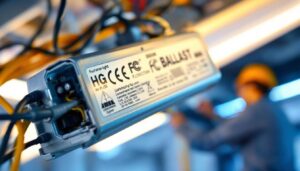
Fluorescent fixtures rely on ballasts to regulate current. Traditional magnetic ballasts are being phased out in favor of electronic ballasts, which offer better energy efficiency and quieter operation. When replacing or installing new fixtures, opt for electronic ballasts to maximize performance.
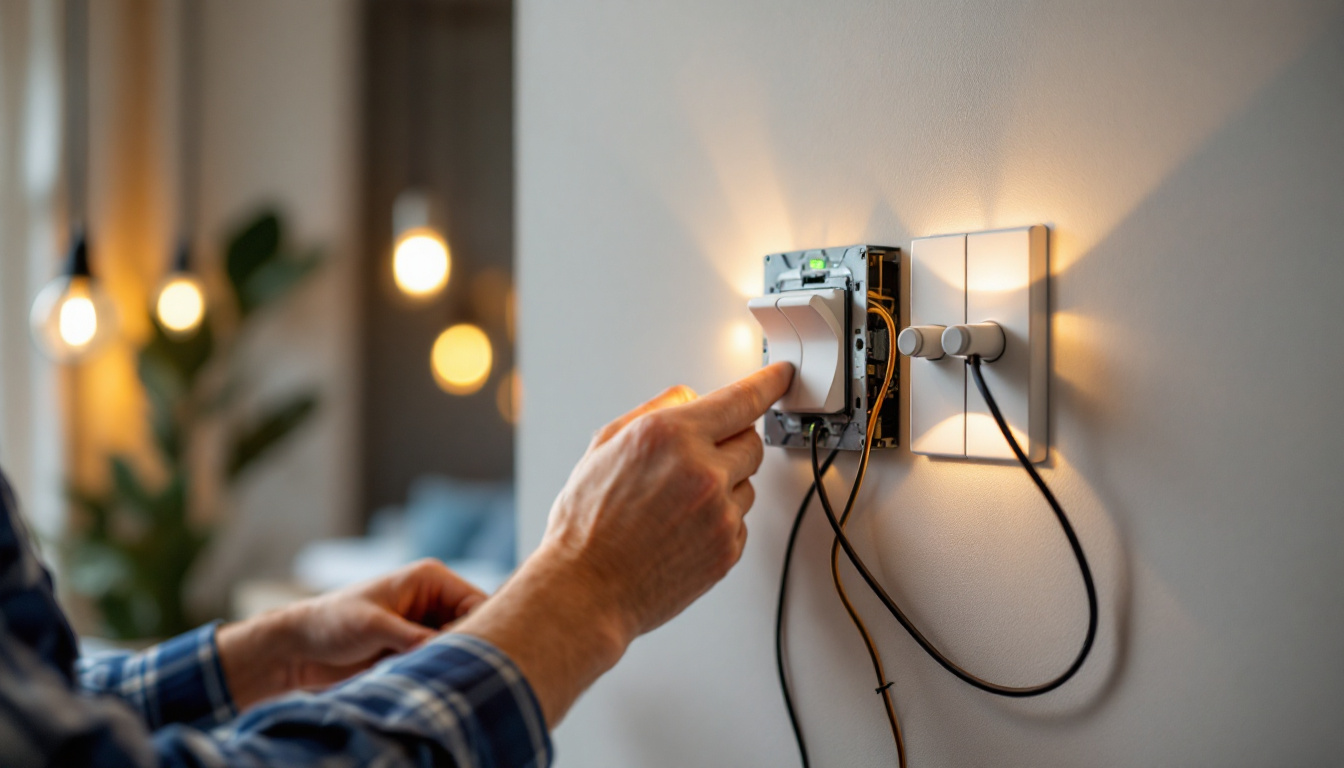
Wiring must adhere to local electrical codes. Use wire connectors rated for the fixture’s amperage and ensure all connections are tight. Grounding is essential for safety and to reduce electromagnetic interference. Double-check polarity to avoid flickering or non-functioning lights. Furthermore, if you are installing fixtures in a commercial setting, consider integrating a lighting control system. Such systems can optimize energy usage through occupancy sensors or dimming capabilities, providing both cost savings and enhanced functionality.
Mounting and Alignment
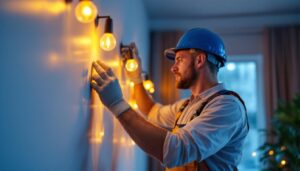
Align fluorescent light bars parallel to the longest wall or work surface for even illumination. When installing multiple fixtures, maintain consistent spacing to avoid dark spots or overlapping light. Use a laser level or chalk line to ensure straight rows.
Secure the fixture firmly but avoid overtightening screws, which can damage the housing. After mounting, test the fixture before closing any access panels to confirm proper operation. Additionally, consider the angle of the fixtures; tilting them slightly downward can help direct light where it is most needed, enhancing visibility in work areas. Lastly, document the installation process, including the locations of fixtures and any unique configurations, as this information can be invaluable for future maintenance or upgrades.
Maintenance Tips to Extend Fluorescent Light Bar Lifespan
Regular Cleaning
Dust and dirt accumulation on fluorescent tubes and diffusers reduce light output significantly. Schedule routine cleaning every six months or more frequently in dusty environments. Use a soft cloth and mild detergent; avoid abrasive materials that can scratch surfaces.
Cleaning not only improves brightness but also helps identify early signs of wear or damage, such as discoloration or flickering. Additionally, consider using a vacuum with a brush attachment to carefully remove dust from hard-to-reach areas, ensuring that the entire fixture is free from obstructions. This proactive approach not only enhances the aesthetic appeal of your lighting but also contributes to a healthier indoor environment by minimizing allergens and pollutants that can accumulate over time.
Tube Replacement Strategies
Fluorescent tubes dim gradually and may flicker before failing completely. Replace tubes in pairs or entire fixtures to maintain consistent lighting quality. When selecting replacement tubes, match the original specifications for wattage, length, and color temperature.
Consider upgrading to T8 or T5 tubes if the existing setup uses older T12 tubes. Newer tubes offer better efficiency and longer life, reducing maintenance frequency. Furthermore, when planning replacements, take the opportunity to evaluate the lighting needs of the space. For instance, different areas may benefit from varying color temperatures; cooler tones can enhance focus in workspaces, while warmer tones may create a more inviting atmosphere in relaxation areas. This thoughtful approach not only maximizes the lifespan of your lighting but also enhances the overall functionality of your environment.
Ballast Monitoring and Replacement
Ballasts typically outlast tubes but can fail due to overheating or electrical surges. Signs of ballast failure include buzzing sounds, flickering lights, or failure to start. Replace faulty ballasts promptly to avoid damage to tubes and maintain energy efficiency.
Electronic ballasts are preferred for replacements due to their improved performance and compliance with energy codes. Additionally, it’s wise to keep an eye on the ambient temperature around the ballast. Excessive heat can lead to premature failure, so ensure proper ventilation in the fixture housing. If you notice consistent temperature issues, consider relocating the ballast or installing additional cooling measures. This attention to detail can significantly extend the life of both the ballast and the fluorescent tubes, ensuring a more reliable lighting solution for your space.
Energy Efficiency and Upgrading Fluorescent Light Bars
Evaluating Energy Consumption
Fluorescent lighting is more energy-efficient than incandescent but less so compared to LEDs. Lighting contractors should calculate energy usage based on fixture wattage, operating hours, and the number of fixtures. This assessment helps identify cost-saving opportunities. Additionally, it’s essential to consider the overall environmental impact of lighting choices. By opting for more energy-efficient solutions, businesses can reduce their carbon footprint, contributing to a more sustainable future.
Using occupancy sensors and daylight harvesting controls can further reduce energy consumption by adjusting light levels based on presence and natural light availability. These technologies not only enhance energy savings but also improve the overall comfort and productivity of occupants. For instance, in office environments, the integration of these systems can lead to a more pleasant workspace, as lighting adjusts seamlessly to the needs of the users throughout the day.
When to Upgrade to LED Alternatives
LED technology has advanced to offer comparable or superior light quality to fluorescent light bars with lower energy use and longer lifespans. For clients seeking reduced maintenance and energy bills, recommending LED retrofits or replacements makes sense. Furthermore, LEDs are available in a variety of color temperatures, allowing for customization that can enhance the aesthetic appeal of a space while also meeting specific lighting requirements.
LED retrofit kits designed to fit existing fluorescent fixtures simplify upgrades without extensive rewiring. However, verify compatibility and ensure the new system meets lighting requirements. It’s also worth noting that many manufacturers now offer warranties on LED products, providing additional peace of mind for clients making the switch. This warranty often covers performance and longevity, making it a more attractive option for those hesitant about the initial investment.
Balancing Cost and Performance
While LED upgrades involve higher upfront costs, the return on investment through energy savings and reduced maintenance is often compelling. Lighting contractors should provide clients with detailed comparisons, including payback periods and lifecycle costs. Additionally, clients should be made aware of potential utility rebates and incentives available for energy-efficient upgrades, which can significantly offset initial expenses and encourage a quicker transition to LED technology.
In some cases, maintaining fluorescent light bars with upgraded tubes and ballasts remains a cost-effective solution, especially in facilities with budget constraints or where LED technology is not yet suitable. It is crucial for contractors to assess the specific needs of each facility, as factors such as usage patterns, existing infrastructure, and long-term goals will influence the best course of action. By tailoring solutions to the unique circumstances of each client, contractors can ensure optimal performance and satisfaction with their lighting systems.
Safety and Compliance Considerations
Adhering to Electrical Codes
Compliance with local and national electrical codes is non-negotiable. Fluorescent light bar installations must meet standards for wiring, grounding, and fixture mounting. Failure to comply can result in safety hazards and legal liabilities.
Keep updated with code changes, especially regarding energy efficiency and ballast regulations. Proper documentation and permits ensure smooth inspections and approvals.
Handling and Disposal of Fluorescent Tubes
Fluorescent tubes contain small amounts of mercury, necessitating careful handling and disposal. Broken tubes pose health risks and environmental hazards. Contractors should use protective gear during replacement and follow local regulations for recycling or disposal.
Many regions have designated recycling programs for fluorescent lamps. Educate clients on proper disposal to promote environmental responsibility.
Mitigating Flicker and Noise Issues
Flickering lights can cause discomfort and reduce productivity, while ballast noise can be distracting. Using high-quality electronic ballasts and ensuring proper installation minimizes these issues.
Address flicker complaints promptly by checking wiring, ballast condition, and tube compatibility. Sometimes, simple adjustments or replacements can resolve the problem.
Final Thoughts on Fluorescent Light Bar Installations
Fluorescent light bars continue to be reliable lighting solutions when selected and installed correctly. Lighting contractors who pay attention to fixture specifications, installation details, and maintenance practices deliver superior results that satisfy clients.
Staying informed about energy codes, emerging technologies, and safety protocols ensures installations are efficient, safe, and compliant. Whether maintaining existing fluorescent systems or advising on upgrades, these quick tips help contractors excel in their craft.
Illuminate Your Projects with LumenWholesale
Ready to enhance your lighting installations with the highest quality fluorescent light bars at the best value? Look no further than LumenWholesale. Our commitment to empowering contractors like you with spec-grade lighting products at unbeatable wholesale prices sets us apart. Say goodbye to local distributor markups and hello to a vast selection of reliable, high-performance lighting that meets the most rigorous industry standards. Plus, with free shipping on bulk orders, you can trust that you’re getting premium lighting solutions without hidden fees or compromises. Elevate your lighting projects by visiting Wholesale Lighting at the Best Value and experience the LumenWholesale difference today.