Understanding Lumens: The Foundation of Effective Lighting
For lighting contractors, grasping the concept of lumens is essential. Lumens measure the total amount of visible light emitted by a source, providing a quantifiable metric of brightness. Unlike watts, which indicate energy consumption, lumens focus solely on the light output, making them a more accurate measure for evaluating lighting performance.
Historically, many contractors relied on wattage as a proxy for brightness, but with the advent of energy-efficient technologies like LEDs, this approach has become outdated. A 10-watt LED bulb can produce the same lumens as a 60-watt incandescent bulb, highlighting the importance of specifying lighting based on lumens rather than watts.
Why Lumens Matter to Lighting Contractors
Using lumens as a standard allows contractors to design lighting systems that meet precise brightness requirements. This ensures client satisfaction by delivering the desired ambiance and functionality while optimizing energy efficiency. Additionally, understanding lumens helps contractors navigate the growing array of lighting products, making informed decisions that balance performance and cost.
Moreover, the application of lumens extends beyond just residential spaces. In commercial settings, where lighting plays a crucial role in productivity and safety, a thorough understanding of lumens can significantly impact the overall design and functionality of a workspace. For instance, in an office environment, adequate lumens can reduce eye strain and enhance focus, while in retail settings, the right lumens can highlight products effectively and create an inviting atmosphere for customers. This versatility underscores the importance of lumens in various contexts, making it a vital consideration for contractors who aim to deliver tailored lighting solutions.
Furthermore, as smart lighting technology continues to evolve, the relevance of lumens becomes even more pronounced. Many modern lighting systems allow for the adjustment of brightness levels, enabling users to customize their environments based on specific tasks or moods. Understanding how to measure and manipulate lumens in these systems empowers contractors to provide innovative solutions that align with contemporary needs, ensuring they remain competitive in a rapidly changing industry.
The Lumens Brightness Scale: A Practical Tool for Project Planning
The lumens brightness scale categorizes light output into ranges that correspond to different applications and environments. This scale serves as a practical guide for contractors when selecting fixtures and bulbs, streamlining the decision-making process.
Breaking Down the Scale
The scale typically ranges from low lumens for accent lighting to high lumens for task or area lighting. For example:
- Under 450 lumens: Suitable for night lights or decorative fixtures.
- 450 to 800 lumens: Ideal for general lighting in small rooms or hallways.
- 800 to 1,600 lumens: Perfect for living rooms, kitchens, and workspaces.
- Above 1,600 lumens: Used in large areas or outdoor lighting.
This categorization helps contractors quickly match lighting products to the specific needs of each project, ensuring adequate brightness without over-illumination. Understanding these ranges allows for a more tailored approach to lighting design, enhancing both functionality and aesthetic appeal in various settings.
Enhancing Client Communication
Contractors can leverage the lumens scale to educate clients on lighting choices. Explaining brightness in terms of lumens rather than watts demystifies the process, empowering clients to make informed decisions. This transparency builds trust and positions contractors as knowledgeable professionals. Furthermore, by discussing the implications of different lumen levels, contractors can guide clients in visualizing how their spaces will feel and function with various lighting options. For instance, a well-lit workspace can significantly enhance productivity, while softer lighting can create a more relaxed atmosphere in a home setting.
Moreover, the lumens scale can also facilitate discussions about energy efficiency and sustainability. As clients become more conscious of their environmental impact, understanding the relationship between lumens and energy consumption becomes crucial. By selecting LED fixtures that provide higher lumens while consuming less power, contractors can help clients achieve their lighting goals without compromising on energy savings. This not only benefits the client’s wallet in the long run but also contributes to a greener planet, making the lumens brightness scale an essential tool in modern project planning.
Energy Efficiency and Sustainability Through Lumens
Energy efficiency is a growing priority in the lighting industry, driven by environmental concerns and regulatory standards. The lumens brightness scale plays a pivotal role in achieving sustainability goals. As the world increasingly recognizes the importance of reducing energy consumption, the shift towards more efficient lighting solutions is not just a trend but a necessity. This transition is not only beneficial for the environment but also for consumers seeking to lower their energy costs and enhance their living or working spaces.
Optimizing Light Output per Watt
By focusing on lumens, contractors can select lighting solutions that maximize light output while minimizing energy consumption. For instance, LEDs offer significantly higher lumens per watt compared to traditional incandescent or fluorescent bulbs. This means clients receive brighter lighting with lower electricity bills and reduced carbon footprints. Additionally, the longevity of LED fixtures—often lasting up to 25,000 hours or more—further contributes to sustainability by decreasing the frequency of replacements and the waste associated with discarded bulbs. The versatility of LEDs also allows for innovative designs, enabling architects and designers to create visually stunning environments without compromising on efficiency.
Meeting Regulatory Requirements
Many building codes and energy standards now specify minimum lighting levels in lumens rather than watts. Contractors who understand and apply the lumens scale can ensure compliance, avoiding costly rework and penalties. Moreover, energy-efficient lighting solutions often qualify for rebates or incentives, adding financial benefits for clients. As municipalities and states continue to adopt stricter energy codes, staying informed about these regulations becomes crucial for contractors. This not only helps in maintaining compliance but also positions businesses as leaders in energy-efficient practices. Furthermore, educating clients about the benefits of lumens over watts can foster trust and build long-term relationships, as they appreciate the contractor’s commitment to sustainability and cost-effectiveness.
Practical Applications: Case Studies in Lumens-Based Lighting Design
Real-world examples illustrate how the lumens brightness scale transforms lighting projects, improving outcomes for contractors and clients alike.
Residential Renovation: Balancing Ambiance and Functionality
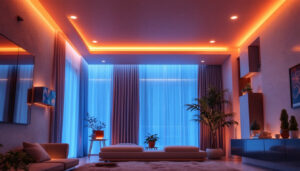
A lighting contractor working on a residential renovation used the lumens scale to tailor lighting for each room. In the kitchen, fixtures delivering 1,200 lumens provided bright, focused light for cooking tasks. Meanwhile, living areas featured softer lighting around 800 lumens to create a cozy atmosphere. This approach enhanced both usability and aesthetic appeal, resulting in positive client feedback.
Commercial Office Lighting: Enhancing Productivity
In a commercial office project, the contractor applied the lumens scale to design a lighting system that met stringent workplace illumination standards. Desks were illuminated with fixtures producing 1,500 lumens, ensuring adequate brightness for detailed tasks without glare. The overall design improved employee comfort and productivity, demonstrating the practical benefits of lumens-based planning.
Outdoor Lighting: Safety and Visibility
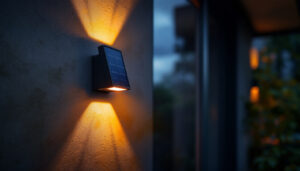
For an outdoor parking lot installation, the contractor selected high-lumen fixtures exceeding 2,000 lumens to ensure safety and visibility. Using the lumens scale allowed precise calculation of fixture placement and brightness levels, optimizing coverage while minimizing light pollution and energy use.
Integrating the Lumens Scale with Modern Lighting Technologies
The lumens brightness scale complements advancements in lighting technology, enabling contractors to harness innovation effectively.
LEDs and Smart Lighting Systems
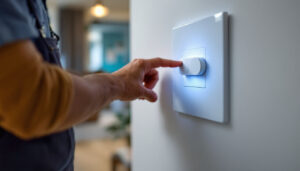
LED technology revolutionizes lighting with high lumen output and low energy consumption. When combined with smart controls—such as dimmers, motion sensors, and programmable schedules—contractors can fine-tune lighting levels based on lumens to suit changing needs throughout the day. This flexibility enhances user experience and further reduces energy waste.
Color Temperature and Lumens
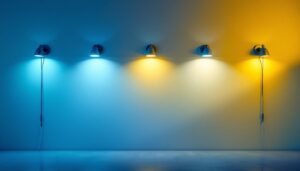
While lumens measure brightness, color temperature affects the quality and perception of light. Contractors must balance lumens with appropriate color temperatures—measured in Kelvins—to achieve desired effects. For example, warm white light (around 2700K) with moderate lumens creates inviting spaces, while cooler white light (4000K and above) with higher lumens supports focus and alertness in work areas.
Challenges and Considerations When Using the Lumens Scale
Despite its advantages, the lumens brightness scale requires careful application to avoid pitfalls.
Accounting for Fixture Design and Light Distribution
Not all lumens are delivered equally. Fixture design, lens type, and reflector quality influence how light is distributed. Contractors must consider these factors alongside lumens to ensure even illumination and avoid hotspots or shadows.
Environmental Factors Impacting Perceived Brightness
Room size, wall color, and surface reflectivity affect how bright a space feels. A high-lumen fixture in a dark, small room may seem overwhelming, while the same fixture in a large, light-colored room might appear insufficient. Contractors should assess environmental context when specifying lumens.
Client Preferences and Usage Patterns
Ultimately, lighting is subjective. Client preferences for brightness and ambiance vary widely. Contractors should use the lumens scale as a guide, complemented by consultations and, when possible, on-site demonstrations to tailor solutions effectively.
Conclusion: Embracing the Lumens Brightness Scale for Superior Lighting Solutions
The lumens brightness scale represents a significant advancement for lighting contractors, offering a precise, practical framework for designing and specifying lighting systems. By prioritizing lumens over outdated metrics like wattage, contractors can deliver projects that meet client expectations, comply with regulations, and promote energy efficiency.
Mastering the lumens scale empowers contractors to navigate the evolving lighting landscape confidently, leveraging new technologies and sustainable practices. As the industry continues to innovate, the lumens brightness scale will remain an indispensable tool for achieving superior lighting outcomes.
Illuminate Your Projects with LumenWholesale
Ready to transform your lighting projects with the precision of the lumens brightness scale? At LumenWholesale, we provide lighting contractors with the highest quality, spec-grade lighting products at prices that can’t be beaten. Say goodbye to local distributor markups and hello to our extensive selection that meets rigorous industry standards. With free shipping on bulk orders, you can trust that you’re getting premium lighting at the best value — no hidden fees, no compromises. Elevate your lighting solutions today by visiting Wholesale Lighting at the Best Value and experience the LumenWholesale difference.