Why Low Profile Lighting Deserves More Attention
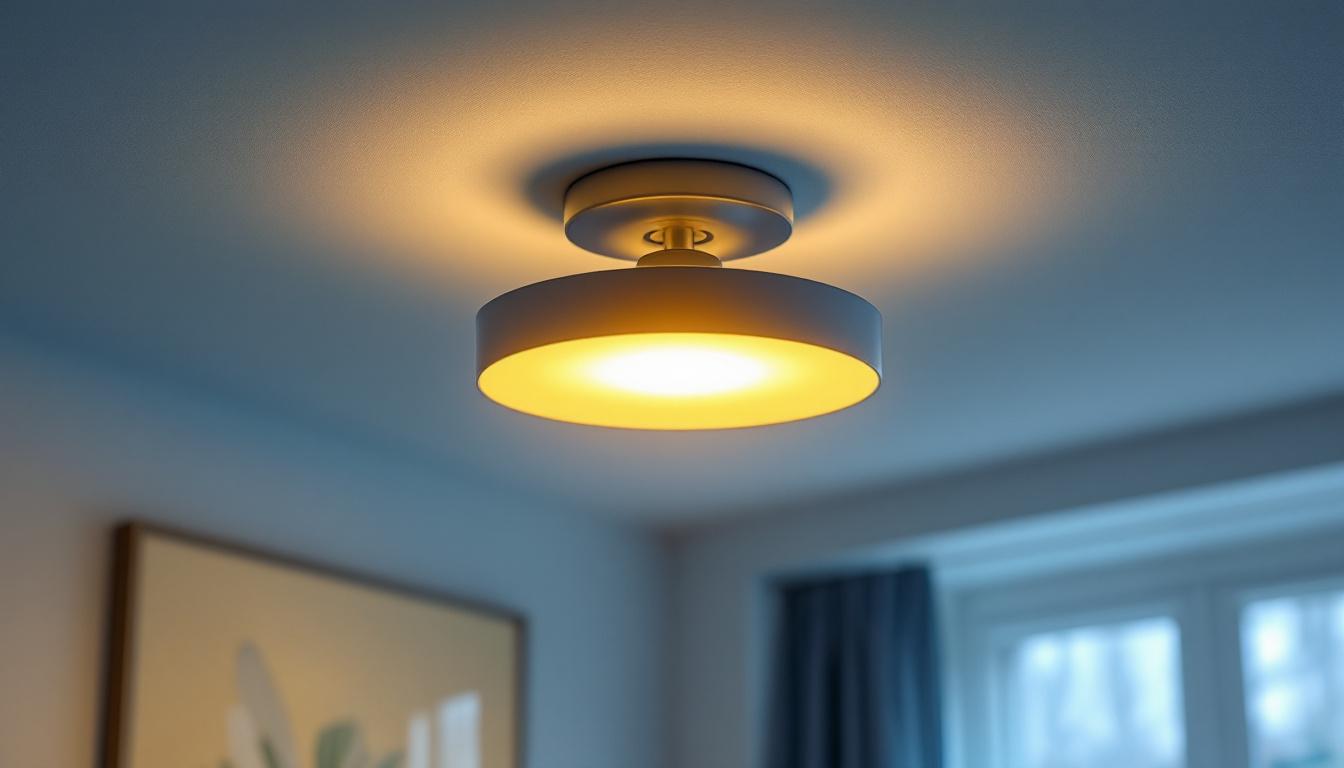
Low profile lighting fixtures are often the unsung heroes of a lighting project. They blend seamlessly into ceilings, walls, and architectural elements, providing illumination without dominating the visual field. For lighting contractors, these fixtures offer a sleek, modern aesthetic that clients increasingly demand, especially in commercial and residential spaces where minimalism and clean lines are prized. The unobtrusive nature of low profile lighting allows for a more expansive feel in a room, making spaces appear larger and more open, which is particularly beneficial in urban environments where square footage is at a premium.
Despite their growing popularity, many contractors underestimate the complexity and considerations involved in specifying and installing low profile lighting. Overlooking these details can lead to issues such as poor light distribution, difficult maintenance, or even client dissatisfaction. Understanding the nuances of low profile lighting is essential to delivering a polished, professional result. Factors such as the color temperature of the bulbs, the angle of light dispersion, and the compatibility with smart home systems can significantly impact the effectiveness of these fixtures. Additionally, selecting the right materials and finishes can enhance the overall design, ensuring that the lighting not only serves its functional purpose but also complements the aesthetic vision of the space.
Moreover, low profile lighting fixtures can be equipped with advanced technology, such as dimming capabilities and smart controls, which allow for greater flexibility in creating the desired ambiance. This adaptability is particularly appealing in multi-functional spaces, where lighting needs can change throughout the day. For instance, a conference room may require bright, focused lighting during meetings but softer, warmer tones for informal gatherings. By leveraging the versatility of low profile lighting, contractors can offer clients tailored solutions that enhance both the functionality and comfort of their spaces. Furthermore, as energy efficiency becomes an increasingly important consideration, many low profile fixtures now utilize LED technology, which not only reduces energy consumption but also boasts a longer lifespan, making them a cost-effective choice in the long run.
Key Features and Benefits of Low Profile Lighting
Space-Saving Design
One of the primary advantages of low profile fixtures is their minimal intrusion into a room’s volume. In spaces with limited ceiling height or where architectural features like beams or ductwork restrict clearance, these fixtures are often the only viable option. Their slim profiles allow for a clean ceiling plane, which helps maintain a sense of openness and spaciousness. Furthermore, the sleek design of low profile lighting can enhance the overall aesthetic of a room, providing a modern touch that complements various interior styles. Whether in a contemporary loft or a traditional home, these fixtures can seamlessly blend into the environment, allowing other design elements to shine.
Versatility Across Applications
Low profile lighting can be used in a variety of settings—from offices and retail environments to residential kitchens and bathrooms. Their unobtrusive nature makes them suitable for both ambient and task lighting. Additionally, many low profile fixtures come with adjustable beam angles or dimming capabilities, enhancing their adaptability. This versatility means that they can be strategically placed to highlight specific areas, such as artwork or architectural features, while also providing general illumination. In commercial spaces, this adaptability can improve the customer experience by creating inviting atmospheres that encourage exploration and engagement.
Energy Efficiency and Modern Technology
Most low profile lighting fixtures today incorporate LED technology, which offers significant energy savings and longer lifespans compared to traditional incandescent or fluorescent bulbs. This not only reduces operational costs but also aligns with increasingly stringent energy codes and sustainability goals. Moreover, advancements in smart lighting technology have made it possible to integrate low profile fixtures with home automation systems. Users can control brightness, color temperature, and even scheduling through apps or voice commands, allowing for a personalized lighting experience that can adapt to different moods and activities. This combination of energy efficiency and modern technology positions low profile lighting as a forward-thinking choice for environmentally conscious consumers.
Common Pitfalls Lighting Contractors Encounter
Ignoring Ceiling Depth and Structural Constraints
One of the most frequent mistakes is failing to verify the available ceiling depth before selecting a fixture. Low profile lighting is often chosen because it fits into shallow ceilings, but not all fixtures are created equal. Some require more clearance for housing, heat dissipation, or wiring. Without accurate measurements and coordination with other trades, installations can become problematic or impossible without costly adjustments. Additionally, contractors should consider the implications of ceiling joists, ductwork, and other structural elements that might limit fixture placement. A thorough assessment can prevent the need for extensive modifications later, ensuring a smoother installation process.
Overlooking Heat Management
Low profile fixtures have less space to dissipate heat, which can impact performance and longevity. Contractors sometimes neglect to check the thermal management specifications of fixtures, leading to premature failure or reduced light output. Ensuring that fixtures have adequate ventilation or heat sinks is crucial, especially in enclosed or insulated ceilings. Furthermore, the choice of bulb technology can also play a significant role; for instance, LED fixtures typically generate less heat than traditional incandescent bulbs, making them a more suitable option for tight spaces. Understanding the thermal dynamics of the lighting system can lead to better performance and energy efficiency, ultimately benefiting both the contractor and the client.
Neglecting Maintenance Accessibility
Because low profile fixtures are designed to be unobtrusive, they can be challenging to access for bulb replacement or repairs. Contractors often focus on the initial installation and overlook how maintenance crews will interact with the fixtures over time. Selecting fixtures with easy-to-remove trims or accessible components can save time and reduce costs in the long run. Moreover, it’s beneficial to provide clear documentation and training for maintenance personnel, ensuring they are familiar with the specific requirements and quirks of the installed fixtures. This proactive approach can mitigate future frustrations and maintain the aesthetic integrity of the space without frequent disruptions.
Installation Best Practices for Low Profile Lighting
Coordinate Early with Other Trades
Successful low profile lighting installation starts with early coordination. Electrical, HVAC, and structural teams need to align on ceiling space allocation to avoid conflicts. For example, ductwork or sprinkler systems might interfere with fixture placement. Early collaboration prevents costly rework and ensures the lighting design intent is preserved.
Use Proper Mounting and Support Systems
Low profile fixtures often weigh less than traditional fixtures, but they still require secure mounting to avoid sagging or misalignment. Contractors should use manufacturer-recommended mounting brackets and verify that ceiling materials can support the fixtures. In some cases, additional reinforcement may be necessary.
Pay Attention to Wiring and Connections
Compact fixtures mean tighter spaces for wiring. Careful routing and secure connections are essential to prevent electrical issues. Using junction boxes designed for low profile fixtures and following local electrical codes ensures safety and reliability. Proper labeling and documentation during installation also facilitate future troubleshooting.
Lighting Design Considerations Specific to Low Profile Fixtures
Balancing Light Distribution
Low profile fixtures often have narrower beam angles compared to traditional recessed or pendant lights. This can create hotspots or uneven illumination if not planned carefully. Lighting contractors should work closely with designers to select fixtures with appropriate beam spreads and arrange them to achieve uniform light levels.
Color Temperature and CRI
Because low profile fixtures are frequently used in visible locations, the quality of light they emit is critical. Choosing fixtures with high Color Rendering Index (CRI) values ensures that colors appear natural and vibrant, which is especially important in retail or hospitality settings. Matching color temperature across all fixtures also helps maintain a cohesive ambiance.
Integrating Controls and Smart Features
Modern low profile lighting often includes dimming capabilities and compatibility with smart controls. Contractors should verify that fixtures and control systems are compatible and that wiring supports these features. Proper integration enhances energy savings and user experience, which clients increasingly expect.
Material and Finish Selection
Low profile fixtures come in a variety of finishes, from matte white to brushed aluminum or black anodized. The finish can affect both aesthetics and performance. For example, reflective finishes inside the fixture can improve light output, while exterior finishes should complement the interior design.
Contractors should consider the environment where the fixture will be installed. In damp or outdoor locations, corrosion-resistant materials are essential. Specifying fixtures with appropriate IP ratings protects against moisture and dust ingress, ensuring longevity.
Case Studies: Lessons from the Field
Office Renovation with Limited Ceiling Height
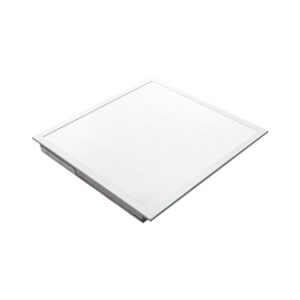
In a recent office renovation, the ceiling height was only 8 feet, leaving little room for traditional recessed fixtures. The contractor selected ultra-thin LED panels that fit within the shallow plenum space. However, initial installation revealed conflicts with HVAC ducting. Early coordination with the mechanical contractor would have prevented this. The lesson: always verify ceiling infrastructure before finalizing fixture choices.
Retail Store Lighting Upgrade
A retail client wanted a sleek, modern look with low profile fixtures to highlight merchandise. The contractor chose fixtures with adjustable beam angles to focus light precisely. However, maintenance became an issue because the fixtures were difficult to access. The contractor later retrofitted the installation with fixtures featuring quick-release trims, improving serviceability. This underscores the importance of considering long-term maintenance during specification.
Conclusion: Elevating Your Expertise with Low Profile Lighting
Low profile lighting fixtures offer distinct advantages in design flexibility, energy efficiency, and aesthetics. Yet, they require careful attention to detail during specification and installation. Lighting contractors who master the unique challenges of these fixtures can deliver superior results that satisfy clients and reduce callbacks.
By focusing on ceiling clearances, heat management, maintenance access, and proper coordination with other trades, contractors can avoid common pitfalls. Understanding the nuances of light distribution, color quality, and control integration further ensures that low profile lighting enhances the overall space.
Incorporating these insights into your workflow will not only improve project outcomes but also position you as a trusted expert in modern lighting solutions.
Discover the Best in Low Profile Lighting with LumenWholesale
Ready to elevate your lighting projects with the sleek sophistication of low profile fixtures? At LumenWholesale, we provide lighting contractors with an exceptional range of high-quality, spec-grade lighting options that meet your project’s every need. Our commitment to value means you’ll find the best wholesale prices without the middleman markup, ensuring your projects shine with reliability and performance. Embrace the convenience of bulk buying with free shipping and no hidden fees. Make LumenWholesale your go-to source for premium lighting solutions and experience the ideal combination of quality, affordability, and service. Wholesale Lighting at the Best Value is just a click away.