Understanding Linear Ceiling Light Fixtures
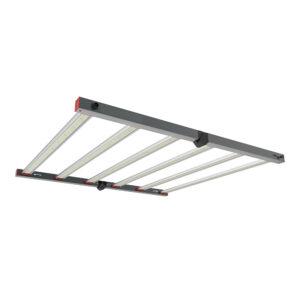
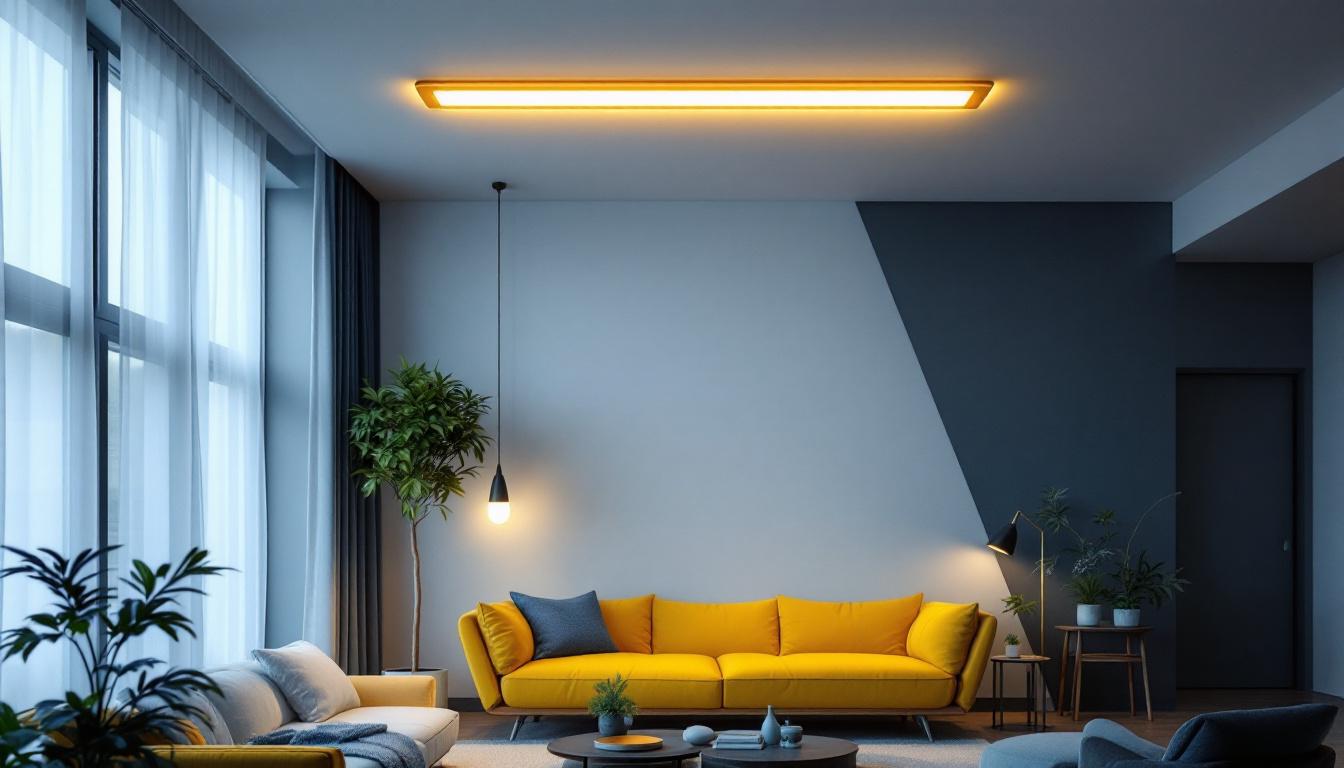
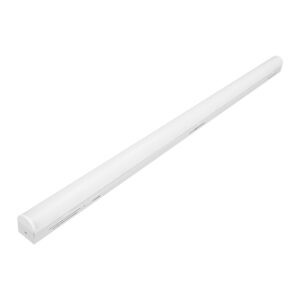
Linear ceiling light fixtures have become a staple in modern commercial and residential lighting design. Their sleek, elongated form offers a minimalist aesthetic that complements a wide range of architectural styles. For lighting contractors, understanding the nuances of these fixtures is essential to delivering efficient, high-quality installations that meet client expectations.
Unlike traditional lighting options, linear fixtures provide uniform illumination across large spaces, reducing shadows and glare. This makes them particularly popular in offices, retail environments, healthcare facilities, and educational institutions where consistent lighting is critical for productivity and safety.
Moreover, the integration of LED technology into linear fixtures has revolutionized their performance, offering energy efficiency, longevity, and customizable lighting options. As contractors, staying current with these advancements ensures that installations are both future-proof and compliant with evolving energy codes.
In addition to their functional benefits, linear ceiling light fixtures also offer a variety of design possibilities. Available in different lengths, colors, and finishes, these fixtures can be tailored to fit specific design themes or branding requirements. For instance, a sleek black linear fixture can add a touch of sophistication to a contemporary office, while a white or metallic finish may better suit a minimalist or industrial space. Furthermore, many manufacturers now offer options for dimmable fixtures, allowing users to adjust the brightness according to the time of day or specific tasks, enhancing both comfort and energy savings.
Another exciting trend in linear lighting is the emergence of smart technology integration. Many modern linear fixtures can now be controlled via smartphone apps or smart home systems, enabling users to create dynamic lighting scenes that adapt to their needs. This level of control not only enhances the user experience but also promotes energy conservation by allowing users to turn off lights remotely or set schedules for automatic operation. As the demand for smart home features continues to grow, lighting contractors who are knowledgeable about these technologies will be better positioned to meet the needs of their clients and provide cutting-edge solutions that stand out in the market.
Key Benefits of Linear Ceiling Light Fixtures for Contractors
Streamlined Installation Process
One of the primary advantages of linear ceiling light fixtures is their ease of installation. Many models are designed with modular components and standardized mounting systems, which reduce labor time and complexity. This can translate into significant cost savings on projects, especially those with tight deadlines.
Additionally, the availability of surface-mounted, recessed, and suspended options allows contractors to adapt installations to various ceiling types without extensive modifications. This flexibility simplifies planning and execution, minimizing the risk of delays or unexpected challenges on site. Furthermore, many linear fixtures come with pre-wired connections, which further speeds up the installation process. This means that contractors can focus on other critical aspects of the project, enhancing overall efficiency and productivity.
Energy Efficiency and Reduced Maintenance
Linear LED fixtures consume substantially less energy compared to traditional fluorescent or incandescent lighting. For contractors, this means clients benefit from lower utility bills and reduced environmental impact. Furthermore, LEDs have longer lifespans, often exceeding 50,000 hours, which decreases the frequency and cost of maintenance.
By recommending energy-efficient linear fixtures, contractors can position themselves as knowledgeable partners who prioritize sustainable solutions. This can enhance client trust and open doors to repeat business and referrals. Moreover, many regions offer incentives or rebates for energy-efficient installations, providing an additional financial benefit for clients. By staying informed about these programs, contractors can further assist their clients in maximizing savings and achieving sustainability goals.
Enhanced Lighting Quality and Control
Modern linear fixtures often come equipped with advanced controls such as dimming capabilities, color temperature adjustment, and integration with building automation systems. These features enable contractors to tailor lighting to specific tasks or moods, improving occupant comfort and productivity.
For example, tunable white lighting can mimic natural daylight cycles, which has been shown to positively influence circadian rhythms and overall well-being. Incorporating such technology into projects demonstrates a commitment to cutting-edge solutions and can differentiate contractors in a competitive market. Additionally, the ability to control lighting remotely through smart devices allows for greater flexibility and convenience, making these fixtures ideal for both residential and commercial applications. As more clients seek customizable and intelligent lighting solutions, contractors who embrace these innovations can enhance their service offerings and meet evolving client expectations.
Choosing the Right Linear Fixture for Your Project
Assessing Project Requirements
Before selecting a linear ceiling light fixture, contractors should thoroughly evaluate the project’s lighting needs. Considerations include the size and layout of the space, ceiling height, existing electrical infrastructure, and the desired ambiance.
For instance, a large open office may benefit from continuous linear runs that provide even illumination, while a retail space might require fixtures with adjustable beam angles to highlight merchandise. Understanding these nuances ensures that the chosen fixtures deliver optimal performance and client satisfaction.
Material and Finish Options
The durability and appearance of linear fixtures are influenced by their materials and finishes. Aluminum is a common choice due to its lightweight nature and excellent heat dissipation properties, which prolong LED lifespan. Additionally, powder-coated finishes offer resistance to corrosion and wear, making them suitable for various environments.
Contractors should also consider aesthetic factors. Matte finishes reduce glare, while glossy surfaces can enhance brightness. Matching fixture finishes with the interior design helps achieve a cohesive look that appeals to clients.
Compliance and Certification
Ensuring that linear ceiling light fixtures meet relevant safety and performance standards is crucial. Look for certifications such as UL listing, DLC qualification, and ENERGY STAR rating. These not only guarantee product reliability but also facilitate compliance with local building codes and energy regulations.
Contractors should verify that fixtures are rated for the intended environment, whether damp, wet, or dry locations. This attention to detail prevents costly rework and enhances overall project quality.
Installation Best Practices for Linear Ceiling Light Fixtures
Pre-Installation Planning
Effective planning is the cornerstone of a successful installation. Contractors should coordinate with architects, electricians, and project managers to confirm fixture placement, power supply locations, and mounting methods. Reviewing electrical load calculations ensures that circuits can handle the new fixtures without overloading.
Additionally, ordering fixtures well in advance and verifying shipment contents minimizes delays. It’s advisable to inspect fixtures upon arrival for any damage or defects before installation begins.
Mounting and Wiring Techniques
Depending on the fixture type, mounting may involve recessed housings, surface brackets, or suspension cables. Contractors should follow manufacturer guidelines meticulously to ensure secure attachment and alignment. Proper mounting not only affects aesthetics but also fixture longevity and safety.
Wiring should comply with the National Electrical Code (NEC) and local regulations. Using appropriate connectors, conduit, and junction boxes maintains system integrity and facilitates future maintenance. Labeling circuits and documenting wiring layouts can save time during troubleshooting or upgrades.
Testing and Commissioning
After installation, thorough testing verifies that fixtures operate as intended. This includes checking for consistent illumination, proper dimming function, and absence of flicker or noise. Addressing issues promptly prevents client dissatisfaction and warranty claims.
For projects with advanced controls, commissioning may involve programming lighting scenes and integrating with building management systems. Providing clients with user manuals and training ensures they can maximize the benefits of their new lighting system.
Common Challenges and How to Overcome Them
Dealing with Ceiling Constraints
Older buildings or those with unique architectural features may present challenges such as limited ceiling space or irregular surfaces. In such cases, contractors can select low-profile or flexible linear fixtures that adapt to these conditions without compromising design intent.
Collaboration with structural engineers and designers can yield creative solutions, such as custom mounting brackets or combining linear fixtures with complementary lighting types to achieve desired illumination levels.
Managing Electrical Compatibility
Integrating linear fixtures into existing electrical systems can sometimes lead to compatibility issues, especially when retrofitting older installations. Contractors should perform thorough assessments to identify potential conflicts with dimmers, sensors, or control protocols.
Utilizing LED drivers and compatible control modules designed for linear fixtures helps mitigate these challenges. Staying informed about the latest electrical components and standards enhances installation success rates.
Ensuring Aesthetic Consistency
Achieving uniform lighting appearance across multiple linear fixtures requires attention to color temperature, lumen output, and fixture spacing. Variations can create visual distractions and reduce overall lighting quality.
Working with manufacturers to select matched fixture batches and conducting mock-ups before full installation can help maintain consistency. Clear communication with clients about lighting design goals also aligns expectations.
Future Trends in Linear Ceiling Lighting
Smart Lighting Integration
The rise of smart building technologies is influencing the evolution of linear ceiling light fixtures. Integration with IoT platforms allows for dynamic control, energy monitoring, and predictive maintenance, enhancing operational efficiency.
Lighting contractors who embrace these innovations can offer clients enhanced functionality, such as occupancy-based dimming and daylight harvesting, which contribute to sustainability and cost savings.
Advancements in Materials and Design
Emerging materials like graphene-enhanced components and advanced optics are improving fixture performance and durability. Slimmer profiles and customizable shapes expand design possibilities, enabling lighting solutions tailored to unique architectural visions.
Contractors should stay abreast of these developments to provide cutting-edge options that meet evolving client demands.
Emphasis on Human-Centric Lighting
Research continues to highlight the importance of lighting on human health and productivity. Linear fixtures with tunable white and circadian rhythm-supporting capabilities are gaining traction in workplaces, healthcare, and educational settings.
By incorporating these features, contractors can contribute to environments that promote well-being, positioning themselves as leaders in health-conscious lighting design.
Conclusion
For lighting contractors, linear ceiling light fixtures represent a versatile and efficient solution that simplifies installation while delivering superior lighting quality. Understanding their benefits, selecting appropriate products, and adhering to best practices ensures successful projects that satisfy clients and comply with industry standards.
Staying informed about technological advancements and emerging trends empowers contractors to offer innovative, sustainable, and human-centric lighting solutions. Ultimately, mastering linear ceiling fixtures enhances professional reputation and drives business growth in a competitive market.
Get Your Premium Linear Ceiling Light Fixtures at LumenWholesale
Ready to elevate your lighting projects with the sleek design and superior performance of linear ceiling light fixtures? Look no further than LumenWholesale for all your lighting needs. Our spec-grade products not only meet but exceed industry standards, providing you with the confidence that you’re installing reliable, high-performance lighting. With unbeatable wholesale prices and the convenience of free shipping on bulk orders, you can ensure your projects shine without breaking the bank. Don’t compromise on quality or value—choose LumenWholesale for the best in lighting solutions. Wholesale Lighting at the Best Value is just a click away.