In the realm of lighting installation, the significance of a well-placed light pole cannot be overstated. As a lighting contractor, understanding the nuances of light pole selection and installation can significantly enhance project outcomes. This article delves into the various aspects of light poles, exploring how they can improve lighting installation projects, from design considerations to installation techniques.
The Importance of Light Poles in Lighting Design
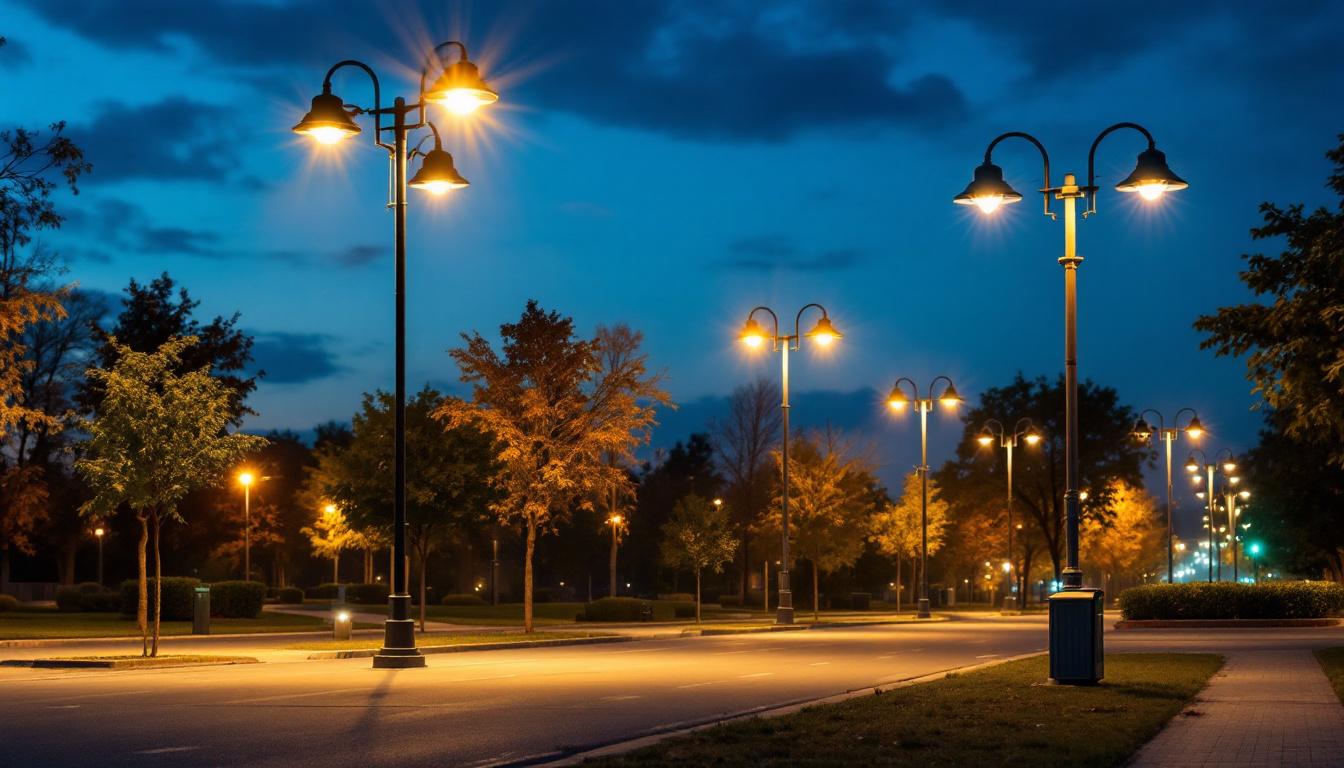
Light poles serve as the backbone of any outdoor lighting system. They not only support the fixtures but also play a crucial role in the overall aesthetics and functionality of the lighting design. A well-chosen light pole can enhance visibility, safety, and ambiance in various environments.
Enhancing Visibility and Safety
One of the primary functions of light poles is to elevate light fixtures, allowing for a broader distribution of light. This elevation is essential in outdoor spaces such as parking lots, streets, and parks, where adequate visibility is critical for safety. By strategically placing light poles, contractors can create well-lit areas that deter crime and reduce accidents.
Moreover, the height and positioning of light poles can significantly influence the spread of light. For instance, taller poles can illuminate larger areas, while shorter poles may be more suitable for focused lighting in specific zones. Understanding these dynamics is vital for ensuring that the lighting design meets safety standards and enhances user experience. Additionally, the use of smart lighting technology, such as motion sensors and adaptive lighting systems, can further enhance safety by adjusting light levels based on real-time conditions, ensuring that areas remain well-lit when needed and conserving energy when they are not.
Aesthetic Considerations
Beyond functionality, light poles contribute to the aesthetic appeal of a space. They come in various designs, materials, and finishes, allowing contractors to select options that complement the surrounding architecture and landscape. Decorative light poles can serve as design elements, adding character and charm to public spaces, parks, and commercial properties.
Incorporating aesthetically pleasing light poles into a project can elevate the overall design, making the environment more inviting. This is particularly important in areas where ambiance plays a significant role, such as outdoor dining spaces or pedestrian walkways. For example, vintage-style light poles can evoke a sense of nostalgia and warmth, while sleek, modern designs can create a contemporary feel. Furthermore, the integration of LED technology not only enhances the visual appeal with a variety of light color options but also promotes sustainability by reducing energy consumption and maintenance costs. The choice of light pole can thus become a pivotal element in creating a cohesive and attractive outdoor environment that resonates with the community’s identity and values.
Choosing the Right Light Pole
Selecting the appropriate light pole involves several considerations, including height, material, and design. Each factor contributes to the overall effectiveness of the lighting installation and can impact maintenance and durability.
Height and Size
The height of a light pole is a critical factor in determining its effectiveness. Taller poles are generally used for larger areas, while shorter poles are better suited for smaller, more confined spaces. The size of the pole must also be compatible with the light fixtures being used, ensuring that the light output is maximized.
Contractors must also consider the mounting height of the fixtures themselves. The combination of pole height and fixture mounting height will dictate the overall light distribution pattern. Conducting a photometric analysis can help in making informed decisions regarding pole height and fixture placement. This analysis not only ensures adequate illumination but also helps in minimizing light pollution, which is increasingly becoming a concern in urban planning. By strategically placing poles and fixtures, it is possible to create a well-lit environment that enhances safety and aesthetics without overwhelming the surrounding area with excessive brightness.
Material Selection
Light poles are typically constructed from materials such as aluminum, steel, fiberglass, or concrete. Each material has its advantages and disadvantages, influencing factors like weight, durability, and maintenance requirements. For instance, aluminum poles are lightweight and resistant to corrosion, making them ideal for coastal areas, while concrete poles offer exceptional durability in high-traffic environments.
Additionally, the choice of material can affect the overall cost of the project. It is essential to balance budget constraints with the long-term benefits of each material type, ensuring that the selected poles will withstand environmental conditions and require minimal maintenance. Moreover, the aesthetic appeal of the material should not be overlooked; decorative poles made from steel or fiberglass can enhance the visual appeal of parks, streetscapes, and commercial areas. Custom finishes and colors can be applied to these materials, allowing for a cohesive design that complements the surrounding architecture and landscape, thus elevating the overall ambiance of the area.
Installation Techniques for Optimal Performance
Proper installation of light poles is crucial for maximizing their performance and longevity. A well-executed installation process can prevent common issues such as leaning, instability, and premature wear.
Site Assessment and Preparation
Before installation, a thorough site assessment is essential. This involves evaluating the terrain, identifying underground utilities, and determining the best locations for the poles. Proper planning can prevent costly mistakes and ensure that the poles are installed in optimal positions for light distribution.
Once the site is assessed, preparation work can begin. This may include excavation for pole footings, ensuring that the ground is stable enough to support the weight of the poles and fixtures. Adequate drainage should also be considered to prevent water accumulation around the base of the poles. Additionally, it is beneficial to assess the surrounding environment, including nearby trees and buildings, to avoid any potential obstructions that could cast shadows or interfere with the light output. This comprehensive approach not only enhances the effectiveness of the lighting but also contributes to the overall safety of the area.
Installation Methods
There are several methods for installing light poles, including direct burial, concrete footings, and base plates. The choice of method will depend on factors such as pole height, soil conditions, and local regulations.
Direct burial involves placing the pole directly into the ground, which is often suitable for shorter poles. However, for taller poles, concrete footings provide additional stability. Base plates can be used for easy removal and maintenance, allowing for quicker fixture changes without disturbing the surrounding area. Furthermore, the installation process may also include the use of specialized tools and equipment, such as augers for digging deep holes or cranes for positioning heavier poles. Each method has its own set of advantages and challenges, and understanding these can help ensure that the chosen technique aligns with the specific needs of the project while adhering to safety standards and regulations.
Maintenance Considerations
Regular maintenance of light poles is essential to ensure their longevity and functionality. Neglecting maintenance can lead to decreased performance and safety hazards.
Inspection and Cleaning
Routine inspections should be conducted to identify any signs of wear, corrosion, or damage. This includes checking the integrity of the pole, the condition of the fixtures, and the functionality of the electrical components. Cleaning the poles and fixtures can also improve light output and extend the lifespan of the equipment.
In areas prone to harsh weather conditions, additional maintenance may be necessary. For instance, poles in coastal regions may require more frequent inspections due to saltwater corrosion, while poles in snowy areas may need to be cleared of accumulated snow to maintain light distribution.
Upgrades and Retrofits
As technology advances, lighting systems may require upgrades to remain efficient and effective. Retrofitting existing light poles with newer, more energy-efficient fixtures can significantly reduce energy consumption and maintenance costs. This not only benefits the environment but also enhances the overall lighting quality.
Contractors should stay informed about the latest lighting technologies and trends to offer clients the best solutions for their projects. By integrating smart lighting systems or LED technology, contractors can improve the functionality and sustainability of their installations.
Case Studies: Successful Lighting Projects with Light Poles
Examining successful lighting projects can provide valuable insights into the effective use of light poles. Various case studies highlight how thoughtful design and installation can lead to outstanding results.
Urban Park Lighting
In a recent urban park project, the integration of decorative light poles transformed the space into a vibrant community hub. The selected poles featured a unique design that complemented the park’s aesthetic, while strategically placed fixtures ensured adequate illumination for pathways and recreational areas.
The project not only improved safety for park visitors but also enhanced the overall ambiance, encouraging increased foot traffic and community engagement. This case exemplifies how light poles can serve both functional and aesthetic purposes in public spaces.
Commercial Parking Lot Upgrade
A commercial property recently undertook a lighting upgrade for its parking lot, focusing on energy efficiency and safety. The project involved replacing outdated fixtures with LED lights mounted on new, taller light poles. The result was a significant reduction in energy costs and improved visibility for patrons.
This upgrade not only enhanced the safety of the parking lot but also contributed to the property’s overall appeal. The use of light poles in this project demonstrated the importance of selecting the right height and fixture type to achieve optimal results.
Conclusion
Light poles are an integral component of any lighting installation project, influencing both functionality and aesthetics. By understanding the importance of light poles, selecting the right materials and designs, employing effective installation techniques, and maintaining the systems, lighting contractors can significantly improve project outcomes.
As the industry continues to evolve, staying informed about the latest technologies and trends will be essential for contractors aiming to deliver high-quality lighting solutions. Ultimately, the thoughtful integration of light poles can enhance safety, improve energy efficiency, and elevate the overall design of outdoor spaces.
Illuminate Your Projects with LumenWholesale
Ready to elevate your lighting installation projects with the finest light poles and fixtures? Look no further than LumenWholesale, where we provide contractors with spec-grade lighting solutions at unbeatable wholesale prices. Our extensive selection is designed to meet the highest industry standards, ensuring you deliver reliable and high-performance lighting every time. Plus, with free shipping on bulk orders, you can enjoy premium lighting at the best value — without any hidden fees. Don’t compromise on quality or cost. Discover wholesale lighting at the best value today and bring exceptional brightness and beauty to your outdoor spaces with LumenWholesale.