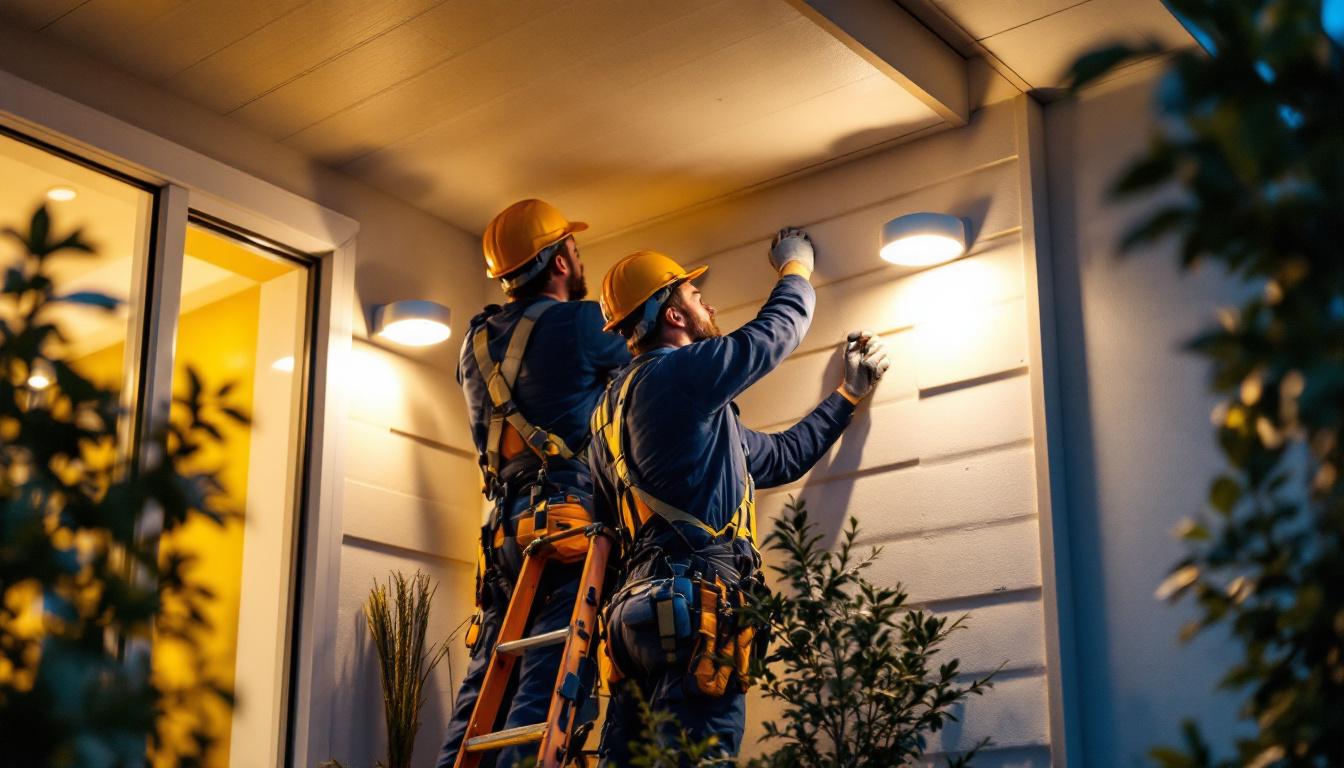
Understanding the Importance of Precision in Lighting Installations
For lighting contractors, the phrase “lights on a chain” may evoke images of decorative fixtures or specific installation techniques, but it also symbolizes the critical importance of precision and focus in every project. Lighting is not merely about illumination; it’s about creating environments that are safe, efficient, and aesthetically pleasing. Contractors must approach each installation with meticulous attention to detail, ensuring that every component—from wiring to fixture placement—is executed flawlessly.
Precision in lighting installation directly impacts the longevity and performance of the system. Faulty wiring or poorly secured fixtures can lead to frequent maintenance issues, safety hazards, and client dissatisfaction. Moreover, the increasing complexity of modern lighting systems, including smart controls and energy-efficient technologies, demands that contractors stay focused and up-to-date with the latest standards and best practices. With the advent of LED technology and smart home integration, contractors are now tasked with not only selecting the right fixtures but also ensuring compatibility with various control systems, which adds another layer of complexity to the installation process.
The Impact of Installation Errors
Even minor mistakes during installation can result in significant problems down the line. For example, improper grounding or loose connections can cause flickering lights, short circuits, or even electrical fires. These issues not only endanger property and lives but also damage the contractor’s reputation and lead to costly callbacks. Lighting contractors must therefore prioritize accuracy and thoroughness in every step of the installation process. Furthermore, the repercussions of installation errors can extend beyond immediate safety concerns; they can also affect energy efficiency, leading to increased utility costs for clients and potential regulatory issues if the installation does not comply with local codes.
Balancing Aesthetics and Functionality
Lighting is a vital element of interior and exterior design, influencing mood, perception, and usability of spaces. Contractors need to focus on achieving the right balance between aesthetics and functionality. This requires understanding the client’s vision, the architectural context, and the technical requirements of the lighting system. Proper planning and execution ensure that the lighting enhances the space while meeting all safety and efficiency standards. Additionally, it is essential for contractors to consider the psychological effects of lighting on occupants. For instance, warmer tones can create a cozy atmosphere in residential settings, while cooler tones may be more appropriate for commercial spaces that require alertness and productivity. By integrating these considerations into their designs, contractors can elevate the overall experience of the spaces they illuminate.
Adapting to Technological Advances in Lighting
The lighting industry is evolving rapidly, driven by innovations in LED technology, smart controls, and energy management systems. For lighting contractors, staying focused on these advancements is essential to remain competitive and deliver cutting-edge solutions to clients.
Embracing LED and Energy-Efficient Solutions
LED lighting has become the standard due to its energy efficiency, longevity, and versatility. Contractors must be knowledgeable about different LED products, their applications, and installation requirements. Understanding factors such as color temperature, lumen output, and dimming capabilities allows contractors to recommend and install lighting that meets client expectations and complies with energy codes.
Energy efficiency is not just a client preference; it’s often mandated by regulations and sustainability goals. Contractors who focus on integrating energy-efficient lighting systems help clients reduce operational costs and environmental impact, enhancing their own value proposition. Additionally, the rise of smart cities and green building certifications has created a demand for advanced lighting solutions that align with sustainable practices. This trend encourages contractors to stay updated on the latest innovations and best practices in energy-efficient design, ensuring they can provide comprehensive solutions that meet both aesthetic and functional needs.
Integrating Smart Lighting Controls
Smart lighting systems offer unprecedented control and customization, from automated scheduling to occupancy sensing and remote management. Lighting contractors must develop expertise in these technologies to design and install systems that improve user experience and energy savings. This requires a thorough understanding of networking, programming, and compatibility issues.
Moreover, as smart systems become more prevalent, contractors who can troubleshoot and maintain these installations will be in higher demand. Focusing on continuous learning and certification in smart lighting technologies is a strategic investment for any contractor. The integration of IoT (Internet of Things) in lighting systems is another exciting frontier, allowing for real-time data collection and analysis. By leveraging this data, contractors can offer clients insights into energy usage patterns, enabling them to make informed decisions about their lighting strategies. As the industry moves towards more connected solutions, contractors who can navigate this complex landscape will not only enhance their service offerings but also position themselves as leaders in the evolving market.
Ensuring Compliance with Safety and Regulatory Standards
Safety is paramount in all electrical work, and lighting installations are no exception. Lighting contractors must focus on adhering to national and local electrical codes, safety standards, and industry best practices to protect clients, users, and themselves.
Understanding Electrical Codes and Standards
Electrical codes such as the National Electrical Code (NEC) provide detailed requirements for wiring methods, grounding, fixture installation, and more. Contractors must be well-versed in these codes to avoid violations that could lead to fines, legal liability, or unsafe conditions.
Regular updates to codes mean contractors need to stay informed about changes and incorporate them into their work processes. This focus ensures that installations pass inspections smoothly and meet the highest safety benchmarks. Additionally, understanding local amendments to the NEC is equally crucial, as municipalities may have specific regulations that reflect unique environmental or infrastructural concerns. By staying abreast of these updates, contractors can not only ensure compliance but also position themselves as knowledgeable professionals in their field.
Implementing Rigorous Safety Protocols
Beyond compliance, contractors should adopt rigorous safety protocols on job sites. This includes proper use of personal protective equipment (PPE), safe handling of electrical components, and thorough testing of installations before project completion. A culture of safety reduces accidents, enhances efficiency, and builds client trust.
Moreover, conducting regular safety training sessions for all team members is essential in reinforcing these protocols. Training can cover topics such as hazard recognition, emergency response procedures, and the latest safety technologies. By fostering an environment where safety is prioritized and continuously discussed, contractors not only protect their workforce but also enhance their reputation within the industry. Furthermore, implementing a system for reporting near misses can help identify potential hazards before they result in accidents, creating a proactive approach to workplace safety that benefits everyone involved.
Managing Client Expectations and Communication
Successful lighting projects depend not only on technical skill but also on effective communication and client management. Lighting contractors must focus on clear, transparent interactions throughout the project lifecycle. This approach not only enhances client satisfaction but also builds a foundation for future collaborations. By prioritizing communication, contractors can navigate the complexities of each project while ensuring that clients feel valued and informed every step of the way.
Setting Realistic Project Goals
Clients often have high expectations for lighting projects, sometimes without a full understanding of technical or budgetary constraints. Contractors need to engage clients early to set realistic goals, explain options, and outline potential challenges. This proactive communication prevents misunderstandings and ensures satisfaction. For instance, discussing the implications of energy efficiency versus aesthetic choices can help clients appreciate the balance between beauty and functionality, leading to more informed decisions that align with their vision and budget.
Providing Detailed Proposals and Documentation
Comprehensive proposals that detail scope, materials, timelines, and costs help clients make informed decisions and reduce the risk of disputes. Contractors should also provide documentation such as wiring diagrams, product specifications, and maintenance guidelines. This transparency fosters professionalism and trust. Additionally, including visual aids such as renderings or mood boards can significantly enhance the proposal, allowing clients to visualize the end result and feel more connected to the project. This visual representation can serve as a powerful tool in aligning expectations and ensuring that the client’s vision is accurately captured and executed.
Offering Ongoing Support and Maintenance
Lighting systems require periodic maintenance and occasional troubleshooting. Contractors who focus on building long-term relationships by offering maintenance services and prompt support differentiate themselves in the market. This ongoing engagement can lead to repeat business and valuable referrals. Furthermore, implementing a proactive maintenance schedule not only extends the lifespan of the lighting systems but also enhances their performance, ensuring that clients enjoy optimal results over time. By educating clients on the importance of regular check-ups and offering tailored maintenance packages, contractors can position themselves as trusted partners in their clients’ ongoing success.
Optimizing Project Management and Workflow
Efficient project management is crucial for lighting contractors to deliver quality work on time and within budget. Maintaining focus on workflow optimization enhances productivity and client satisfaction.
Coordinating with Other Trades
Lighting installations often occur alongside other construction or renovation activities. Contractors must coordinate effectively with electricians, architects, interior designers, and general contractors to avoid conflicts and ensure smooth progress. Clear scheduling and communication are key to preventing delays and rework.
Utilizing Project Management Tools
Modern project management software can help contractors track tasks, deadlines, budgets, and resources. By focusing on leveraging these tools, contractors can improve organization, reduce errors, and enhance team collaboration.
Training and Developing Skilled Teams
The quality of lighting installations depends heavily on the skills of the workforce. Contractors who invest in ongoing training and certification for their teams ensure high standards and adaptability to new technologies. A well-trained team also improves safety and efficiency on site.
Conclusion: Why Focus is the Key to Success in Lighting Contracting
In the competitive and technically demanding field of lighting contracting, focus is not just a virtue—it is a necessity. From the precision of installations to the mastery of emerging technologies, adherence to safety standards, client communication, and project management, every aspect requires dedicated attention.
Contractors who cultivate a disciplined, knowledgeable, and client-centered approach position themselves for long-term success. By keeping the “lights on a chain” metaphor in mind, they can ensure that each link in the process is strong, reliable, and contributes to a brilliantly illuminated outcome.
Illuminate Your Projects with LumenWholesale
Ready to bring precision and excellence to your lighting installations? At LumenWholesale, we provide lighting contractors with the highest quality, spec-grade lighting products at prices that can’t be beaten. Say goodbye to local distributor markups and hello to a vast selection of reliable, high-performance lighting that meets the strictest industry standards. With free shipping on bulk orders, LumenWholesale is your go-to source for premium lighting solutions that combine quality, affordability, and convenience. Elevate your lighting projects and discover wholesale lighting at the best value today.