Understanding the Unique Demands of Wedding Reception Lighting
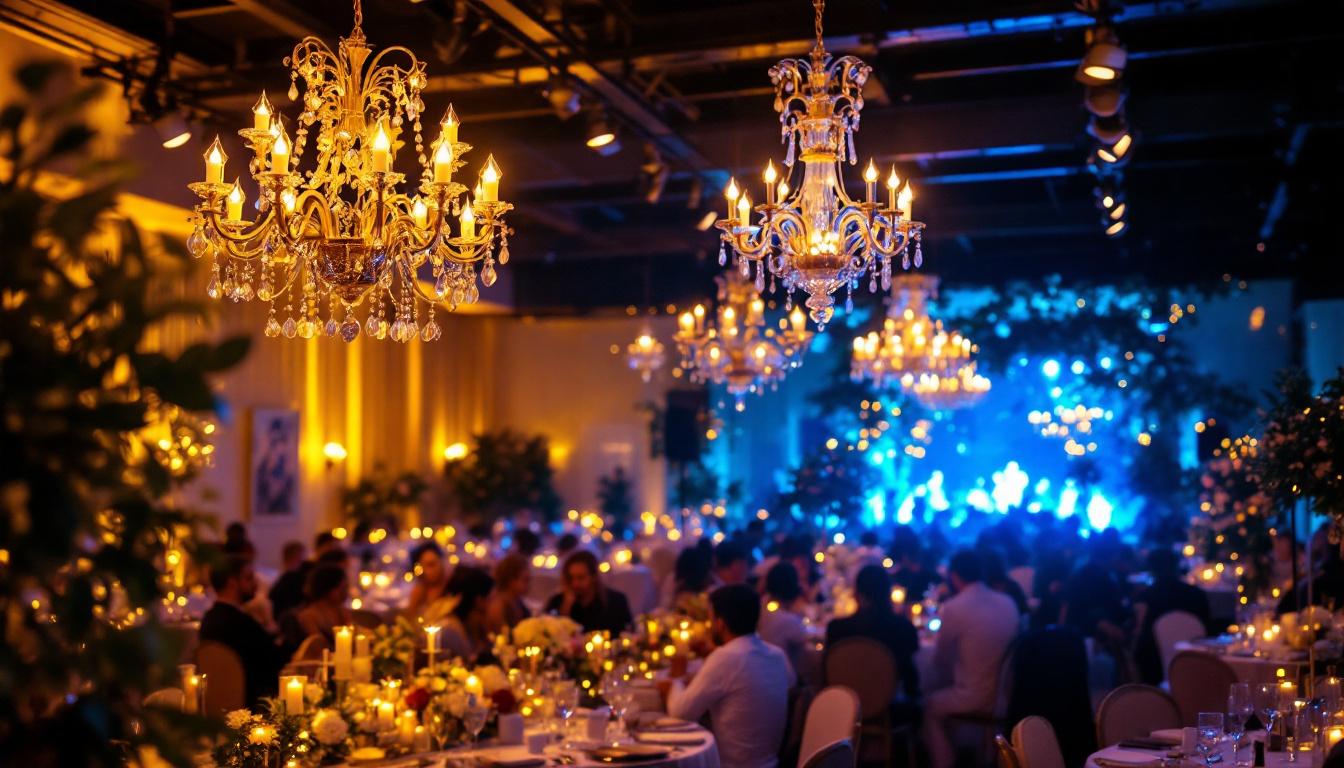
Wedding receptions are a blend of celebration, emotion, and style, all wrapped into one event. For lighting contractors, this means the lighting design must do more than just illuminate—it must enhance the atmosphere, complement the décor, and adapt seamlessly to the event’s flow. Unlike corporate events or concerts, weddings require a delicate balance between functional lighting and mood-setting effects.
One of the biggest challenges is the variability of wedding venues. From rustic barns to grand ballrooms, each space presents unique architectural features and constraints. Contractors must assess the venue’s natural lighting, ceiling height, power availability, and existing infrastructure before planning the setup. This groundwork ensures that the lighting design is both effective and efficient.
Another key consideration is the timeline of the reception. Lighting needs shift dramatically from the cocktail hour to dinner, then to dancing and late-night celebrations. A successful lighting plan anticipates these changes and incorporates flexibility, often through programmable fixtures and intelligent control systems.
Moreover, the emotional tone of the event plays a crucial role in lighting design. For instance, during the ceremony, soft, warm lighting can create an intimate atmosphere, while brighter, more vibrant colors can energize the dance floor later in the evening. Lighting designers often collaborate closely with wedding planners and couples to understand their vision, preferences, and the overall theme of the wedding. This collaboration ensures that the lighting not only meets practical needs but also resonates with the couple’s personal style and the story they wish to tell through their celebration.
Additionally, the integration of special effects can elevate the lighting experience to new heights. From twinkling fairy lights to dramatic uplighting and even custom gobo projections that display the couple’s initials or wedding date, these elements can add a unique touch that makes the event memorable. As technology advances, the use of LED fixtures and smart lighting systems has become increasingly popular, allowing for dynamic color changes and patterns that can be synchronized with music, creating an immersive experience that captivates guests throughout the night.
Key Lighting Elements for Wedding Receptions
Ambient Lighting
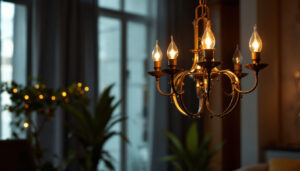
Ambient lighting sets the overall tone of the reception space. It should be soft, flattering, and inviting. Warm tones are typically preferred to create a cozy, romantic atmosphere. LED uplights placed around the room can wash walls with color that matches the wedding palette, subtly enhancing the décor without overpowering it. The strategic placement of these lights can also create visual interest, drawing the eye to different areas of the room and making the space feel more dynamic.
Dimmer controls are essential here. They allow for gradual adjustments as the evening progresses, maintaining comfort while accommodating different phases of the event. For example, brighter lighting during dinner for visibility, then dimming for speeches or slow dances. Additionally, incorporating fairy lights or string lights can add a whimsical touch, creating a starry effect overhead that enhances the romantic vibe. These lights can be draped across ceilings or wrapped around pillars, adding depth and texture to the overall design.
Accent and Decorative Lighting
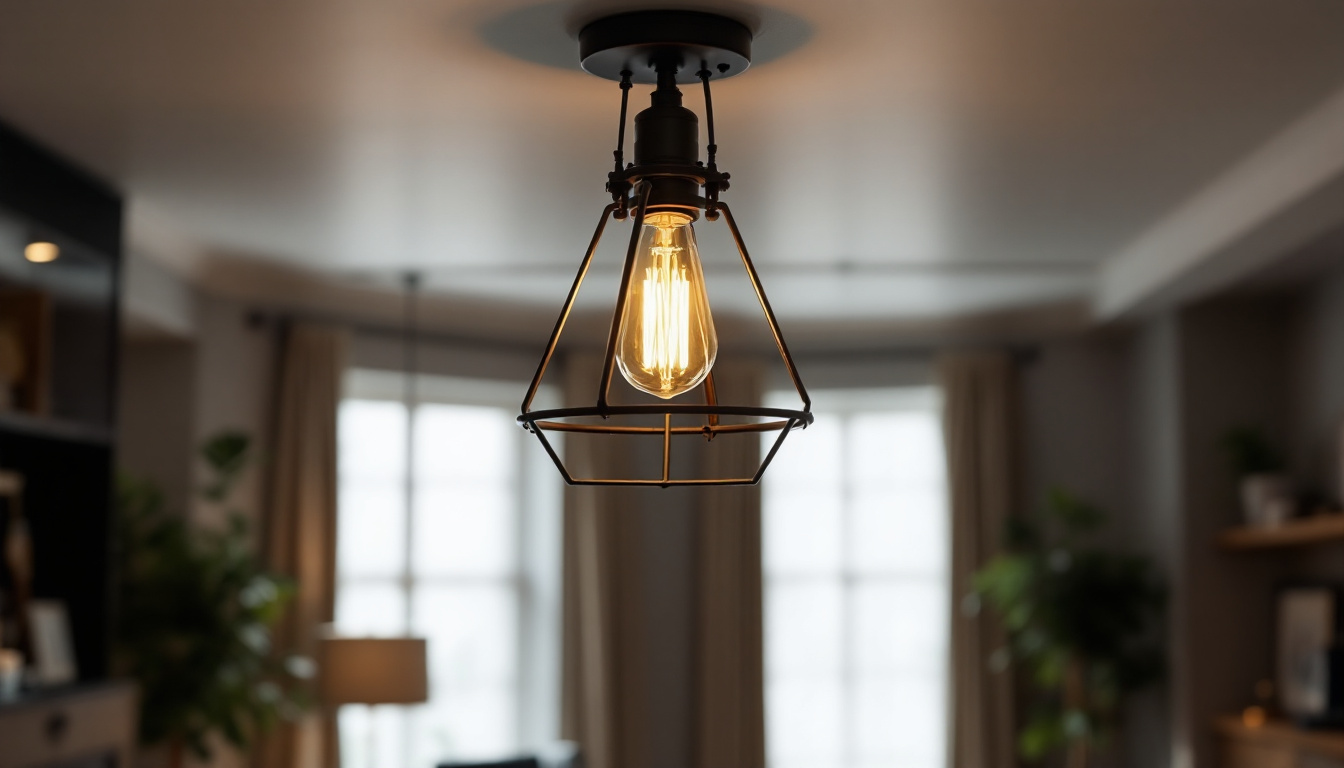
Accent lighting highlights key features such as floral arrangements, the cake table, or architectural details. Pin spots and gobos are popular tools for this purpose. Pin spots focus narrow beams of light on specific objects, drawing guests’ attention without flooding the space with brightness. This technique not only enhances the beauty of the arrangements but also creates a focal point that can serve as a backdrop for photos, capturing the essence of the day.
Gobos—custom patterns or monograms projected onto walls or floors—add a personalized touch. They can display the couple’s initials, wedding date, or thematic designs. This level of customization requires precise positioning and sharp focus, so planning and testing are crucial. Moreover, using colored gobos can tie in with the overall color scheme, creating a cohesive look throughout the venue. The interplay of light and shadow can also add an artistic flair, transforming ordinary spaces into extraordinary experiences.
Functional Lighting
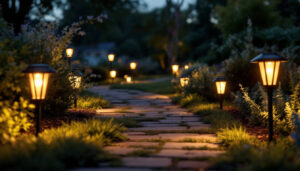
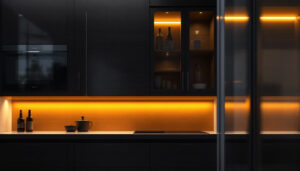
Functional lighting covers practical needs like pathways, staircases, and restrooms. Safety is paramount, especially in dimly lit venues. LED strip lights or floor-level fixtures can discreetly illuminate these areas without disrupting the ambiance. Thoughtful placement of these lights can guide guests seamlessly throughout the venue, ensuring that they feel comfortable and secure as they navigate the space.
Contractors must ensure that all wiring and fixtures comply with local safety codes and venue regulations. Temporary installations should be secure and unobtrusive, minimizing trip hazards and visual clutter. Additionally, incorporating motion-sensor lights in less-trafficked areas can enhance safety while conserving energy. This attention to detail not only prioritizes guest safety but also reflects the couple’s commitment to creating an enjoyable experience for everyone in attendance.
Dynamic Lighting for Entertainment
The dance floor is where lighting takes on a more energetic role. Moving head fixtures, color changers, and strobe lights can transform the space into a vibrant party zone. However, moderation is key. Overly aggressive lighting can overwhelm guests and detract from the celebration. Instead, using softer colors and gradual transitions can maintain an inviting atmosphere while still encouraging guests to hit the dance floor.
Synchronizing lighting with music enhances the experience. DMX controllers and lighting consoles allow operators to program sequences that match the DJ’s playlist or live band’s set. This coordination requires clear communication with the entertainment team and thorough rehearsals. Additionally, incorporating special effects like fog machines or bubble machines can amplify the visual impact of the lighting, creating a captivating environment that encourages guests to let loose and enjoy the festivities. The combination of light, sound, and movement can elevate the overall energy of the reception, making it a memorable celebration for all involved.
Streamlining the Setup Process
Pre-Event Planning and Communication
Effective communication with clients and other vendors is the foundation of a smooth lighting installation. Contractors should request detailed floor plans, event schedules, and décor themes well in advance. This information helps tailor the lighting design to the couple’s vision and logistical realities. By establishing clear lines of communication early on, contractors can also set expectations regarding timelines and potential challenges, ensuring that everyone is on the same page as the event date approaches.
Site visits are invaluable. Walking through the venue with the event planner or coordinator allows contractors to identify potential challenges and opportunities. Taking photos and measurements during these visits aids in equipment selection and placement planning. Additionally, discussing the venue’s unique features—such as architectural elements or existing lighting conditions—can inspire creative lighting solutions that enhance the overall aesthetic. Engaging in these collaborative discussions fosters a sense of partnership and can lead to innovative ideas that elevate the event experience.
Choosing the Right Equipment
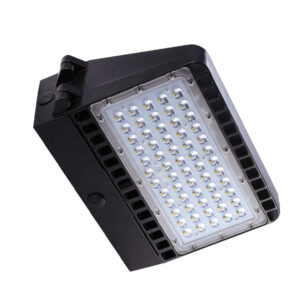
Portability and ease of setup are critical. Lightweight LED fixtures with wireless control reduce setup time and minimize cable clutter. Battery-powered uplights and battery-operated pin spots are gaining popularity for their flexibility, especially in venues with limited power access. Furthermore, the use of smart lighting technology allows for real-time adjustments, enabling contractors to adapt to changing conditions or client preferences on the fly. This adaptability not only enhances the visual impact but also ensures that the lighting remains aligned with the event’s evolving narrative.
Investing in versatile fixtures that serve multiple purposes—such as lights that can switch between static and dynamic modes—can simplify inventory and reduce the number of units needed on site. Moreover, having a range of color options and effects available at the contractor’s fingertips allows for quick customization, ensuring that the lighting design can be tailored to match the mood of each segment of the event, from the romantic ambiance of the ceremony to the vibrant energy of the reception.
Efficient Rigging and Cabling
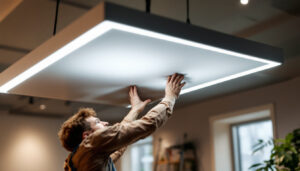
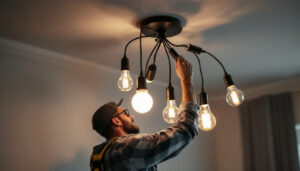
Contractors should develop standardized rigging solutions that can be quickly adapted to different venues. Truss systems, clamps, and mounts designed for rapid assembly save valuable time. Cable management is equally important; neatly bundled cables not only look professional but also reduce setup hazards. Implementing a systematic approach to rigging can also facilitate quicker breakdowns post-event, allowing contractors to leave the venue in pristine condition while maximizing their efficiency.
Labeling cables and connectors ensures quick troubleshooting during the event. Color-coded or numbered tags can speed up the identification process, especially when multiple lighting zones are involved. Additionally, creating a comprehensive inventory checklist for all equipment can prevent last-minute surprises and ensure that nothing is overlooked. This proactive approach not only streamlines the setup process but also instills confidence in clients, knowing that every detail is accounted for and managed with precision.
Optimizing Control and Flexibility
Implementing Intelligent Lighting Controls
Modern lighting systems offer sophisticated control options that simplify operation during the event. Wireless DMX and touchscreen consoles allow operators to adjust lighting scenes on the fly without physically accessing fixtures.
Pre-programmed scenes corresponding to different reception phases-such as “Dinner,” “Speeches,” and “Dance Party”-enable quick transitions. This reduces the need for constant manual adjustments and allows the operator to focus on timing and coordination.
Backup Plans and Redundancies
Technical glitches can happen. Contractors should prepare backup equipment, including spare fixtures, cables, and control devices. Having a contingency plan minimizes disruptions and maintains the event’s flow.
Testing all equipment before the event and conducting a full run-through with the client or event coordinator helps identify potential issues early. This proactive approach builds trust and confidence.
Final Thoughts: Balancing Artistry and Practicality
Wedding reception lighting is both an art and a science. Contractors who understand the emotional impact of lighting and combine it with meticulous planning and technical expertise deliver exceptional results. Simplifying the process through effective communication, smart equipment choices, and flexible control systems makes the job more manageable and the outcome more impressive.
By focusing on the unique needs of wedding receptions and anticipating challenges, lighting contractors can create memorable experiences that enhance the couple’s special day. The right lighting doesn’t just brighten a room-it brings the celebration to life.
Illuminate Your Weddings with LumenWholesale
Ready to transform wedding receptions into luminous tales of romance and joy? At LumenWholesale, we provide lighting contractors with the finest, spec-grade lighting solutions at prices that shine as brightly as your installations. Say goodbye to local distributor markups and hello to our extensive selection of premium lighting that meets rigorous industry standards. With free shipping on bulk orders, LumenWholesale is your go-to source for quality and value, ensuring every wedding reception you light up is enchanting and unforgettable. Elevate your lighting game and discover wholesale lighting at the best value today!