Choosing the right lighting fixtures for residential spaces is a critical task for lighting contractors. It involves not only understanding the aesthetic preferences of homeowners but also ensuring functionality, energy efficiency, and compliance with safety standards. This guide aims to provide valuable insights into selecting the perfect lighting fixtures for various home environments.
Understanding the Basics of Lighting
Before diving into the specifics of lighting fixtures, it is essential to grasp the fundamental concepts of lighting design. Lighting can be categorized into three primary types: ambient, task, and accent lighting. Each type serves a unique purpose and contributes to the overall atmosphere of a space.
Ambient Lighting
Ambient lighting, often referred to as general lighting, provides a uniform level of illumination throughout a room. It is typically achieved through ceiling-mounted fixtures, chandeliers, or wall sconces. The goal of ambient lighting is to create a comfortable and inviting environment, ensuring that all areas of the room are adequately lit. In addition to traditional fixtures, natural light can also play a significant role in ambient lighting. Large windows, skylights, and light wells can flood a space with daylight, reducing the need for artificial lighting during the day and contributing to a more sustainable design. The color temperature of ambient lighting is also an important consideration; warmer tones can create a cozy atmosphere, while cooler tones can evoke a more energetic feel.
Task Lighting
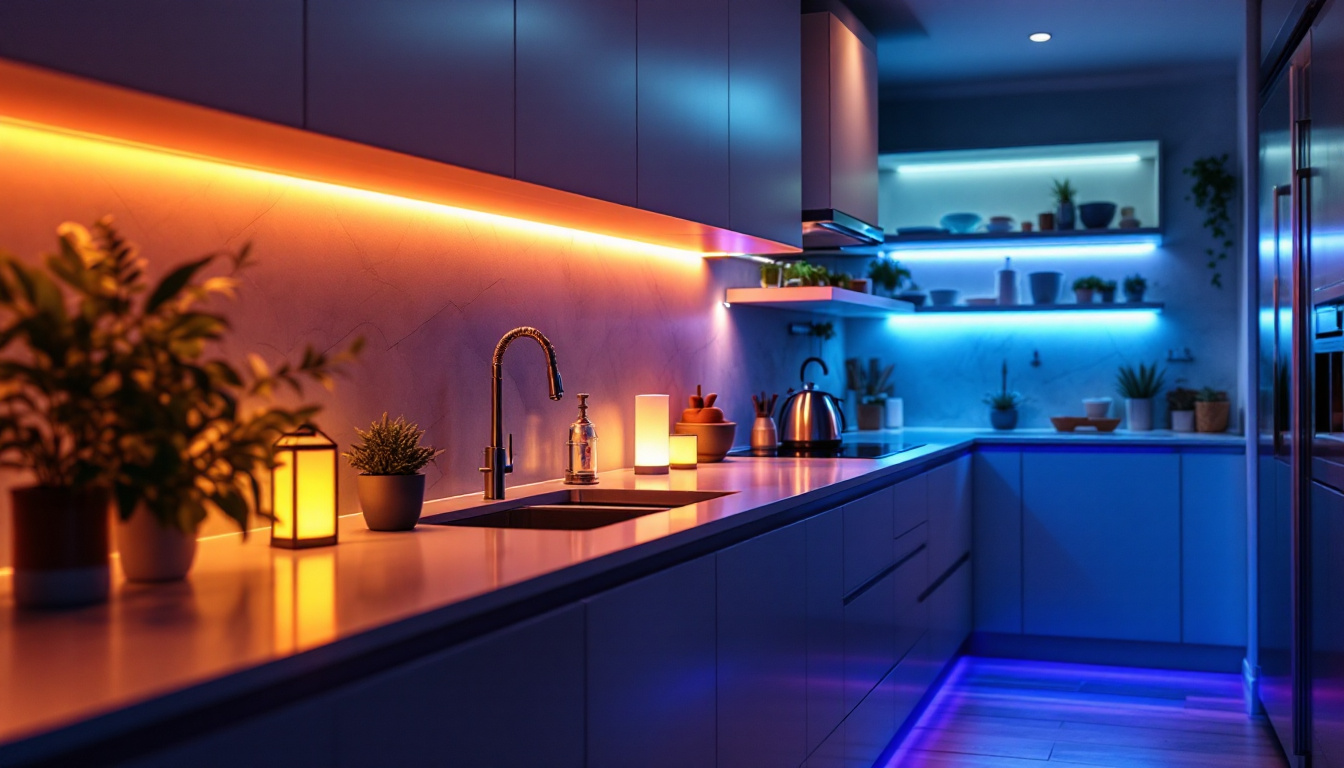
Task lighting is more focused and is designed to illuminate specific areas where activities such as reading, cooking, or working take place. Common examples include under-cabinet lights in kitchens, desk lamps in home offices, and bedside lamps in bedrooms. When selecting task lighting, it is crucial to consider the intensity and direction of the light to reduce eye strain and enhance productivity. Furthermore, the design of task lighting can also enhance the aesthetics of a space; for instance, a sleek, modern desk lamp can serve as both a functional tool and a stylish accessory. Dimming options for task lighting can provide versatility, allowing users to adjust the brightness according to their needs, whether they are engaged in detailed work or simply unwinding with a book.
Accent Lighting
Accent lighting adds drama and interest to a space by highlighting architectural features, artwork, or decorative elements. This type of lighting is typically achieved through spotlights, track lighting, or wall-mounted fixtures. Accent lighting should be used strategically to create focal points and enhance the overall design of the room. The placement and intensity of accent lighting can dramatically alter the perception of a space; for example, well-placed lighting can make a small room feel larger or draw attention to a beautiful piece of art. Additionally, color-changing LED lights can be employed in accent lighting to create dynamic effects, allowing homeowners to customize their environment according to mood or occasion. By layering accent lighting with ambient and task lighting, one can achieve a harmonious balance that elevates the entire interior design.
Factors to Consider When Choosing Lighting Fixtures
When selecting lighting fixtures for a home, several factors must be taken into account. These considerations will help ensure that the chosen fixtures not only meet the aesthetic desires of the homeowner but also fulfill practical needs.
Style and Aesthetics
The style of lighting fixtures should complement the overall design theme of the home. Whether the space is modern, traditional, or eclectic, the fixtures should enhance the visual appeal without overwhelming the existing decor. Lighting contractors should present a variety of options, including contemporary pendant lights, vintage chandeliers, and minimalist wall sconces, to cater to diverse tastes.
Functionality and Placement
Understanding the functionality of each space is vital when selecting lighting fixtures. For instance, a kitchen requires bright, focused lighting for food preparation, while a living room may benefit from softer, ambient lighting for relaxation. Additionally, the placement of fixtures should be carefully considered to avoid shadows and ensure even distribution of light. Contractors should assess the layout of each room and recommend fixtures that enhance both functionality and comfort.
Energy Efficiency
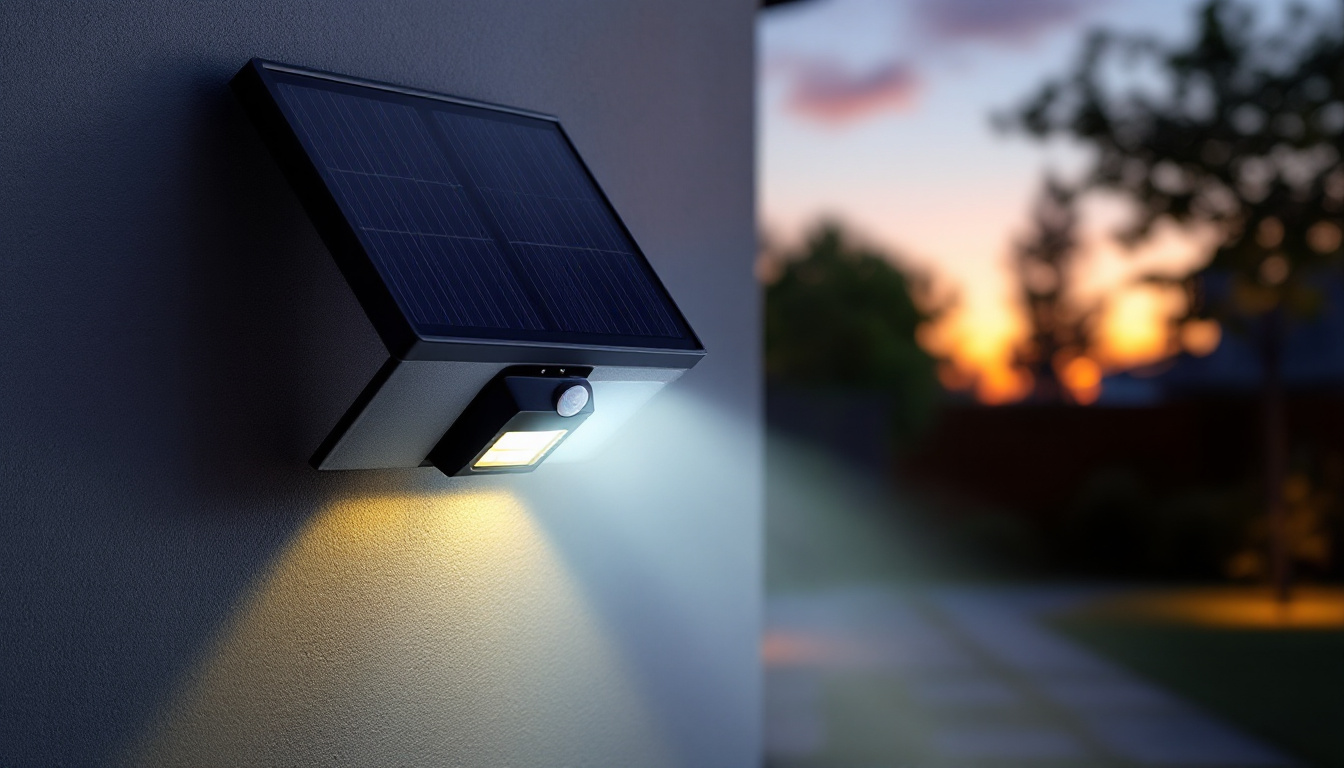
With the growing emphasis on sustainability, energy-efficient lighting has become a priority for many homeowners. LED fixtures are an excellent choice due to their long lifespan and low energy consumption. When discussing options with clients, lighting contractors should highlight the benefits of energy-efficient solutions, including potential cost savings on electricity bills and reduced environmental impact.
Types of Lighting Fixtures
There is a wide array of lighting fixtures available on the market, each designed for specific applications and styles. Understanding the various types can help contractors make informed recommendations to their clients.
Ceiling Fixtures
Ceiling fixtures are a staple in most homes and come in various styles, including flush mounts, semi-flush mounts, and chandeliers. Flush mounts are ideal for rooms with low ceilings, while chandeliers can serve as a stunning focal point in dining areas or entryways. When selecting ceiling fixtures, consider the height of the ceiling, the size of the room, and the desired ambiance.
Wall Sconces
Wall sconces are versatile fixtures that can be used for both ambient and accent lighting. They are particularly effective in hallways, staircases, and living rooms, where they can provide additional light without taking up valuable floor space. When choosing wall sconces, consider the height at which they will be installed and the direction of the light they emit.
Pendant Lights
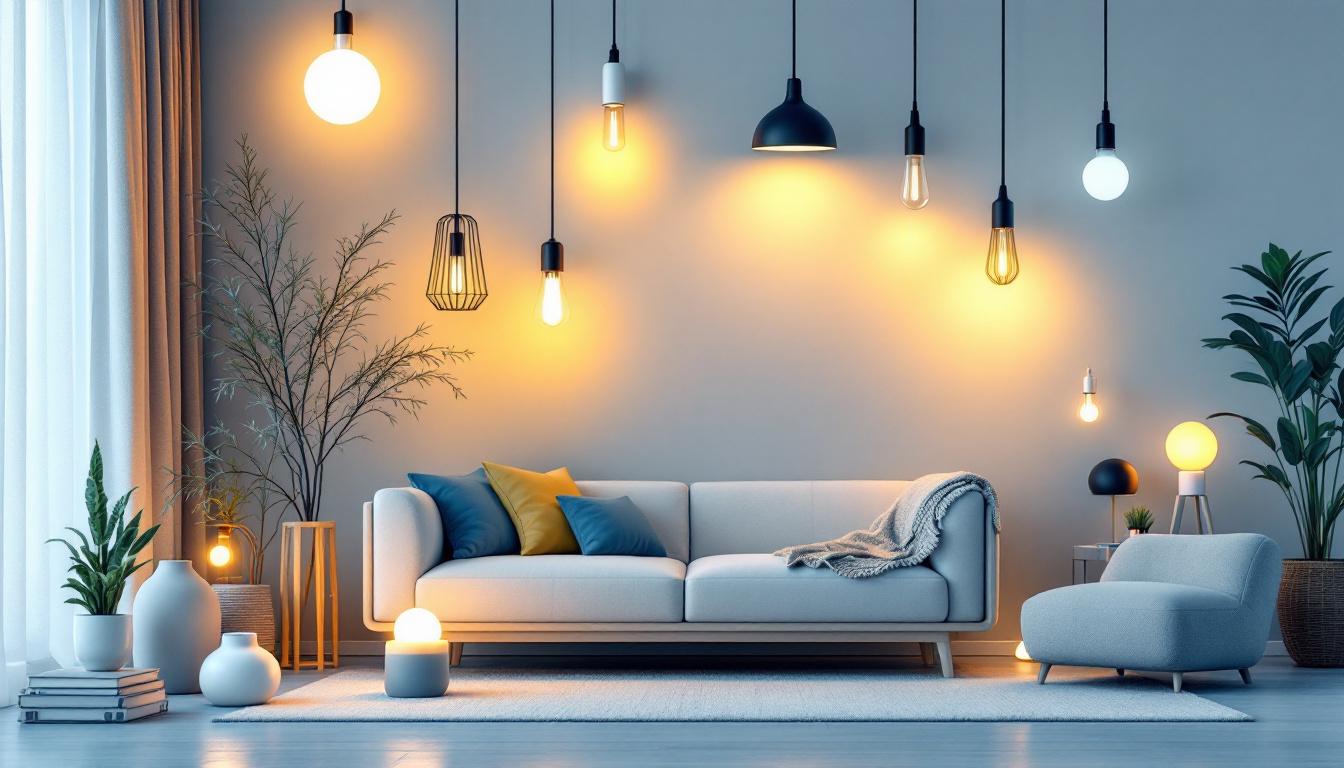
Pendant lights are a popular choice for kitchens and dining areas, offering both style and functionality. They can be hung individually or in clusters to create a dramatic effect. When selecting pendant lights, it is essential to consider the scale of the space and the height of the ceiling to ensure proper proportions.
Lighting Technology Trends
The lighting industry is continually evolving, with new technologies emerging that enhance both functionality and aesthetics. Staying informed about these trends can help lighting contractors provide cutting-edge solutions to their clients.
Smart Lighting
Smart lighting systems allow homeowners to control their lighting through mobile apps or voice commands. This technology offers convenience and flexibility, enabling users to adjust brightness, color temperature, and even set schedules for their lights. Lighting contractors should familiarize themselves with smart lighting options and be prepared to offer installation services for these systems.
Color Temperature and Dimming Options
Understanding color temperature is crucial when selecting lighting fixtures, as it affects the mood and functionality of a space. Warm white light (2700K-3000K) is ideal for creating a cozy atmosphere, while cool white light (3500K-4100K) is better suited for task-oriented areas. Additionally, dimming options allow homeowners to adjust the intensity of light, providing versatility for different activities and times of day.
Compliance and Safety Standards
Lighting contractors must be aware of local building codes and safety standards when selecting and installing lighting fixtures. Compliance ensures that the fixtures are safe for use and meet the necessary regulations.
Electrical Safety
All lighting fixtures should be installed according to electrical codes to prevent hazards such as short circuits or fire risks. Contractors should ensure that the fixtures are rated for their intended use and that wiring is properly installed and secured. It is also essential to use appropriate circuit breakers and fuses to protect the electrical system.
Energy Codes
Many regions have implemented energy codes that dictate the efficiency of lighting systems in residential buildings. Contractors should be familiar with these codes to ensure that the fixtures they recommend meet the required energy efficiency standards. This knowledge not only helps in compliance but also positions contractors as knowledgeable professionals in the eyes of their clients.
Installation Tips for Lighting Contractors
Proper installation is key to the performance and longevity of lighting fixtures. Here are some essential tips for lighting contractors to consider during the installation process.
Planning the Layout
Before installation, it is crucial to plan the layout of the lighting fixtures. This involves considering the size and shape of the room, the height of the ceilings, and the intended use of the space. Creating a lighting plan can help visualize how the fixtures will interact and ensure even distribution of light.
Using the Right Tools
Having the right tools for installation is essential for achieving a professional finish. This includes basic tools such as screwdrivers, drills, and wire strippers, as well as specialized tools for specific fixtures. Contractors should also ensure they have safety equipment, such as gloves and goggles, to protect themselves during the installation process.
Testing and Adjusting
After installation, it is important to test the fixtures to ensure they are functioning correctly. This includes checking for flickering lights, ensuring that dimmers work properly, and confirming that the light output meets the homeowner’s expectations. Adjustments may be necessary to achieve the desired lighting effect.
Conclusion
Selecting the right lighting fixtures for residential spaces is a multifaceted process that requires careful consideration of style, functionality, energy efficiency, and compliance with safety standards. By understanding the various types of lighting, staying informed about industry trends, and adhering to best practices for installation, lighting contractors can provide exceptional service to their clients.
Ultimately, the goal is to create beautiful, functional, and safe lighting solutions that enhance the quality of life for homeowners. By following this guide, lighting contractors can navigate the complexities of lighting design and installation with confidence, ensuring satisfaction for both themselves and their clients.
Discover Unmatched Lighting Solutions with LumenWholesale
Ready to elevate your lighting projects with the finest selection of fixtures? Look no further than LumenWholesale, where we offer contractors an unbeatable combination of quality, affordability, and convenience. Dive into our extensive range of spec-grade lighting products at wholesale prices and say goodbye to inflated markups. With free shipping on bulk orders, you can trust that you’re getting the best value for your investment. Don’t compromise on excellence—choose LumenWholesale for your lighting needs and make your next installation a shining success. Explore our collection and take advantage of Wholesale Lighting at the Best Value today.