Understanding the Importance of Future-Proofing in Lighting Projects
For lighting contractors working in Phoenix, the rapidly evolving landscape of lighting technology presents both opportunities and challenges. As consumer expectations shift towards energy efficiency, smart home integration, and sustainability, the demand for lighting solutions that remain relevant and functional over time has never been higher.
Future-proofing lighting projects means designing and selecting fixtures and systems that can adapt to technological advancements, regulatory changes, and evolving aesthetic preferences without requiring costly replacements or extensive retrofits. This approach not only safeguards investments but also enhances client satisfaction and positions contractors as forward-thinking professionals in a competitive market.
The Growing Demand for Energy Efficiency and Smart Lighting
Energy consumption is a significant concern in Phoenix, where high temperatures drive extensive use of air conditioning and lighting. According to the U.S. Department of Energy, lighting accounts for approximately 15% of total electricity consumption in commercial buildings, making energy-efficient lighting solutions essential.
Smart lighting systems, which allow remote control, automation, and integration with other building systems, are becoming increasingly popular. These systems can reduce energy waste by adjusting lighting based on occupancy, natural light availability, and time of day. Contractors who incorporate smart technology into their projects can offer clients long-term savings and enhanced convenience.
Moreover, the integration of IoT (Internet of Things) technology into lighting systems is revolutionizing the way spaces are illuminated. With the ability to connect to the internet, smart lighting fixtures can be monitored and controlled from anywhere, providing users with unprecedented flexibility. This capability is particularly appealing to businesses that operate in flexible work environments, where lighting needs may change throughout the day. By installing adaptable lighting solutions, contractors can help clients create dynamic spaces that not only meet current demands but also anticipate future needs.
Additionally, as sustainability becomes a central focus for many organizations, the role of lighting in achieving green building certifications, such as LEED (Leadership in Energy and Environmental Design), cannot be overlooked. Future-proofing lighting projects with energy-efficient fixtures and smart controls can contribute significantly to a building’s overall sustainability goals. This not only helps clients reduce their carbon footprint but also enhances their brand image in an increasingly eco-conscious marketplace. As a result, lighting contractors who prioritize future-proofing are not just meeting client expectations; they are also playing a vital role in the broader movement towards sustainable development.
Choosing the Right Light Fixtures: Key Considerations for Longevity
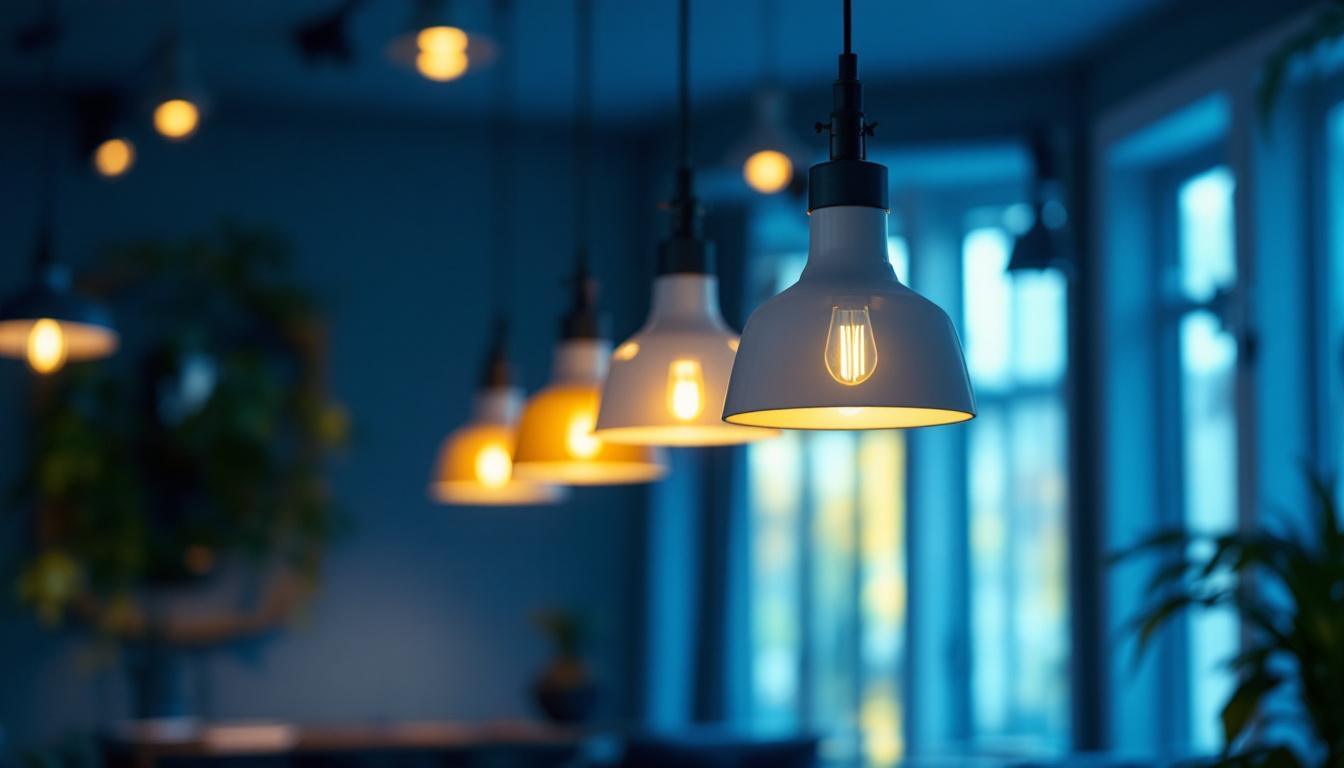
Selecting light fixtures from Phoenix stores that prioritize durability, compatibility, and adaptability is critical to future-proofing. Contractors should evaluate fixtures not only on immediate performance but also on how well they will integrate with future technologies and comply with upcoming regulations.
Opt for LED Lighting and Modular Designs
LED technology has revolutionized the lighting industry by offering superior energy efficiency, longer lifespan, and reduced maintenance compared to traditional incandescent or fluorescent bulbs. LEDs consume up to 75% less energy and can last 25 times longer, making them a cornerstone of sustainable lighting projects.
Modular fixture designs allow for easy upgrades and component replacements without discarding the entire unit. This flexibility enables contractors to swap out outdated parts, such as drivers or control modules, as new technologies emerge, extending the fixture’s useful life. Furthermore, modular designs can accommodate various aesthetic preferences, allowing clients to customize their lighting solutions without compromising on functionality.
Compatibility with Smart Controls and IoT Integration
Light fixtures that support standard communication protocols like Zigbee, Z-Wave, or Wi-Fi facilitate seamless integration with smart home and building management systems. Contractors should prioritize fixtures equipped with open-standard interfaces to avoid vendor lock-in and ensure interoperability with a wide range of control platforms.
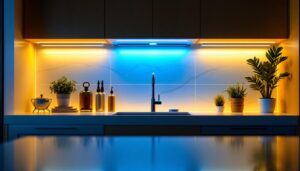
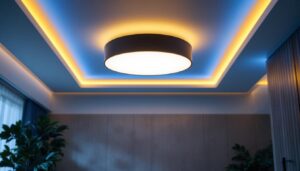
Additionally, fixtures that support dimming, color tuning, and occupancy sensing provide enhanced functionality and adaptability, catering to diverse client needs and future technological trends. The ability to adjust lighting based on time of day or occupancy not only enhances user comfort but also contributes to energy savings, making smart lighting an attractive choice for both residential and commercial applications. As the demand for energy-efficient solutions grows, integrating these advanced features will position contractors as forward-thinking professionals in the lighting industry.
Leveraging Local Light Fixture Stores in Phoenix for Tailored Solutions
Working closely with local light fixture stores in Phoenix offers contractors unique advantages in sourcing products that meet regional demands and comply with local codes. These stores often provide personalized service, expert advice, and access to a curated selection of fixtures suited for the desert climate and architectural styles prevalent in the area.
Understanding Regional Climate Impacts on Lighting Choices
Phoenix’s intense sunlight and high temperatures necessitate fixtures with robust heat dissipation and UV resistance. Fixtures designed for harsh environments reduce the risk of premature failure and maintain performance over time. Local stores typically stock products tested for these conditions, ensuring reliability.
Moreover, exterior lighting solutions must address dust and sand exposure. Selecting fixtures with appropriate ingress protection (IP) ratings is essential to prevent damage and maintain safety standards. This is particularly important in residential and commercial properties where the longevity of the fixtures can significantly impact maintenance costs and aesthetic appeal.
Contractors can also explore options that incorporate energy-efficient technologies, such as LED fixtures that not only withstand the elements but also contribute to lower energy bills. The combination of durability and efficiency makes these products an ideal choice for the Phoenix market, where energy consumption can be a significant concern due to the extensive use of air conditioning.
Access to Emerging Technologies and Sustainable Options
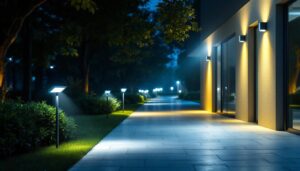
Local suppliers often have early access to new lighting technologies and sustainable products that align with Arizona’s energy codes and incentive programs. Contractors can benefit from partnerships with these stores to stay ahead of trends such as solar-powered lighting, advanced sensors, and recyclable materials.
Additionally, local stores may offer training sessions, demonstrations, and technical support, empowering contractors to confidently implement innovative solutions and educate their clients. These educational opportunities not only enhance the contractor’s knowledge but also foster a culture of sustainability and innovation within the community.
Furthermore, many local light fixture stores are increasingly prioritizing eco-friendly options, such as fixtures made from recycled materials or those that utilize biodegradable components. This commitment to sustainability resonates with a growing number of consumers who are looking for ways to reduce their carbon footprint. By collaborating with these stores, contractors can not only provide clients with cutting-edge lighting solutions but also contribute to a greener future, making their projects more appealing in an environmentally conscious market.
Incorporating Smart Lighting Controls for Enhanced Flexibility
Smart controls are at the forefront of future-proof lighting projects. They enable dynamic lighting environments that can be customized, automated, and optimized for energy savings and user comfort.
Types of Smart Controls and Their Benefits
Occupancy sensors automatically turn lights on or off based on presence, reducing unnecessary energy use. Daylight harvesting systems adjust artificial lighting in response to natural light levels, enhancing efficiency.
Mobile apps and voice control integration provide users with intuitive ways to manage lighting settings, improving accessibility and convenience. Scene setting and scheduling features allow for tailored lighting experiences that can adapt to different activities and times of day.
Planning for Scalability and Integration
When designing lighting control systems, contractors should consider scalability to accommodate future expansions or technology upgrades. Choosing platforms that support firmware updates and additional devices ensures longevity and adaptability.
Integration with other building systems, such as HVAC and security, can create synergistic benefits, including improved energy management and enhanced occupant comfort. Open protocols and standardized interfaces facilitate such integrations.
Compliance and Sustainability: Meeting Regulatory and Environmental Standards
Future-proof lighting projects must align with evolving regulatory frameworks and sustainability goals. Contractors in Phoenix should stay informed about local and federal codes, energy efficiency standards, and incentive programs.
Adhering to Energy Codes and Certification Programs
Arizona’s energy codes mandate minimum efficiency levels for lighting systems in new construction and renovations. Compliance not only avoids penalties but also qualifies projects for rebates and tax incentives.
Certification programs such as ENERGY STAR and DesignLights Consortium (DLC) provide benchmarks for high-performance lighting products. Specifying certified fixtures assures clients of quality and efficiency.
Emphasizing Sustainable Materials and Practices
Using fixtures made from recyclable or sustainably sourced materials reduces environmental impact. Contractors can also promote practices like proper disposal of old fixtures and bulbs, and the use of low-impact packaging.
Incorporating daylighting strategies and maximizing natural light reduces reliance on artificial lighting, further enhancing sustainability.
Case Studies: Successful Future-Proof Lighting Projects in Phoenix
Examining real-world examples provides valuable insights into best practices and innovative approaches that have proven effective in the Phoenix market.
Commercial Office Retrofit with Smart LED Fixtures
A Phoenix-based office building underwent a lighting retrofit that replaced outdated fluorescent fixtures with modular LED systems integrated with occupancy sensors and daylight harvesting controls. The project achieved a 60% reduction in lighting energy consumption and improved occupant satisfaction through customizable lighting scenes.
The use of fixtures compatible with open-standard smart controls allowed the building management to easily expand the system and integrate it with HVAC controls, demonstrating scalability and interoperability.
Residential Community Incorporating Solar-Powered Exterior Lighting
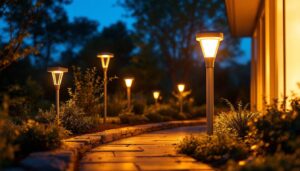
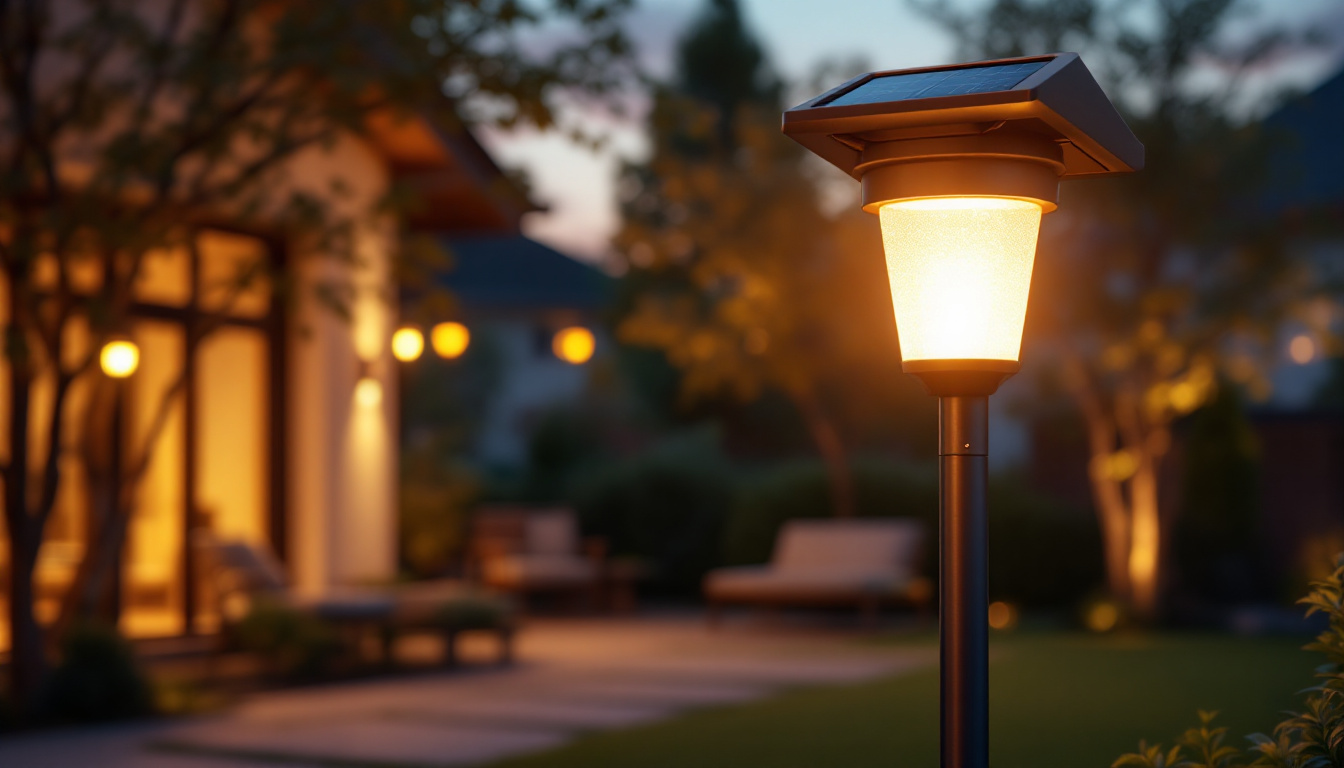
A residential development in the outskirts of Phoenix implemented solar-powered LED street and landscape lighting with smart dimming capabilities. This approach addressed energy costs and environmental concerns while providing reliable illumination in a remote location.
The modular design of the fixtures enabled easy maintenance and future upgrades, ensuring the community’s lighting infrastructure remains current and efficient.
Conclusion: Building a Resilient Lighting Future in Phoenix
For lighting contractors in Phoenix, future-proofing lighting projects is a strategic imperative that combines technological foresight, local expertise, and sustainable practices. By selecting adaptable, energy-efficient fixtures, leveraging smart controls, and partnering with knowledgeable local suppliers, contractors can deliver lighting solutions that stand the test of time.
Staying informed about regulatory changes and emerging technologies empowers contractors to guide clients through the complexities of modern lighting design, ensuring projects are not only functional and attractive today but also prepared for the innovations of tomorrow.
Secure Your Lighting Future with LumenWholesale
Ready to elevate your lighting projects in Phoenix with future-proof solutions? Look no further than LumenWholesale, where we specialize in providing contractors with high-quality, specification-grade lighting products at unbeatable wholesale prices. Say goodbye to local distributor markups and hello to a vast selection of industry-standard, reliable lighting options that will keep your projects shining for years to come. With free shipping on bulk orders, LumenWholesale is your go-to source for premium lighting without the premium price tag. Discover the best value in wholesale lighting and make the smart choice for your next project today.