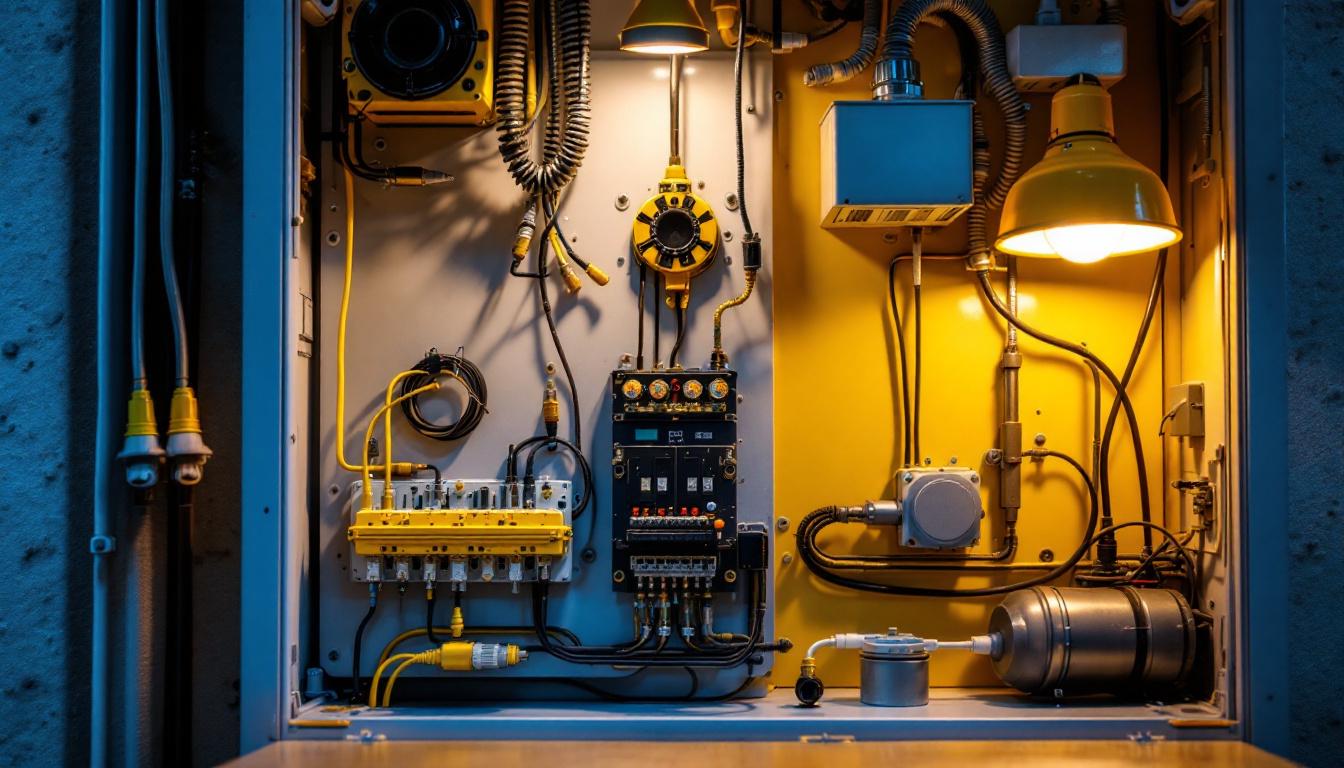
The electrical box exterior plays a crucial role in the overall functionality and safety of lighting installations. As lighting contractors frequently encounter various challenges and considerations surrounding electrical boxes, it’s essential to address common questions that arise in this field. This article delves into the intricacies of electrical box exteriors, providing insights and answers to help lighting contractors navigate their projects more effectively.
Understanding Electrical Box Exteriors
Electrical box exteriors serve as protective enclosures for wiring connections and electrical components. They are designed to ensure safety, prevent moisture intrusion, and facilitate easy access for maintenance and upgrades. Understanding the different types of electrical boxes and their applications is vital for any lighting contractor. Properly chosen and installed electrical boxes not only enhance the longevity of electrical systems but also contribute to the overall safety of the installation, minimizing the risk of electrical hazards.
Types of Electrical Boxes
Electrical boxes come in various types, each suited for specific applications. The most common types include:
- Standard Junction Boxes: Used for general wiring connections, these boxes are typically made of plastic or metal and can accommodate multiple wires.
- Weatherproof Boxes: Ideal for outdoor installations, these boxes are designed to withstand moisture and harsh environmental conditions.
- Surface-Mounted Boxes: These boxes are mounted on the surface of walls or ceilings, making them suitable for retrofitting in existing structures.
Each type of box has its own unique features and benefits, and understanding these can help contractors choose the right box for their specific lighting project. For instance, while standard junction boxes are versatile, they may not provide the necessary protection against the elements in outdoor settings, where weatherproof boxes would be essential. Additionally, surface-mounted boxes can be a practical solution for spaces where traditional recessed boxes cannot be installed due to structural constraints.
Material Considerations
The material of an electrical box can significantly impact its performance and durability. Common materials include:
- Plastic: Lightweight and resistant to corrosion, plastic boxes are often used in residential applications.
- Metal: Known for their strength and durability, metal boxes are preferred in commercial settings where additional protection is needed.
When selecting materials, contractors should consider factors such as the installation environment, local building codes, and the specific requirements of the lighting system being installed. Furthermore, the choice of material can also affect the ease of installation; for example, plastic boxes typically feature integrated cable clamps, simplifying the wiring process. Conversely, metal boxes may require additional grounding measures to ensure safety, which can add to the complexity of the installation. Understanding these nuances helps contractors make informed decisions that align with both safety standards and project specifications.
Installation Best Practices
Proper installation of electrical boxes is critical to ensuring safety and functionality. Lighting contractors should adhere to best practices to avoid common pitfalls and ensure compliance with electrical codes. Neglecting these practices can lead to hazardous situations, including electrical shorts or even fire hazards, making it imperative for contractors to stay informed and cautious throughout the installation process.
Box Placement and Accessibility
One of the key considerations in electrical box installation is placement. Boxes should be positioned to allow for easy access while minimizing the risk of damage. Here are some guidelines to follow:
- Install boxes at a height that is accessible for maintenance and adjustments.
- Avoid placing boxes in areas prone to moisture or physical damage.
- Ensure that boxes are securely mounted to prevent movement or displacement.
By adhering to these guidelines, contractors can enhance the longevity and reliability of their lighting installations. Furthermore, considering the layout of the space can significantly impact the effectiveness of the lighting. For instance, placing boxes in strategic locations can help achieve optimal light distribution, reducing the need for additional fixtures and saving on energy costs. Additionally, it’s advisable to plan for future changes in the space, allowing for easy modifications without the need for extensive rewiring.
Sealing and Weatherproofing
For outdoor installations, sealing and weatherproofing electrical boxes is essential to prevent moisture intrusion. Contractors should consider the following:
- Use weatherproof boxes specifically designed for outdoor use.
- Apply appropriate sealants around the box edges to create a watertight seal.
- Ensure that all conduit entries are properly sealed to prevent water ingress.
Implementing these practices will help protect electrical components and ensure the safety of the lighting system. In addition to moisture protection, it’s crucial to consider the impact of temperature fluctuations on outdoor electrical installations. Extreme heat or cold can affect the integrity of the materials used, potentially leading to premature failures. Therefore, selecting materials rated for the specific environmental conditions of the installation site is vital. Moreover, regular inspections of outdoor boxes can help identify any wear or damage early, allowing for timely maintenance and reducing the risk of system failures.
Common Issues and Troubleshooting
Even with careful planning and installation, issues can arise with electrical boxes. Understanding common problems and their solutions can save contractors time and effort in the long run.
Overheating and Electrical Fires
One of the most serious issues that can occur with electrical boxes is overheating, which can lead to electrical fires. This problem often arises from:
- Overloading the box with too many wires or devices.
- Poor connections that generate excess heat.
To mitigate these risks, contractors should ensure that the box is appropriately rated for the load it will carry and that all connections are secure and properly made. Regular inspections can also help identify potential issues before they escalate; for instance, using thermal imaging cameras can reveal hot spots in the wiring that may not be visible to the naked eye. Additionally, implementing circuit breakers that are designed to trip when overheating occurs can provide an extra layer of safety, preventing catastrophic failures and ensuring that the electrical system operates within safe parameters.
Moisture Damage
Moisture can cause significant damage to electrical components, leading to malfunctions and safety hazards. Common signs of moisture damage include:
- Corrosion on wires and connections.
- Visible water stains or rust on the box exterior.
To address moisture issues, contractors should inspect the sealing and weatherproofing of the box regularly, especially after severe weather events. It’s also wise to consider the installation of moisture-resistant materials and coatings that can help protect against water ingress. Furthermore, ensuring proper drainage around the installation site can prevent water accumulation, which is a common contributor to moisture-related problems. In environments prone to high humidity or exposure to water, using specially designed outdoor-rated electrical boxes can significantly reduce the risk of moisture damage, thereby enhancing the longevity and reliability of the electrical system.
Compliance with Electrical Codes
Compliance with local electrical codes is a critical aspect of any lighting installation. Understanding the relevant codes can help contractors avoid penalties and ensure the safety of their work.
National Electrical Code (NEC) Guidelines
The National Electrical Code (NEC) provides guidelines that govern the installation of electrical systems, including the use of electrical boxes. Key points to consider include:
- Box fill calculations to ensure that the box is not overloaded.
- Requirements for securing boxes to prevent movement.
Contractors should familiarize themselves with the NEC guidelines applicable in their area to ensure compliance and safety.
Local Building Codes
In addition to the NEC, local building codes may impose additional requirements for electrical installations. These can vary significantly by region and may include:
- Specific materials that must be used for electrical boxes.
- Additional sealing requirements for outdoor installations.
Staying informed about local codes is essential for contractors to avoid costly mistakes and ensure the safety of their installations.
Future Trends in Electrical Box Design
The field of electrical box design is evolving, with new technologies and materials emerging to enhance safety and functionality. Understanding these trends can help contractors stay ahead in the industry.
Smart Electrical Boxes
As smart home technology becomes increasingly popular, the demand for smart electrical boxes is on the rise. These boxes can integrate with home automation systems, allowing for:
- Remote monitoring of electrical loads.
- Automatic alerts for potential issues, such as overheating or moisture intrusion.
Contractors who embrace these innovations can offer their clients enhanced control and safety features in their lighting systems.
Eco-Friendly Materials
With a growing emphasis on sustainability, the use of eco-friendly materials in electrical box construction is gaining traction. Options include:
- Recycled plastics and metals.
- Bamboo-based composites for lightweight and durable boxes.
By adopting environmentally friendly materials, contractors can contribute to sustainable building practices while meeting client demands for green solutions.
Conclusion
The electrical box exterior is a vital component of any lighting installation, and understanding its intricacies can significantly impact the success of a project. By addressing common questions and concerns, lighting contractors can enhance their knowledge, improve installation practices, and ensure compliance with safety standards.
As the industry continues to evolve, staying informed about new technologies and trends will empower contractors to deliver superior solutions to their clients. Whether it’s selecting the right type of box, adhering to best practices, or embracing innovative designs, a thorough understanding of electrical box exteriors is essential for success in the lighting contracting field.
Get Your Premium Lighting Supplies at LumenWholesale
Ready to elevate your lighting installations with the highest quality electrical boxes and lighting products? Look no further than LumenWholesale. Our spec-grade selection is designed to meet the rigorous demands of any project, ensuring you deliver excellence to your clients. With unbeatable wholesale prices and the convenience of free shipping on bulk orders, you can trust LumenWholesale to provide the best value without any hidden costs. Make your next project a shining success and browse our wholesale lighting solutions today.