Lighting contractors play a crucial role in ensuring that residential and commercial spaces are well-lit and aesthetically pleasing. One of the most versatile and popular lighting solutions is the ceiling fan with an integrated light fixture. Understanding the nuances of these fixtures is essential for contractors looking to provide the best service to their clients. This article delves into the essential facts about light fixtures for ceiling fans, covering everything from types and installation to energy efficiency and design considerations.
Understanding Ceiling Fan Light Fixtures
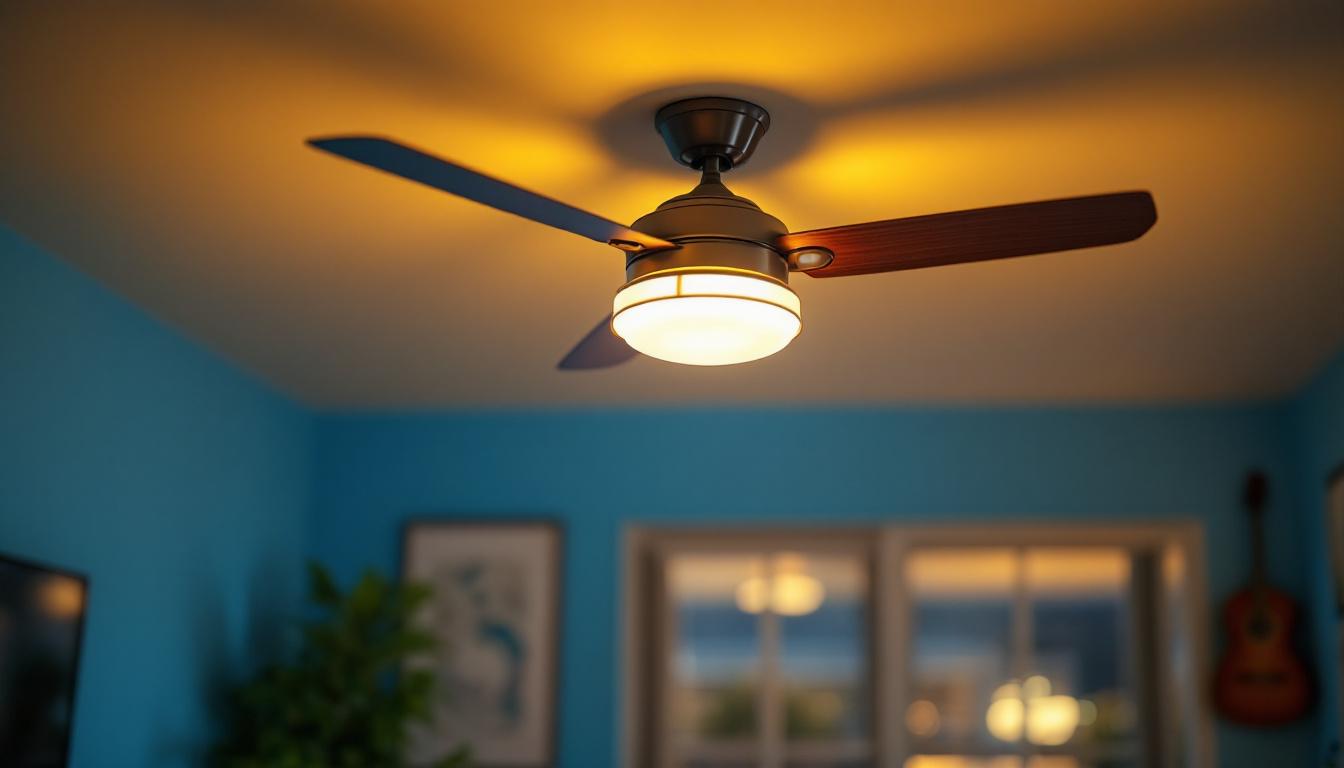
Ceiling fan light fixtures are designed to provide both illumination and air circulation, making them a practical choice for various settings. They come in various styles, sizes, and configurations, allowing for flexibility in design and functionality. The dual purpose of these fixtures not only enhances comfort but also contributes to energy efficiency, as they can reduce the need for separate lighting and cooling solutions.
Types of Ceiling Fan Light Fixtures
There are several types of light fixtures available for ceiling fans, each catering to different aesthetic preferences and functional needs. The most common types include:
- Integrated Light Fixtures: These are built directly into the fan design, offering a sleek and cohesive look. They often feature LED bulbs, which are energy-efficient and long-lasting. This integration not only simplifies the installation process but also allows for a more streamlined appearance that can complement modern interior designs.
- Light Kits: These are separate attachments that can be added to compatible ceiling fans. Light kits come in various styles and can be swapped out or upgraded as needed. This versatility allows homeowners to change the ambiance of a room without the need for a complete fan replacement, making it a cost-effective option for those who enjoy updating their decor.
- Downlight Fixtures: Often used for task lighting, downlights direct light downward and are perfect for illuminating specific areas, such as dining tables or kitchen islands. These fixtures can enhance functionality in spaces where focused lighting is essential, ensuring that activities like reading or cooking are well-lit.
Choosing the Right Fixture
When selecting a light fixture for a ceiling fan, several factors must be considered. The size of the room, the height of the ceiling, and the overall decor style all play a role in determining the best fit. A larger room may benefit from a fan with multiple light sources, while smaller spaces might only require a single, integrated fixture. Additionally, the style of the fan should harmonize with the existing decor; for instance, a rustic fan with a vintage light kit can enhance a farmhouse aesthetic.
Additionally, the color temperature of the bulbs should be considered. Warmer tones create a cozy atmosphere, while cooler tones can enhance focus and productivity. Understanding the client’s needs and preferences is key to making the right choice. Moreover, the placement of the fixture is crucial; a well-placed ceiling fan light can dramatically alter the perception of space, making a room feel larger or more inviting. It’s also important to consider dimmable options for added versatility, allowing users to adjust the brightness according to the time of day or activity, further enhancing the ambiance of the space.
Installation Considerations
Proper installation of ceiling fan light fixtures is critical for both safety and functionality. Lighting contractors must be well-versed in the installation process to ensure that the fixtures operate correctly and meet local building codes. An improperly installed ceiling fan can lead to a host of issues, from inefficient airflow to potential electrical hazards, making it essential for contractors to approach each installation with diligence and expertise.
Electrical Requirements
Before installation, it is essential to assess the electrical requirements of the fan and light fixture. Most ceiling fans require a dedicated circuit, especially if they are equipped with multiple light sources or advanced features like remote control or smart technology. Contractors should verify that the existing wiring can support the new installation and make any necessary upgrades. This may involve checking the circuit breaker capacity and ensuring that the wiring gauge is appropriate for the load, as underpowered circuits can lead to flickering lights or, worse, electrical fires.
Additionally, ensuring that the ceiling fan is securely mounted to the ceiling is vital. A fan that is not properly anchored can pose safety risks, particularly if it is equipped with a heavy light fixture. Using a fan-rated electrical box is crucial, as these are designed to support the weight and motion of ceiling fans. Moreover, contractors should consider the type of ceiling material when installing the fixture—different materials may require specific anchors or screws to ensure a safe and stable installation.
Height and Placement
The height at which a ceiling fan is installed can significantly impact its performance and aesthetic appeal. Ideally, the fan blades should be positioned 7 to 9 feet above the floor, allowing for optimal air circulation without obstructing movement. The light fixture should also be positioned to avoid glare and provide even illumination throughout the space. In addition to these considerations, the fan’s rotation direction should be adjusted according to the season; counterclockwise in summer for a cooling breeze, and clockwise in winter to circulate warm air.
In rooms with higher ceilings, downrod extensions may be necessary to achieve the ideal height. Contractors should consider the overall design of the room and the placement of furniture when determining the best location for the fan and light fixture. For instance, in a large living room, placing the fan in the center can create a focal point, while in smaller spaces, a flush mount may be more appropriate to maximize headroom. Additionally, the distance from the walls should be taken into account; ideally, the fan should be at least 18 inches away from any wall to ensure effective airflow and prevent any obstruction that could hinder its performance.
Energy Efficiency and Sustainability
As energy efficiency becomes increasingly important in the lighting industry, ceiling fan light fixtures are no exception. Many modern fixtures are designed with energy-saving features that can significantly reduce electricity consumption.
LED Technology
LED bulbs are a popular choice for ceiling fan light fixtures due to their longevity and energy efficiency. Unlike traditional incandescent bulbs, LEDs consume significantly less power and have a much longer lifespan, making them a cost-effective option for homeowners.
In addition to using LED bulbs, some ceiling fans come equipped with integrated dimming capabilities, allowing users to adjust the brightness according to their needs. This feature not only enhances comfort but also contributes to energy savings.
Smart Technology Integration
Smart ceiling fans with integrated light fixtures offer advanced features that enhance energy efficiency and user convenience. These fans can be controlled via smartphone apps or voice-activated devices, allowing users to adjust settings remotely. Some models even include sensors that automatically adjust the fan speed and light intensity based on room occupancy or natural light levels.
By incorporating smart technology, contractors can offer clients a modern solution that aligns with sustainability goals while providing enhanced comfort and convenience.
Design Considerations
The design of a ceiling fan light fixture should complement the overall decor of the space. Lighting contractors must consider the style, finish, and color of the fixture to ensure it harmonizes with the existing design elements.
Styles and Finishes
Ceiling fan light fixtures come in a variety of styles, from traditional to contemporary. Popular finishes include brushed nickel, oil-rubbed bronze, and matte black, each offering a distinct aesthetic. Contractors should be prepared to present clients with a range of options that suit their personal tastes and the overall design theme of the room.
In addition to style, the size of the fixture should also be taken into account. A large, ornate fixture may overwhelm a small room, while a minimalist design could get lost in a larger space. Balancing size and style is essential for achieving a cohesive look.
Color Temperature and Bulb Selection
The color temperature of the bulbs used in ceiling fan light fixtures can dramatically affect the ambiance of a room. Warmer tones (around 2700K) create a cozy and inviting atmosphere, making them ideal for living rooms and bedrooms. Cooler tones (above 4000K) are better suited for workspaces, kitchens, or areas where clarity and focus are paramount.
Contractors should educate clients about the importance of selecting the right color temperature and provide guidance on bulb options that align with their preferences and the intended use of the space.
Maintenance and Care
Regular maintenance of ceiling fan light fixtures is essential to ensure optimal performance and longevity. Lighting contractors should advise clients on best practices for cleaning and maintaining their fixtures.
Cleaning and Dusting
Ceiling fans and their light fixtures can accumulate dust and grime over time, which can affect both performance and aesthetics. Contractors should recommend a regular cleaning schedule, suggesting that clients dust the blades and wipe down the light fixtures with a soft cloth to prevent buildup.
For more thorough cleaning, it may be necessary to remove the light bulbs and fixtures to access hard-to-reach areas. Contractors can provide guidance on safely disassembling and reassembling fixtures to avoid damage.
Bulb Replacement
As bulbs reach the end of their lifespan, they will need to be replaced. Contractors should educate clients on how to identify when a bulb needs replacement and the proper steps to do so safely. This includes turning off the power before changing bulbs and ensuring that the replacement bulbs are compatible with the fixture.
Encouraging clients to keep spare bulbs on hand can also minimize downtime and ensure that their ceiling fan light fixtures remain fully functional.
Conclusion
Incorporating ceiling fan light fixtures into residential and commercial spaces offers a unique blend of functionality and style. For lighting contractors, understanding the essential facts about these fixtures is crucial for providing clients with the best possible service. From selecting the right type of fixture to ensuring proper installation and maintenance, contractors play a vital role in creating well-lit, comfortable environments.
By staying informed about the latest trends, technologies, and design considerations, lighting contractors can enhance their expertise and offer clients solutions that meet their needs while also aligning with energy efficiency and sustainability goals. Ultimately, a well-chosen ceiling fan light fixture can transform a space, making it more inviting and functional for years to come.
Get Your Premium Ceiling Fan Light Fixtures at LumenWholesale
Ready to elevate your lighting projects with the perfect ceiling fan light fixtures? Look no further than LumenWholesale, where we provide contractors with the highest quality, spec-grade lighting products at unbeatable wholesale prices. Our extensive selection is designed to meet the most rigorous industry standards, ensuring you deliver reliable and high-performance lighting solutions. With free shipping on bulk orders, you can stock up on premium lighting without the worry of hidden fees or inflated costs. Make your next project shine with the best value in lighting—visit LumenWholesale today and experience the ideal fusion of quality, affordability, and convenience.