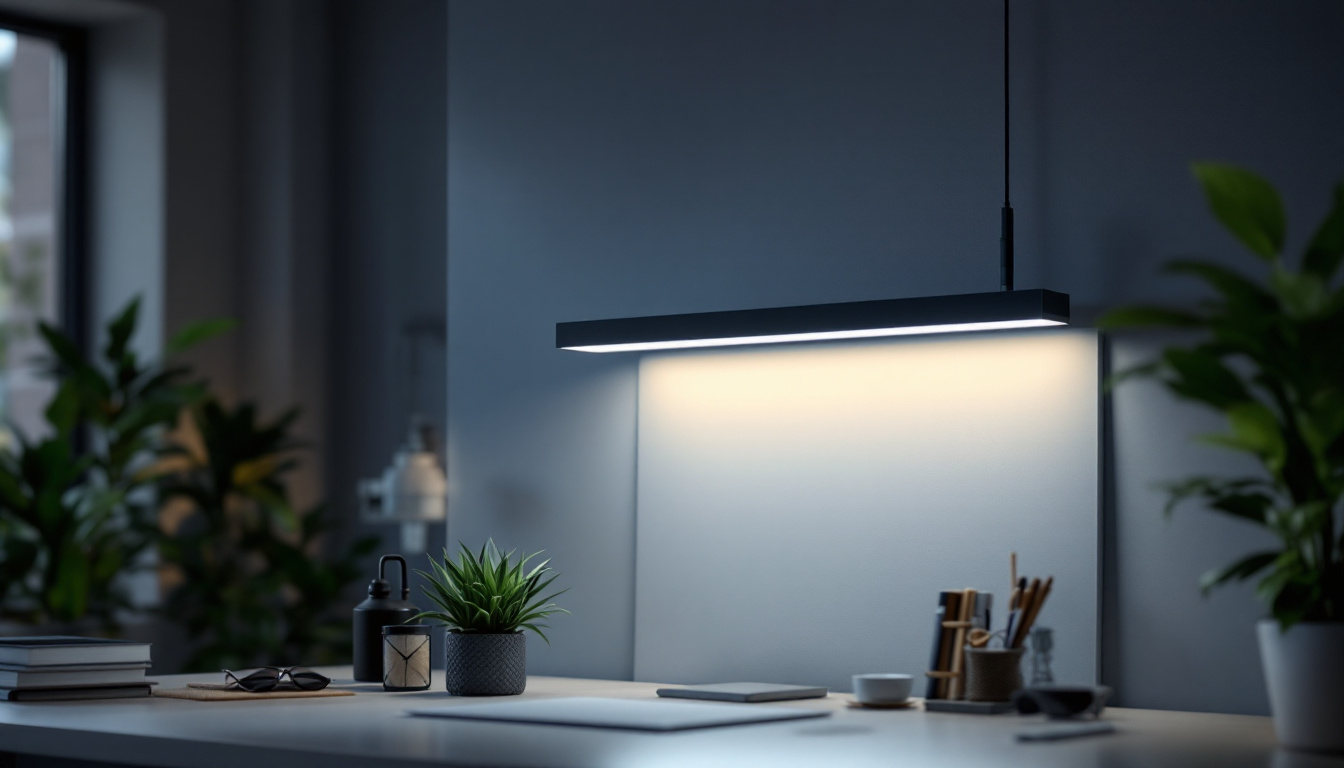
Lighting contractors working on light cycle apartments face a unique set of challenges that require a blend of technical expertise, strategic planning, and adaptability. These residential complexes, designed with sustainability and energy efficiency in mind, present opportunities and obstacles that can significantly impact project success. Understanding the top challenges lighting contractors encounter is essential for delivering high-quality, compliant, and efficient lighting solutions.
Understanding the Complexity of Light Cycle Apartments
Light cycle apartments are residential buildings designed to optimize natural and artificial lighting to reduce energy consumption and improve occupant comfort. These projects often incorporate advanced lighting controls, energy-efficient fixtures, and integration with building management systems. For lighting contractors, this complexity means that traditional installation and maintenance approaches may not suffice.
Contractors must navigate a landscape where lighting systems are not standalone elements but integral parts of a building’s overall energy strategy. This requires a deeper understanding of lighting technology, building codes, and sustainability standards such as LEED or WELL Building certifications. The challenge is not just technical but also educational—ensuring that every team member is proficient in the latest lighting innovations and regulations.
Moreover, the design of light cycle apartments often involves a collaborative approach, bringing together architects, interior designers, and lighting specialists from the outset. This teamwork is essential to create spaces that not only look aesthetically pleasing but also function efficiently. For instance, the use of smart glass can enhance natural light penetration while minimizing heat gain, thus contributing to energy efficiency. Additionally, the incorporation of daylight sensors and occupancy detectors allows for dynamic lighting adjustments based on the time of day and the presence of residents, further optimizing energy use.
Furthermore, the psychological impact of lighting on residents cannot be overlooked. Studies have shown that well-designed lighting can significantly affect mood, productivity, and overall well-being. In light cycle apartments, the strategic use of color temperature and intensity can create inviting environments that promote relaxation or focus, depending on the intended use of the space. As the demand for healthier living environments grows, contractors must also consider how lighting can be used to enhance the quality of life for residents, making it a critical aspect of modern apartment design.
Challenge 1: Navigating Energy Efficiency and Regulatory Compliance
Meeting Stringent Energy Codes
Energy codes have become increasingly stringent, especially for multi-family residential buildings like light cycle apartments. Lighting contractors must ensure that all installed systems comply with local, state, and national energy codes, which often mandate the use of high-efficiency fixtures, occupancy sensors, daylight harvesting controls, and timers.
Failure to comply can result in costly rework, project delays, or penalties. Additionally, many jurisdictions require detailed documentation and verification of installed lighting systems, adding an administrative burden. Contractors need to stay current with evolving codes such as the International Energy Conservation Code (IECC) and Title 24 in California, which specifically address lighting efficiency in residential buildings. This necessitates ongoing education and training, as well as participation in workshops and seminars that focus on the latest developments in energy legislation. Furthermore, contractors may benefit from leveraging technology, such as building information modeling (BIM), to streamline compliance processes and ensure that all aspects of the lighting design align with regulatory requirements.
Balancing Efficiency with Aesthetics and Functionality
While energy efficiency is paramount, lighting contractors must also ensure that lighting solutions meet the aesthetic and functional needs of residents. Poorly designed lighting can negatively impact occupant satisfaction, safety, and even mental health. Achieving the right balance requires close collaboration with architects, interior designers, and building owners. It is essential to consider how different lighting temperatures and intensities can influence mood and behavior, as well as how light can enhance architectural features and create inviting communal spaces.
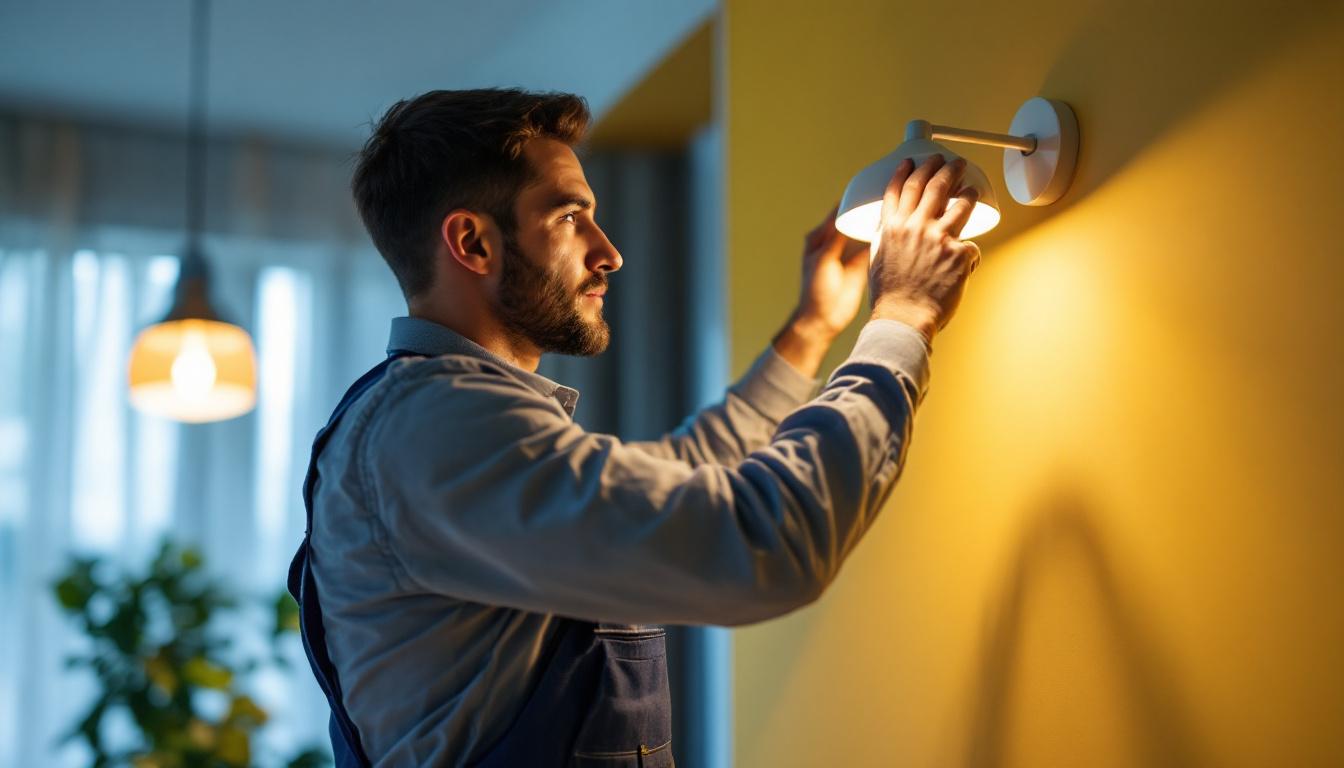
For example, integrating dimmable LED fixtures with smart controls can provide residents with customizable lighting environments while maintaining energy savings. However, this adds complexity to the installation and programming processes, demanding skilled technicians and thorough quality control. Moreover, the use of tunable white lighting, which allows for adjustments in color temperature throughout the day, can further enhance the living experience by mimicking natural light patterns. This not only promotes well-being but also aligns with the growing trend of biophilic design, which emphasizes the connection between occupants and their environment. As such, lighting contractors must remain innovative and adaptable, continuously exploring new technologies and design philosophies to meet the evolving expectations of modern residents.
Challenge 2: Integration with Smart Building Technologies
Complexity of Smart Lighting Systems
Light cycle apartments increasingly incorporate smart building technologies that integrate lighting with HVAC, security, and energy management systems. Lighting contractors must be proficient in installing and configuring these interconnected systems, which often involve wireless communication protocols, IoT devices, and cloud-based management platforms.
This integration offers significant benefits, such as real-time energy monitoring, adaptive lighting based on occupancy or daylight, and remote control capabilities. However, it also introduces challenges related to system compatibility, cybersecurity, and troubleshooting. Contractors must work closely with IT professionals and system integrators to ensure seamless operation. Moreover, the rapid evolution of technology means that lighting systems must be regularly updated and maintained to keep pace with new features and security protocols. This ongoing need for adaptation can strain resources and requires a proactive approach to system management.
Furthermore, the complexity of smart lighting systems often necessitates a thorough understanding of user preferences and behaviors. For instance, contractors may need to analyze how different lighting settings affect mood and productivity in various spaces, tailoring solutions to enhance the living experience. This level of customization not only improves functionality but also fosters a deeper connection between residents and their environment, making it essential for contractors to engage with clients to gather insights and feedback.
Training and Skill Development
Many lighting contractors find that traditional electrical training does not fully prepare them for the demands of smart lighting systems. Continuous education and certification in emerging technologies are essential. Manufacturers often provide specialized training on their products, but contractors must also develop a broader understanding of networking, software configuration, and data analytics.
Investing in workforce development enhances a contractor’s ability to deliver sophisticated lighting solutions and positions them as valuable partners in the evolving residential construction market. Additionally, networking with peers in the industry can provide insights into best practices and innovative approaches to common challenges. Workshops, seminars, and online courses can help contractors stay informed about the latest trends and technologies, ensuring they remain competitive in a rapidly changing landscape. As the demand for smart building solutions grows, those who prioritize skill enhancement will not only improve their service offerings but also contribute to the overall advancement of the industry.
Challenge 3: Managing Installation Logistics in Multi-Unit Buildings
Coordinating with Multiple Stakeholders
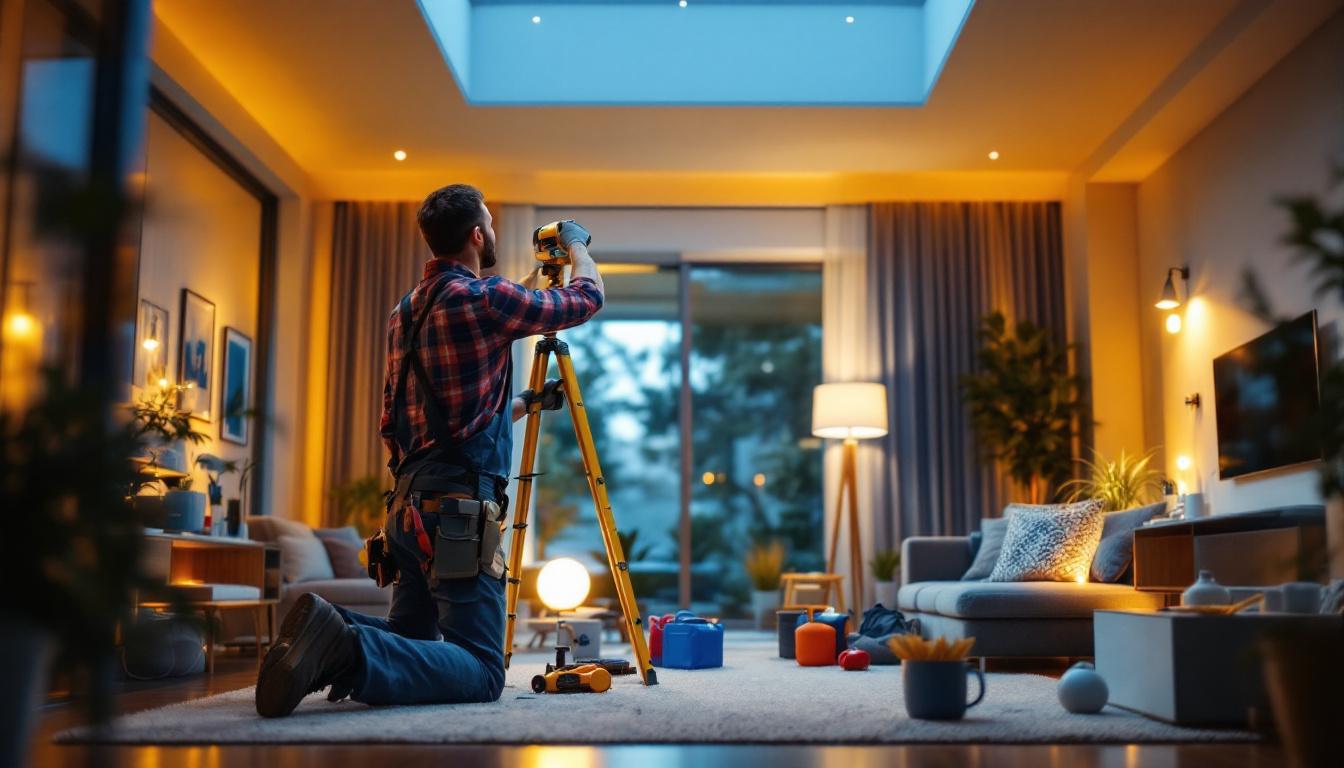
Light cycle apartment projects involve numerous stakeholders, including developers, general contractors, architects, engineers, and residents. Coordinating installation schedules, access to units, and material deliveries requires meticulous planning and communication.
Lighting contractors often face tight timelines and the need to minimize disruption to residents, especially in renovation or retrofit projects. Effective project management tools and clear communication channels are critical to navigating these complexities.
Addressing Space Constraints and Accessibility
Multi-unit residential buildings often have limited space for lighting infrastructure such as wiring, control panels, and fixtures. Contractors must design and execute installations that maximize efficiency while adhering to safety codes and maintaining aesthetic standards.
Accessibility can also be an issue, particularly in retrofit scenarios where existing structures limit the ease of running new wiring or installing controls. Innovative solutions like wireless controls or modular lighting systems can help overcome these challenges but require careful evaluation and planning.
Challenge 4: Ensuring Long-Term Maintenance and Resident Satisfaction
Durability and Reliability of Lighting Systems
Lighting systems in light cycle apartments must be durable and reliable to minimize maintenance costs and avoid resident complaints. Contractors must select high-quality fixtures and components designed for longevity and ease of maintenance.
LED technology has significantly improved fixture lifespan, but factors such as environmental conditions, fixture placement, and control system complexity can impact performance. Proper installation techniques and thorough testing are essential to ensure system reliability.
Providing Resident Education and Support
Smart lighting systems offer many benefits but can be confusing for residents unfamiliar with the technology. Lighting contractors should collaborate with property managers to provide clear instructions and support resources, helping residents maximize the functionality and comfort of their lighting systems.
Some contractors offer post-installation services, including system calibration, troubleshooting, and upgrades, which can enhance resident satisfaction and build long-term client relationships.
Challenge 5: Adapting to Rapid Technological Advancements
Keeping Pace with Innovation
The lighting industry is evolving rapidly, with continuous innovations in LED technology, controls, sensors, and integration platforms. Lighting contractors must stay informed about new products and trends to offer the best solutions and maintain a competitive edge.
For instance, advancements in human-centric lighting, which adjusts color temperature and intensity to support circadian rhythms, are gaining traction in residential design. Contractors who understand and can implement these technologies add significant value to their projects.
Balancing Cost and Innovation
While adopting new technologies can improve performance and efficiency, it often comes with higher upfront costs. Contractors must help clients balance innovation with budget constraints, providing options that deliver long-term savings without compromising quality.
Offering phased implementation plans or scalable systems can be effective strategies to introduce cutting-edge lighting solutions while managing costs.
Conclusion
Lighting contractors working on light cycle apartments face a multifaceted set of challenges that encompass regulatory compliance, technological integration, logistical coordination, maintenance, and ongoing education. Success in this sector demands a proactive approach to learning, collaboration, and innovation.
By understanding these challenges and developing strategies to address them, lighting contractors can not only meet the demands of modern residential projects but also contribute to creating healthier, more sustainable living environments. Embracing these opportunities will position contractors as leaders in the evolving landscape of residential lighting.
Illuminate Your Projects with LumenWholesale
As you tackle the complexities of light cycle apartments, partner with LumenWholesale to ensure your lighting solutions are up to the challenge. Our spec-grade lighting products set the standard for quality and performance, offering you the reliability you need without the inflated costs. With free shipping on bulk orders, you can equip your projects with the best value in wholesale lighting. Don’t let logistical hurdles or technological advancements slow you down. Wholesale Lighting at the Best Value is just a click away, providing you with the perfect blend of quality, affordability, and convenience. Choose LumenWholesale and light up your next project with confidence.