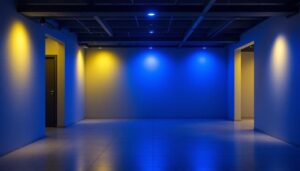
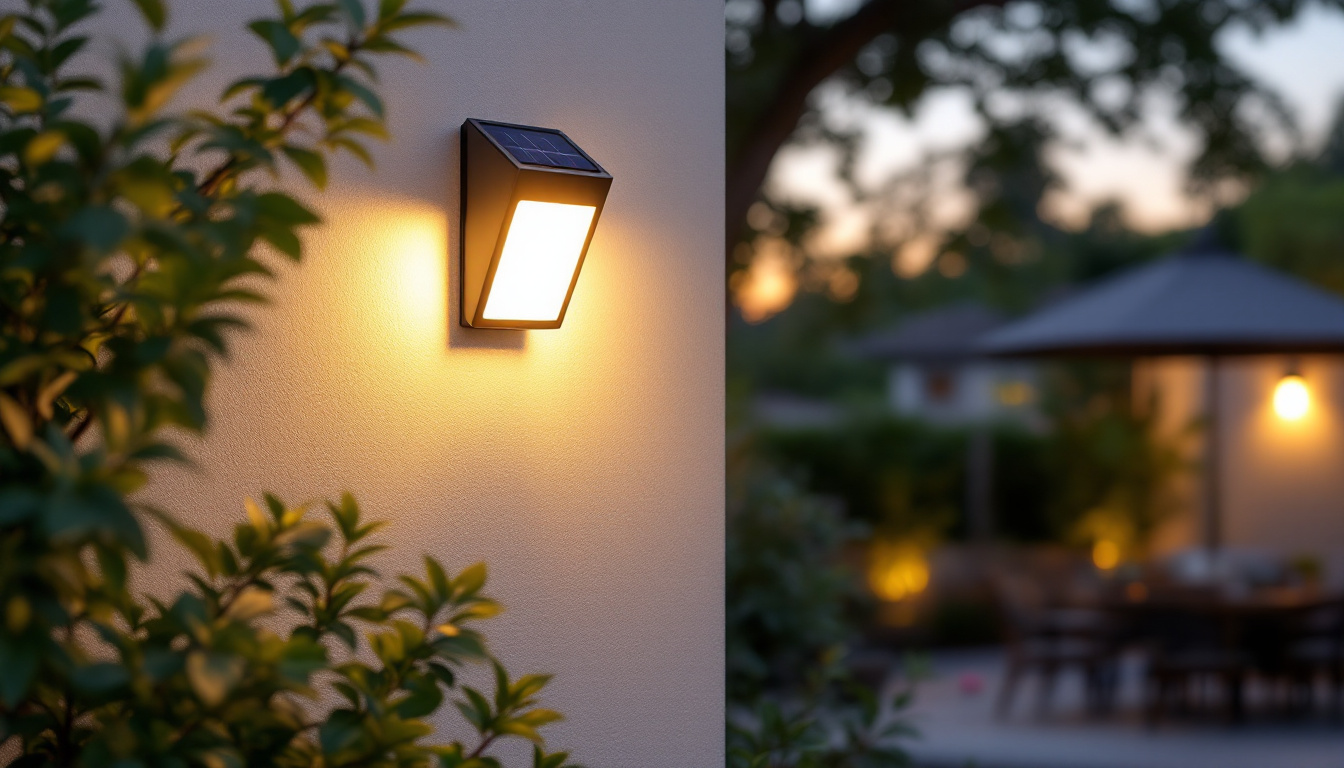
Introduction to Light Coves and Their Growing Significance
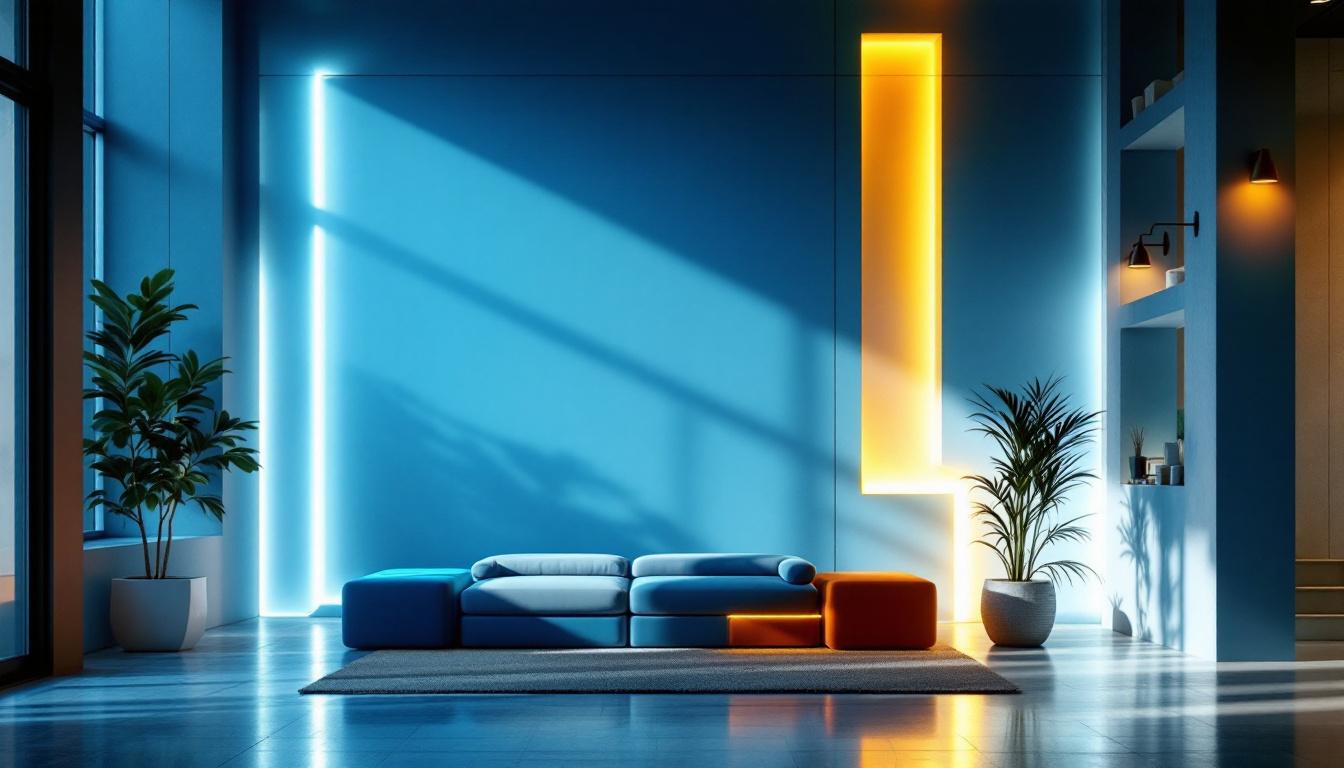
Light coves have emerged as a transformative element in the lighting industry, offering both aesthetic appeal and functional benefits. For lighting contractors, understanding the evolution of light coves is crucial to staying competitive and delivering innovative solutions to clients. These architectural features, designed to conceal light sources while diffusing illumination, have shifted from simple design accents to integral components of modern lighting schemes.
As demand for energy efficiency, customization, and ambient lighting increases, light coves have adapted to meet these needs. Their versatility spans residential, commercial, and hospitality projects, making them indispensable in contemporary lighting design. This article explores the historical development, technological advancements, and practical applications of light coves, providing lighting contractors with a comprehensive overview of this evolving industry trend.
The Historical Development of Light Coves
Origins and Early Applications
Light coves originated as architectural features intended to soften the harshness of direct lighting. Early implementations were often limited to high-end residential and institutional buildings, where designers used them to create indirect lighting effects that enhanced spatial ambiance. Traditionally, these coves housed incandescent or fluorescent fixtures, which, while effective, had limitations in terms of energy consumption and design flexibility.
These early designs were primarily focused on aesthetics, with less consideration given to energy efficiency or integration with smart controls. Nevertheless, they laid the groundwork for the sophisticated systems seen today, demonstrating the potential of indirect lighting to shape mood and perception within a space.
Transition to Modern Lighting Technologies
The introduction of LED technology marked a significant turning point in the evolution of light coves. LEDs offered unprecedented advantages, including longer lifespan, reduced energy consumption, and greater design flexibility. This transition enabled lighting contractors to create more intricate and efficient cove lighting solutions that could be tailored to specific architectural features and client preferences.
Moreover, the compact size of LEDs allowed for slimmer cove profiles, expanding design possibilities. The shift also coincided with growing awareness of sustainable building practices, positioning light coves as a component of green design strategies. This historical progression underscores the importance of technological innovation in driving industry evolution.
Technological Advancements Shaping Light Cove Design
LED Integration and Energy Efficiency
LEDs have revolutionized light cove design by offering superior energy efficiency and longevity compared to traditional lighting sources. For contractors, this means reduced maintenance costs and enhanced client satisfaction. LEDs consume up to 80% less energy than incandescent bulbs, which aligns with increasingly stringent energy codes and sustainability goals.
Additionally, LED technology supports a wide range of color temperatures and dimming capabilities. This flexibility allows for dynamic lighting scenes that can be adjusted to suit different times of day or activities, enhancing occupant comfort and productivity. The ability to fine-tune light intensity and color also opens new avenues for creative expression in architectural lighting.
Smart Controls and Automation
The integration of smart lighting controls has further evolved the functionality of light coves. Modern systems can be programmed to respond to occupancy, daylight levels, or user preferences, optimizing energy use and enhancing the user experience. For lighting contractors, incorporating these controls adds value by enabling clients to achieve both convenience and efficiency.
Automation technologies, such as wireless control systems and IoT connectivity, facilitate seamless integration with building management systems. This connectivity supports predictive maintenance and real-time monitoring, reducing downtime and operational costs. As smart buildings become more prevalent, expertise in these technologies is becoming essential for contractors specializing in light cove installations.
Advancements in Materials and Fixtures
Material innovation has also impacted light cove design. Lightweight, durable materials such as aluminum and polycarbonate are now commonly used for cove housings, improving installation ease and longevity. These materials offer excellent heat dissipation, which is critical for maintaining LED performance and lifespan.
Fixtures have evolved to include modular and customizable options, allowing contractors to tailor installations to unique architectural details. Adjustable beam angles and lensing options enable precise control over light distribution, minimizing glare and enhancing visual comfort. These advancements contribute to the overall effectiveness and appeal of light coves in diverse settings.
Practical Applications and Benefits for Lighting Contractors
Enhancing Architectural Features
Light coves serve as powerful tools for highlighting architectural elements such as ceilings, walls, and moldings. By providing indirect illumination, they create depth and texture, transforming ordinary spaces into visually compelling environments. For lighting contractors, this presents opportunities to collaborate closely with architects and interior designers to achieve cohesive design outcomes.
Effective use of light coves can elevate the perceived value of a project, making it more attractive to clients and end users. Whether in luxury residences, corporate offices, or hospitality venues, well-designed cove lighting enhances spatial aesthetics and contributes to a memorable atmosphere.
Energy Savings and Sustainability
With growing emphasis on sustainability, light coves offer a practical solution for reducing energy consumption while maintaining high-quality lighting. The use of LEDs combined with smart controls enables significant energy savings, which can be a compelling selling point for contractors pitching projects to environmentally conscious clients.
Many building certification programs, such as LEED and WELL, recognize the benefits of efficient lighting design. Incorporating light coves that comply with these standards can help projects achieve higher certification levels, adding market value and demonstrating a commitment to sustainable practices.
Improved Occupant Comfort and Well-being
Indirect lighting provided by light coves reduces glare and harsh shadows, creating a more comfortable visual environment. This is particularly important in workplaces and healthcare settings, where lighting quality directly impacts occupant well-being and productivity. Contractors who understand these benefits can better advise clients on lighting strategies that support health and comfort.
Furthermore, tunable white lighting enabled by modern LED systems allows for circadian rhythm alignment, promoting better sleep patterns and overall wellness. This emerging trend underscores the role of lighting contractors in enhancing not just aesthetics but also human-centric design.
Challenges and Considerations in Light Cove Installation
Design Coordination and Space Constraints
Successful light cove installations require careful coordination with architectural and mechanical systems. Space limitations, ceiling heights, and structural elements can pose challenges that contractors must navigate. Early involvement in the design process is critical to address these issues and ensure seamless integration.
Additionally, contractors must consider accessibility for maintenance and potential future upgrades. Designing coves that allow easy access to fixtures and controls can reduce long-term operational disruptions and costs.
Electrical and Thermal Management
Proper electrical planning is essential to ensure safe and efficient operation of light coves. This includes selecting appropriate drivers, wiring, and control systems compatible with LED technology. Thermal management is equally important, as excessive heat can degrade LED performance and lifespan. Contractors must implement adequate ventilation or heat sinking solutions to mitigate these risks.
Adhering to local electrical codes and standards is mandatory, and staying updated on evolving regulations helps avoid compliance issues. Partnering with manufacturers who provide technical support can facilitate successful installations.
Cost Implications and Client Expectations
While light coves offer numerous benefits, they can also represent a higher upfront investment compared to conventional lighting. Contractors should be prepared to communicate the long-term value, including energy savings, reduced maintenance, and enhanced aesthetics, to justify costs to clients.
Managing client expectations through clear project scopes and timelines is vital. Unexpected complexities during installation can affect budgets and schedules, so thorough planning and contingency measures are recommended.
The Future of Light Coves in the Lighting Industry
Integration with Emerging Technologies
The future of light coves is closely tied to advancements in smart building technologies and human-centric lighting. Integration with artificial intelligence and machine learning could enable adaptive lighting systems that respond in real-time to occupant behavior and environmental conditions.
Emerging materials, such as organic LEDs (OLEDs) and flexible lighting panels, may further expand design possibilities, allowing for more seamless and innovative cove installations. Lighting contractors who stay abreast of these trends will be well-positioned to offer cutting-edge solutions.
Customization and Personalization
Increasing demand for personalized environments is driving the development of customizable light cove systems. Clients seek lighting that can be tailored to individual preferences and activities, from dynamic color changes to scene setting. Modular and programmable cove lighting solutions will become standard offerings, requiring contractors to develop expertise in these areas.
Enhanced user interfaces, including voice and mobile app controls, will facilitate greater user engagement and satisfaction. This shift emphasizes the importance of integrating technology with design to create immersive lighting experiences.
Expanding Market Opportunities
As awareness of the benefits of light coves grows, new market segments are emerging. These include educational facilities, healthcare environments, and outdoor architectural lighting. Each sector presents unique challenges and opportunities for lighting contractors to diversify their portfolios and increase revenue streams.
Moreover, retrofitting existing buildings with light cove systems offers significant potential, particularly in urban areas focused on sustainability and modernization. Contractors who develop specialized skills in retrofit applications can capitalize on this expanding demand.
Conclusion
The evolution of light coves reflects broader trends in the lighting industry towards energy efficiency, technological integration, and human-centric design. For lighting contractors, mastering the complexities of light cove design and installation is essential to delivering value-driven, innovative solutions that meet contemporary client expectations.
By embracing advancements in LED technology, smart controls, and materials, contractors can enhance architectural aesthetics, improve occupant comfort, and contribute to sustainable building practices. Looking ahead, continued innovation and market expansion promise exciting opportunities for those who invest in expertise and adapt to the dynamic landscape of lighting design.
Illuminate Your Projects with LumenWholesale
As you explore the innovative world of light coves and embrace the future of lighting design, LumenWholesale is here to support your journey. Our commitment to providing contractors with superior, spec-grade lighting products at wholesale prices ensures that you can bring your creative visions to life without compromise. With our extensive selection that meets the highest industry standards, you can trust that your lighting solutions will be as reliable as they are striking. Take advantage of our hassle-free bulk buying, free shipping, and unbeatable prices to enhance your projects with quality and affordability. Discover the perfect blend of quality, affordability, and convenience at LumenWholesale – Wholesale Lighting at the Best Value.