Understanding Light Bridges and Their Growing Importance
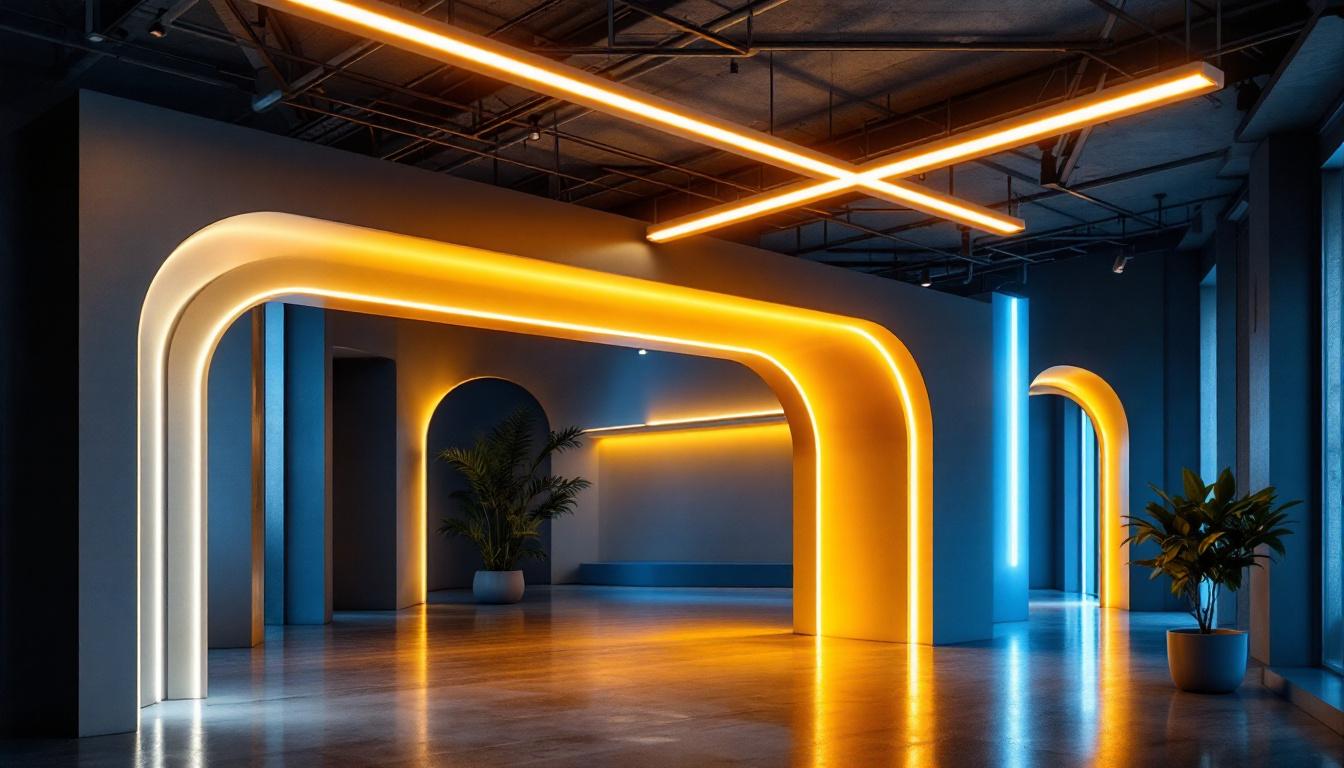
Light bridges, often overlooked in traditional lighting discussions, are rapidly becoming a cornerstone in modern lighting design and installation. At their core, light bridges are architectural elements that channel natural or artificial light across spaces, enhancing illumination while reducing energy consumption. For lighting contractors, mastering the nuances of these systems is no longer optional—it’s essential.
These structures serve multiple purposes: they can connect two buildings, span large interior spaces, or create striking visual effects that elevate a project’s aesthetic. Beyond aesthetics, light bridges contribute significantly to energy efficiency by maximizing daylight use and integrating seamlessly with smart lighting controls. This dual role makes them a valuable asset in both commercial and residential projects.
As building codes and sustainability standards tighten, the demand for innovative lighting solutions like light bridges increases. Contractors who understand how to design, install, and maintain these systems position themselves as leaders in the field, capable of delivering cutting-edge results that meet client expectations and regulatory requirements.
Moreover, the versatility of light bridges allows for creative applications in various environments. For instance, in urban settings, they can be employed to create vibrant public spaces that encourage social interaction while providing necessary illumination. In residential designs, they can enhance the ambiance of homes, allowing natural light to flood in, creating a warm and inviting atmosphere. This adaptability not only improves the quality of light but also enhances the overall user experience, making spaces feel larger and more connected to the outdoors.
Additionally, the integration of technology into light bridges is paving the way for smarter lighting solutions. With the rise of IoT (Internet of Things), these systems can be equipped with sensors that adjust lighting levels based on the time of day or occupancy, further optimizing energy use. This smart integration not only contributes to sustainability goals but also allows for personalized lighting experiences, catering to the specific needs of users. As these technologies evolve, the potential for light bridges to transform spaces and improve energy efficiency will only continue to grow, making them an exciting area for innovation in the lighting industry.
Technical Advances Shaping Light Bridge Installations
Innovations in Materials and Design
The materials used in light bridges have evolved dramatically. Lightweight composites, high-transparency glass, and advanced polymers now allow for more flexible, durable, and visually appealing structures. These materials not only improve the quality of light transmission but also reduce installation complexity and maintenance needs. For instance, the use of self-cleaning glass technology can significantly decrease the frequency of maintenance, allowing the structures to remain pristine and functional with minimal effort. Additionally, the incorporation of recycled materials in the production of these composites promotes sustainability, aligning with the growing demand for eco-friendly construction practices.
Design software has also transformed how contractors approach light bridges. BIM (Building Information Modeling) and 3D rendering tools enable precise planning and visualization, reducing errors and streamlining collaboration with architects and engineers. Contractors proficient in these technologies can anticipate challenges and optimize installation processes, saving time and costs. Furthermore, the ability to simulate various environmental conditions during the design phase allows for better decision-making regarding the placement and orientation of light bridges, ensuring maximum efficiency in natural light utilization. This proactive approach not only enhances the aesthetic appeal of the installations but also contributes to energy conservation efforts.
Integration with Smart Lighting Systems
Smart lighting technology is no longer confined to simple on/off controls. Modern light bridges often incorporate sensors, adaptive controls, and IoT connectivity to adjust lighting levels based on occupancy, daylight availability, and user preferences. This integration enhances energy efficiency and user comfort, making the lighting system more responsive and sustainable. For example, advanced systems can utilize data analytics to predict usage patterns, allowing for proactive adjustments that optimize energy consumption without sacrificing illumination quality. This level of sophistication not only benefits the environment but also translates to cost savings for building owners over time.
For contractors, understanding these systems means more than wiring and fixtures—it requires knowledge of networking, software interfaces, and system diagnostics. Staying updated on these trends ensures that installations meet the growing expectations for intelligent, adaptive lighting environments. Additionally, the integration of machine learning algorithms into smart lighting systems can further enhance their functionality, enabling them to learn from user interactions and adapt over time. This evolution in technology presents a unique opportunity for contractors to differentiate themselves in a competitive market by offering cutting-edge solutions that cater to the increasingly tech-savvy clientele seeking modern, efficient, and customizable lighting solutions.
Energy Efficiency and Sustainability: The Contractor’s Edge
Energy codes and green building certifications increasingly emphasize daylight harvesting and efficient lighting solutions. Light bridges are uniquely positioned to help projects achieve these goals by channeling natural light deep into spaces that would otherwise rely heavily on artificial lighting. By utilizing innovative designs that maximize exposure to sunlight, light bridges not only enhance the aesthetic appeal of a building but also create healthier indoor environments that can improve occupant well-being and productivity.
Contractors who can demonstrate expertise in installing light bridges that contribute to LEED, WELL, or other sustainability certifications add significant value to their services. Clients are willing to invest in solutions that reduce operational costs and environmental impact, and contractors who deliver these benefits gain a competitive advantage. Additionally, as more municipalities adopt stringent energy efficiency regulations, having the capability to implement such advanced lighting solutions can position contractors as leaders in the industry, attracting more environmentally conscious clients.
Moreover, the long-term maintenance and operational savings associated with well-designed light bridges can be a compelling selling point. Highlighting these advantages during project proposals can help contractors close deals and build lasting client relationships. Furthermore, the integration of smart technologies with light bridges can enhance their functionality, allowing for automated adjustments based on occupancy and natural light levels. This not only further reduces energy consumption but also provides clients with a modern, tech-savvy solution that aligns with current trends in building management systems.
As the demand for sustainable building practices continues to rise, contractors who prioritize energy efficiency and innovative lighting solutions will find themselves in a prime position to capitalize on new opportunities. By staying informed about the latest advancements in daylighting technologies and sustainability standards, contractors can not only meet but exceed client expectations, ensuring their projects are not only compliant but also exemplary in the realm of eco-friendly construction. This proactive approach not only enhances a contractor’s reputation but also fosters a culture of sustainability that resonates with a growing segment of the market.
Common Challenges and How to Overcome Them
Structural and Installation Complexities
Light bridges often involve complex structural considerations. They must support their own weight, withstand environmental stresses, and integrate with existing building elements without compromising integrity. Contractors must collaborate closely with structural engineers and architects to ensure safe and effective installations.
Pre-installation planning is critical. Conducting thorough site assessments, verifying load capacities, and coordinating with other trades can prevent costly delays and rework. Experienced contractors invest time upfront to understand these variables, which pays off during installation and commissioning.
Ensuring Optimal Light Distribution
Not all light bridges are created equal in terms of how they distribute light. Poorly designed or installed systems can create glare, uneven illumination, or unwanted heat gain. Contractors need to be familiar with photometric principles and use appropriate diffusers, reflectors, and shading elements to optimize performance.
Testing and calibration during and after installation help fine-tune the system. Utilizing light meters and simulation tools ensures the final outcome meets design specifications and client expectations.
Why Continuous Education is a Must
The lighting industry is dynamic, with new products, standards, and best practices emerging constantly. Contractors who commit to ongoing education-whether through manufacturer training, industry workshops, or certification programs-maintain their edge.
Light bridges, in particular, represent a convergence of architecture, engineering, and technology. Staying informed about advancements in materials, control systems, and sustainability criteria enables contractors to offer innovative solutions that set them apart.
Additionally, being knowledgeable about emerging trends enhances credibility with clients and partners. It signals professionalism and a commitment to quality, fostering trust and opening doors to more complex and rewarding projects.
Practical Tips for Lighting Contractors
- Build strong relationships with architects and engineers. Early collaboration ensures light bridges are integrated seamlessly into project designs.
- Invest in training on smart lighting controls and IoT integration. These skills are increasingly demanded in modern installations.
- Stay current with energy codes and sustainability certifications. Understanding these requirements helps tailor solutions that comply and excel.
- Use advanced design and simulation tools. Accurate planning reduces errors and enhances client presentations.
- Document installations thoroughly. Clear records support maintenance, troubleshooting, and future upgrades.
Conclusion: Embracing Light Bridges as a Strategic Advantage
Light bridges represent more than a lighting trend-they are a strategic opportunity for contractors to elevate their expertise and expand their service offerings. By staying updated on the latest technologies, materials, and best practices, lighting contractors can deliver superior results that meet the evolving demands of clients and regulatory bodies.
Mastering light bridges not only enhances the quality and efficiency of lighting projects but also positions contractors as trusted advisors in an increasingly competitive market. The investment in knowledge and skills pays dividends through improved project outcomes, client satisfaction, and business growth.
Illuminate Your Projects with LumenWholesale
As you embrace the strategic advantages of light bridges, partner with LumenWholesale for your lighting needs. Our commitment to providing contractors with top-quality, spec-grade lighting products at unbeatable wholesale prices ensures that your projects shine with excellence. With an extensive selection that meets the highest industry standards and the convenience of hassle-free bulk buying with free shipping, LumenWholesale is your go-to source for premium lighting without the premium price tag. Elevate your lighting projects and experience the perfect blend of quality, affordability, and convenience. Wholesale Lighting at the Best Value is just a click away.