Understanding the Role of Area LED Lights in Modern Projects
Area LED lights have transformed how contractors approach outdoor and large indoor space illumination. Their efficiency, durability, and versatility make them indispensable for parking lots, warehouses, public parks, and industrial sites. But selecting the right unit isn’t just about picking the brightest or the cheapest option. It requires a nuanced understanding of project needs, environmental factors, and long-term maintenance considerations.
Lighting professionals must balance performance with energy consumption and ensure compliance with safety and environmental standards. This checklist will guide you through critical factors that influence successful area LED light installations, helping you deliver reliable, cost-effective, and sustainable lighting solutions.
One of the key advantages of area LED lights is their long lifespan, often exceeding 50,000 hours, which significantly reduces the frequency of replacements and associated labor costs. This longevity is particularly beneficial in hard-to-reach areas, where maintenance can be time-consuming and expensive. Furthermore, the low heat emission of LEDs minimizes the risk of overheating, making them safer for use in various environments, including sensitive areas like playgrounds and residential zones. The ability to withstand harsh weather conditions also adds to their appeal, as they are designed to resist water, dust, and corrosion, ensuring consistent performance regardless of external factors.
Additionally, the adaptability of area LED lights allows for innovative designs that can enhance the aesthetic appeal of a space while providing functional illumination. Many modern LED fixtures come with smart technology features, such as motion sensors and dimming capabilities, which not only improve energy efficiency but also enhance security by ensuring that lights are only activated when needed. This integration of technology into lighting solutions reflects a broader trend towards smart city initiatives, where interconnected systems work together to create safer, more efficient urban environments. As cities continue to grow and evolve, the role of area LED lights will undoubtedly expand, paving the way for more sustainable and intelligent lighting strategies.
Key Performance Metrics to Evaluate
Luminous Efficacy and Brightness
The primary function of area LED lights is to provide sufficient illumination. Luminous efficacy, measured in lumens per watt (lm/W), indicates how efficiently a fixture converts electrical power into visible light. Higher efficacy means lower energy costs and less heat generation, making LED lights not only an environmentally friendly choice but also a financially savvy one for both residential and commercial applications.
Brightness requirements vary widely depending on the application. For example, parking lots typically require around 20-50 foot-candles, while industrial areas may need upwards of 70-100 foot-candles for safe operation. Consulting industry standards, such as those from the Illuminating Engineering Society (IES), helps determine appropriate light levels for specific environments. Additionally, factors such as the height of the installation, surface reflectivity, and the presence of obstructions can significantly influence the effective brightness perceived by users. Therefore, a comprehensive lighting plan should take these variables into account to ensure optimal safety and functionality.
Color Temperature and Color Rendering Index (CRI)
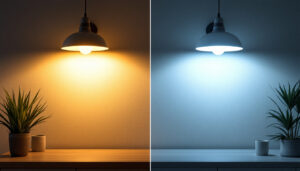
Color temperature affects the ambiance and visibility of an area. Most outdoor and industrial applications benefit from neutral to cool white light, typically between 4000K and 5700K. This range enhances visibility and reduces eye strain, especially in security-sensitive locations. Furthermore, the choice of color temperature can influence human behavior; cooler temperatures are often associated with alertness and productivity, while warmer tones can create a more relaxed atmosphere.
CRI measures how accurately a light source renders colors compared to natural light. A CRI of 70 or above is generally acceptable for area lighting, but higher values improve color distinction, which can be critical in environments where color identification impacts safety or operations. For instance, in a warehouse setting where color-coded items are stored, a higher CRI can help workers quickly and accurately identify products, thereby enhancing efficiency and reducing the risk of errors.
Beam Angle and Light Distribution
Area LED lights come with various beam angles, influencing how light spreads across a surface. Narrow beams concentrate light over a small area, ideal for highlighting specific zones, while wide beams cover larger spaces more uniformly. Understanding the specific needs of the area being illuminated is crucial; for example, narrow beams may be more suitable for accent lighting in a retail space, while wide beams are better for general illumination in a large parking lot.
Choosing the correct beam angle ensures energy efficiency by minimizing wasted light and glare. Fixtures with asymmetric optics or adjustable mounts offer flexibility to tailor light distribution, especially useful in irregularly shaped or multi-use areas. Additionally, advancements in lighting technology have led to the development of smart lighting systems that can adjust beam angles and intensity based on real-time data, further optimizing energy use and enhancing user experience. This adaptability is particularly beneficial in dynamic environments where lighting needs may change throughout the day or in response to occupancy levels.
Durability and Environmental Considerations
Ingress Protection (IP) Ratings
Outdoor and industrial lighting must withstand harsh conditions. IP ratings indicate a fixture’s resistance to dust and water. For area LED lights, an IP rating of at least IP65 is recommended to ensure protection against dust ingress and water jets from any direction.
Higher IP ratings, such as IP66 or IP67, provide additional security in environments exposed to heavy rain, flooding, or dust storms. Selecting the right rating extends fixture lifespan and reduces maintenance costs.
Material Quality and Build
Fixtures constructed from die-cast aluminum or corrosion-resistant alloys offer superior durability. These materials dissipate heat effectively, preventing premature LED degradation. Additionally, powder-coated finishes improve resistance to environmental wear and UV damage.
Sealed lenses made from tempered glass or impact-resistant polycarbonate protect LEDs from physical damage and environmental contaminants. For areas prone to vandalism or accidental impacts, consider fixtures with reinforced housings or protective cages.
Thermal Management
Heat is the enemy of LED longevity. Effective thermal management through heat sinks and ventilation ensures consistent performance over time. Poor thermal design can lead to lumen depreciation, color shifts, and early fixture failure.
When evaluating fixtures, look for those with well-engineered cooling systems and verify manufacturer data on operating temperature ranges and expected lifespan under typical conditions.
Energy Efficiency and Control Features
Power Consumption and Savings
Energy costs represent a significant portion of operational budgets for large area lighting projects. LED technology inherently reduces power consumption compared to traditional HID or fluorescent fixtures, often cutting energy use by 50-70%.
Beyond wattage ratings, consider the fixture’s efficacy and how controls can further optimize energy use. Properly sized fixtures prevent overspending on unnecessary brightness, while efficient optics reduce light pollution and energy waste.
Lighting Controls and Smart Integration
Incorporating lighting controls such as motion sensors, photocells, and dimmers can dramatically improve energy savings and operational flexibility. For example, motion-activated lighting reduces energy use during low-traffic periods without compromising safety.
Smart lighting systems that integrate with building management platforms enable remote monitoring, scheduling, and fault detection. These features not only save energy but also simplify maintenance planning and extend fixture life.
Compliance with Energy Codes and Incentives
Many jurisdictions enforce energy codes that specify minimum efficiency requirements for outdoor lighting. Familiarity with local regulations ensures your installations meet or exceed these standards, avoiding costly retrofits or penalties.
Additionally, utility companies often offer rebates or incentives for installing energy-efficient LED fixtures. Leveraging these programs can reduce upfront costs and improve project ROI.
Installation and Maintenance Considerations
Mounting Options and Flexibility
Area LED lights come with various mounting configurations, including pole mounts, wall mounts, and adjustable brackets. Selecting the appropriate mounting method is crucial for optimal light distribution and ease of installation.
Adjustable fixtures allow fine-tuning of beam direction post-installation, accommodating changes in site layout or usage patterns. Consider fixtures with modular designs that simplify replacement of components like drivers or lenses.
Ease of Maintenance and Replacement
LED fixtures generally require less maintenance than traditional lighting, but accessibility remains important. Choose products designed for quick servicing, with easily accessible driver compartments and replaceable LED modules.
Documenting fixture locations, specifications, and maintenance schedules helps streamline upkeep and reduces downtime. Using fixtures from reputable manufacturers with solid warranties also protects your investment.
Safety and Installation Best Practices
Proper installation safeguards both personnel and equipment. Ensure compliance with electrical codes and standards, including appropriate grounding and surge protection to prevent damage from voltage spikes or lightning strikes.
During installation, verify that fixtures are securely mounted and correctly aimed. Use torque specifications recommended by manufacturers to avoid mechanical failures. Training your installation team on LED-specific considerations reduces errors and enhances project quality.
Evaluating Total Cost of Ownership
Initial Investment vs. Long-Term Savings
While LED fixtures may have higher upfront costs compared to conventional lighting, their extended lifespan and lower energy consumption typically result in significant savings over time. Calculating total cost of ownership (TCO) helps justify the investment to clients.
Consider factors such as energy costs, maintenance expenses, replacement frequency, and potential downtime. A well-chosen LED solution can cut TCO by up to 40%, making it a financially sound choice for large-scale projects.
Warranty and Manufacturer Support
Reliable warranty coverage is a critical factor in mitigating risks associated with LED lighting. Most quality fixtures come with warranties ranging from five to ten years, covering defects and performance degradation.
Evaluate manufacturer reputation and support services. Responsive technical assistance and availability of replacement parts can save time and money during the fixture’s operational life.
Environmental Impact and Sustainability
Beyond economics, LED area lights contribute to sustainability goals by reducing carbon footprints and minimizing light pollution. Selecting fixtures with dark-sky compliance and low glare characteristics supports environmental stewardship.
Encouraging clients to adopt energy-efficient lighting aligns with broader corporate social responsibility initiatives and can enhance community relations.
Final Thoughts for Lighting Professionals
Choosing the right area LED lights involves more than just picking a product off the shelf. It demands a comprehensive assessment of lighting needs, environmental conditions, energy goals, and maintenance capabilities. This checklist serves as a practical guide to navigate these complexities with confidence.
By focusing on performance metrics, durability, energy efficiency, installation, and total cost of ownership, lighting contractors can deliver solutions that satisfy clients and stand the test of time. Staying informed about technological advances and evolving standards will further position professionals as trusted experts in the field.
Illuminate Your Projects with LumenWholesale
Ready to elevate your lighting projects with the best in area LED lights? At LumenWholesale, we provide lighting professionals like you with spec-grade products that don’t just meet but exceed industry standards. Our commitment to quality, combined with unbeatable wholesale prices, ensures that you can light up any space with confidence and efficiency. Say goodbye to middleman markups and hello to hassle-free bulk buying with free shipping. Don’t compromise on quality or value—choose Wholesale Lighting at the Best Value and make LumenWholesale your go-to source for all your lighting needs.