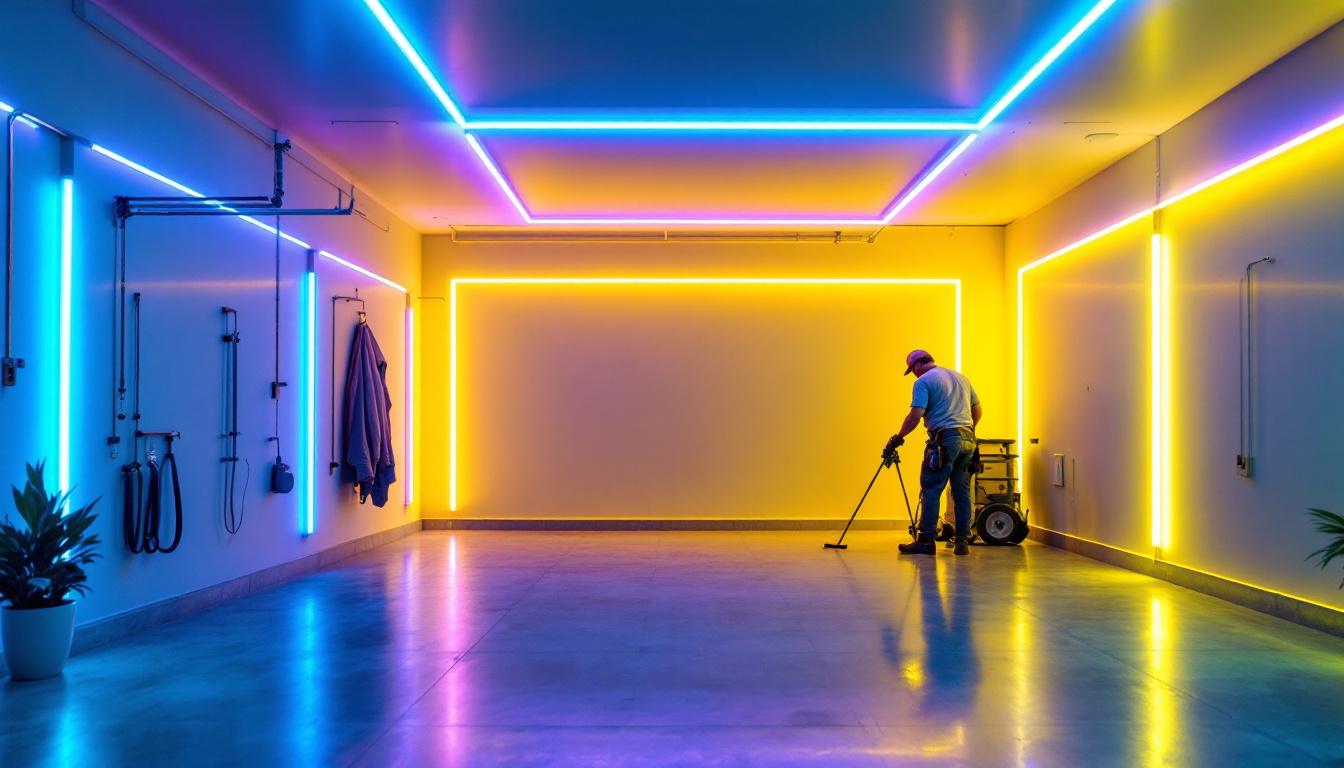
Why LED Stripes Are a Game-Changer for Garage Lighting
Garages are no longer just storage spaces; they’ve become workshops, hobby zones, and even small business areas. Proper lighting is essential, and LED stripes have emerged as a popular solution. For lighting contractors, understanding the specifics of LED stripes in garage environments is crucial to delivering efficient, durable, and visually appealing installations.
LED stripes offer a flexible, low-profile lighting option that can be tailored to fit unique garage layouts. Unlike traditional fluorescent or incandescent fixtures, LED stripes provide continuous illumination along walls, ceilings, or under cabinets, eliminating dark spots and shadows that can hinder work or safety.
Moreover, the energy efficiency of LED stripes cannot be overstated. They consume significantly less power than their traditional counterparts, which translates to lower electricity bills over time. This is particularly beneficial for garages that may have lights on for extended periods, such as during long projects or when multiple tasks are being completed. Additionally, LED technology has a longer lifespan, meaning fewer replacements and less waste, making it an environmentally friendly choice for conscientious homeowners and businesses alike.
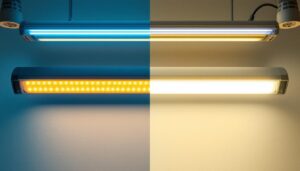
Another advantage of LED stripes is their versatility in color temperature. Homeowners can choose from warm white to cool daylight options, allowing them to create the perfect ambiance for their garage space. Whether it’s a cozy workshop where one crafts furniture or a bright, clinical environment for automotive repairs, the ability to customize lighting can greatly enhance the functionality and aesthetic of the garage. Furthermore, many LED stripes come with dimmable features or smart technology integration, enabling users to adjust brightness levels or control lighting remotely, adding an extra layer of convenience and modernity to garage lighting solutions.
Key Features of LED Stripes for Garage Applications
Durability and Environmental Resistance
Garages often face temperature fluctuations, dust, moisture, and occasional impacts. LED stripes designed for garage use typically come with IP65 or higher ratings, making them resistant to dust and water splashes. This durability ensures longevity, reducing maintenance calls and replacement costs for contractors.
Additionally, many LED stripes are encased in flexible silicone or PVC, which protects the diodes while allowing easy bending around corners or uneven surfaces. This flexibility helps contractors adapt the lighting to irregular garage shapes without compromising performance. For instance, when installing lighting in a garage with exposed beams or unique architectural features, these adaptable LED stripes can be seamlessly integrated, providing a clean and professional look while enhancing the overall functionality of the space.
Color Temperature and Brightness Options
Choosing the right color temperature is vital. For garages, a neutral white (around 4000K) is often preferred because it balances warmth and clarity, making it easier to see details without harsh glare. Some LED stripes allow adjustable color temperatures, which can be a selling point for clients wanting versatile lighting. This feature is particularly beneficial for multi-functional garages, where the lighting might need to shift from a bright, cool light for detailed work to a warmer hue for general ambiance during social gatherings or leisure activities.
Brightness levels, measured in lumens per meter, vary widely. For task-oriented garages, brighter stripes (around 1000 lumens per meter or more) ensure sufficient illumination. Contractors should consider the garage size, ceiling height, and intended use when specifying brightness. Moreover, the ability to install dimmable LED stripes can further enhance the user experience, allowing garage owners to adjust the light intensity based on specific tasks, such as working on a vehicle or simply organizing tools, thus ensuring optimal visibility without straining the eyes.
Energy Efficiency and Cost Savings
LED stripes consume significantly less power than traditional lighting. For garages that require lights to be on for extended periods, this translates to noticeable savings on electricity bills. From a contractor’s perspective, emphasizing the long-term cost benefits can help close sales and satisfy clients focused on sustainability. Furthermore, many LED products now come with extended warranties and lifespans that can exceed 50,000 hours, which means clients won’t just save on energy costs but also on replacement expenses over time.
In addition to direct cost savings, the energy efficiency of LED stripes contributes to a reduced carbon footprint, aligning with the growing trend of eco-conscious building practices. By choosing LED lighting solutions, contractors can position themselves as forward-thinking professionals who prioritize both quality and environmental responsibility. This not only appeals to a broader client base but also enhances the contractor’s reputation in an increasingly competitive market, where sustainability is becoming a key differentiator.
Installation Best Practices for Lighting Contractors
Surface Preparation and Mounting
Proper installation starts with a clean, dry surface. Dust, grease, or moisture can reduce adhesive effectiveness if the LED stripes come with self-adhesive backing. Lighting contractors should recommend or use additional mounting clips or channels for added security, especially in garages where vibrations or temperature changes might cause adhesives to fail over time.
Aluminum mounting channels not only secure the stripes but also act as heat sinks, prolonging LED life by dissipating heat efficiently. This is particularly important in enclosed or poorly ventilated garages. Additionally, contractors should consider the orientation of the LED stripes; positioning them at an angle can enhance light distribution and reduce glare, creating a more pleasant working environment. Ensuring that the mounting surface is level and free from imperfections can also help achieve a professional finish and optimal light output.
Wiring and Power Supply Considerations
LED stripes typically operate on low-voltage DC power, so contractors must install compatible drivers or transformers. Selecting power supplies with built-in overload and short-circuit protection enhances safety and reliability.
When planning wiring routes, it’s essential to keep cables neat and protected, avoiding areas prone to mechanical damage. Using conduit or cable trays within the garage can prevent accidental cuts or wear, which might otherwise cause outages or hazards. Furthermore, it’s advisable to label all wiring and connections clearly to facilitate future maintenance or upgrades. This practice not only aids in troubleshooting but also ensures that any subsequent work done in the garage does not inadvertently disrupt the lighting system.
Controlling LED Stripes
Many modern LED stripes support dimming and remote control via wired or wireless systems. Offering clients options such as motion sensors, timers, or smartphone apps can add value and convenience. For garages, motion-activated lighting is particularly practical, turning lights on only when someone enters, saving energy and extending product lifespan.
In addition to these features, integrating smart home technology can further enhance the functionality of LED stripes. For instance, linking the lighting system to a central smart home hub allows for voice control and automation, enabling users to set schedules or adjust brightness levels with ease. Furthermore, contractors should educate clients about the benefits of energy-efficient settings, which can significantly reduce electricity costs over time. By providing comprehensive guidance on the latest control options, contractors can empower their clients to make informed decisions that suit their lifestyle and enhance their garage’s utility.
Common Challenges and How to Overcome Them
Adhesion Failures
One of the most frequent issues contractors face is LED stripes peeling off surfaces after some time. This usually stems from improper surface preparation or using stripes with weak adhesive. Always clean surfaces thoroughly with isopropyl alcohol and avoid installing on rough or porous materials without additional mechanical fastening.
Uneven Lighting and Shadows
Improper placement can create shadows or uneven illumination, defeating the purpose of LED stripes. Planning the layout carefully, considering the height and angle of installation, can help achieve uniform light distribution. Combining LED stripes with other light sources like overhead fixtures can also balance the lighting environment.
Heat Management
Though LEDs generate less heat than traditional bulbs, heat buildup can still shorten their lifespan. Avoid installing LED stripes in fully enclosed spaces without ventilation. Using aluminum channels or heat sinks is a proven method to dissipate heat and maintain optimal operating temperatures.
Specifying LED Stripes: What Lighting Contractors Should Ask
What Is the IP Rating?
For garages, at least an IP65 rating is recommended to ensure resistance against dust and water splashes. If the garage is prone to more moisture or occasional water jets, consider higher ratings like IP67 or IP68.
How Long Is the Warranty?
Reliable LED stripe manufacturers typically offer warranties ranging from 3 to 5 years. A longer warranty indicates confidence in product durability and reduces risk for contractors and clients alike.
Are the Stripes Cuttable and Linkable?
Flexibility in length adjustment is essential. Contractors should verify if the LED stripes can be cut at designated points without damaging the circuit and whether they can be linked together seamlessly to cover longer distances.
What Are the Power Requirements?
Understanding voltage and current needs helps in selecting compatible power supplies and prevents overloading circuits. Low-voltage LED stripes (12V or 24V) are common, but confirming exact specs is necessary for safe installation.
Final Thoughts: Maximizing Value for Garage Clients
LED stripes are an excellent choice for garage lighting, offering flexibility, efficiency, and modern aesthetics. For lighting contractors, mastering the technical aspects and installation nuances ensures customer satisfaction and fewer service callbacks.
By focusing on product quality, proper installation techniques, and thoughtful system design, contractors can transform garages into well-lit, functional spaces that meet diverse client needs. This knowledge not only boosts professionalism but also strengthens client trust and business growth.
Get Your Premium LED Stripes at LumenWholesale
Ready to elevate your lighting projects with the best LED stripes on the market? Look no further than LumenWholesale. We provide lighting contractors with high-quality, specification-grade LED lighting solutions at unbeatable wholesale prices. By eliminating the middleman, we ensure you don’t pay extra for superior products. Our extensive selection meets the highest industry standards, so you can deliver reliable, high-performance lighting in every garage transformation. Plus, with free shipping on bulk orders, you can stock up on premium lighting without worrying about hidden fees or compromises. Discover the ideal combination of quality, affordability, and convenience at LumenWholesale – Wholesale Lighting at the Best Value.