Understanding the Importance of LED Stadium Lighting
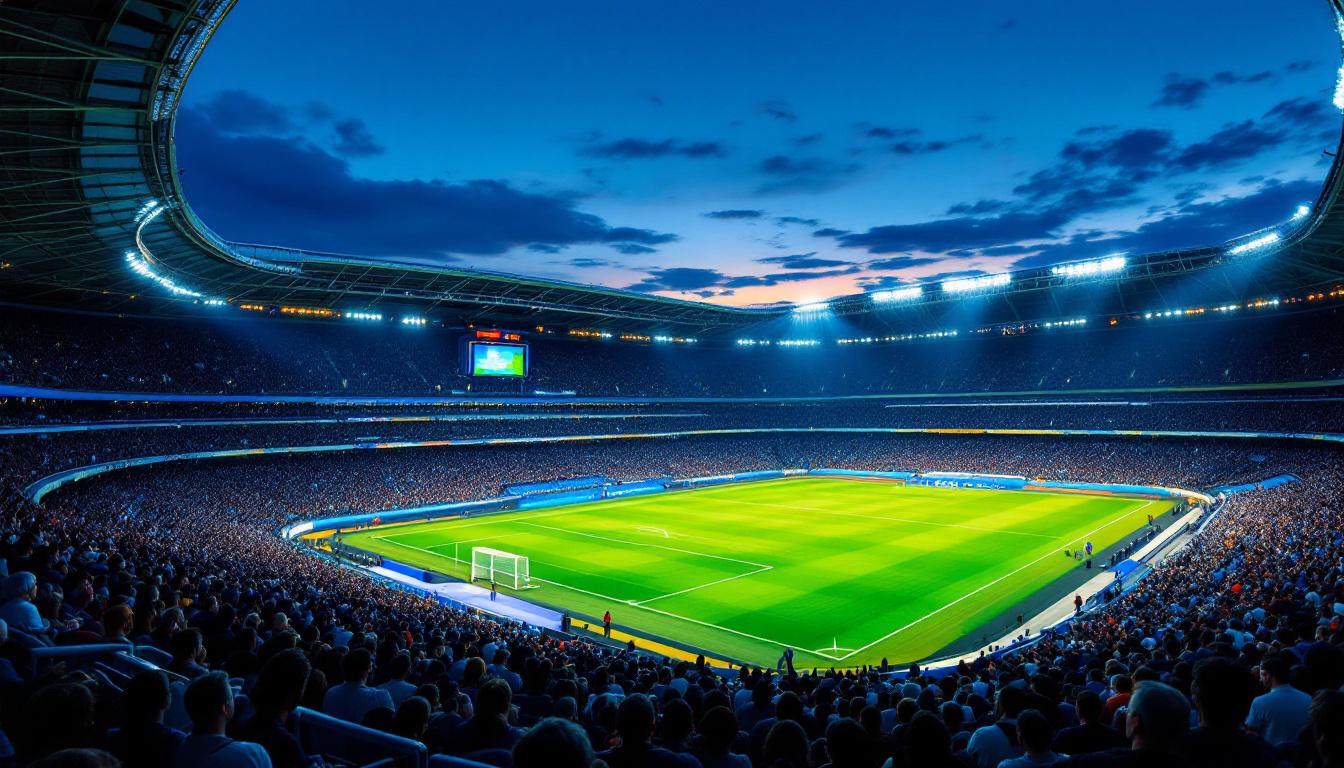
LED stadium lighting has revolutionized the way sports venues and large outdoor arenas are illuminated. For lighting contractors, mastering the nuances of LED technology is essential to delivering optimal lighting solutions that meet both performance and sustainability goals. Unlike traditional metal halide or high-pressure sodium lamps, LEDs offer superior energy efficiency, longer lifespan, and enhanced light quality, making them the preferred choice for modern stadium projects.
One of the key advantages of LED stadium lighting is its ability to provide uniform illumination with minimal glare, which is critical for both athletes and spectators. Proper lighting enhances visibility, reduces shadows, and improves broadcast quality for televised events. As lighting contractors, understanding these benefits helps in designing and installing systems that elevate the overall experience while complying with industry standards.
Energy Efficiency and Cost Savings
Energy consumption is a major concern for stadium operators, with lighting often accounting for a significant portion of the total electricity bill. LEDs consume up to 70% less energy compared to traditional lighting solutions, translating into substantial cost savings over the life of the installation. For contractors, emphasizing these savings can be a powerful selling point when proposing LED upgrades or new installations.
Moreover, the reduced energy demand contributes to lower carbon emissions, aligning with the growing emphasis on sustainable building practices. Many stadiums now aim for certifications like LEED or WELL, where efficient lighting plays a crucial role. Contractors who can integrate LED solutions that support these goals position themselves as valuable partners in sustainable development.
In addition to energy efficiency, LED stadium lighting systems are designed with advanced technology that allows for dynamic control and adaptability. Features such as dimming capabilities and programmable lighting sequences enable venues to customize the atmosphere for different events, whether it’s a high-stakes playoff game or a community concert. This flexibility not only enhances the spectator experience but also allows for energy savings during less intense usage, further contributing to the overall sustainability of the venue.
Furthermore, the longevity of LED fixtures significantly reduces maintenance costs and downtime. Traditional lighting systems often require frequent bulb replacements and extensive maintenance, which can disrupt events and lead to increased operational costs. In contrast, LED lights boast lifespans of up to 50,000 hours or more, allowing stadium operators to allocate resources more efficiently and focus on enhancing the fan experience rather than managing lighting issues. This reliability is a compelling aspect for contractors to highlight when discussing the advantages of LED systems with potential clients.
Key Design Considerations for LED Stadium Lighting
Designing an effective LED lighting system for stadiums involves more than just selecting high-wattage fixtures. Lighting contractors must consider several factors to ensure the installation meets the specific needs of the venue and its users.
Light Distribution and Uniformity
Uniform light distribution is essential to avoid dark spots and uneven illumination on the playing surface. LEDs allow for precise beam control, enabling contractors to tailor the light spread according to the stadium’s layout. Utilizing optics designed for wide or narrow beam angles helps in achieving the desired coverage while minimizing light spill into surrounding areas.
Advanced lighting design software can simulate light distribution patterns, assisting contractors in optimizing fixture placement and aiming angles. This pre-installation step reduces the risk of costly adjustments after the system is in place. Furthermore, incorporating multiple lighting layers can enhance the overall visual experience; for instance, combining field lighting with ambient lighting for spectator areas can create a more inviting atmosphere while maintaining the necessary illumination for gameplay.
Color Temperature and CRI
Color temperature significantly impacts the visual experience in a stadium. Most sports venues benefit from a neutral to cool white light, typically in the range of 4000K to 5700K. This range enhances contrast and visibility without causing discomfort to players or spectators.
Color Rendering Index (CRI) is another important metric, indicating how accurately colors appear under the light source. A CRI of 80 or above is generally recommended for stadium lighting to ensure natural color representation, which is particularly important for televised events and photography. Additionally, the choice of color temperature can influence the mood of the event; for example, warmer tones may be more suitable for concerts or community events, creating a more relaxed ambiance.
Glare Control and Light Pollution
Glare can be a major issue in stadium lighting, distracting players and spectators alike. LED fixtures with integrated glare control features, such as louvers or shields, help reduce direct glare and improve visual comfort. Contractors should also be mindful of local regulations regarding light pollution, especially in urban or residential areas surrounding the stadium.
Implementing directional lighting and dimming controls can minimize unnecessary light spill, contributing to a more environmentally friendly installation. Moreover, the use of smart lighting systems can enhance energy efficiency by allowing for real-time adjustments based on occupancy and event type. This not only helps in reducing operational costs but also aligns with sustainability goals, making the stadium a more responsible member of the community. As technology continues to evolve, the integration of IoT devices can further optimize lighting performance, providing data-driven insights that can lead to continuous improvements in stadium lighting design.
Installation Best Practices for Lighting Contractors
Proper installation is critical to realizing the full benefits of LED stadium lighting. Lighting contractors must follow best practices to ensure safety, performance, and longevity.
Site Assessment and Preparation
Before installation begins, a thorough site assessment is essential. This includes evaluating existing infrastructure, mounting points, and electrical systems. Understanding the structural capacity of poles and supports helps in selecting appropriate fixtures and mounting hardware.
Contractors should also verify the availability and capacity of electrical supply, ensuring that the new LED system can be integrated without overloading circuits. Coordination with stadium management and other contractors is vital to minimize disruptions during installation.
Fixture Mounting and Alignment
Accurate mounting and alignment of LED fixtures are paramount to achieving the desired lighting performance. Fixtures must be securely fastened to withstand weather conditions and vibrations. Using laser alignment tools or digital inclinometers can assist in precise aiming, ensuring uniform light distribution and compliance with design specifications.
Regularly checking fixture orientation during installation prevents costly rework and ensures the system performs as intended from day one.
Electrical Connections and Safety
LED stadium lighting systems often involve complex wiring and control systems. Contractors must adhere to all electrical codes and standards, using appropriate connectors, conduit, and protective devices. Grounding and surge protection are particularly important to safeguard the system against electrical faults and lightning strikes.
Testing all connections before commissioning the system helps identify potential issues early, reducing downtime and maintenance costs.
Maintenance and Troubleshooting Tips
Even with LED’s long lifespan, regular maintenance ensures consistent performance and extends the system’s operational life. Lighting contractors should provide stadium operators with clear maintenance guidelines.
Routine Inspections
Periodic inspections should include checking for physical damage, fixture cleanliness, and secure mounting. Dust, dirt, and debris can accumulate on lenses, reducing light output and quality. Cleaning fixtures with appropriate materials helps maintain optimal illumination levels.
Inspecting electrical components for signs of wear or corrosion is also crucial, especially in outdoor environments exposed to moisture and temperature fluctuations.
Addressing Flicker and Color Shifts
Flickering lights or noticeable color shifts can indicate issues with drivers or power supply. Contractors should be prepared to troubleshoot these problems by testing drivers, checking voltage stability, and replacing faulty components as needed.
Implementing smart lighting controls can also help monitor system health remotely, allowing for proactive maintenance and minimizing disruptions during events.
Upgrading and Retrofitting Considerations
Many stadiums seek to upgrade existing lighting systems to LED for improved efficiency and performance. Contractors must assess compatibility with existing infrastructure and recommend retrofit kits or complete fixture replacements as appropriate.
Careful planning ensures that upgrades deliver the expected benefits without compromising safety or aesthetics.
Leveraging Technology: Controls and Smart Integration
Modern LED stadium lighting systems often incorporate advanced controls to enhance functionality and energy savings. Lighting contractors should be familiar with these technologies to offer comprehensive solutions.
Dimming and Scheduling
Dimming capabilities allow stadiums to adjust lighting levels based on event requirements, reducing energy consumption during non-peak times. Scheduling features enable automated control, ensuring lights are only on when needed.
These functions not only save costs but also extend the lifespan of the fixtures by reducing operating hours.
Remote Monitoring and Diagnostics
Smart lighting systems can be integrated with networked controls that provide real-time monitoring and diagnostics. This technology enables stadium operators and contractors to track performance, detect faults, and schedule maintenance proactively.
Remote access reduces the need for on-site inspections and allows for quicker response times, enhancing overall system reliability.
Integration with Other Stadium Systems
LED lighting can be synchronized with other stadium technologies such as audiovisual systems, emergency lighting, and security controls. Coordinated control enhances the fan experience and ensures safety during events.
Contractors who understand these integration possibilities can offer more value-added services and differentiate themselves in a competitive market.
Conclusion: Delivering Excellence in LED Stadium Lighting
For lighting contractors, LED stadium lighting represents both a challenge and an opportunity. By understanding the technical aspects, design principles, and installation best practices, contractors can deliver solutions that exceed client expectations. Emphasizing energy efficiency, quality of light, and smart controls positions contractors as trusted experts in a rapidly evolving industry.
Staying current with technological advancements and regulatory requirements ensures that LED stadium lighting projects are successful, sustainable, and future-proof. Ultimately, well-executed LED lighting enhances the safety, enjoyment, and visual appeal of stadium events, making it a critical component of modern sports infrastructure.
Illuminate Your Projects with LumenWholesale
Ready to elevate your LED stadium lighting projects and outshine the competition? Choose LumenWholesale for your lighting needs and gain the competitive edge with our high-quality, spec-grade lighting products. With unbeatable wholesale prices and no middleman markups, we offer the value you deserve. Our extensive selection not only meets but exceeds industry standards, ensuring your installations are reliable and high-performing. Plus, with the convenience of free shipping on bulk orders, you can save more and worry less. Don’t settle for less; experience Wholesale Lighting at the Best Value today and make every project shine with LumenWholesale.