Understanding the Evolution and Importance of LED RGB Lighting
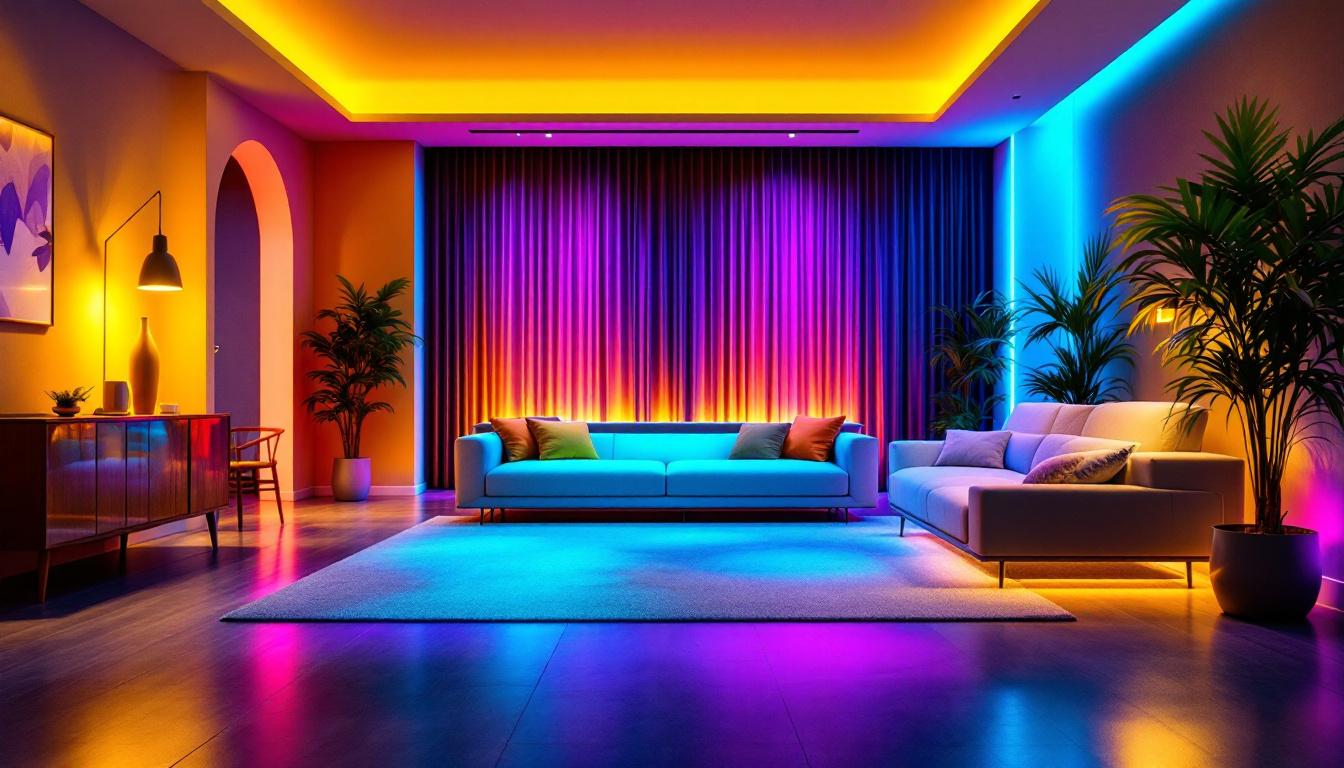
LED RGB lighting has revolutionized the lighting industry by offering unprecedented versatility, energy efficiency, and aesthetic appeal. For lighting contractors, staying abreast of this technology is essential to delivering modern, adaptable solutions that meet evolving client demands. Unlike traditional lighting, LED RGB systems combine red, green, and blue diodes to produce a spectrum of colors, enabling dynamic lighting effects that can transform spaces. This capability allows for creative applications in various settings, from residential homes to commercial venues, where lighting can be tailored to suit specific moods or themes, enhancing the overall experience for occupants and visitors alike.
The shift towards LED RGB lighting is driven by both technological advancements and changing consumer expectations. Clients now seek lighting that not only illuminates but also enhances ambiance, supports wellness, and integrates seamlessly with smart home or commercial automation systems. This trend underscores the need for contractors to future-proof their projects by adopting LED RGB solutions that are scalable, controllable, and energy-efficient. Additionally, the rise of mobile apps and voice-activated systems allows users to customize their lighting environments effortlessly, making it easier than ever to create the perfect atmosphere for any occasion, whether it’s a cozy family gathering or a vibrant party.
The Impact of LED RGB Lighting on Energy Consumption and Sustainability
One of the most compelling reasons to incorporate LED RGB lighting into projects is its energy efficiency. LEDs consume significantly less power compared to incandescent or fluorescent bulbs, often reducing energy use by up to 80%. This efficiency translates into lower operating costs and a reduced environmental footprint, aligning with global sustainability goals and regulatory requirements. As more consumers become environmentally conscious, the demand for energy-efficient solutions continues to grow, making LED RGB lighting an attractive option for both residential and commercial applications.
Moreover, LED RGB lighting offers longer lifespans, often exceeding 50,000 hours, which decreases maintenance frequency and waste. For contractors, this means fewer call-backs and enhanced client satisfaction. Embracing LED RGB technology not only future-proofs projects against rising energy costs but also positions contractors as leaders in sustainable building practices. Furthermore, the ability to adjust color temperatures and brightness levels can contribute to improved mood and productivity in workspaces, making LED RGB lighting an essential component in the design of modern offices and collaborative environments. As the industry continues to evolve, staying informed about the latest innovations in LED technology will empower contractors to deliver exceptional value and meet the growing expectations of their clients.
Key Considerations for Future-Proofing LED RGB Lighting Projects
Future-proofing lighting projects involves anticipating technological trends, client needs, and regulatory changes. For LED RGB lighting, several critical factors ensure that installations remain relevant and functional over time.
1. Selecting Scalable and Flexible Control Systems
Control systems are the backbone of LED RGB lighting, enabling color changes, dimming, and integration with other building systems. Future-proof projects utilize scalable control platforms that support multiple communication protocols such as DMX, DALI, Zigbee, and Wi-Fi. This flexibility allows for easy upgrades and compatibility with emerging smart technologies.
Additionally, contractors should consider systems that offer user-friendly interfaces, including mobile apps and voice control, to meet growing consumer expectations for convenience and customization. Investing in open-standard controls reduces the risk of obsolescence and facilitates seamless integration with future automation solutions. As the Internet of Things (IoT) continues to expand, the ability to connect lighting systems with other smart devices—like thermostats, security cameras, and home assistants—can create a cohesive and responsive environment that enhances user experience.
2. Prioritizing High-Quality LED Components and Fixtures
The quality of LED chips, drivers, and fixtures directly impacts performance, color accuracy, and longevity. Contractors should source components from reputable manufacturers who provide detailed specifications such as Color Rendering Index (CRI), Correlated Color Temperature (CCT), and lumen output.
High CRI values (above 90) ensure that colors appear natural and vibrant, which is particularly important in retail, hospitality, and residential applications. Adjustable CCT options add versatility by allowing users to shift between warm and cool tones depending on the time of day or activity. Selecting robust fixtures with appropriate ingress protection ratings also guarantees durability in various environments, from indoor architectural lighting to outdoor installations. Furthermore, the use of energy-efficient components not only reduces operational costs but also aligns with growing sustainability initiatives, making projects more appealing to environmentally conscious clients.
3. Designing for Easy Maintenance and Upgradability
Future-proof LED RGB lighting projects should incorporate design elements that simplify maintenance and upgrades. Modular fixtures and plug-and-play components enable quick replacements without extensive rewiring or downtime. Contractors can also specify systems with remote diagnostics and firmware update capabilities, reducing the need for on-site visits.
Planning for accessibility during installation—such as mounting fixtures in reachable locations and labeling wiring clearly—further supports efficient upkeep. These practices not only extend the lifespan of the lighting system but also enhance client satisfaction by minimizing disruptions. Additionally, incorporating predictive maintenance technologies can help identify potential issues before they become critical, allowing for proactive management of lighting systems. This approach not only saves time and resources but also ensures that the lighting remains at peak performance, adapting seamlessly to the evolving needs of the space it illuminates.
Integrating LED RGB Lighting with Smart Building Technologies
The integration of LED RGB lighting with smart building technologies is a cornerstone of future-proof lighting projects. Smart lighting systems contribute to energy savings, occupant comfort, and operational efficiency, making them highly desirable in commercial and residential developments. With the rise of the Internet of Things (IoT), these systems are becoming increasingly sophisticated, allowing for seamless interaction between various devices and creating a truly interconnected living or working environment.
Smart Controls and Automation
Smart controls enable automated adjustments based on occupancy, daylight availability, or user preferences. For example, occupancy sensors can trigger lighting changes to conserve energy, while circadian rhythm lighting adjusts color temperature throughout the day to support human health. This adaptability not only enhances the aesthetic appeal of spaces but also promotes well-being by mimicking natural light patterns, which can improve mood and productivity.
Lighting contractors should design systems compatible with popular smart home platforms like Apple HomeKit, Google Home, and Amazon Alexa, as well as commercial building management systems (BMS). This compatibility ensures that lighting can be part of a broader ecosystem, enhancing functionality and user experience. Furthermore, the integration of voice control and mobile applications allows users to customize their lighting settings effortlessly, making it easier to create the perfect ambiance for any occasion, whether it’s a cozy family dinner or a vibrant office meeting.
Data-Driven Lighting Management
Advanced LED RGB lighting systems can collect and analyze usage data to optimize performance and maintenance schedules. This data-driven approach enables predictive maintenance, reducing unexpected failures and operational costs. Contractors who incorporate IoT-enabled lighting solutions provide clients with valuable insights and control over their lighting environments. By utilizing analytics, building managers can identify patterns in energy consumption, allowing for strategic adjustments that can lead to significant cost savings over time.
Moreover, the integration of machine learning algorithms can further enhance the capabilities of these systems. By learning from user behavior and preferences, smart lighting can adapt in real-time, creating a more personalized experience. For instance, if a particular area of a building is frequently used during specific hours, the system can automatically adjust the lighting to be more vibrant and inviting during those times, while dimming in less frequented areas to save energy. This not only maximizes efficiency but also fosters a more engaging and responsive environment for occupants.
Addressing Challenges and Ensuring Compliance
While LED RGB lighting offers many advantages, contractors must navigate certain challenges to successfully future-proof their projects.
Managing Heat Dissipation and Electrical Load
LEDs generate heat that must be effectively managed to maintain performance and lifespan. Proper fixture design, including heat sinks and ventilation, is essential. Contractors should also verify that electrical systems can handle the load of RGB lighting, especially in large-scale or complex installations.
Meeting Regulatory and Safety Standards
Compliance with local and international standards is non-negotiable. This includes electrical safety codes, energy efficiency regulations, and environmental directives such as RoHS and WEEE. Staying informed about evolving regulations ensures that projects remain compliant and marketable over time.
Ensuring Color Consistency and Calibration
Color consistency across fixtures is crucial for aesthetic coherence. Contractors should work with manufacturers that provide rigorous quality control and calibration processes. Additionally, commissioning procedures should include color tuning to achieve the desired effect and uniformity.
Best Practices for Lighting Contractors to Stay Ahead
To maintain a competitive edge and deliver future-proof LED RGB lighting projects, contractors should adopt several best practices.
Continuous Education and Training
LED technology and smart lighting systems evolve rapidly. Participating in manufacturer training programs, industry conferences, and certification courses equips contractors with the latest knowledge and skills. This investment enhances project quality and client trust.
Collaborating with Designers and Technologists
Successful LED RGB lighting projects often require close collaboration among contractors, lighting designers, and technology integrators. Early coordination ensures that aesthetic goals, technical requirements, and user needs are aligned, resulting in seamless and innovative solutions.
Offering Comprehensive Service Packages
Providing clients with end-to-end services—including design consultation, installation, programming, and maintenance—differentiates contractors in a competitive market. Emphasizing the long-term benefits of future-proof lighting can justify premium pricing and foster lasting client relationships.
Conclusion: Embracing LED RGB Lighting for a Sustainable Future
LED RGB lighting represents a transformative opportunity for lighting contractors to future-proof their projects and meet the demands of modern clients. By focusing on scalable controls, high-quality components, smart integration, and compliance, contractors can deliver lighting solutions that are adaptable, efficient, and visually stunning.
Embracing these strategies not only enhances project outcomes but also positions contractors as leaders in a rapidly evolving industry. As sustainability and smart technology continue to shape the built environment, LED RGB lighting will remain a cornerstone of innovative, future-ready lighting design.
Illuminate Your Projects with LumenWholesale
Ready to elevate your lighting projects with the cutting-edge LED RGB solutions discussed in this article? Look no further than LumenWholesale for all your lighting needs. We provide contractors with the highest quality, spec-grade lighting products at the most competitive wholesale prices. With our direct approach, you’ll enjoy top-tier lighting without the extra costs. Our expansive selection is designed to meet rigorous industry standards, ensuring you deliver reliable and high-performing lighting every time. Plus, with the convenience of free shipping on bulk orders, you can secure premium lighting at the best value — all without hidden fees or quality compromises. Take the first step towards a sustainable and innovative future in lighting design with Wholesale Lighting at the Best Value from LumenWholesale.