Understanding the Shift to Solar-Powered LED Outdoor Lighting
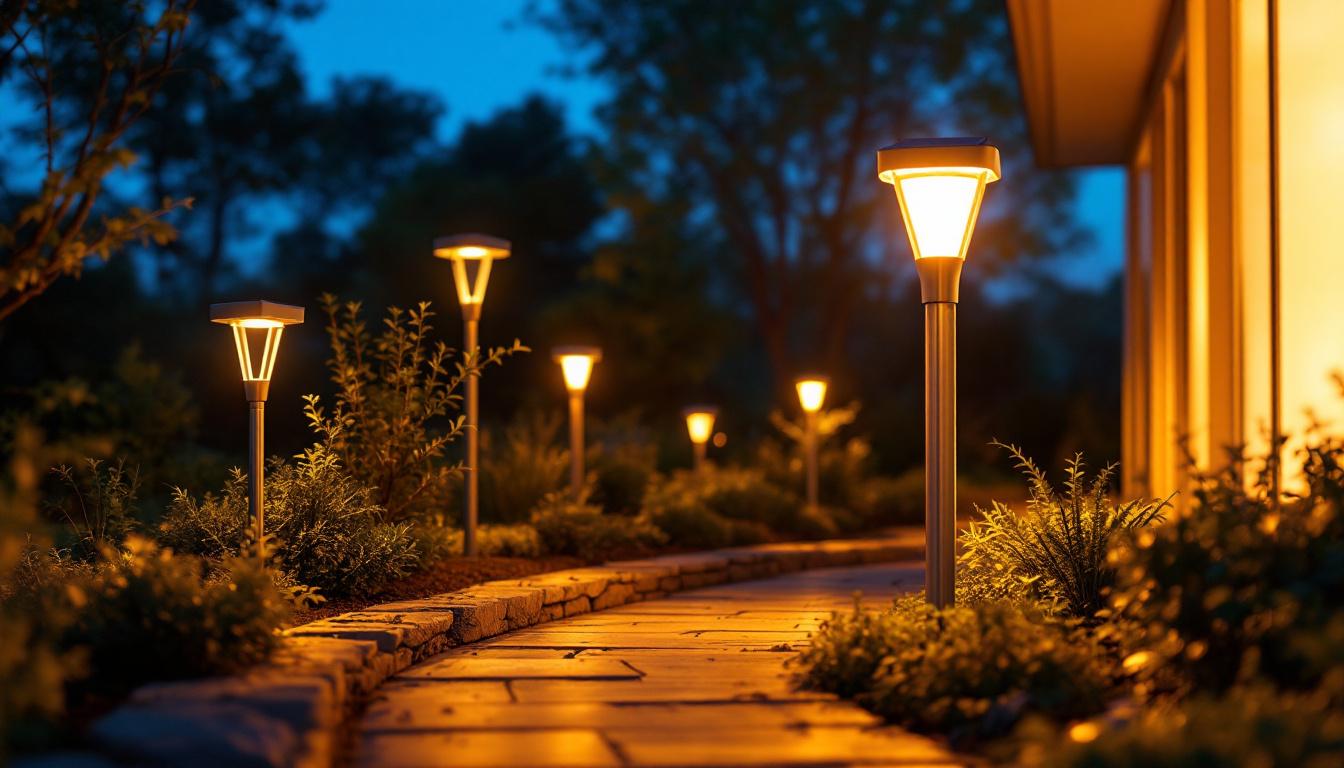
Outdoor lighting has transformed dramatically with the rise of solar-powered LED technology. For contractors, this shift is more than a trend-it’s a strategic move toward sustainable, cost-effective, and efficient lighting solutions. Solar-powered LED lights combine the energy efficiency of LEDs with the independence of solar power, eliminating the need for complex wiring and reducing operational costs.
Contractors who grasp the nuances of this technology can offer clients lighting that is not only environmentally responsible but also easier to install and maintain. The demand is clear: more homeowners, businesses, and municipalities want lighting that reduces carbon footprints without sacrificing performance. This creates a unique opportunity for lighting contractors to lead with expertise and innovation.
Moreover, the versatility of solar-powered LED lights allows for a variety of applications, from illuminating pathways and gardens to enhancing security around commercial properties. These lights are designed to harness sunlight during the day, storing energy in built-in batteries for use at night. This means that installations can be done in remote areas where access to traditional electrical sources is limited, expanding the potential market for contractors. Additionally, advancements in solar technology have led to more efficient photovoltaic cells, allowing for brighter and longer-lasting illumination, which can significantly enhance the aesthetic appeal of outdoor spaces.
Furthermore, the integration of smart technology with solar-powered LED lighting is paving the way for even more innovative solutions. Features such as motion sensors, dimming capabilities, and remote control through smartphone applications are becoming increasingly popular. These enhancements not only improve energy efficiency but also provide users with greater control over their outdoor lighting environments. As the technology continues to evolve, contractors who stay informed and adapt to these advancements will be well-positioned to meet the growing expectations of their clients, ensuring that they remain competitive in a rapidly changing market.
Key Benefits of Solar-Powered LED Outdoor Lights for Contractors
Energy Efficiency and Cost Savings
LEDs are already known for their low energy consumption compared to traditional incandescent or halogen bulbs. When paired with solar panels, these lights draw power directly from the sun, drastically cutting electricity bills. For contractors, this means clients can enjoy long-term savings, which is a compelling selling point. The reduction in energy costs can be particularly appealing to environmentally conscious clients who are looking to minimize their carbon footprint while still enjoying high-quality outdoor lighting.
Additionally, solar-powered LED lights reduce the need for trenching and electrical wiring, which lowers installation costs and time. This efficiency allows contractors to complete jobs faster and with fewer resources, improving profitability and client satisfaction. Furthermore, the absence of electrical infrastructure means that contractors can avoid the potential complications associated with local electrical codes and inspections, streamlining the entire project from start to finish.
Ease of Installation and Flexibility
One of the biggest advantages of solar-powered LED lighting is its wireless nature. Without the constraints of electrical wiring, contractors can install lights in remote or hard-to-access areas where running power lines would be impractical or expensive. This flexibility expands the range of projects contractors can take on, from garden pathways and security lighting to large-scale commercial landscapes. For instance, solar lights can be strategically placed in parks or nature trails, enhancing safety and visibility without the need for extensive groundwork.
Moreover, the modular design of many solar lighting systems simplifies upgrades or expansions. Contractors can easily add more lights or reposition existing ones without major electrical work, making it a future-proof solution. This adaptability is especially beneficial for clients who may want to expand their outdoor lighting as their landscaping evolves or as new features are added to their properties, ensuring that the lighting can grow alongside their needs.
Durability and Low Maintenance
Outdoor lighting must withstand weather extremes, and solar-powered LED fixtures are built with this in mind. High-quality units feature weather-resistant casings, UV-protected solar panels, and long-lasting LEDs that can operate for tens of thousands of hours. This durability reduces callbacks and maintenance visits, saving contractors time and enhancing their reputation for reliability. Additionally, many solar lights come equipped with smart technology, such as motion sensors or timers, which can further enhance their efficiency and functionality while requiring minimal upkeep.
Moreover, the low maintenance aspect of solar-powered LED lights is a significant advantage for contractors who want to build lasting relationships with their clients. With fewer repairs and replacements needed, clients can enjoy peace of mind knowing their outdoor spaces are well-lit and secure. This reliability not only fosters trust but also allows contractors to focus on acquiring new projects rather than spending time on service calls, ultimately leading to a more successful business model.
Choosing the Right Solar-Powered LED Lights: What Contractors Should Consider
Assessing Solar Panel Quality and Placement
Not all solar panels are created equal. Contractors need to evaluate the efficiency and durability of the solar cells used in the lighting system. Panels with higher wattage and better photovoltaic efficiency will charge faster and perform better in low-light conditions.
Placement is equally critical. Panels must be positioned to receive maximum sunlight exposure throughout the day, avoiding shadows from trees, buildings, or other obstructions. A thorough site assessment helps ensure optimal performance, which in turn guarantees client satisfaction. Additionally, contractors should consider the angle of the solar panels; a tilt that aligns with the sun’s path can significantly enhance energy absorption, particularly in regions with varying seasonal sunlight. Understanding local climate patterns can also guide the decision on the best placement, ensuring that the panels are not only effective but also resilient against environmental factors such as heavy winds or snow accumulation.
Battery Capacity and Type
The battery stores energy collected by the solar panel and powers the LED lights after sundown. Lithium-ion batteries are becoming the preferred choice due to their longer lifespan, higher energy density, and better performance in various temperatures compared to traditional lead-acid batteries.
Contractors should specify battery capacity based on the expected runtime and local weather patterns. For example, areas with frequent cloudy days require batteries with larger capacity to maintain consistent lighting. Furthermore, understanding the charge cycles and discharge rates of different battery types can help contractors optimize the system for longevity and reliability. Incorporating smart battery management systems can also enhance efficiency by monitoring battery health and performance, allowing for timely maintenance or replacements, which ultimately leads to a more sustainable lighting solution for clients.
LED Brightness and Color Temperature
Brightness, measured in lumens, must be tailored to the application. Pathway lighting requires lower lumens for subtle illumination, while security lighting demands higher brightness for visibility and deterrence. Contractors should work with clients to define the lighting goals and select fixtures accordingly.
Color temperature affects ambiance and visibility. Warmer tones (2700K-3000K) create inviting atmospheres, ideal for residential settings. Cooler tones (4000K-6000K) offer crisp, clear light suitable for commercial or security purposes. Understanding these nuances helps contractors deliver lighting that meets both functional and aesthetic needs. Additionally, the choice of color temperature can influence energy consumption; for instance, some LED lights are designed to be more efficient at certain temperatures. Contractors should consider integrating dimming capabilities or smart controls that allow clients to adjust brightness and color temperature according to their preferences or specific events, thereby enhancing the versatility and appeal of the lighting solution.
Installation Best Practices for Solar-Powered LED Outdoor Lights
Site Survey and Planning
Before installation, a comprehensive site survey is essential. Contractors should map out sunlight exposure, potential obstructions, and client preferences. This planning stage prevents common issues like insufficient charging or uneven lighting distribution.
Using tools like solar pathfinders or smartphone apps can assist in analyzing sun angles and shading throughout the year, ensuring the solar panels are optimally placed.
Mounting and Positioning Techniques
Proper mounting ensures maximum solar exposure and effective light distribution. Panels should be angled according to geographic latitude to capture the most sunlight. Fixtures must be securely anchored to withstand wind and other environmental factors.
When positioning lights, contractors should consider glare reduction and avoid shining lights directly into neighbors’ windows or drivers’ eyes. Adjustable mounts can help fine-tune angles post-installation.
Testing and Commissioning
Once installed, testing the system’s performance is crucial. Contractors should verify that solar panels charge batteries adequately during the day and that lights operate correctly at night. Monitoring initial runtime and brightness helps identify any adjustments needed.
Providing clients with simple maintenance tips and system operation guidelines enhances user experience and reduces service calls.
Addressing Common Challenges and Client Concerns
Performance in Low Sunlight Conditions
Clients often worry about solar lighting reliability during cloudy or winter months. Contractors can mitigate these concerns by selecting high-quality panels and batteries, and by educating clients on realistic expectations. Combining solar lighting with traditional power sources in hybrid systems is an option for critical applications.
Vandalism and Theft Prevention
Outdoor fixtures can be targets for vandalism or theft. Contractors should recommend robust mounting hardware, tamper-resistant screws, and consider integrating lighting with security cameras or alarms for added protection.
Regulatory Compliance and Permitting
Some jurisdictions have specific regulations regarding outdoor lighting, including brightness limits and light pollution controls. Contractors must stay informed about local codes and obtain necessary permits to avoid fines and ensure client projects pass inspections smoothly.
Future Trends and Innovations in Solar-Powered LED Outdoor Lighting
Advances in solar technology continue to push the boundaries of what’s possible. Emerging developments include higher-efficiency perovskite solar cells, smart lighting controls with IoT integration, and enhanced battery chemistries that extend lifespan and reduce environmental impact.
Lighting contractors who stay ahead of these trends can offer cutting-edge solutions that appeal to tech-savvy clients and environmentally conscious consumers. Incorporating smart sensors and app-controlled lighting allows for customization and energy optimization, making solar LED lighting even more attractive.
Conclusion: Positioning as a Smart Lighting Contractor
Solar-powered LED outdoor lighting represents a compelling opportunity for lighting contractors to differentiate their services. By understanding the technology, selecting quality components, and applying best installation practices, contractors can deliver solutions that save money, reduce environmental impact, and meet diverse client needs.
Success in this space requires a blend of technical knowledge, practical experience, and clear communication with clients. Embracing solar LED lighting not only benefits contractors’ businesses but also contributes to a more sustainable future-one light at a time.
Illuminate Your Projects with LumenWholesale
Ready to elevate your lighting projects with the most efficient, cost-effective solutions? At LumenWholesale, we specialize in providing contractors like you with spec-grade, solar-powered LED outdoor lighting at unbeatable wholesale prices. Say goodbye to middleman markups and hello to a vast selection of premium lighting that meets the highest industry standards. With free shipping on bulk orders, you can trust that you’re getting the best value without any hidden fees. Make your next project shine brighter by choosing LumenWholesale for quality, affordability, and convenience. Wholesale Lighting at the Best Value is just a click away.