Understanding LED Low Bay Light Fixtures: Fundamentals for Lighting Contractors
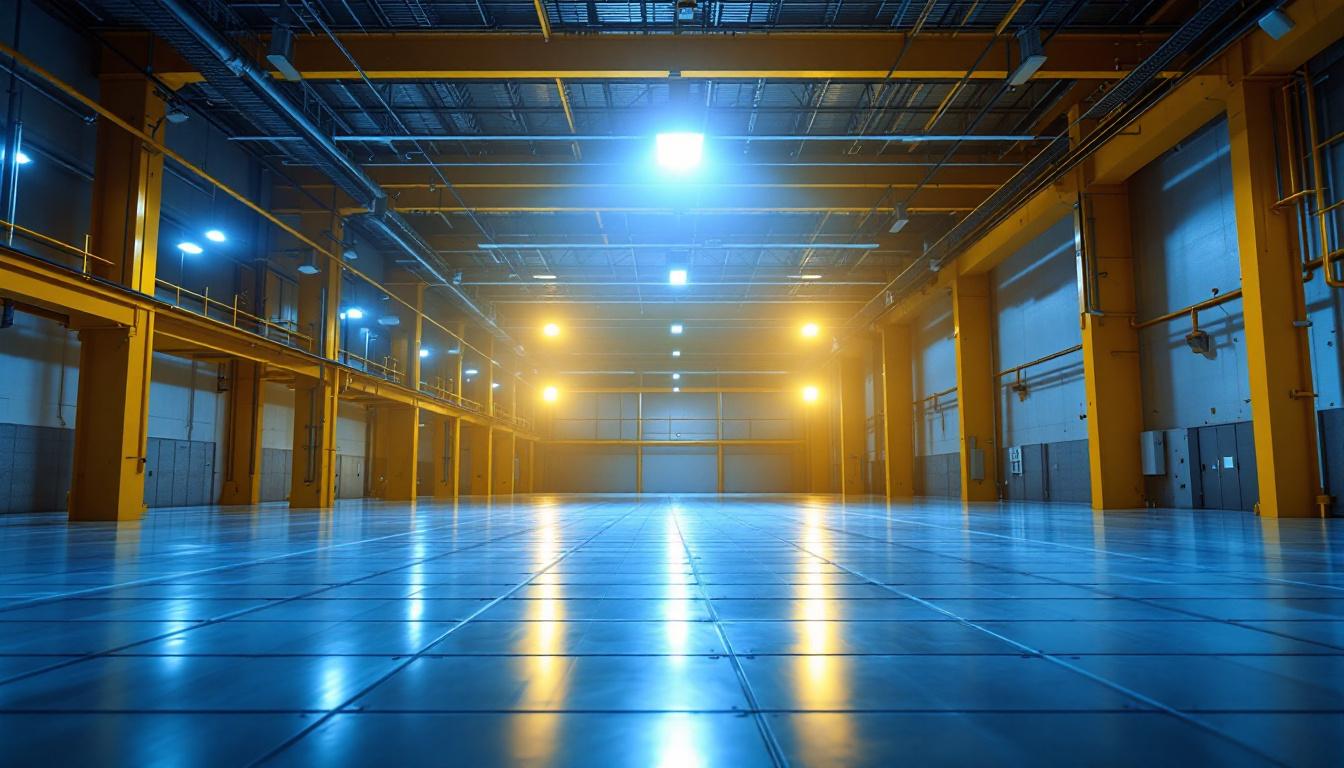
LED low bay light fixtures have become a cornerstone in commercial and industrial lighting solutions, particularly for spaces with ceiling heights ranging from 12 to 20 feet. Their energy efficiency, longevity, and superior light quality make them an attractive choice for warehouses, manufacturing plants, retail stores, and gymnasiums. For lighting contractors, mastering the technical and practical aspects of these fixtures is essential to delivering optimal results for clients.
At their core, LED low bay lights are designed to provide uniform illumination over a broad area without the glare or shadows often associated with traditional lighting. Unlike high bay fixtures, which serve spaces with ceilings above 20 feet, low bay fixtures focus on areas where the proximity to the work surface demands a different beam angle and lumen output. Understanding this distinction helps contractors specify the right product for each application, ensuring efficiency and occupant comfort.
Key Features and Benefits
LED low bay fixtures offer several advantages that make them a preferred choice over conventional lighting options such as metal halide or fluorescent lamps. Their energy consumption is significantly lower, often reducing electricity usage by up to 50-70%, which translates into substantial cost savings for facility owners. Additionally, LEDs have a longer lifespan, commonly exceeding 50,000 hours, which reduces maintenance frequency and associated labor costs.
Another important feature is the instant-on capability of LED fixtures. Unlike metal halide lamps that require warm-up time, LEDs reach full brightness immediately, improving safety and productivity in work environments. Furthermore, LEDs generate less heat, contributing to a more comfortable indoor climate and reducing HVAC loads.
Moreover, the versatility of LED low bay lights is noteworthy. They come in various designs, including adjustable and dimmable options, allowing for customized lighting solutions that can adapt to changing needs within a facility. For instance, in a retail environment, adjustable fixtures can highlight specific merchandise, enhancing the shopping experience while conserving energy during off-peak hours. Additionally, many LED low bay lights are compatible with smart lighting systems, enabling contractors to integrate advanced controls that optimize energy usage and improve overall operational efficiency.
Another aspect to consider is the environmental impact of LED technology. As businesses increasingly prioritize sustainability, the reduced carbon footprint associated with LED lighting becomes a significant selling point. LEDs contain no harmful substances like mercury, which is present in some traditional lighting options, making them safer for both the environment and the individuals who work in these spaces. Furthermore, the recyclability of LED components contributes to a more sustainable lifecycle, aligning with the growing trend of eco-friendly practices in the commercial sector.
Best Practices for Installation and Specification
Proper installation and specification of LED low bay fixtures are critical to maximizing their performance and lifespan. Lighting contractors should adopt a systematic approach that begins with a thorough assessment of the space’s lighting requirements and constraints.
Assessing the Space and Lighting Needs
Before selecting fixtures, contractors must evaluate the ceiling height, room dimensions, surface reflectance, and the nature of activities performed in the space. For example, a warehouse with high shelving may require fixtures with a narrower beam angle to focus light down aisles, while a retail environment benefits from wider beam spreads for even illumination.
Illuminance levels should be aligned with industry standards such as those provided by the Illuminating Engineering Society (IES). For general industrial areas, recommended light levels typically range from 30 to 50 foot-candles, whereas precision tasks may require higher levels. Contractors should also consider uniformity ratios and color rendering index (CRI), aiming for a CRI of 80 or above to ensure accurate color perception. Additionally, it’s important to factor in the potential for future changes in the space, such as alterations in layout or function, which may necessitate a reevaluation of lighting needs.
Choosing the Right Fixture and Components
Selecting the appropriate fixture involves balancing lumen output, beam angle, color temperature, and mounting options. LED low bay fixtures come in various configurations, including round, square, and linear designs, each suited to different applications. For instance, round fixtures with reflectors are ideal for focused lighting, while linear models can provide broader coverage.
Color temperature selection influences the ambiance and functionality of the space. Cooler temperatures (4000K to 5000K) are common in industrial settings to promote alertness and visibility, whereas warmer tones (2700K to 3500K) may be preferred in retail or hospitality environments for a welcoming atmosphere. Furthermore, contractors should consider the psychological effects of lighting on workers and customers, as different color temperatures can impact mood and productivity. A well-thought-out lighting scheme can enhance not only the aesthetic appeal of the space but also the overall experience of those who occupy it.
Contractors should also verify that fixtures comply with relevant safety and energy standards, such as UL listing and DLC certification, which ensure quality and eligibility for utility rebates. Understanding these certifications can also help contractors educate clients on the long-term savings associated with energy-efficient lighting solutions.
Installation Techniques for Optimal Performance
Proper mounting height and spacing are crucial to achieving uniform lighting and avoiding dark spots or glare. Lighting contractors should follow manufacturer guidelines and leverage lighting design software to simulate fixture placement and photometric outcomes. This technology can assist in visualizing how light will interact with various surfaces and help in making informed decisions about fixture placement.
Electrical connections must adhere to local codes and standards, with attention to wiring methods, grounding, and surge protection. Incorporating dimming controls or occupancy sensors can enhance energy savings and extend fixture life by reducing operating hours when spaces are unoccupied. Additionally, implementing smart lighting systems that can be controlled remotely or programmed for specific schedules can further optimize energy efficiency and user convenience. As technology advances, integrating these systems can not only improve functionality but also provide valuable data on energy usage and occupancy patterns, allowing for continuous improvement in lighting strategies.
Maintenance and Troubleshooting: Ensuring Longevity and Reliability
While LED fixtures require less maintenance than traditional lighting, proactive upkeep is essential to preserve their performance and avoid unexpected downtime.
Routine Inspection and Cleaning
Dust and debris accumulation on lenses and heat sinks can degrade light output and cause overheating. Regular cleaning schedules should be established, using non-abrasive materials and following manufacturer recommendations. Visual inspections can identify signs of damage, discoloration, or loose components that may affect fixture operation. Additionally, it is beneficial to assess the surrounding environment of the fixtures; for instance, areas with high humidity or exposure to chemicals may necessitate more frequent inspections and specialized cleaning techniques to ensure the longevity of the fixtures.
Moreover, the placement of LED fixtures can also play a significant role in their maintenance needs. Fixtures installed in high-traffic areas may require more frequent cleaning due to the increased likelihood of dust and grime accumulation. Implementing a routine that includes both cleaning and environmental assessments can significantly enhance the lifespan and efficiency of the lighting system.
Addressing Common Issues
Lighting contractors may encounter problems such as flickering, dimming, or complete fixture failure. Flickering can often be traced to voltage fluctuations, incompatible dimmers, or loose wiring. Ensuring compatibility between LED drivers and control systems is vital to prevent such issues. It’s also important to consider the electrical infrastructure of the building; older wiring may not support the demands of modern LED technology, leading to inconsistent performance.
Dimming problems might arise from using non-LED-rated dimmers or exceeding the dimmer’s load capacity. Troubleshooting involves verifying control system specifications and possibly upgrading to LED-compatible devices. Additionally, understanding the specific dimming technology, such as trailing edge or leading edge, can further refine the troubleshooting process, as each type interacts differently with LED fixtures.
In cases of fixture failure, contractors should check for driver malfunctions, thermal damage, or manufacturing defects. Many LED fixtures come with warranties, and understanding the terms can facilitate timely replacements or repairs. Keeping a detailed log of maintenance activities and issues encountered can also provide valuable insights into recurring problems, allowing for more effective long-term solutions. This proactive approach not only enhances the reliability of the lighting system but also contributes to overall energy efficiency, ensuring that the fixtures perform optimally throughout their lifespan.
Energy Efficiency and Sustainability Considerations
Energy efficiency remains a top priority for lighting contractors and their clients, both for cost savings and environmental impact. LED low bay fixtures contribute significantly to sustainability goals by reducing energy consumption and carbon footprint.
Leveraging Controls and Smart Technologies
Integrating occupancy sensors, daylight harvesting systems, and programmable controls can further optimize energy use. For example, occupancy sensors ensure lights are only on when needed, while daylight sensors adjust artificial lighting based on natural light availability.
Smart lighting systems that allow remote monitoring and control enable facility managers to track energy usage patterns and identify opportunities for improvement. Lighting contractors play a key role in specifying and installing these technologies to maximize ROI.
Rebates and Incentives
Many utility companies and government programs offer rebates and incentives for upgrading to energy-efficient LED lighting. Contractors should stay informed about available programs to assist clients in reducing upfront costs and accelerating payback periods. Proper documentation and certification of installed fixtures are often required to qualify for these benefits.
Conclusion: Elevating Lighting Solutions with Expertise
LED low bay light fixtures represent a vital component in modern commercial and industrial lighting strategies. For lighting contractors, understanding the intricacies of fixture selection, installation, maintenance, and energy management is essential to delivering superior results that satisfy client expectations and regulatory requirements.
By adhering to best practices, leveraging advanced technologies, and maintaining a commitment to quality and sustainability, contractors can enhance the value of their services and contribute to safer, more efficient, and environmentally responsible lighting environments.
Get Your Premium LED Low Bay Light Fixtures at LumenWholesale
Ready to elevate your lighting projects with the expertise and quality you deserve? Look no further than LumenWholesale for your LED low bay light fixtures. We provide contractors with high-grade, energy-efficient lighting solutions at unbeatable wholesale prices. Our commitment to quality and affordability ensures you get the most reliable and high-performance lighting without the extra costs. Plus, with free shipping on bulk orders, you can stock up on premium lighting solutions with ease. Don’t compromise on quality or value—choose LumenWholesale for the best in lighting efficiency and sustainability. Wholesale Lighting at the Best Value is just a click away.