Understanding LED High Bay Lighting: The Foundation for Smart Installations
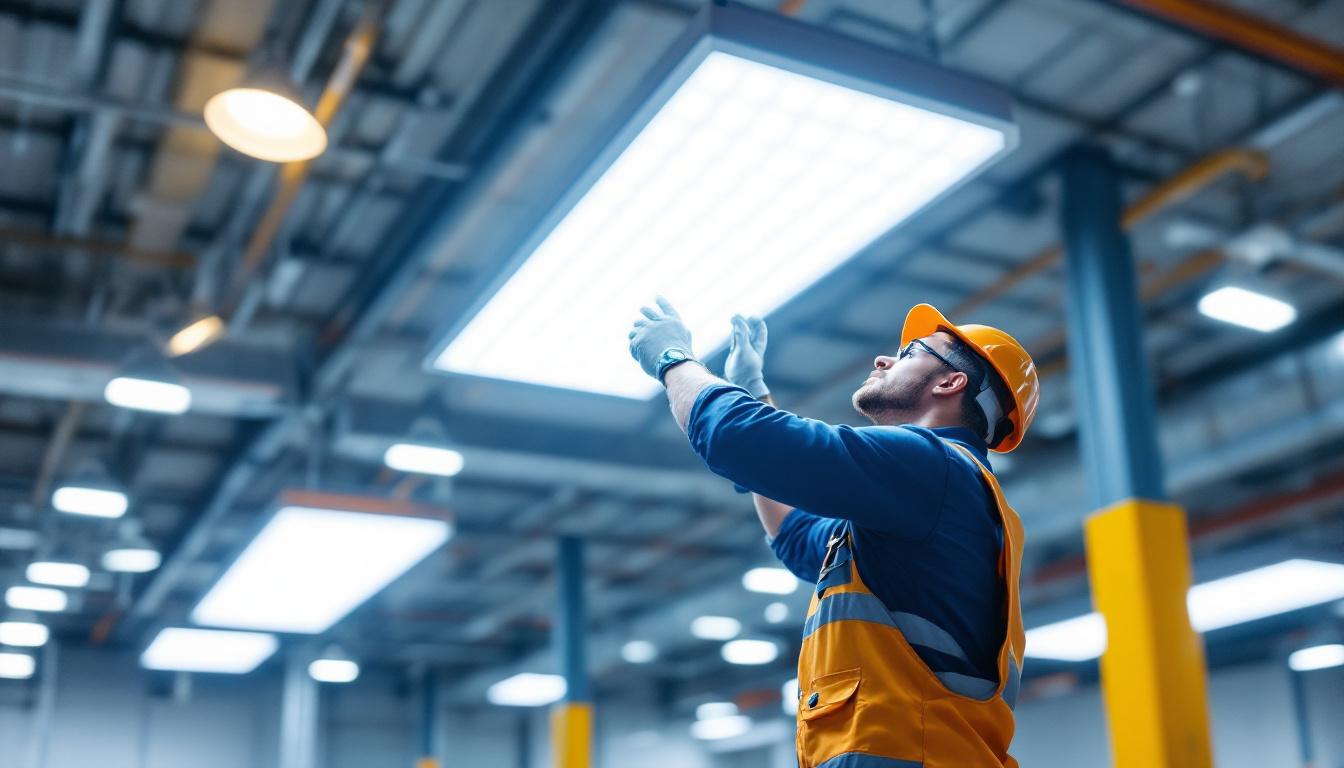
LED high bay lights have revolutionized the way large indoor spaces are illuminated. Designed for ceilings typically 20 feet or higher, these fixtures provide powerful, uniform lighting ideal for warehouses, factories, gymnasiums, and large retail spaces. For lighting contractors, mastering the nuances of LED high bay technology is essential to delivering efficient, cost-effective, and sustainable lighting solutions.
One of the key advantages of LED high bay lighting is its energy efficiency. Compared to traditional metal halide or fluorescent high bay fixtures, LEDs consume significantly less power while delivering superior light output. This translates into lower operational costs and a smaller carbon footprint for clients, which is a compelling selling point in today’s environmentally conscious market.
Moreover, LED high bay fixtures boast longer lifespans—often exceeding 50,000 hours—reducing maintenance frequency and associated labor costs. For contractors, this longevity means fewer callbacks and enhanced client satisfaction. Understanding these benefits allows contractors to confidently recommend LED high bays and tailor solutions that align with clients’ operational needs and budgets.
In addition to their efficiency and longevity, LED high bay lights also offer versatility in design and functionality. Many modern LED high bays come equipped with advanced features such as dimming capabilities, motion sensors, and smart control systems that allow users to adjust lighting levels based on occupancy or time of day. This adaptability not only enhances energy savings but also creates a more comfortable and productive environment for employees and customers alike. For example, in a warehouse setting, lights can be programmed to dim during non-peak hours, further reducing energy consumption without sacrificing safety or visibility.
Furthermore, the quality of light produced by LED high bays is another significant consideration. Unlike traditional lighting options that can emit harsh, flickering light, LEDs provide a consistent and high-quality illumination that reduces eye strain and enhances the overall visual experience. This is particularly important in environments such as gyms or retail spaces, where the right lighting can influence customer mood and engagement. By educating clients on the importance of light quality, contractors can position themselves as trusted advisors, helping businesses create spaces that not only look good but also function optimally.
Choosing the Right LED High Bay Fixtures: Key Considerations
Assessing the Space and Lighting Requirements
Before selecting LED high bay fixtures, contractors must conduct a thorough assessment of the space. Factors such as ceiling height, square footage, layout, and the nature of activities performed in the area influence fixture choice. For example, a manufacturing facility with heavy machinery may require brighter, more focused lighting compared to a storage warehouse. Additionally, the color of the walls and flooring can affect how light is perceived; lighter colors tend to reflect more light, which can enhance overall illumination.
Illumination levels are typically measured in foot-candles or lux. Industry standards recommend 30-50 foot-candles for warehouses and 50-100 foot-candles for manufacturing and assembly areas. Utilizing lighting design software or photometric analysis tools can help contractors determine the optimal number and placement of fixtures to achieve these levels efficiently. Furthermore, considering the potential for future expansion or changes in the space can also guide fixture selection, ensuring that the lighting remains effective as the space evolves.
Fixture Type and Beam Angle
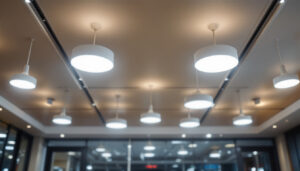
LED high bay lights come in various styles, including UFO, linear, and traditional round designs. Each has distinct beam angles and light distribution patterns. UFO-style fixtures, for example, often feature a wide beam angle suitable for open floor plans, while linear high bays provide more directional light, ideal for aisles or racking systems. The choice of fixture can also impact energy efficiency; some designs are optimized for lower wattage while still delivering high lumen output, which can lead to significant cost savings over time.
Contractors should match the beam angle to the application to minimize shadows and ensure uniform lighting. Adjustable beam angle fixtures offer flexibility but may come at a higher cost. Balancing fixture type, beam angle, and budget is critical for a successful installation. Additionally, it’s important to consider the lifespan and maintenance of the fixtures. LED lights generally have a longer lifespan than traditional lighting options, but understanding the specific maintenance needs and potential replacement costs can further inform the decision-making process. By taking all these factors into account, contractors can ensure that the chosen fixtures not only meet current needs but also adapt to future demands.
Hacks for Efficient Installation and Maintenance
Pre-Installation Planning and Coordination
Efficient installation begins with meticulous planning. Contractors should collaborate with facility managers early to understand operational schedules and minimize downtime. Scheduling installations during off-hours or weekends can reduce disruptions and improve client satisfaction.
Additionally, pre-wiring and mounting bracket preparation can accelerate on-site work. Using modular fixtures and quick-connect wiring systems simplifies installation and reduces labor time. Contractors who invest time in pre-installation logistics often experience smoother projects and fewer unexpected challenges.
Moreover, creating a detailed project timeline that outlines each phase of the installation process can further enhance efficiency. This timeline should include milestones for material delivery, on-site assembly, and quality checks. By keeping all stakeholders informed and aligned, potential bottlenecks can be identified and addressed proactively. Utilizing project management software can facilitate communication and ensure that everyone is on the same page, ultimately leading to a more organized and successful installation.
Leveraging Smart Controls and Sensors
Integrating smart controls such as occupancy sensors, daylight harvesting, and programmable dimming can dramatically enhance energy savings and user experience. For instance, occupancy sensors ensure lights are only active when the space is in use, while daylight sensors adjust brightness based on natural light availability.
Smart lighting systems also enable remote monitoring and control, allowing facility managers to optimize lighting schedules and detect issues proactively. Contractors skilled in installing and configuring these systems provide added value and differentiate themselves in a competitive market.
Furthermore, the integration of IoT (Internet of Things) technology can take smart controls to the next level. By connecting lighting systems to a centralized management platform, facility managers can analyze usage patterns and make data-driven decisions to further enhance energy efficiency. This capability not only contributes to sustainability goals but can also lead to significant cost savings over time. Training staff on how to utilize these advanced systems effectively can maximize their benefits, ensuring that the technology works seamlessly within the facility’s operational framework.
Maintenance Best Practices
Although LED high bays require less maintenance than traditional fixtures, periodic inspections remain essential. Contractors should educate clients on cleaning protocols to prevent dust accumulation, which can reduce light output and fixture lifespan.
Implementing a maintenance schedule that includes checking electrical connections, verifying sensor functionality, and inspecting for physical damage helps sustain optimal performance. Offering maintenance contracts can create recurring revenue streams and strengthen client relationships.
In addition to routine inspections, utilizing predictive maintenance strategies can significantly enhance the longevity of lighting systems. By employing advanced analytics and monitoring tools, contractors can anticipate potential failures before they occur, allowing for timely interventions. This proactive approach not only minimizes downtime but also helps clients avoid costly emergency repairs. Educating clients on the importance of this strategy can foster a deeper understanding of the value of ongoing maintenance and encourage them to invest in comprehensive service agreements that ensure their systems remain in peak condition.
Cost-Saving Strategies and Incentives
Maximizing Energy Efficiency to Reduce Operational Costs
One of the most compelling reasons for clients to switch to LED high bay lighting is the potential for substantial energy savings. Contractors can help clients achieve this by recommending fixtures with high efficacy ratings (lumens per watt) and incorporating advanced controls that minimize unnecessary usage.
Properly designed LED high bay systems can reduce energy consumption by up to 70% compared to legacy lighting. These savings often translate into rapid payback periods, making the investment attractive even for budget-conscious clients.
Utilizing Rebates and Incentive Programs
Many utility companies and government agencies offer rebates and incentives for upgrading to energy-efficient lighting. Contractors should stay informed about available programs in their service areas and assist clients in navigating application processes.
By bundling these incentives with cost-effective design and installation, contractors can present compelling proposals that lower upfront costs and enhance project feasibility. This knowledge positions contractors as trusted advisors and can accelerate project approvals.
Emerging Trends and Technologies in LED High Bay Lighting
Advancements in LED Chip Technology
Continuous improvements in LED chip efficiency and color rendering are expanding the capabilities of high bay lighting. Modern LEDs deliver brighter, more natural light while consuming less power. Enhanced color rendering indexes (CRI) improve visibility and safety in industrial environments, which is critical for quality control and worker productivity.
Contractors who stay abreast of these advancements can recommend state-of-the-art fixtures that meet evolving client demands and regulatory standards.
Integration with Building Management Systems (BMS)
Integration of LED high bay lighting with Building Management Systems is becoming increasingly common. This allows centralized control of lighting alongside HVAC, security, and other building functions, facilitating holistic energy management.
Contractors proficient in BMS integration can offer comprehensive solutions that enhance operational efficiency and provide clients with detailed analytics on energy usage and system performance.
Wireless and IoT-Enabled Lighting Solutions
Wireless LED high bay fixtures equipped with Internet of Things (IoT) capabilities enable real-time data collection and adaptive lighting controls. These systems can respond dynamically to occupancy patterns, ambient light changes, and even predictive maintenance alerts.
Adopting IoT-enabled lighting solutions positions contractors at the forefront of smart building technology, opening doors to innovative projects and long-term partnerships.
Conclusion: Empowering Lighting Contractors for Success
LED high bay lighting represents a significant opportunity for lighting contractors to deliver superior, energy-efficient solutions that meet the demands of modern industrial and commercial spaces. By understanding the technical aspects, optimizing installation and maintenance practices, leveraging cost-saving incentives, and embracing emerging technologies, contractors can enhance their expertise and provide exceptional value to clients.
Staying informed and adaptable in this rapidly evolving field will not only improve project outcomes but also strengthen contractor reputations and business growth. Smart lighting contractors who apply these hacks will be well-positioned to lead the market and drive sustainable lighting innovations forward.
Upgrade Your Lighting Projects with LumenWholesale
Ready to take your lighting installations to the next level? At LumenWholesale, we provide smart lighting contractors like you with the highest quality, spec-grade LED high bay lights at unbeatable wholesale prices. Say goodbye to local distributor markups and hello to a vast selection of reliable, high-performance lighting that meets the strictest industry standards. Plus, with free shipping on bulk orders, you can stock up on premium lighting solutions at the best value — no hidden fees, no compromises. Elevate your lighting projects and experience the ideal combination of quality, affordability, and convenience. Visit LumenWholesale for Wholesale Lighting at the Best Value and start transforming your lighting capabilities today.