In the modern world of lighting design, LED technology has transformed the way spaces are illuminated. For lighting contractors, understanding the nuances of LED wall lights is essential for delivering high-quality installations that meet client expectations. This article explores the various aspects of LED wall lights, including their benefits, installation considerations, and design applications.
The Advantages of LED Wall Lights
LED wall lights have gained popularity for a multitude of reasons. Their energy efficiency, longevity, and versatility make them an attractive option for both residential and commercial spaces.
Energy Efficiency
One of the most significant advantages of LED wall lights is their energy efficiency. Compared to traditional incandescent or fluorescent lights, LEDs consume significantly less power while providing the same or even greater illumination. This efficiency translates to lower energy bills for clients, making LED lights a cost-effective choice in the long run.
Moreover, the reduced energy consumption contributes to a smaller carbon footprint, aligning with the growing trend toward sustainability in building practices. As more clients prioritize eco-friendly solutions, offering LED options can enhance a contractor’s appeal. Furthermore, many utility companies offer rebates or incentives for using energy-efficient lighting, which can further offset initial installation costs and encourage clients to make the switch to LED technology.
Longevity and Durability
LED lights boast an impressive lifespan, often exceeding 25,000 hours of use. This longevity means less frequent replacements, which can save clients both time and money. For lighting contractors, this translates to fewer service calls and a more satisfied customer base.
Additionally, LED technology is more robust than traditional lighting options. They are less prone to breakage, making them ideal for high-traffic areas or installations where durability is paramount. This resilience ensures that clients receive a reliable lighting solution that stands the test of time. The solid-state construction of LEDs also means they are less susceptible to damage from vibrations or impacts, making them suitable for a variety of environments, from bustling retail spaces to serene residential settings.
Versatility in Design
LED wall lights come in a wide array of styles, shapes, and colors, allowing for creative freedom in design. Whether it’s for a modern office, a cozy home, or an artistic gallery, there is an LED solution that fits the aesthetic needs of any space.
This versatility also extends to functionality. LED wall lights can serve various purposes, from ambient lighting to task lighting, and can be integrated into smart home systems. Contractors can offer tailored solutions that enhance the overall experience of the space, making it more appealing to clients. Additionally, the ability to adjust brightness and color temperature with many LED fixtures allows for dynamic lighting schemes that can change the mood of a room at the touch of a button. This adaptability not only enhances the visual appeal but also supports the well-being of occupants by allowing them to customize their lighting environment to suit their activities, whether it’s working, relaxing, or entertaining.
Installation Considerations for LED Wall Lights
While the benefits of LED wall lights are clear, proper installation is crucial to ensure optimal performance and longevity. Lighting contractors must be aware of several key considerations during the installation process.
Electrical Requirements
Before installation, it is essential to assess the electrical requirements of the LED wall lights. Most LED fixtures operate on low voltage, which may require a transformer if the existing wiring is not compatible. Understanding the electrical specifications will help avoid potential issues down the line.
Additionally, it is vital to ensure that the circuit can handle the load of the new fixtures. Overloading a circuit can lead to flickering lights, tripped breakers, or even fire hazards. A thorough evaluation of the electrical system is a necessary step in the installation process. It is also advisable to consider the use of dimmer switches compatible with LED technology, as this can enhance the versatility of the lighting and allow for mood adjustments in various settings.
Placement and Spacing
The placement and spacing of LED wall lights can significantly impact the overall lighting effect in a space. Contractors should consider the purpose of the lighting—whether it is for accent, general, or task lighting—when determining the appropriate locations.
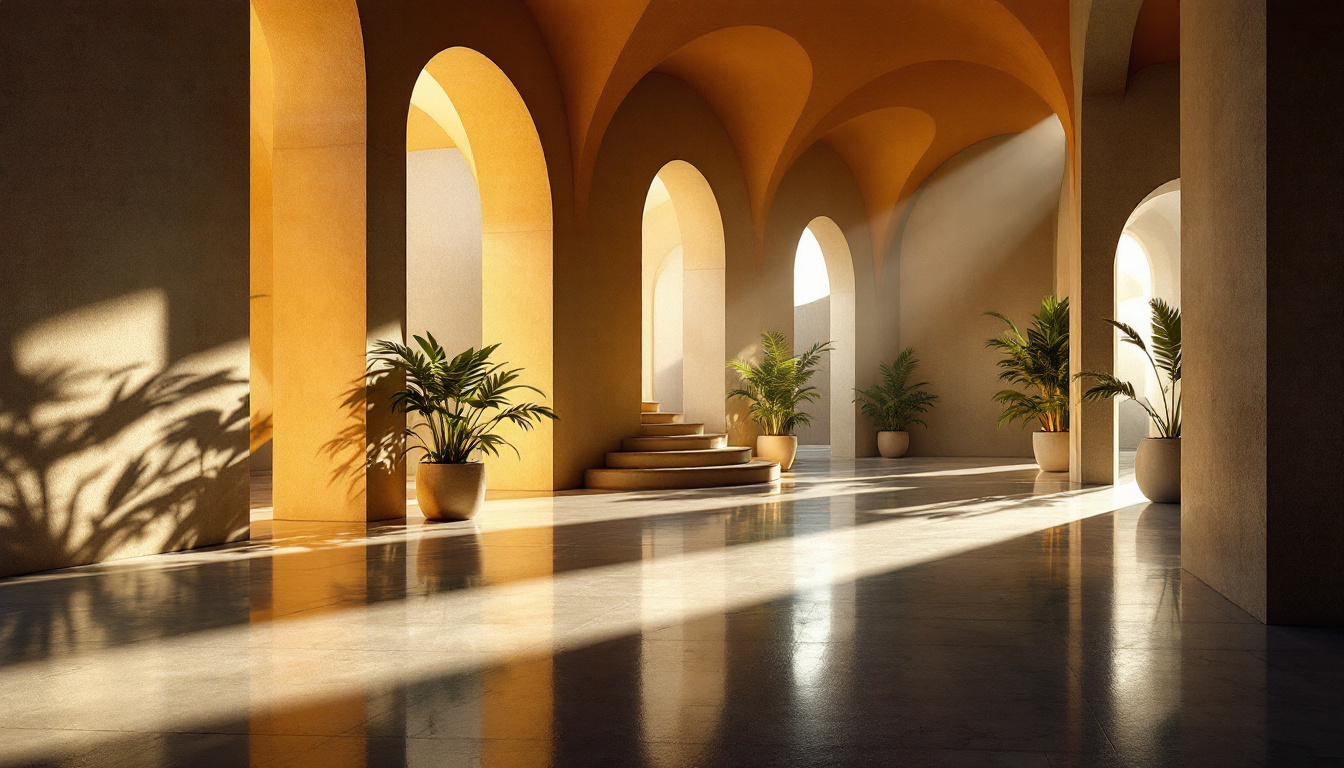
For instance, in a hallway, wall lights should be spaced evenly to provide uniform illumination. In contrast, for accent lighting, fixtures may be strategically placed to highlight artwork or architectural features. Proper placement not only enhances functionality but also contributes to the aesthetic appeal of the environment. It is also beneficial to take into account the height at which the fixtures are installed, as this can influence the distribution of light and the overall ambiance of the room. A well-thought-out lighting plan can transform a mundane space into an inviting and visually dynamic area.
Mounting Options
LED wall lights come with various mounting options, including surface-mounted, recessed, and flush-mounted designs. Contractors should be familiar with the different mounting techniques and select the most appropriate option based on the specific requirements of the installation site.
Surface-mounted fixtures are ideal for spaces with limited ceiling height, while recessed lights can create a clean, modern look. Understanding the advantages and limitations of each mounting style will enable contractors to make informed decisions that best serve their clients’ needs. Furthermore, it is important to consider the surrounding decor and architectural style when selecting mounting options; for example, a vintage-inspired space may benefit from decorative sconces, while a contemporary setting might call for sleek, minimalist designs. The right choice not only ensures functionality but also enhances the overall design narrative of the space.
Design Applications for LED Wall Lights
LED wall lights are incredibly versatile and can be used in a range of applications. From residential homes to commercial spaces, understanding the various design applications can help contractors maximize the potential of LED technology.
Residential Spaces
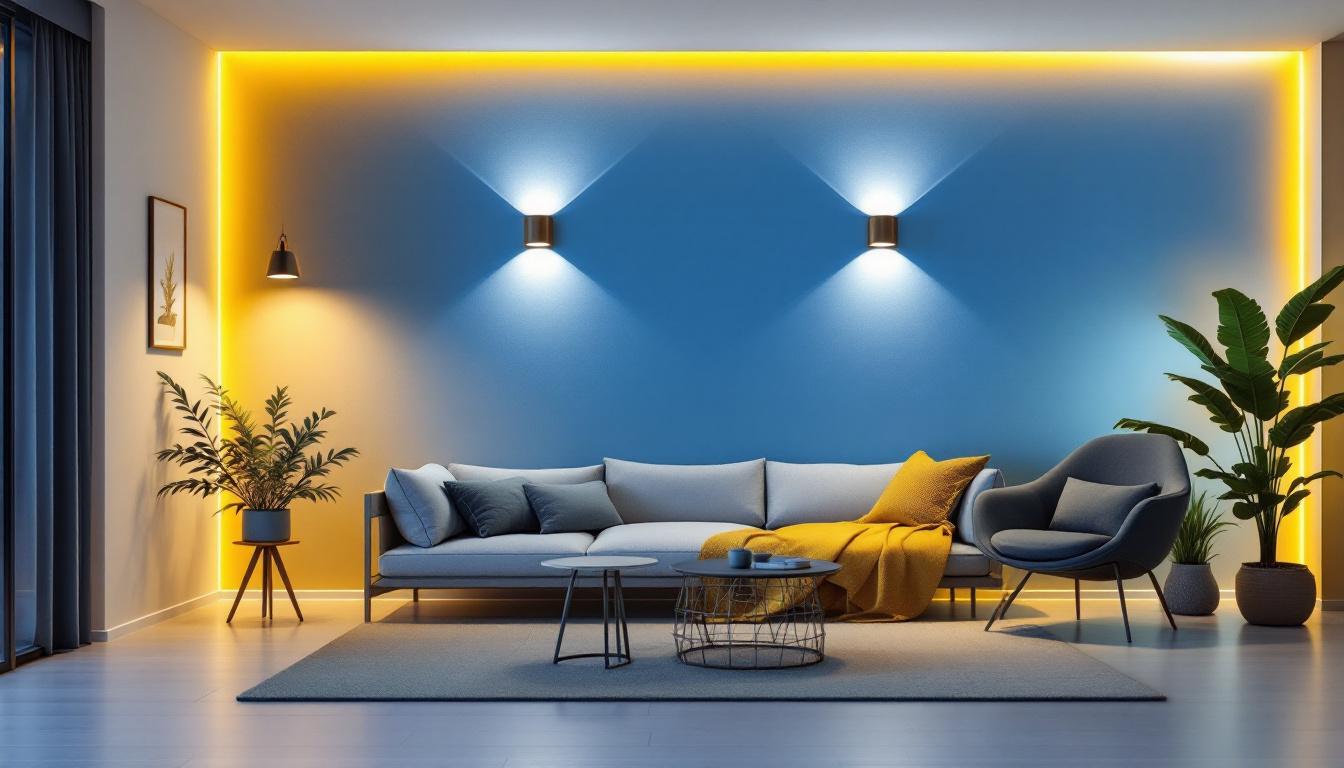
In residential settings, LED wall lights can enhance the ambiance of living rooms, bedrooms, and hallways. They can be used to create a warm and inviting atmosphere or to provide functional lighting for specific tasks.
For example, in a living room, wall sconces can be used to create a cozy reading nook, while in a hallway, they can provide essential illumination for safety. The ability to choose from various styles allows homeowners to express their personal taste while enjoying the benefits of LED technology.
Commercial Spaces
In commercial environments, LED wall lights serve both functional and aesthetic purposes. They can illuminate workspaces, enhance branding, and create an inviting atmosphere for customers. For instance, in retail settings, strategically placed LED fixtures can highlight merchandise and draw attention to promotional displays.
Moreover, in office environments, LED wall lights can improve productivity by providing adequate lighting for work areas. The flexibility in design allows contractors to create tailored lighting solutions that meet the unique needs of each commercial client.
Outdoor Applications
LED wall lights are not limited to indoor use; they are also an excellent choice for outdoor applications. Whether illuminating patios, walkways, or building exteriors, outdoor LED fixtures provide safety and security while enhancing the overall aesthetic of the property.
Weather-resistant designs ensure that outdoor LED lights can withstand the elements, making them a reliable choice for exterior installations. Additionally, the energy efficiency of LED technology is particularly advantageous for outdoor lighting, where fixtures may be left on for extended periods.
Future Trends in LED Wall Lighting
The landscape of LED wall lighting is continually evolving, with new technologies and trends emerging regularly. Staying informed about these trends can help lighting contractors remain competitive and provide cutting-edge solutions to their clients.
Smart Lighting Integration
As smart home technology becomes increasingly popular, the integration of LED wall lights with smart systems is a trend that contractors should embrace. Smart LED lights can be controlled remotely via smartphones or voice-activated devices, allowing users to adjust brightness, color, and timing with ease.
This level of control not only enhances convenience but also allows for energy savings by enabling users to turn off lights when they are not needed. Contractors who offer smart lighting solutions can attract tech-savvy clients looking for modern and efficient lighting options.
Human-Centric Lighting
Another emerging trend is the concept of human-centric lighting, which focuses on creating lighting environments that support human health and well-being. This approach considers factors such as color temperature and intensity, aiming to mimic natural light patterns.
By incorporating human-centric lighting principles into LED wall light designs, contractors can create spaces that promote comfort, productivity, and overall well-being. This trend aligns with the growing awareness of the impact of lighting on mental and physical health, making it a valuable consideration for modern installations.
Innovative Designs and Materials
As the demand for unique and aesthetically pleasing lighting solutions grows, innovative designs and materials are becoming more prevalent in the LED wall light market. From sculptural fixtures to environmentally friendly materials, the options are expanding.
Contractors should stay abreast of these developments to offer clients the latest trends in design. By showcasing unique and stylish LED wall lights, contractors can differentiate themselves in a competitive market while meeting the diverse preferences of their clients.
Conclusion
LED wall lights represent a significant advancement in lighting technology, offering numerous benefits for both contractors and clients. Understanding the advantages, installation considerations, design applications, and future trends is essential for lighting contractors looking to excel in their field.
By staying informed and adapting to the evolving landscape of LED technology, contractors can provide exceptional lighting solutions that enhance the functionality and aesthetics of any space. Embracing LED wall lights not only meets the demands of modern clients but also positions contractors as leaders in the lighting industry.
Illuminate Your Projects with LumenWholesale
Ready to elevate your lighting installations with the efficiency and elegance of LED wall lights? At LumenWholesale, we provide lighting contractors like you with the finest spec-grade LED lighting products at unbeatable wholesale prices. Say goodbye to local distributor markups and hello to our extensive selection that meets the highest industry standards. With free shipping on bulk orders, you can trust that you’re getting premium lighting solutions at the best value — no hidden fees, no compromises. Enhance your next project with the quality, affordability, and convenience that only LumenWholesale can offer. Discover our range and take advantage of Wholesale Lighting at the Best Value today.