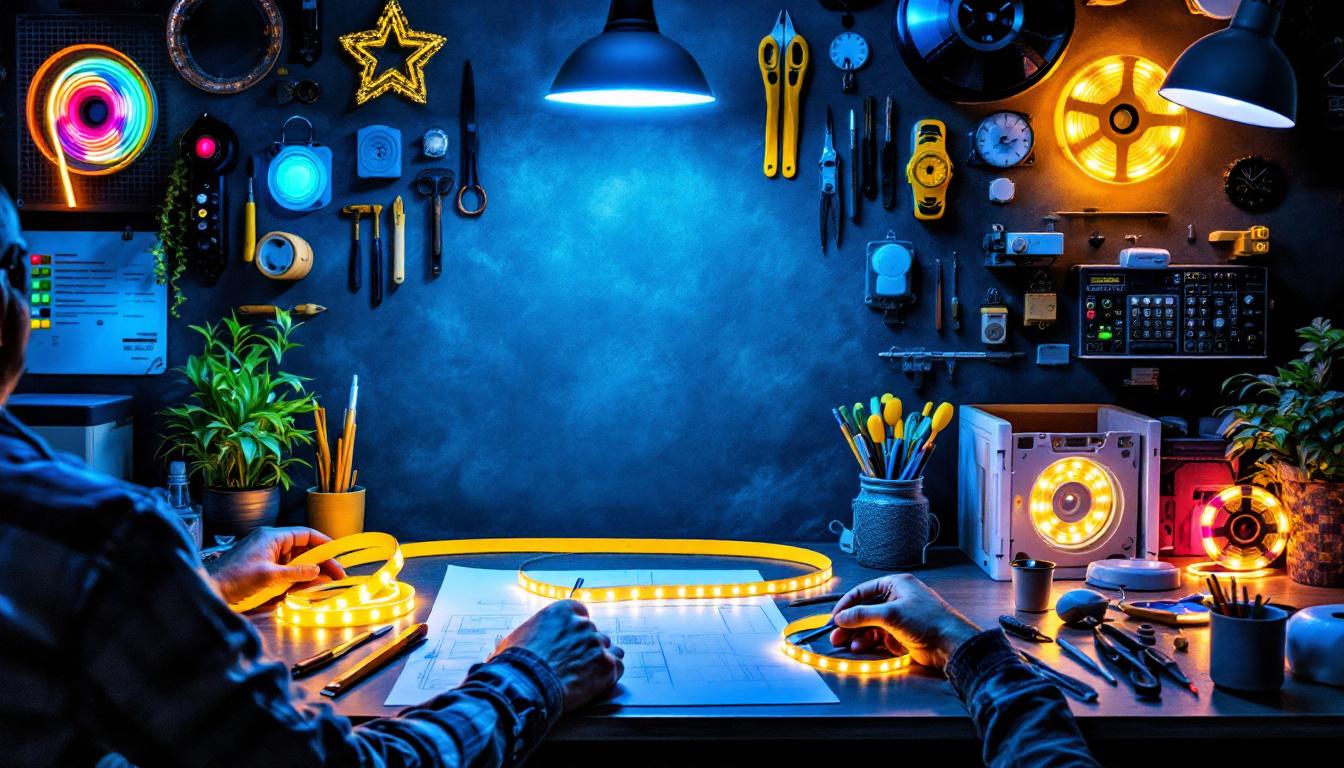
In the ever-evolving world of lighting design, LED light strip tape has emerged as a versatile and efficient solution for both residential and commercial applications. However, despite its growing popularity, many lighting contractors encounter pitfalls that can lead to costly mistakes. Understanding the nuances of LED strip lighting can ensure that projects not only meet client expectations but also enhance the overall aesthetic and functionality of the space. This article aims to guide lighting contractors through the essential considerations to avoid common errors when utilizing LED light strip tape in their projects.
Understanding LED Light Strip Tape
LED light strip tape is a flexible circuit board populated with light-emitting diodes (LEDs) that can be adhered to various surfaces. Its adaptability makes it suitable for a range of applications, from accent lighting to task lighting. However, to harness its full potential, contractors must grasp the technical specifications and installation methods associated with these products.
Types of LED Light Strips
LED light strips come in various types, including standard, waterproof, and RGB (color-changing) options. Each type serves different purposes and environments. For instance, waterproof strips are ideal for outdoor applications or areas prone to moisture, while RGB strips offer dynamic color options for creative designs. These RGB strips can be controlled via remote or smartphone apps, allowing users to change colors and brightness levels to match their mood or occasion, making them particularly popular for events and parties.
Contractors should assess the project requirements to select the appropriate type of LED strip. Choosing the wrong type can lead to performance issues, such as inadequate brightness or premature failure due to environmental factors. Additionally, understanding the installation environment is crucial; for example, strips used in kitchens or bathrooms should be rated for humidity to ensure longevity and safety. Proper installation techniques, including using adhesive backing and ensuring secure connections, can further enhance the durability and effectiveness of the lighting solution.
Understanding Specifications
Specifications such as lumens per foot, color temperature, and wattage are crucial when selecting LED light strips. Lumens indicate the brightness of the strip, while color temperature affects the ambiance of the space. For example, a warmer color temperature (around 2700K) creates a cozy atmosphere, whereas cooler temperatures (5000K and above) are more suitable for task-oriented areas. Understanding these specifications allows contractors to create tailored lighting solutions that enhance both aesthetics and functionality in various settings, from residential to commercial.
Moreover, wattage determines the power consumption of the strips. Ensuring that the power supply can handle the total wattage of the installed strips is vital to avoid overloading circuits and causing failures. It’s also important to consider the voltage requirements, as many LED strips operate on low voltage, which necessitates the use of a transformer. Additionally, some advanced LED strips come with features like dimmability and programmable settings, which can further enhance their versatility. By selecting the right specifications and features, contractors can optimize energy efficiency while providing effective lighting solutions that meet their clients’ needs.
Planning the Installation
A well-thought-out installation plan is essential for maximizing the effectiveness of LED light strip tape. This includes considering the layout, power requirements, and aesthetic goals of the project.
Layout Considerations
The layout of LED light strips should be carefully planned to achieve the desired lighting effect. Whether the goal is to illuminate a workspace, highlight architectural features, or create mood lighting, the placement of the strips can significantly impact the outcome.
Contractors should use design software or sketches to visualize the layout before installation. This helps identify potential issues, such as shadows or uneven light distribution, allowing for adjustments to be made in advance.
Additionally, it’s crucial to consider the surrounding environment when planning the layout. For instance, reflective surfaces can enhance the brightness of the LED strips, while darker areas may require more concentrated lighting. Understanding how different materials and colors interact with light can lead to a more harmonious and effective lighting scheme. Furthermore, the height at which the strips are installed can also influence their visibility and impact; higher placements may create a soft wash of light, while lower placements can provide more direct illumination.
Power Supply Planning
One of the most common mistakes in LED strip installations is underestimating the power supply requirements. Each LED strip has specific voltage and current needs, and selecting an inadequate power supply can lead to flickering lights or complete failure.
It is advisable to calculate the total wattage of all strips to be installed and choose a power supply that exceeds this requirement by at least 20%. This buffer ensures reliability and longevity, preventing potential disruptions in the lighting system.
Moreover, it’s important to consider the location of the power supply itself. Ideally, it should be placed in a well-ventilated area to prevent overheating, as excessive heat can shorten the lifespan of both the power supply and the LED strips. Additionally, using a power supply with built-in dimming capabilities can offer greater flexibility in adjusting light levels to suit different occasions or moods. This feature can be particularly beneficial in multi-functional spaces where lighting needs may vary throughout the day or during different activities.
Installation Techniques
Proper installation techniques are crucial for ensuring the longevity and performance of LED light strip tape. Inadequate installation can lead to issues such as peeling, overheating, or electrical failures.
Surface Preparation
Before applying the LED strip tape, the surface must be thoroughly cleaned and prepared. Dust, grease, or moisture can hinder the adhesive’s effectiveness, leading to premature detachment. Using isopropyl alcohol to clean the surface is recommended, as it evaporates quickly and leaves no residue.
For surfaces that are uneven or textured, additional adhesive may be required to ensure proper adhesion. Double-sided tape or mounting clips can provide extra support, particularly in high-traffic areas. It’s also advisable to allow the cleaned surface to dry completely before application, as any lingering moisture can compromise the adhesive bond. Furthermore, considering the temperature of the installation environment is vital; extreme cold or heat can affect the adhesive properties, so aim for a moderate temperature during installation for optimal results.
Proper Cutting and Connecting
LED strip tape can typically be cut at designated points along the strip. However, improper cutting can damage the circuit, leading to non-functioning sections. Contractors should always refer to the manufacturer’s guidelines for cutting and connecting strips to ensure a successful installation.
When connecting strips, it is essential to use compatible connectors or soldering techniques to maintain a secure electrical connection. Loose connections can result in flickering or loss of power, ultimately affecting the overall performance of the lighting system. Additionally, when soldering, using the right gauge wire is crucial to handle the current load effectively. For those unfamiliar with soldering, there are various tutorials available online that can guide you through the process, ensuring that you achieve a reliable and professional finish. Moreover, consider the layout of your LED strips; planning the arrangement beforehand can help avoid unnecessary cuts and connections, leading to a cleaner and more efficient installation.
Testing and Troubleshooting
After installation, thorough testing is crucial to ensure everything operates as expected. This step can help identify any issues before the project is completed and handed over to the client.
Conducting Tests
Testing should include checking for uniform brightness across all strips, verifying color consistency (in RGB installations), and ensuring that the system operates without flickering. Any discrepancies should be addressed immediately, as they can lead to dissatisfaction from the client.
Additionally, it is wise to conduct a stress test by running the lights for an extended period to check for overheating or other issues that may arise during prolonged use.
Troubleshooting Common Issues
Even with careful planning and installation, issues can still arise. Common problems include flickering lights, uneven brightness, or sections of the strip not lighting up. Identifying the root cause is essential for effective troubleshooting.
Flickering can often be attributed to inadequate power supply or loose connections. Checking the power supply specifications and ensuring all connections are secure can resolve this issue. Uneven brightness may indicate that the strips are not receiving equal voltage, which can be addressed by ensuring proper wiring and connections.
Maintenance and Upkeep
Once the installation is complete, ongoing maintenance is necessary to ensure the longevity of the LED light strips. Regular upkeep can prevent issues and extend the life of the lighting system.
Regular Inspections
Conducting regular inspections of the installed LED strips can help identify potential problems early. Look for signs of wear, such as discoloration or peeling, which may indicate that the adhesive is failing or that the strips are overheating.
Additionally, checking the power supply and connections periodically can prevent unexpected failures. Keeping a log of inspections can help track the performance and any issues that arise over time.
Cleaning and Care
Dust and debris can accumulate on LED strips, affecting their brightness and overall performance. Using a soft, dry cloth to gently wipe the surface of the strips can help maintain their appearance and functionality.
For more thorough cleaning, it is essential to ensure that the power is turned off and to avoid using abrasive materials that could scratch the surface of the strips. Regular cleaning can enhance the aesthetic appeal and prolong the life of the lighting system.
Conclusion
LED light strip tape offers a world of possibilities for lighting contractors, but navigating its complexities requires careful planning and execution. By understanding the types of strips available, adhering to proper installation techniques, and conducting thorough testing and maintenance, contractors can avoid costly mistakes and deliver exceptional results to their clients.
In an industry where client satisfaction is paramount, taking the time to educate oneself on the nuances of LED light strips can lead to successful projects that not only meet but exceed expectations. By implementing the strategies outlined in this article, lighting contractors can enhance their expertise and ensure that their lighting projects shine brightly.
Illuminate Your Projects with LumenWholesale
Ready to elevate your lighting projects with the highest quality LED light strip tape? Look no further than LumenWholesale, where we provide contractors with spec-grade lighting products at unbeatable wholesale prices. Say goodbye to inflated markups and hello to a vast selection of reliable, high-performance lighting that meets the highest industry standards. With free shipping on bulk orders, you can stock up on premium lighting solutions without the hassle of hidden fees. Make your next project shine with the perfect blend of quality, affordability, and convenience. Discover Wholesale Lighting at the Best Value today and light up your world with LumenWholesale.