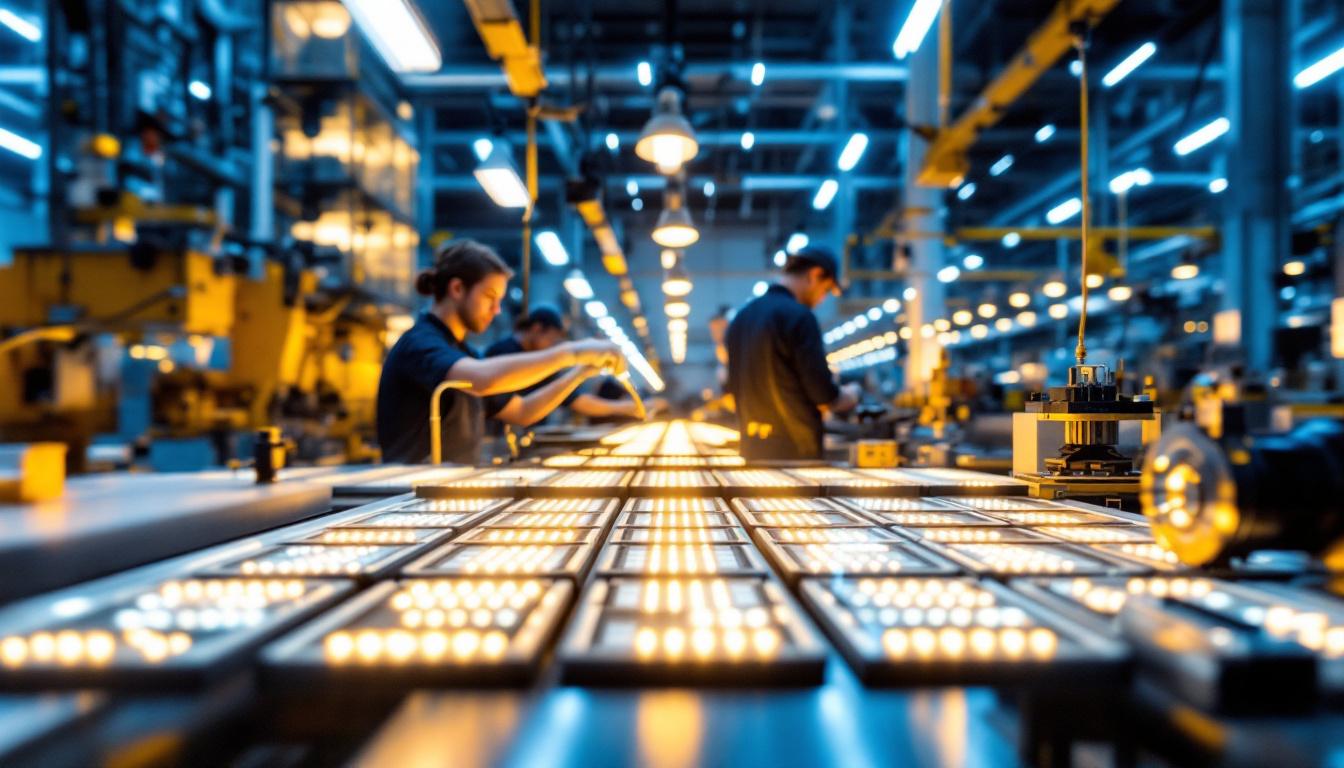
Introduction to LED Light Factories and Their Impact on Modern Lighting
The lighting industry has undergone a transformative shift with the advent and rapid adoption of LED technology. At the heart of this revolution are LED light factories, specialized manufacturing hubs that design, produce, and distribute LED lighting components and fixtures. For lighting contractors, understanding the role and capabilities of these factories is essential to delivering efficient, sustainable, and cutting-edge lighting solutions to clients.
LED light factories not only produce the physical products but also drive innovation, quality control, and customization that define modern lighting systems. Their influence extends from residential and commercial applications to industrial and outdoor lighting, making them pivotal players in the lighting supply chain.
One of the most significant advancements made possible by LED light factories is the ability to create highly energy-efficient lighting solutions that drastically reduce electricity consumption. This efficiency is not merely a trend; it represents a crucial step toward sustainability, helping to lower carbon footprints and promote environmental responsibility. Furthermore, many factories are now integrating smart technology into their products, allowing for features such as remote control, programmable settings, and integration with home automation systems. This shift towards smart lighting solutions is reshaping how we interact with our environments, enhancing both convenience and energy management.
Additionally, LED light factories are increasingly focusing on customization to meet the diverse needs of their clients. With the rise of personalized lighting experiences, manufacturers can now produce tailored solutions that cater to specific aesthetic preferences and functional requirements. This includes a wide array of color temperatures, brightness levels, and fixture designs that can be adapted for various settings, from cozy residential spaces to expansive commercial venues. As a result, lighting contractors are empowered to offer bespoke solutions that not only illuminate but also enhance the ambiance and usability of any space, making the collaboration with LED light factories more crucial than ever.
The Evolution of LED Manufacturing: From Components to Complete Solutions
Advancements in LED Chip Technology
LED light factories invest heavily in research and development to improve LED chip efficiency, color rendering, and longevity. Modern LED chips offer higher lumen output per watt, which translates to brighter light with lower energy consumption—a critical factor for contractors aiming to meet client demands for energy efficiency and sustainability.
Moreover, factories have refined phosphor coatings and thermal management techniques to enhance color consistency and reduce heat buildup, ensuring that LED fixtures maintain performance over extended periods. This technological evolution enables contractors to specify products that meet rigorous standards and deliver superior lighting quality. The introduction of new materials, such as graphene and advanced ceramics, has also paved the way for even more efficient heat dissipation, further extending the lifespan of LED products. As a result, manufacturers are now able to offer warranties that reflect the durability and reliability of their chips, giving contractors and end-users added peace of mind.
Integration of Smart Lighting Features
Another significant advancement facilitated by LED light factories is the integration of smart technologies. Many factories now produce LED fixtures embedded with sensors, wireless communication modules, and programmable drivers. These features allow for dynamic lighting control, occupancy sensing, and energy management, aligning with the growing trend toward smart buildings and IoT-enabled environments.
For lighting contractors, partnering with factories that offer customizable smart lighting solutions can differentiate their service offerings and provide clients with scalable, future-proof lighting systems. Additionally, the rise of machine learning algorithms in smart lighting systems enables predictive maintenance and energy optimization, allowing contractors to offer clients not just installation services but also ongoing support and upgrades. This shift toward intelligent lighting solutions not only enhances user experience but also contributes to significant cost savings over time, as systems can adjust automatically based on usage patterns and environmental conditions. As the demand for smart infrastructure continues to grow, the ability to provide integrated lighting solutions will become a key competitive advantage in the marketplace.
Quality Assurance and Compliance in LED Light Production
Meeting Industry Standards and Certifications
LED light factories adhere to strict quality assurance protocols to ensure their products meet international standards such as UL, CE, RoHS, and Energy Star. These certifications guarantee safety, environmental compliance, and energy efficiency, which are crucial considerations for contractors when selecting lighting products.
Factories implement rigorous testing processes, including photometric analysis, thermal cycling, and electrical safety tests. This comprehensive approach minimizes product failures and enhances reliability, reducing warranty claims and maintenance costs for contractors and end-users alike. Furthermore, many manufacturers invest in advanced technologies such as automated testing systems that provide real-time data on product performance, allowing for immediate adjustments and improvements. This proactive stance not only boosts product quality but also fosters a culture of continuous improvement, ensuring that the latest innovations are swiftly integrated into production lines.
Traceability and Supply Chain Transparency
In today’s market, transparency in sourcing and manufacturing is increasingly important. Leading LED light factories maintain detailed traceability of components and materials, ensuring ethical sourcing and compliance with environmental regulations. This transparency supports contractors in meeting sustainability goals and addressing client concerns about environmental impact.
Moreover, many factories are now adopting blockchain technology to enhance traceability throughout the supply chain. This innovative approach allows stakeholders to track the origin of materials and components in real-time, providing an unprecedented level of assurance regarding ethical practices. By leveraging such technologies, manufacturers can not only demonstrate their commitment to sustainability but also build stronger relationships with clients who prioritize corporate social responsibility. As a result, contractors are better equipped to present their projects as environmentally friendly, aligning with the growing demand for sustainable building practices in the construction industry.
Customization and Flexibility: Meeting Diverse Lighting Needs
Tailored Solutions for Unique Projects
One of the standout capabilities of modern LED light factories is their ability to customize products to meet specific project requirements. Whether it’s adjusting color temperature, beam angle, fixture size, or incorporating unique mounting options, factories work closely with contractors to deliver bespoke lighting solutions.
This flexibility is particularly valuable in commercial and architectural lighting projects where aesthetics, functionality, and compliance with design specifications are paramount. Customized LED products enable contractors to address complex challenges and achieve precise lighting effects. For instance, in a high-end retail environment, the right lighting can enhance product displays and create an inviting atmosphere, while in a corporate office, tailored lighting can improve employee productivity and well-being. The ability to modify features such as dimming capabilities or color rendering index (CRI) ensures that each installation meets the specific needs of the space and its users.
Rapid Prototyping and Small Batch Production
Advancements in manufacturing techniques, such as surface-mount technology (SMT) and automated assembly lines, allow LED light factories to offer rapid prototyping and small batch production. This agility supports contractors working on pilot projects or phased installations, reducing lead times and allowing for iterative design improvements.
Moreover, this capability fosters innovation, as designers and engineers can test new concepts without the risk of large-scale production costs. For example, a lighting designer may experiment with different LED configurations and optics to create a unique lighting experience for a public art installation. The ability to produce small quantities quickly means that creative ideas can be brought to life and evaluated in real-world settings, paving the way for future advancements in lighting technology. Additionally, this approach aligns with the growing trend of sustainability in manufacturing, as it minimizes waste and allows for more efficient resource use, ultimately benefiting both the environment and the bottom line.
Energy Efficiency and Sustainability: Core Benefits Delivered by LED Factories
Reducing Energy Consumption and Operational Costs
LED lighting is renowned for its energy efficiency, consuming significantly less power than traditional incandescent or fluorescent lamps. LED light factories continuously optimize product designs to maximize lumen output while minimizing energy use, directly benefiting contractors’ clients by lowering electricity bills and reducing carbon footprints.
For contractors, specifying LED products from reputable factories ensures that energy savings are realized without compromising light quality or durability, reinforcing their reputation as providers of sustainable solutions.
Environmental Impact and Circular Economy Initiatives
Many LED light factories are embracing sustainability beyond product efficiency by adopting environmentally responsible manufacturing practices. This includes using recyclable materials, reducing hazardous substances, and implementing waste reduction programs.
Some factories also participate in circular economy initiatives, offering take-back programs or designing products for easier disassembly and recycling. Lighting contractors can leverage these factory-driven initiatives to promote green building certifications and meet client sustainability targets.
Global Supply Chain Dynamics and Their Influence on Lighting Contractors
Managing Lead Times and Inventory Challenges
The global nature of LED light factories means that lighting contractors must navigate complex supply chains. Factors such as raw material availability, shipping logistics, and geopolitical influences can affect lead times and product availability.
Establishing strong relationships with reliable LED factories and maintaining clear communication helps contractors anticipate potential delays and manage inventory effectively, ensuring project timelines are met without compromising quality.
Cost Considerations and Value Engineering
While LED technology has become more affordable, cost remains a critical factor for many projects. LED light factories offer a range of product tiers, allowing contractors to balance upfront costs with long-term performance and energy savings.
Value engineering—selecting products that optimize cost without sacrificing critical features—is a collaborative process between contractors and factories. This approach ensures that lighting solutions are both economically viable and aligned with client expectations.
Conclusion: The Strategic Importance of LED Light Factories for Lighting Contractors
LED light factories are more than just manufacturers; they are innovation centers, quality guardians, and partners in delivering advanced lighting solutions. For lighting contractors, engaging with these factories is crucial to accessing the latest technologies, ensuring product reliability, and customizing solutions that meet diverse project demands.
By understanding the capabilities and roles of LED light factories, contractors can enhance their service offerings, improve project outcomes, and contribute to a more sustainable and efficient built environment. As the lighting industry continues to evolve, the collaboration between contractors and LED light factories will remain a cornerstone of modern lighting success.
Illuminate Your Projects with LumenWholesale
Ready to elevate your lighting solutions and outshine the competition? At LumenWholesale, we provide lighting contractors with the highest quality, spec-grade LED lighting products at unbeatable wholesale prices. Say goodbye to middleman markups and hello to a vast selection of lighting that meets the most stringent industry standards. Our commitment to reliability and performance, paired with the convenience of free shipping on bulk orders, ensures you get the best value without any hidden costs. Don’t compromise on quality or price. Wholesale Lighting at the Best Value is just a click away. Partner with LumenWholesale today and bring superior lighting to every project.