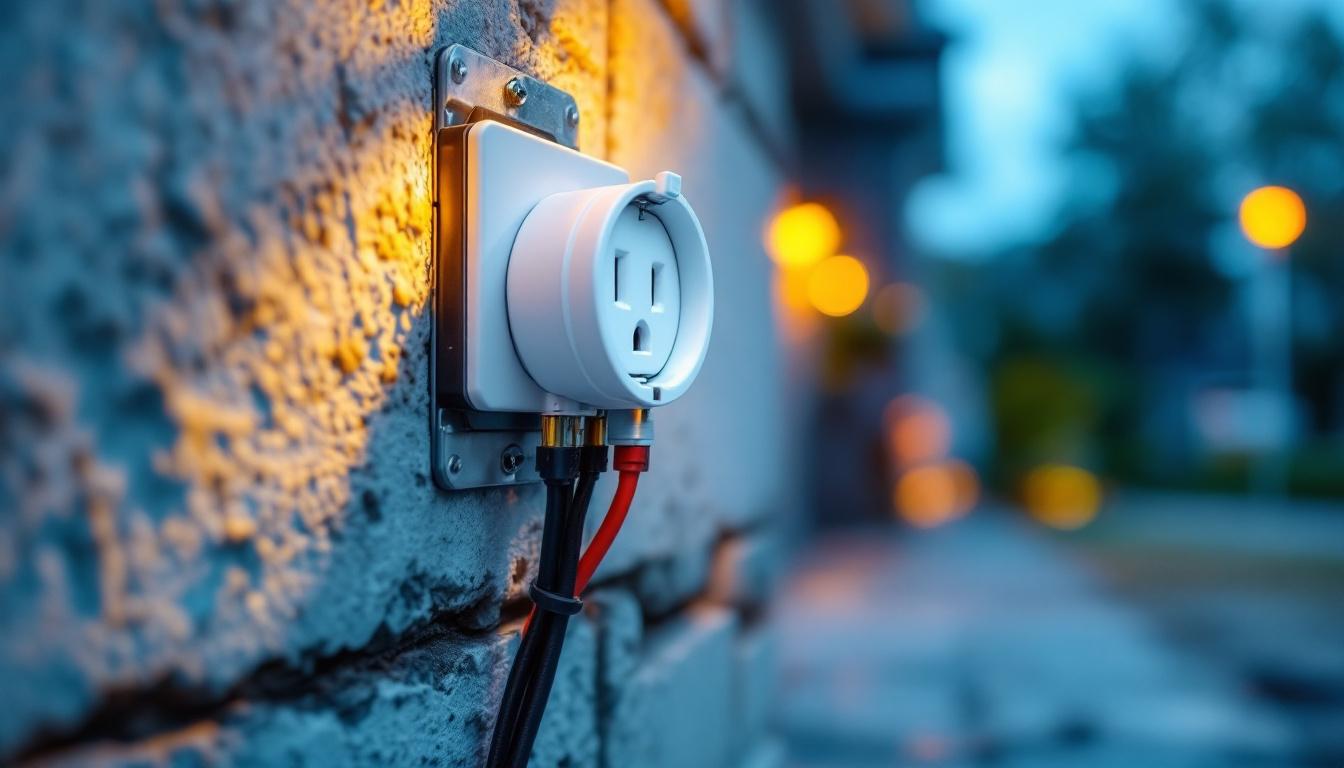
Understanding Isolated Ground Outlets: What Lighting Contractors Need to Know
Isolated ground outlets are a specialized type of electrical receptacle designed to reduce electrical noise and interference in sensitive equipment. For lighting contractors, understanding the function and application of these outlets is crucial, especially when working in environments where lighting controls, dimmers, and other electronic devices are susceptible to electrical noise.
Unlike standard grounded outlets, isolated ground outlets feature a dedicated grounding path that is separate from the building’s main grounding system. This separation helps to minimize the potential for ground loops and electromagnetic interference (EMI), which can cause flickering lights, erratic dimmer performance, or even damage to sensitive electronic lighting components.
Lighting contractors often encounter isolated ground outlets in commercial, healthcare, and industrial settings where precision lighting control and equipment reliability are paramount. Recognizing when and how to install these outlets ensures compliance with electrical codes and enhances the performance of lighting systems.
In addition to their application in specialized environments, isolated ground outlets can play a significant role in enhancing the overall safety of electrical installations. By reducing the risk of electrical noise, these outlets can help prevent malfunctions in critical systems, such as those used in surgical rooms or data centers, where even minor fluctuations in power can lead to significant operational issues. Furthermore, the use of isolated ground outlets can also be a proactive measure against potential damage caused by power surges or transient voltages, which are common in high-tech environments.
Moreover, it’s essential for lighting contractors to be aware of the installation requirements and best practices associated with isolated ground outlets. This includes ensuring that the dedicated grounding conductor is properly connected to an appropriate grounding point, as well as verifying that the outlet is installed in compliance with local electrical codes. Proper labeling of these outlets is also important, as it helps to inform other contractors and maintenance personnel of the specialized nature of the installation, thereby preventing accidental misuse or disconnection that could compromise the integrity of the lighting system.
Why Are Isolated Ground Outlets Important in Lighting Installations?
Reducing Electrical Noise and Interference
One of the primary reasons isolated ground outlets are used in lighting installations is to combat electrical noise. Electrical noise can originate from various sources such as motors, transformers, or even other electrical devices sharing the same circuit. This noise can interfere with sensitive lighting control systems, causing flickering or inconsistent light output.
By providing a dedicated grounding conductor that is isolated from the building’s general grounding system, isolated ground outlets help ensure that noise currents do not travel through the ground path of sensitive equipment. This results in cleaner power delivery and more stable operation of lighting controls. Furthermore, the reduction of electrical noise can enhance the overall performance of dimming systems and smart lighting technologies, which rely on precise signals to function correctly. In environments where visual clarity is paramount, such as art galleries or photography studios, the benefits of isolated ground outlets become even more pronounced, as they help maintain the integrity of lighting quality.
Enhancing Safety and Code Compliance
Isolated ground outlets also play a role in meeting specific electrical code requirements. The National Electrical Code (NEC) and other local codes may mandate the use of isolated grounds in areas where sensitive electronic equipment is installed. For lighting contractors, adhering to these requirements is essential not only for safety but also to avoid costly rework or code violations during inspections.
Additionally, isolated ground outlets help prevent potential shock hazards by ensuring that the grounding path is free from interference and properly connected. This is particularly important in environments such as hospitals or laboratories, where lighting systems are integrated with critical equipment. The use of isolated ground outlets can also be beneficial in commercial settings, such as theaters or auditoriums, where lighting systems must operate reliably without interruption. In these scenarios, the risk of equipment failure due to electrical interference is minimized, allowing for seamless performances and enhanced audience experiences. Moreover, the installation of isolated ground outlets can serve as a proactive measure in future-proofing lighting systems against evolving technologies that may demand higher levels of electrical integrity.
Common Questions Lighting Contractors Ask About Isolated Ground Outlets
How Can I Identify an Isolated Ground Outlet?
Isolated ground outlets are typically identified by a distinctive green-colored grounding screw and a specific marking on the outlet faceplate, often labeled “Isolated Ground” or “IG.” The green screw is connected to the isolated ground conductor, which runs separately back to the main grounding point.
When inspecting an outlet, lighting contractors should also verify the wiring to ensure that the isolated ground conductor is not bonded to the outlet’s metal mounting yoke or the building’s general ground. Proper identification is critical to avoid mixing isolated grounds with standard grounds, which can negate the benefits of isolation.
When Should I Use an Isolated Ground Outlet in a Lighting Project?
Isolated ground outlets are most beneficial in installations involving sensitive lighting equipment such as advanced dimming systems, LED drivers, and digital lighting controls. They are commonly specified in commercial office buildings, hospitals, data centers, and theaters where electrical noise can disrupt performance.
Lighting contractors should consult project specifications, electrical engineers, or the electrical code to determine when isolated ground outlets are required. In some cases, the presence of sensitive electronic equipment or the need for enhanced noise immunity will dictate their use.
Can I Install an Isolated Ground Outlet on an Existing Circuit?
Retrofitting isolated ground outlets onto existing circuits is possible but requires careful consideration. Since the isolated ground conductor must run separately back to the main grounding point, simply replacing a standard outlet with an isolated ground outlet without installing the dedicated ground conductor will not provide the intended benefits.
Lighting contractors should assess the feasibility of running a new isolated ground conductor or installing a dedicated circuit. In some cases, upgrading the entire circuit may be necessary to ensure proper isolation and compliance with code requirements.
Installation Best Practices for Lighting Contractors
Proper Wiring Techniques
When installing isolated ground outlets, it’s essential to maintain the integrity of the isolated ground path. The isolated ground conductor should be a separate wire, typically green with a yellow stripe, running directly back to the grounding bus bar or grounding electrode system without any connections to other grounding paths along the way.
Contractors should avoid bonding the isolated ground conductor to the outlet’s metal mounting yoke or the conduit, as this can create unintended grounding paths and negate the isolation. Using the green grounding screw designated for the isolated ground conductor ensures the outlet’s grounding system remains separate.
Coordination with Other Trades
Lighting contractors often work alongside electricians, engineers, and other trades when installing isolated ground outlets. Clear communication and coordination are vital to ensure that the isolated ground conductors are properly routed and terminated at the main grounding point.
Early collaboration can also help identify potential challenges, such as the need for additional conduit or raceways to accommodate isolated ground wiring. This proactive approach minimizes delays and ensures the installation meets both performance and code requirements.
Testing and Verification
After installation, testing the isolated ground outlet is critical to verify proper isolation and continuity. Lighting contractors should use appropriate electrical testers to confirm that the isolated ground conductor is continuous and separate from the building’s general grounding system.
Additionally, verifying that the outlet functions correctly with the connected lighting equipment helps ensure that electrical noise issues have been mitigated. Documenting test results can provide valuable records for inspections and future maintenance.
Common Challenges and Troubleshooting Tips
Dealing with Ground Loops and Interference
Despite proper installation, lighting contractors may still encounter issues related to ground loops or electrical interference. These problems often arise when isolated ground conductors are inadvertently bonded to other grounding paths or when multiple grounding points create loops.
To troubleshoot, contractors should trace the grounding conductors and verify that the isolated ground wiring remains separate throughout the circuit. Using a multimeter to check for continuity between the isolated ground and other grounding points can help identify unintended connections.
Addressing Flickering or Erratic Lighting Behavior
Flickering lights or erratic dimmer performance can sometimes be traced back to improper grounding or electrical noise. If isolated ground outlets are installed but issues persist, contractors should inspect the entire lighting control system, including wiring, dimmers, and power supplies.
Ensuring that all components are compatible and that wiring is free from damage or loose connections is essential. In some cases, adding line filters or surge protectors may further reduce electrical noise and improve system stability.
Code Compliance and Inspection Failures
Failure to properly install isolated ground outlets can lead to code violations and inspection failures. Common mistakes include using standard outlets instead of isolated ground outlets, improper wiring of the isolated ground conductor, or bonding the isolated ground to other grounding paths.
Lighting contractors should familiarize themselves with the relevant electrical codes and standards, and consider consulting with electrical inspectors or engineers when in doubt. Thorough documentation and adherence to best practices can help avoid costly rework and project delays.
Conclusion: The Value of Expertise in Isolated Ground Outlet Installation
For lighting contractors, mastering the installation and application of isolated ground outlets is a valuable skill that enhances the quality and reliability of lighting systems. These outlets play a critical role in minimizing electrical noise, ensuring safety, and meeting code requirements in sensitive environments.
By understanding the principles behind isolated ground outlets, recognizing when their use is appropriate, and following best installation practices, lighting contractors can deliver superior results that satisfy clients and inspectors alike. Ongoing education and collaboration with other trades further empower contractors to tackle complex lighting projects with confidence.
Ultimately, attention to detail in isolated ground outlet installation not only improves lighting performance but also contributes to the overall success and professionalism of a lighting contractor’s work.
Get Your Isolated Ground Outlets from LumenWholesale
Ready to enhance your lighting installations with the precision and safety of isolated ground outlets? Look no further than LumenWholesale for all your spec-grade lighting needs. Our extensive selection of high-quality lighting products comes at unbeatable wholesale prices, ensuring you get the best value for your projects. Say goodbye to inflated markups and hello to hassle-free bulk buying with free shipping. Elevate your professional lighting installations today by visiting LumenWholesale for the best in wholesale lighting at the best value.